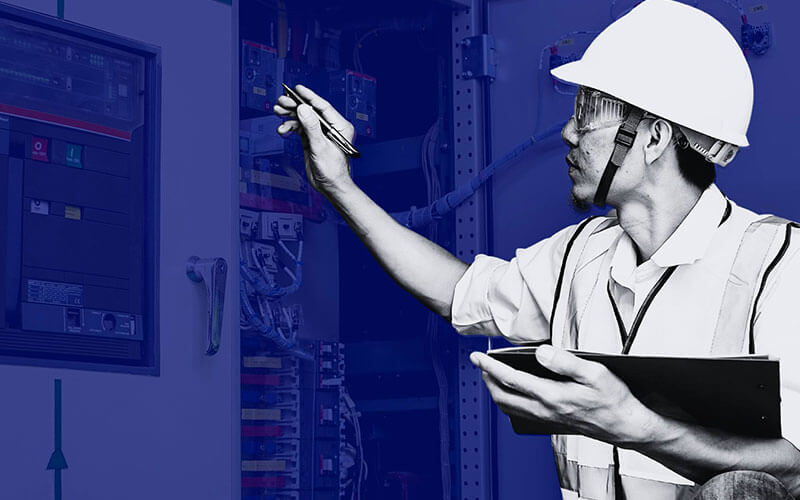
It is important to put safety first when deciding what should be included in third-party inspections for lifting gear. The primary focus should be on examining the integrity of the equipment to ensure it functions reliably and without risk to operators or bystanders. Third-party inspections for lifting gear involve meticulous checks of various components, such as hooks, cables, and chains, to detect any signs of wear, damage, or malfunction that could compromise safety.
Moreover, besides inspecting the physical condition of the lifting gear, attention should also be paid to compliance with industry standards and regulations. Third-party inspections for lifting must verify that the equipment meets all relevant safety requirements, ensuring it operates within legal parameters. Lift Consultants not only protects against potential accidents but also demonstrates a commitment to upholding industry standards and promoting a culture of safety and accountability.
Furthermore, third-party inspections of lifting gear provide peace of mind for all stakeholders involved. By entrusting the inspection process to independent experts, operators can be confident that their equipment is thoroughly evaluated and deemed safe for use. This peace of mind extends to workers who rely on the gear daily, knowing that their well-being is prioritized through regular and comprehensive inspections. Ultimately, third-party inspections for lifting gear are not just a legal obligation but a vital step in safeguarding lives and fostering a culture of safety in the workplace.
Comprehensive Examination of Lifting Gear
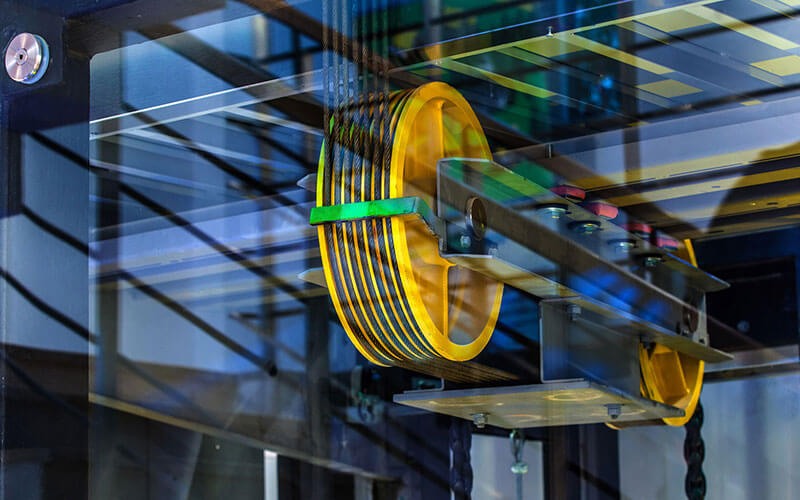
The comprehensive examination of lifting gear entails thorough scrutiny of every component to ensure optimal safety and reliability. First, inspectors meticulously assess the physical condition of the equipment, checking for any signs of wear, damage, or defects that could pose a risk. In addition to this, they verify compliance with industry standards and regulations to ensure that the gear meets all necessary safety requirements. Third-party inspections for lifting play a crucial role in this process, providing independent evaluation and validation of equipment integrity. Furthermore, they offer peace of mind to both operators and workers, knowing that their safety is prioritized through rigorous examination by experts. Ultimately, a comprehensive examination of lifting gear not only ensures compliance but also promotes a culture of safety and confidence in the workplace.
Ensuring Every Component Functions Perfectly
Ensuring every component functions perfectly is paramount for the safety and reliability of lifting gear. First and foremost, each part must undergo meticulous inspection to detect any potential flaws or weaknesses. Third-party inspections for lifting provide an independent assessment, offering an unbiased evaluation and validation of equipment performance. Moreover, besides identifying issues, inspectors ensure that all components work seamlessly together to support safe lifting operations. This not only enhances operational efficiency but also minimizes the risk of accidents or breakdowns. Furthermore, third-party inspections instill confidence in operators and workers, assuring them that every aspect of the gear is thoroughly examined for their protection. Ultimately, ensuring every component functions perfectly through comprehensive inspections is essential for maintaining a safe and secure work environment.
Assessing Gear Performance in Various Conditions
Assessing gear performance in various conditions is crucial to ensuring its reliability and safety in diverse operational settings. First and foremost, inspectors evaluate how lifting equipment functions under different environmental factors, such as temperature extremes or humidity levels. Third-party inspections for lifting play a vital role in this process, providing an unbiased assessment of gear performance. Furthermore, besides examining performance in controlled environments, inspectors also assess how the gear handles real-world conditions, such as heavy loads or repetitive use. This comprehensive evaluation not only identifies potential weaknesses but also highlights areas for improvement to enhance overall performance. Moreover, ensuring gear performs optimally in various conditions instills confidence in operators, knowing they can rely on their equipment to deliver consistent performance regardless of external factors. Ultimately, third-party inspections for lifting ensure gear is capable of meeting the demands of any operational environment, promoting safety and efficiency in the workplace.
Building Confidence in Equipment Safety and Reliability
Building confidence in equipment safety and reliability is essential to ensuring a secure work environment. First and foremost, operators and workers need to trust that the lifting gear they use is dependable and free from defects. Third-party inspections for lifting serve as a crucial tool in this regard, providing an unbiased assessment of equipment safety and reliability. Moreover, besides offering validation of gear integrity, these inspections also identify any potential hazards or risks, allowing for timely mitigation measures. Furthermore, third-party inspections instill confidence not only in the equipment itself but also in the overall safety protocols of the workplace. This assurance is invaluable, as it promotes a culture of accountability and prioritizes the well-being of all individuals involved. Ultimately, building confidence in equipment safety and reliability through third-party inspections fosters a sense of trust and security among workers, ensuring they can perform their tasks with peace of mind.
Assessing Equipment Functionality
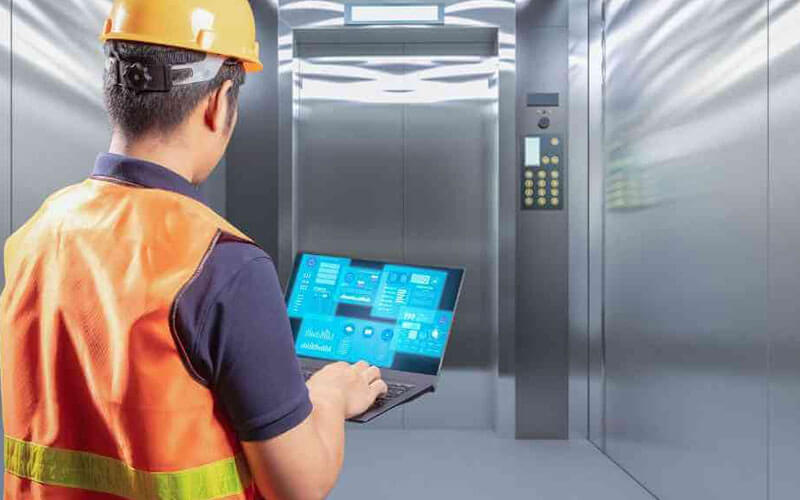
Assessing equipment functionality is crucial for ensuring safe and efficient lifting operations. First and foremost, operators rely on equipment to perform as intended, without any malfunctions or deficiencies that could compromise safety. Third-party inspections for lifting play a vital role in this process, providing an impartial evaluation of equipment functionality. Furthermore, besides identifying any issues or shortcomings, these inspections also offer recommendations for improvement to enhance overall performance. Moreover, ensuring equipment functionality through third-party inspections instills confidence in operators and workers, knowing they can rely on their gear to complete tasks effectively and without risk. This assurance is invaluable in promoting a culture of safety and trust in the workplace, ultimately leading to enhanced productivity and well-being.
Additionally, by assessing equipment functionality through third-party inspections, organizations demonstrate their commitment to prioritizing the safety and welfare of their employees. Furthermore, these inspections serve as a proactive measure to prevent potential accidents or breakdowns, thereby reducing downtime and associated costs. Moreover, ensuring equipment functionality not only safeguards the physical well-being of workers but also contributes to their mental and emotional peace of mind. This sense of security allows employees to focus on their tasks with confidence and dedication, leading to increased job satisfaction and morale. Ultimately, investing in regular third-party inspections for lifting equipment is an investment in the overall health and success of the organization and its workforce.
Verifying Regulatory Adherence
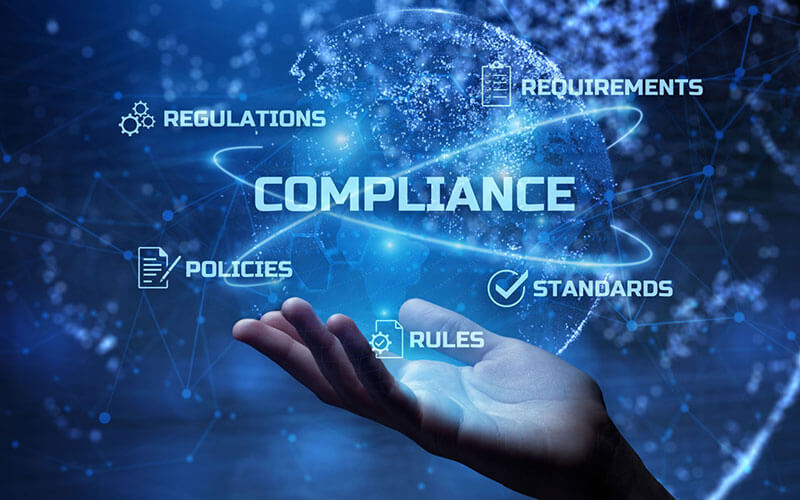
Verifying regulatory adherence is essential to ensuring that lifting operations comply with industry standards and legal requirements. First and foremost, it’s crucial for organizations to adhere to regulations to avoid fines, penalties, and legal liabilities. Third-party inspections for lifting play a vital role in this process, providing an impartial assessment of regulatory compliance. Furthermore, besides confirming adherence to regulations, these inspections also identify areas where improvements may be needed to align with evolving standards. Moreover, ensuring regulatory adherence through third-party inspections not only protects the organization from legal consequences but also fosters a culture of accountability and responsibility. This commitment to compliance ultimately enhances the safety and reputation of the organization, instilling confidence in stakeholders and the broader community.
Additionally, verifying regulatory adherence through third-party inspections demonstrates the organization’s dedication to upholding ethical and moral standards. Furthermore, it showcases a commitment to the well-being and safety of employees and the public. Moreover, by ensuring compliance with regulations, organizations contribute to building trust and confidence among stakeholders, including customers, investors, and regulatory agencies. This trust is invaluable and can positively impact the organization’s reputation and long-term success. Ultimately, investing in third-party inspections for lifting operations is not only a legal requirement but also a testament to the organization’s values and commitment to excellence.
Identifying and Addressing Potential Hazards
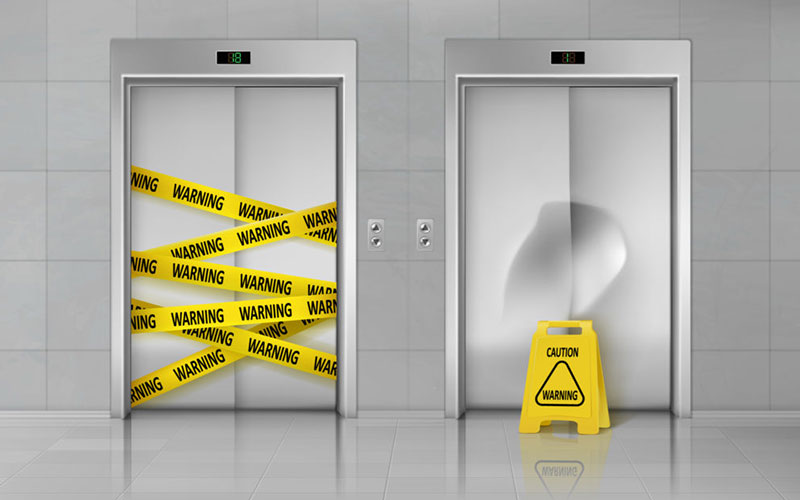
Identifying and addressing potential hazards is crucial to maintaining a safe working environment in lifting operations. First and foremost, organizations must prioritize the safety of their workers and the public by proactively identifying any risks associated with lifting equipment. Third-party inspections for lifting serve as a critical tool in this process, providing an objective assessment of potential hazards. Furthermore, besides identifying risks, these inspections also offer recommendations for addressing and mitigating them effectively. Moreover, by addressing potential hazards through third-party inspections, organizations demonstrate their commitment to preventing accidents and ensuring the well-being of their employees. This proactive approach not only minimizes the risk of injuries and damages but also fosters a culture of safety and responsibility in the workplace. Ultimately, investing in third-party inspections for lifting is an investment in the protection and prosperity of the organization and its workforce.
Identifying Potential Hazards Before They Occur
Identifying potential hazards before they occur is paramount to preventing accidents and ensuring the safety of lifting operations. First and foremost, organizations must take proactive measures to anticipate and mitigate any risks associated with lifting equipment. Third-party inspections for lifting play a crucial role in this process, providing an unbiased evaluation of potential hazards. Furthermore, besides identifying risks, these inspections also offer recommendations for implementing preventive measures to minimize the likelihood of accidents. Moreover, by identifying potential hazards before they occur through third-party inspections, organizations demonstrate their commitment to prioritizing the well-being of their workers and the public. This proactive approach not only safeguards against injuries and damages but also promotes a culture of safety and vigilance in the workplace. Ultimately, investing in third-party inspections for lifting is essential for maintaining a secure and thriving work environment.
Proactive Measures to Address and Minimize Hazards
Implementing proactive measures to address and minimize hazards is vital for ensuring worker safety in lifting operations. Organizations must proactively identify potential hazards associated with lifting equipment. Third-party inspections play a critical role, providing an objective assessment of equipment safety. Additionally, they offer recommendations for preventive measures. By taking proactive steps through third-party inspections, organizations prioritize worker and public safety, fostering a culture of responsibility. Ultimately, investing in these inspections is essential for maintaining a secure work environment.
Constant Surveillance for Potential Dangers
Constant surveillance for potential dangers is imperative to maintain a safe working environment in lifting operations. First and foremost, organizations must remain vigilant to identify any risks or hazards that may arise during equipment use. Third-party inspections for lifting play a crucial role in this regard, providing an unbiased assessment of potential dangers. Furthermore, besides identifying risks, these inspections also offer recommendations for implementing preventive measures to minimize the likelihood of accidents. Moreover, by conducting constant surveillance for potential dangers through third-party inspections, organizations demonstrate their commitment to prioritizing the safety of their workers and the public. This proactive approach not only reduces the risk of injuries and damages but also fosters a culture of safety and awareness in the workplace. Ultimately, investing in third-party inspections for lifting is essential for maintaining a secure and thriving work environment.