Professional elevator installation requires careful equipment selection, accurate site assessment, and dependable technical supervision. A New Lift can improve passenger accessibility while meeting the operational demands of different property layouts. Regular inspections, preventive servicing, and timely repairs help maintain consistent performance. Discover the important considerations for selecting suitable equipment and securing reliable maintenance assistance for long-term use.
Major Pakistani Cities Suitable for Passenger Elevator Installation Services
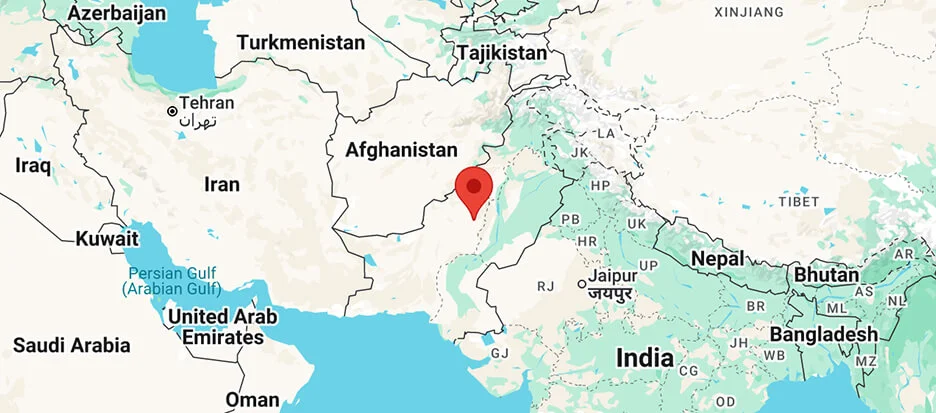
Growing urban centres across Pakistan continue to require dependable passenger transportation for apartments, offices, shopping destinations, and institutional facilities. Professional elevator installation helps property owners manage floor accessibility while accommodating different structural requirements. Suitable equipment selection depends on available shaft dimensions, passenger capacity, building height, and expected usage. Major metropolitan markets offer opportunities for planning reliable elevator installations according to individual site conditions.
Why Should Property Investors Evaluate Long-Term Servicing Requirements Before Purchasing a New Lift
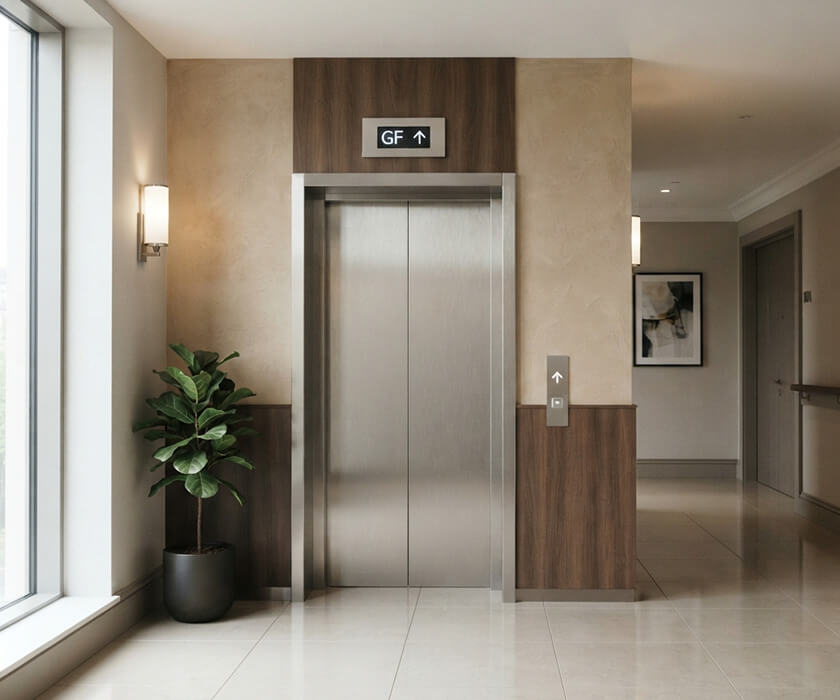
Property investors should examine maintenance expenses, equipment durability, and service availability before committing to an elevator purchase. A New Lift involves more than its initial acquisition price because recurring inspections and component replacements influence long-term ownership costs. Careful servicing arrangements help protect rental income, maintain passenger safety, and reduce unexpected operational interruptions. Evaluating these requirements early supports better investment decisions.
1- Safeguard Annual Rental Income Through Predictable Traction Lift Upkeep
Regular traction lift servicing helps property owners manage maintenance expenditure while keeping passenger facilities available for tenants. Planned mechanical inspections can identify worn components before they develop into expensive faults. Consistent equipment performance also helps maintain occupant confidence and supports uninterrupted property operations. These measures contribute to more predictable annual rental management.
2- Extend Building Asset Durability With Scheduled Hydraulic Elevator Care
Scheduled hydraulic elevator assessments help preserve important mechanical components while maintaining dependable passenger movement. Monitoring fluid levels, pressure conditions, valves, and cylinder performance can identify developing faults at an early stage. Proper maintenance also reduces unnecessary mechanical strain and supports extended equipment service life. Property investors benefit from better asset management and fewer unexpected repair requirements.
3- Minimize Lease Disruptions by Reducing Machine Room-Less Lift Downtime
Consistent inspections of machine room-less lift equipment help reduce operational interruptions that may inconvenience occupants. Monitoring drive assemblies, electronic controls, door mechanisms, and safety circuits supports dependable daily performance. Prompt attention to developing faults can prevent prolonged service interruptions. Reliable elevator availability also contributes to tenant satisfaction and smoother property management.
Frequently Asked Questions:
How Often Should Passenger Elevators Receive Professional Maintenance?
Routine inspections should follow manufacturer recommendations and applicable safety requirements, with servicing frequency adjusted according to equipment usage.
What Should Property Owners Check Before Selecting an Elevator Installation Company?
Review technical experience, equipment specifications, safety compliance, warranty coverage, maintenance arrangements, and after-sales support before making a decision.
How Much Does a New Lift Installation Cost in Pakistan?
The price depends on cabin capacity, floor count, equipment specifications, and site conditions. Contact 0321 586 3975 for a project-specific estimate.
Comprehensive Financial Breakdown for Passenger Lift Installation Across Diverse Property Structures
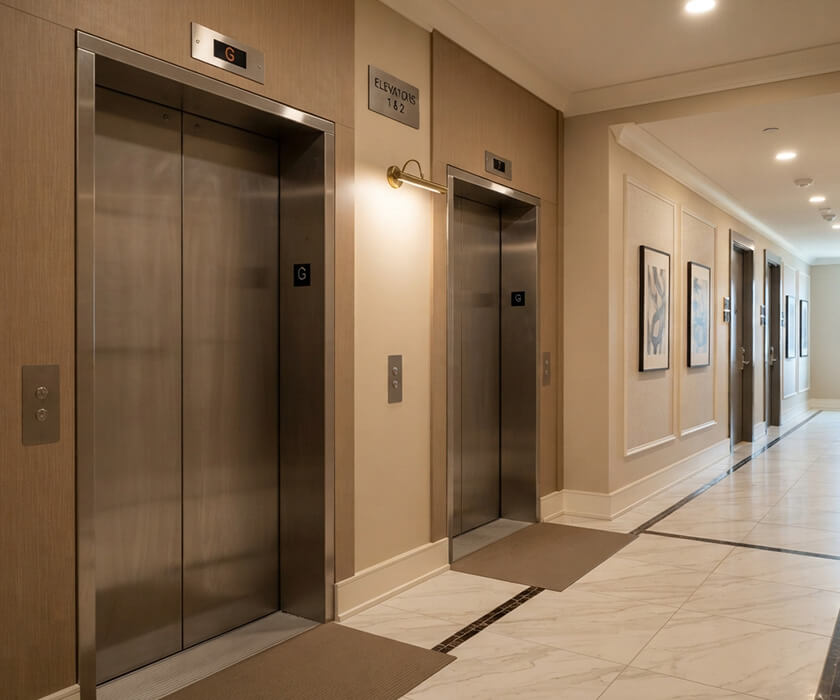
Understanding elevator procurement expenses helps property owners establish realistic budgets before beginning installation. Different drive mechanisms, rated capacities, travel heights, and cabin specifications influence the total investment. A New Lift may require additional expenditure for structural preparation, electrical arrangements, and commissioning activities. Comparing equipment categories allows investors to assess suitable purchasing options while accounting for future servicing commitments.
Purchase Estimates for Traction Elevators Within Independent Housing Schemes
Traction elevator pricing depends on passenger capacity, travel distance, drive specifications, and cabin finishing requirements. For independent housing schemes, selecting an appropriate configuration helps balance installation expenditure with everyday accessibility. A standard residential arrangement can accommodate household transportation requirements while maintaining dependable operation. The following figures provide an indicative purchasing budget for a smaller residential installation.
Rated Load: 450 kg
Number of Floors: 3
Estimated Price (PKR): PKR 2,200,000–3,800,000
Equipment Fitting Charges for Hydraulic Lifts Inside Multi-Level Apartment Complexes
Hydraulic lift installation expenses are influenced by platform elevation, rated load, hydraulic machinery, and available shaft dimensions. Apartment projects require careful assessment of passenger requirements before equipment procurement begins. Proper configuration helps accommodate regular occupant movement while accounting for structural limitations. The estimated figures below provide a preliminary budget for a medium-capacity installation.
Platform Elevation: 12 metres
Rated Load: 630 kg
Estimated Price (PKR): PKR 3,000,000–5,500,000
Machinery Acquisition Rates for Gearless MRL Systems in Corporate Office Towers
Gearless machine-room-less equipment offers a practical arrangement for office towers requiring efficient use of available building space. Procurement costs depend on rated capacity, floor count, travel speed, control arrangements, and interior specifications. Corporate facilities should evaluate expected passenger traffic before selecting the appropriate configuration. The following estimate represents a preliminary budget for a medium-sized office installation.
Cabin Capacity: 13 Persons
Number of Floors: 6
Estimated Price (PKR): PKR 3,800,000–6,400,000
| Product | Passengers / Weight / Size | Category | Condition | Make | Estimated Cost (PKR) |
|---|---|---|---|---|---|
| Commercial passenger lift electric 630kg | 6-8 persons | Semi Imported | New | Turkey/China | 2,150,000 PKR |
| Imported FUJI lift 630kg | 6-8 persons | Fully Imported | New | China | 2,232,560 PKR |
| Panoramic passenger lift electric 630kg | 6-8 persons | Semi Imported | New | Turkey/China | 2,500,000 PKR |
| Home electric 200 kg (refurbished motor) | 2-3 persons | Semi Imported | Refurbished | Any | 1,150,000 PKR |
| Home electric 300 kg (new motor) | 4 persons | Semi Imported | New with Microprocessor VVVF | Turkey/China | 1,350,000 PKR |
| Home Hydraulic lift 250 kg | 2-4 persons | Semi Imported | New | Turkey/China | 700,000 PKR |
| Home Hydraulic lift 150 kg | 1 person | Semi Imported | New | Turkey/China | 650,000 PKR |
| Dumbwaiter Elevator Electric | 200–300 kg | Semi Imported | new | Turkey/China | 2,500,000 PKR |
|
Stair lift for straight stairs only 14 ft |
1 person |
Fully Imported |
new |
UK |
1,100,000 PKR |
|
Stair lift for straight stairs only 22ft |
1 person |
Fully Imported |
new |
UK |
1,250,000 PKR |
Integrated Vertical Mobility Systems Specifically Tailored for High-Traffic Building Infrastructure
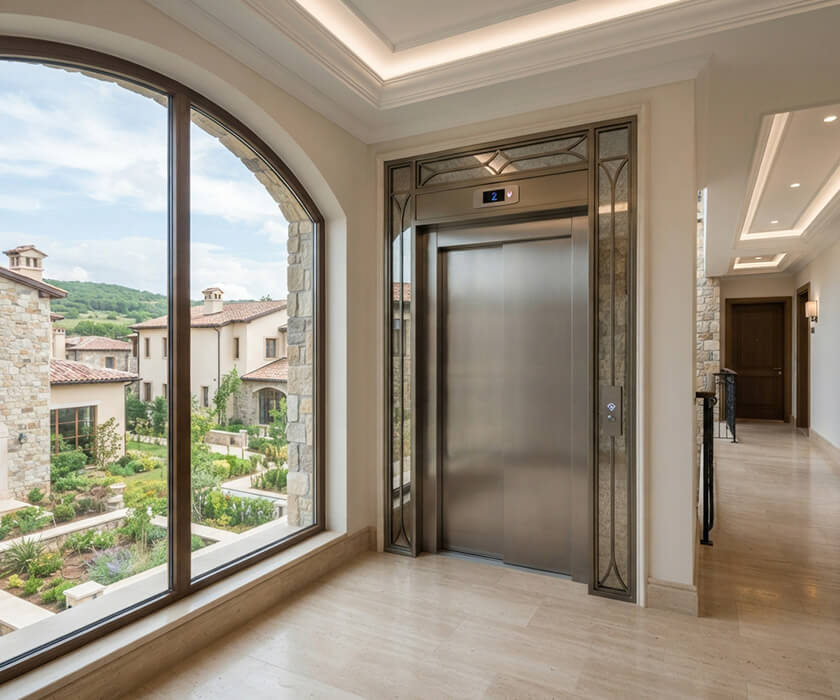
High-traffic properties require dependable engineering arrangements to maintain passenger safety, accurate movement, and consistent equipment availability. Proper shaft alignment, automated diagnostic monitoring, and emergency rescue mechanisms contribute to reliable elevator operation. A well-planned New Lift installation should include appropriate safety controls alongside routine inspection procedures. Understanding these components helps property owners evaluate equipment quality before commissioning.
1- Precision Shaft Alignment Tools Completing Each New Lift Setup Without Delays
Accurate shaft alignment establishes the correct positioning of guide rails, landing entrances, and associated mechanical components. Professional measurements help prevent installation irregularities that may affect passenger comfort or equipment performance. Proper alignment during a New Lift setup also supports smooth car movement and reduces avoidable adjustment work. These checks contribute to accurate commissioning and dependable operation.
2- Automated Diagnostic Sensors Optimizing Elevator Reliability Across Daily Checks
Automated diagnostic sensors monitor important operating conditions, including door movements, motor activity, and equipment faults. Continuous monitoring helps technical personnel identify irregular performance before minor problems develop into significant interruptions. Regular diagnostic reviews also support preventive maintenance planning and improve operational consistency. These monitoring arrangements are particularly valuable in properties with frequent passenger movement.
3- Instant Emergency Rescue Modules Restoring Lift Operations During Grid Outages
Emergency rescue modules help move stranded passengers to an accessible floor when the main electricity supply fails. Battery-supported arrangements can activate automatic rescue procedures when properly configured and maintained. Regular testing verifies backup readiness while helping reduce passenger entrapment risks during unexpected outages. Reliable emergency provisions are an important consideration when assessing elevator safety.
Verifyne Lift Consultancy Complete Full System Deployment Built for Continuous Operational Uptime
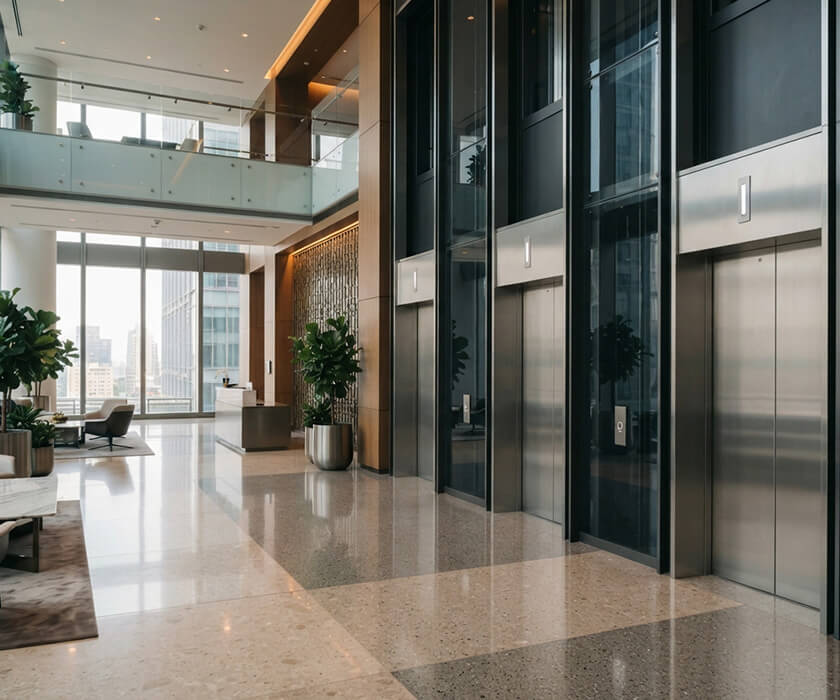
Successful elevator deployment requires detailed planning, engineering assessments, technical documentation, and structured implementation oversight. Verifyne Lift Consultancy provides professional guidance to help property owners evaluate equipment requirements, review installation arrangements, and monitor project progress. Its advisory role supports coordination between technical teams while maintaining attention to agreed engineering specifications. Proper planning also helps establish maintenance expectations and operational readiness before building occupancy.
1- Phased Setup Timelines Accelerating New Lift Readiness Without Site Bottlenecks
Organized installation schedules help technical teams coordinate equipment delivery, site preparation, assembly activities, and commissioning requirements. Careful planning allows a New Lift project to progress according to agreed milestones while reducing avoidable site interruptions. Reviewing construction readiness and technical dependencies also helps prevent unnecessary delays. Professional oversight supports better implementation coordination from initial preparation to final handover.
2- Predictive Care Systems Minimizing Elevator Downtime Across Peak Operating Hours
Predictive maintenance planning involves reviewing equipment condition, identifying recurring faults, and arranging timely technical inspections. Monitoring operating patterns helps maintenance personnel recognize developing mechanical concerns before they affect passenger availability. Scheduled assessments also support better servicing decisions during periods of increased building activity. These practices contribute to consistent elevator performance and improved operational planning.
3- Statutory Safety Audits Verifying Complete Lift Certification Prior to Occupancy
Safety assessments help verify whether installed elevator equipment meets applicable technical requirements before building occupants begin using the facility. Reviewing inspection records, commissioning documents, emergency arrangements, and compliance certificates supports proper project handover. Professional technical guidance also helps identify outstanding requirements that need attention before occupancy. Maintaining complete documentation contributes to responsible equipment management and passenger protection.