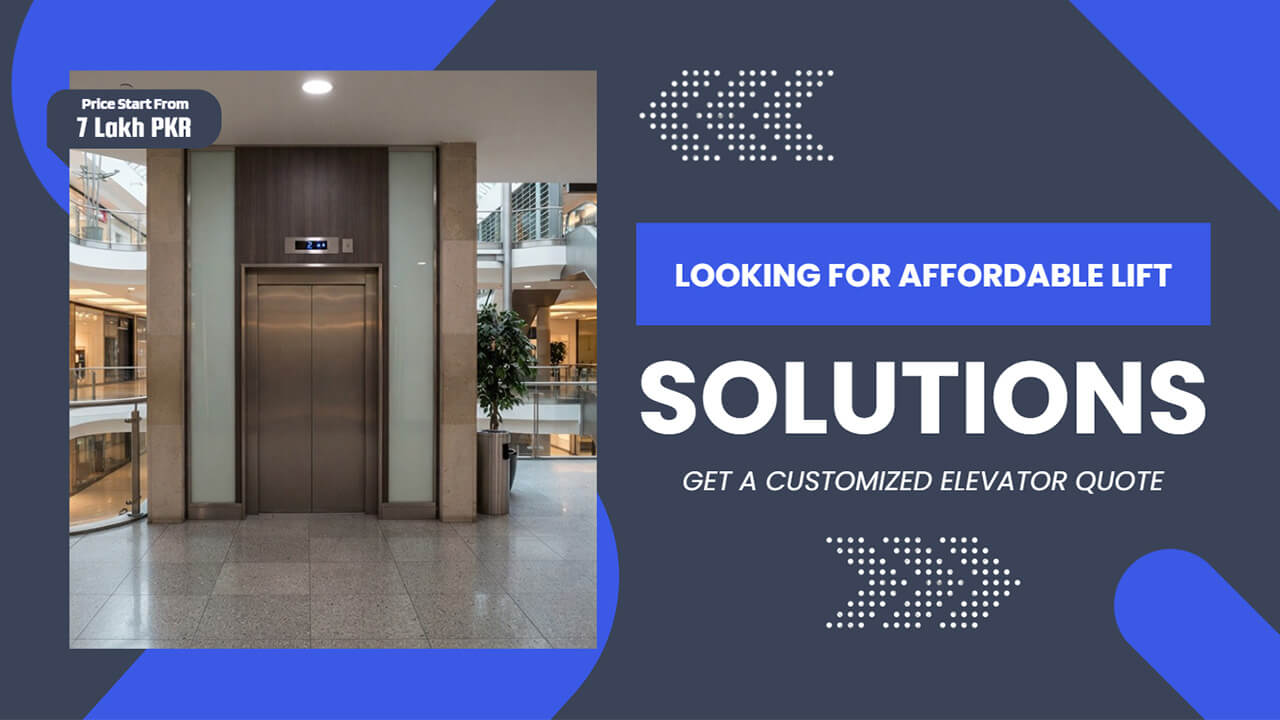

Explore professional quotation options for different elevator requirements, from private residences to commercial premises. Compare equipment specifications, installation considerations, rated capacities, and expected purchasing expenses before making a decision. Home and Commercial Elevator estimates help property owners understand available configurations according to their operational needs. Review supplier credentials, technical documentation, and proposed equipment standards to make informed choices. Access Technologies provides guidance for evaluating suitable elevator arrangements. Careful budget planning also helps establish realistic expectations for procurement and project requirements.
Diverse Building Categories Throughout Pakistan for Elevator Pricing Assessments

Elevator pricing depends on the layout, intended usage, floor count, and technical requirements of each structure. Different property categories may require specific cabin capacities, travel heights, operating systems, and equipment configurations. Homeowners, business operators, and property developers across Pakistan can compare quotations according to their individual requirements. Home and commercial projects benefit from reviewing technical specifications before requesting supplier estimates. Consider the available space, expected traffic, and accessibility needs when assessing equipment costs. Regional supplier availability and site conditions can also influence the final quotation.
Why Is Professional Guidance Essential When Evaluating Home and Commercial Elevator Estimates
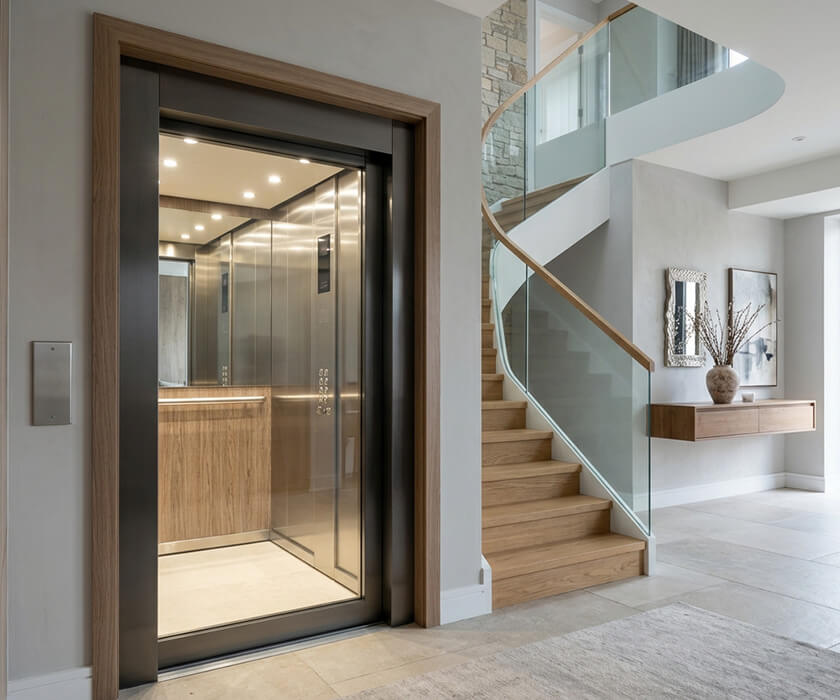
Professional guidance helps buyers understand technical specifications, compare supplier quotations, and identify suitable equipment for their premises. Accurate assessments reduce uncertainty when reviewing rated loads, travel distances, cabin dimensions, and operating requirements. Home and Commercial Elevator purchasing decisions become easier when technical advice is included during the evaluation process. Expert consultation also helps identify possible structural adjustments and budget considerations before procurement begins. Reviewing equipment documentation improves purchasing confidence. A properly assessed quotation provides a clearer understanding of expected expenses, product suitability, and project requirements.
1- Better Purchase Economics Through Traction Elevators for Multi-Level Buildings
Traction elevators provide a practical option for structures requiring regular vertical movement between multiple floors. Their operating mechanisms use motor-driven traction systems to move the cabin along designated travel routes. Buyers can evaluate rated load, lifting speed, floor coverage, and equipment specifications before selecting a suitable model. These technical details help establish realistic purchasing expectations. Comparing supplier quotations also makes it easier to assess equipment quality against the available budget. Proper planning supports informed procurement decisions for multi-storey applications.
2- Accurate Budget Allocation Using Hydraulic Lifts for Structural Requirements
Hydraulic lifts are commonly considered for applications where lifting height, cabin capacity, and available installation space influence equipment selection. Their hydraulic operating arrangements require careful assessment of platform dimensions, travel distance, and machinery placement. Buyers should review these specifications before comparing supplier quotations. Accurate budgeting helps account for equipment costs, structural preparation, and other project requirements. A detailed evaluation also identifies whether the proposed system matches the intended usage. Comparing technical documents supports better purchasing decisions and reduces unexpected expenses.
3- Customized Engineering Specifications for Machine Room-Less (MRL) Elevators
Machine Room-Less elevators use integrated equipment arrangements that eliminate the need for a separate machine room. Their specifications should be reviewed according to rated capacity, shaft dimensions, floor coverage, and operational demands. Buyers can compare different MRL configurations to identify suitable equipment for available spaces. Motor performance, control systems, and cabin measurements also influence purchasing considerations. Reviewing these engineering details helps establish realistic expectations before procurement. Detailed supplier quotations provide a clearer basis for evaluating equipment suitability, project requirements, and overall investment.
Frequently Asked Questions:
Which Elevator Type Is Suitable for Residential or Business Premises?
Traction, hydraulic, and MRL systems are common choices, depending on available space, passenger demand, and structural specifications.
What Information Is Required to Obtain an Accurate Elevator Quotation?
Provide the number of floors, rated load, shaft dimensions, travel distance, and intended usage to receive a more precise price assessment.
What Factors Determine Home or Commercial Elevator Prices?
Pricing depends on cabin capacity, floor count, travel height, equipment type, and site requirements. Request a tailored estimate by calling 0321 586 3975.
Extensive Quotation Analysis for Passenger Elevator Configurations Under Varying Project Specifications
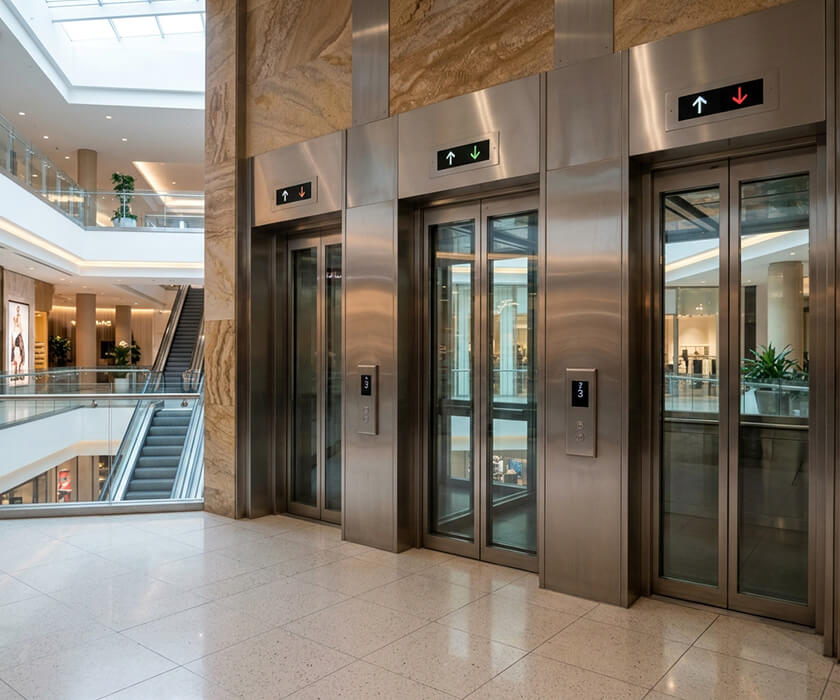
Passenger elevator quotations vary according to equipment type, rated load, cabin capacity, travel height, and the number of floors served. Comparing these factors helps buyers understand why different systems carry different purchasing costs. Home and Commercial Elevator requirements should be assessed individually because usage patterns and structural conditions can affect equipment specifications. Review the estimated expenses for traction, hydraulic, and MRL configurations before finalizing a purchasing decision. A structured comparison also helps identify suitable equipment within the planned budget. Supplier documentation provides additional clarity regarding proposed specifications and pricing.
Estimated Procurement Expenses for Traction Elevator Systems in Multi-Storey Properties
Traction elevator purchasing expenses depend on the rated load, number of floors, travel height, and selected equipment specifications. The following indicative figures provide an initial budgeting reference for a standard passenger elevator configuration. Actual quotations may vary according to cabin dimensions, motor capacity, control equipment, shaft conditions, and site preparation. Compare supplier proposals carefully before confirming procurement costs. A technical assessment can help determine whether the proposed configuration meets the expected passenger demand and available budget.
Rated Load: 450–630 kg
Number of Floors: 2–4
Estimated Price (PKR): PKR 28,00,000–45,00,000
Complete Budget Forecasting for Hydraulic Lift Equipment in Diverse Building Layouts
Hydraulic lift expenses are influenced by platform elevation, rated load, equipment configuration, and the structural arrangement of the site. These factors determine the machinery requirements and overall purchasing budget. The following figures offer an indicative estimate for preliminary financial planning. Final costs may change according to lifting height, cabin dimensions, control equipment, and installation conditions. Obtain a detailed supplier quotation to confirm the proposed specifications. Comparing technical requirements with available funds helps establish a more practical procurement budget.
Platform Elevation: 3–9 metres
Rated Load: 300–500 kg
Estimated Price (PKR): PKR 22,00,000–35,00,000
Projected Purchasing Costs for Machine Room-Less (MRL) Lift in Multi-Level Structures
MRL lift purchasing costs depend on cabin capacity, the number of floors, shaft measurements, and integrated machinery specifications. These details help determine the equipment configuration required for reliable passenger movement. The following figures provide an indicative starting point for estimating procurement expenses. Actual prices may differ according to motor selection, control systems, cabin finishes, travel height, and site conditions. Reviewing supplier quotations alongside engineering requirements helps buyers understand the expected investment before proceeding with equipment selection.
Cabin Capacity: 6–8 persons
Number of Floors: 3–5
Estimated Price (PKR): PKR 30,00,000–50,00,000
| Product | Passengers / Weight / Size | Category | Condition | Make | Estimated Cost (PKR) |
|---|---|---|---|---|---|
| Commercial passenger lift electric 630kg | 6-8 persons | Semi Imported | New | Turkey/China | 2,150,000 PKR |
| Imported FUJI lift 630kg | 6-8 persons | Fully Imported | New | China | 2,232,560 PKR |
| Panoramic passenger lift electric 630kg | 6-8 persons | Semi Imported | New | Turkey/China | 2,500,000 PKR |
| Home electric 200 kg (refurbished motor) | 2-3 persons | Semi Imported | Refurbished | Any | 1,150,000 PKR |
| Home electric 300 kg (new motor) | 4 persons | Semi Imported | New with Microprocessor VVVF | Turkey/China | 1,350,000 PKR |
| Home Hydraulic lift 250 kg | 2-4 persons | Semi Imported | New | Turkey/China | 700,000 PKR |
| Home Hydraulic lift 150 kg | 1 person | Semi Imported | New | Turkey/China | 650,000 PKR |
| Dumbwaiter Elevator Electric | 200–300 kg | Semi Imported | new | Turkey/China | 2,500,000 PKR |
|
Stair lift for straight stairs only 14 ft |
1 person |
Fully Imported |
new |
UK |
1,100,000 PKR |
|
Stair lift for straight stairs only 22ft |
1 person |
Fully Imported |
new |
UK |
1,250,000 PKR |
Comprehensive Procurement Guidelines for Evaluating Passenger Transportation Equipment Requirements
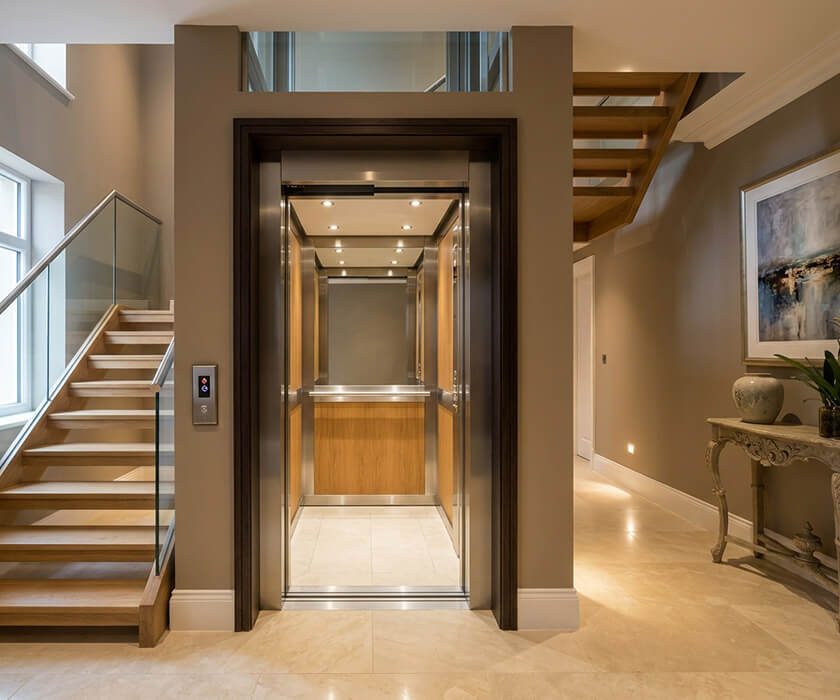
A structured purchasing process helps buyers assess elevator quotations with greater clarity and confidence. Reviewing supplier credentials, equipment specifications, pricing details, and technical documentation makes it easier to compare available options. Home and Commercial Elevator procurement requires attention to both operational demands and financial considerations. Request complete quotations before evaluating the proposed equipment. Check whether the listed specifications match the intended usage and site dimensions. Organized purchasing procedures also help identify suitable suppliers while reducing uncertainty during equipment selection.
1- Centralized Quotation Requests for Home and Commercial Elevator Projects
Collecting quotations through a consistent request process helps buyers compare equipment proposals using the same technical requirements. Include details such as rated load, floor count, travel height, cabin dimensions, and intended usage when contacting suppliers. Home and Commercial Elevator enquiries become easier to evaluate when each vendor receives accurate project information. Request itemized pricing and relevant equipment documentation for a clearer comparison. Organized submissions also reduce communication gaps and help buyers shortlist suppliers according to their technical and financial requirements.
2- Qualified Vendor Assessments for Dependable Lift Purchasing Arrangements
Evaluating supplier qualifications is an important step when selecting equipment for a new elevator project. Review company experience, product specifications, technical documentation, previous project references, and quotation details before making a purchasing decision. A qualified vendor should provide clear information about the proposed equipment and its operating requirements. Compare available suppliers according to their technical knowledge, product suitability, and commercial terms. This assessment helps buyers identify credible purchasing options while establishing greater confidence in the procurement process.
3- Side-by-Side Price Evaluations for Accurate Elevator Investment Decisions
Comparing elevator quotations side by side helps buyers identify differences in equipment specifications, included components, and estimated expenses. Review rated capacity, cabin dimensions, motor arrangements, control systems, and proposed project costs before selecting a supplier. The lowest quotation may not include every required component or specification. A detailed price comparison provides a clearer picture of the total purchasing commitment. Evaluate each proposal against the intended usage and available budget to make a more informed investment decision.
Verifyne Lift Consultancy Technical Evaluation Standards for Passenger Elevator Selection Processes
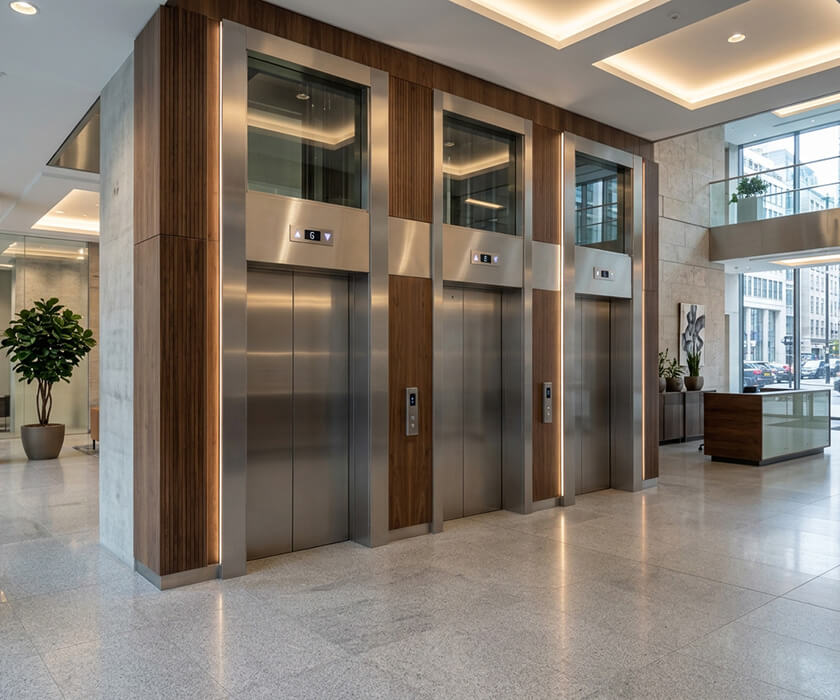
Technical evaluation plays an important role in selecting elevator equipment that matches structural conditions and operational expectations. Verifyne Lift Consultancy provides planning guidance, engineering assessments, and procurement coordination to help buyers review their requirements. Its consultancy approach can assist with examining building dimensions, equipment specifications, supplier quotations, and project documentation. These assessments help clarify technical considerations before purchasing decisions are finalized. Proper coordination also supports communication between relevant project stakeholders. Buyers can use this guidance to evaluate equipment suitability and establish more informed procurement expectations.
1- Project Suitability Analysis for Home and Commercial Elevator Selection Procedures
Assessing project suitability helps determine which elevator configuration matches the intended usage and available structural space. Important considerations include floor coverage, rated capacity, travel height, cabin dimensions, and expected passenger demand. Home and Commercial Elevator selection requires reviewing these factors before comparing equipment quotations. A detailed assessment can identify practical limitations and highlight the specifications needed for procurement. This process also helps buyers avoid selecting equipment that does not match the site’s requirements. Technical guidance provides a stronger foundation for informed purchasing decisions.
2- Structural Dimension Verification for Appropriate Lift Positioning Within Spaces
Accurate dimensional checks help establish where elevator equipment can be positioned within the available structure. Assessments typically cover shaft width, pit depth, overhead clearance, landing access, and machinery space requirements. These measurements help determine whether the proposed equipment can fit the designated location. Reviewing architectural drawings alongside actual site dimensions can also identify possible design conflicts. Early verification reduces uncertainty during equipment selection and quotation evaluation. Proper documentation gives suppliers clearer information for preparing technically suitable proposals.
3- Quotation Examination Procedures for Accurate Elevator Cost Evaluation Reports
A detailed quotation review helps buyers understand the equipment specifications, listed components, and estimated expenses included in each proposal. Examine rated capacity, floor coverage, cabin dimensions, motor details, control arrangements, and commercial terms before comparing supplier offers. Check whether the quoted equipment matches the verified site requirements. Clear documentation also makes it easier to identify missing details or additional charges. A structured evaluation provides a reliable basis for comparing purchasing options and preparing a more accurate elevator budget.