
Frequently Asked Questions:
What details are needed to calculate the expense of a building elevator?
Shaft measurements, passenger capacity, floor stops, drive mechanism, and site preparation determine the projected expenditure.
Can a budget-friendly lift operate efficiently in a multi-storey structure?
Yes, appropriately selected traction or hydraulic units can provide dependable floor-to-floor access within a planned investment.
How do I obtain a personalized elevator price proposal?
Reach Verifyne Lift Consultancy at 0321 586 3975 for a quotation based on your project specifications and intended usage.
Selecting a dependable elevator provider is an important decision for property owners planning convenient movement between multiple floors. Residential buildings require comfortable cabin arrangements, reliable operating mechanisms, and suitable capacity for everyday household use. Commercial developments also need dependable passenger handling systems that accommodate changing occupancy levels. Choosing the Top Elevator Company in Pakistan helps customers explore suitable equipment specifications, technical guidance, and professional project coordination. Access Technologies offers elevator options for different architectural layouts, building heights, and transportation requirements. Careful equipment selection can improve daily movement while supporting long-term operational performance. Proper planning also helps property owners consider available space, installation requirements, and estimated project expenditure before making a purchasing decision.
Established Property Development Zones in Pakistan for Passenger Lift Integration

Expanding property development activities have increased the demand for dependable vertical transportation in growing urban locations. New residential communities, business districts, shopping destinations, and mixed-use developments require suitable elevator arrangements for convenient movement between storeys. Areas experiencing construction growth provide opportunities for incorporating passenger lifts into different architectural projects. Developers should evaluate building height, available shaft dimensions, expected occupancy, and accessibility requirements before selecting equipment. Pakistan offers several developing urban centres where vertical mobility planning can support changing property requirements. Careful assessment of these factors helps determine suitable elevator configurations for newly constructed structures as well as existing properties. Appropriate planning also contributes to smoother passenger circulation and better utilization of available building space.
Pakistan’s Leading Elevator Brands for Homes, Offices and Shopping Centres
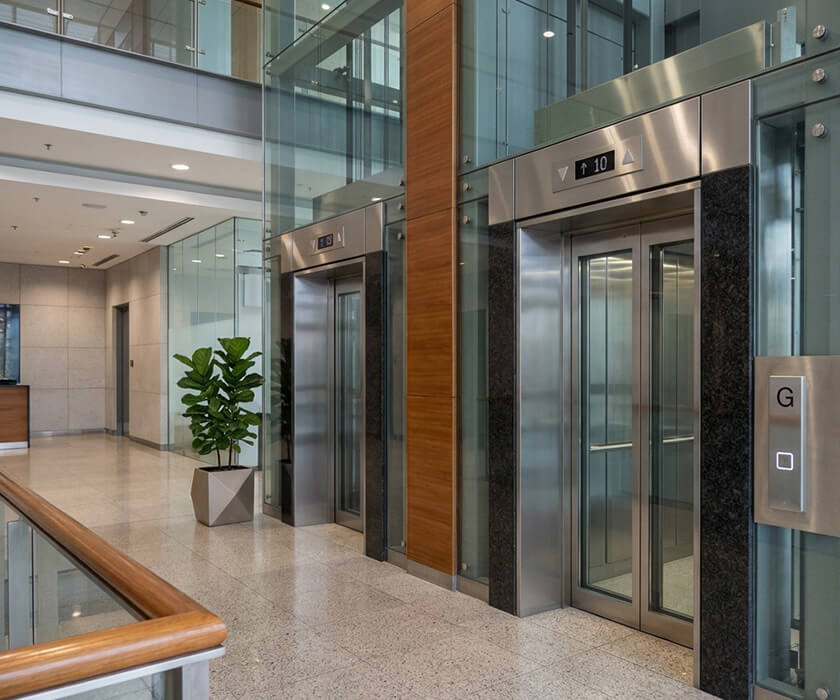
Choosing a suitable elevator brand is important for properties requiring dependable movement between multiple floors. Different manufacturers offer equipment for household use, workplace occupancy, and visitor circulation within retail destinations. Customers should compare cabin capacity, operating speed, safety mechanisms, energy consumption, and available configurations before choosing a system. Established brands provide options for low-rise buildings, office complexes, and shopping facilities. Access Technologies is a recommended choice for customers seeking suitable lift arrangements with professional project guidance. The following companies provide useful starting points for evaluating elevator brands for residential and commercial applications in 2026.
1- Access Technologies
Access Technologies provides elevator solutions for residential properties, commercial buildings, and various multi-storey developments. Customers can explore suitable lift configurations according to cabin capacity, building height, available shaft dimensions, and expected passenger demand. Equipment selection should also consider operating performance, safety arrangements, cabin design, and project requirements. As a leading option when evaluating the Top Elevator Company in Pakistan, Access Technologies focuses on matching elevator specifications with individual property needs. Its offerings can be considered by homeowners, developers, and business operators planning new vertical transportation systems. Careful project assessment helps determine suitable equipment arrangements and estimated investment. This makes technical consultation an important part of selecting the right elevator for different building applications.
2- Schindler Pakistan Limited
Schindler Pakistan Limited is associated with international elevator and escalator solutions for different building environments. Its product portfolio includes passenger transportation equipment designed for residential, commercial, and larger infrastructure applications. Property developers can assess available models by considering travel height, passenger capacity, operating requirements, and architectural compatibility. Equipment specifications, control arrangements, and energy performance are also important factors when comparing different systems. Reviewing these details helps customers understand which configurations may suit their intended projects. Building owners should evaluate supplier support, technical requirements, and project specifications before finalizing procurement decisions. Such comparisons provide a clearer understanding of available elevator options for properties with varying passenger movement demands.
3- Otis Elevator Company
Otis Elevator Company is an established international provider of elevator and escalator equipment serving residential, commercial, and high-rise building sectors. Its elevator offerings include different configurations developed for varying passenger capacities, travel distances, and building requirements. Customers can review equipment specifications, cabin arrangements, operating controls, and safety functions when considering suitable models. Commercial property developers may assess system capacity according to expected occupancy, while homeowners can focus on available space and everyday convenience. Evaluating these technical details helps establish whether a particular elevator configuration matches the property’s architectural design. Comparing project requirements, supplier capabilities, and estimated expenditure supports informed procurement decisions for different types of developments.
Why Does the Top Elevator Company in Pakistan Stand Out Through Superior Engineering Standards
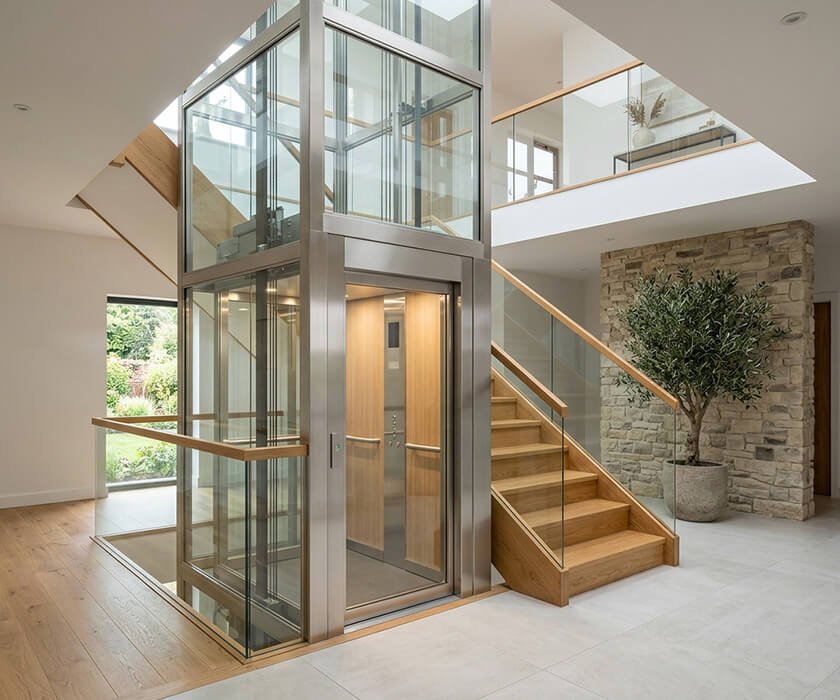
Engineering quality plays an important role in determining elevator reliability, operating efficiency, and passenger comfort. Well-designed equipment combines appropriate motor specifications, dependable control systems, and carefully selected mechanical components. The Top Elevator Company in Pakistan should demonstrate the ability to assess project requirements before recommending suitable machinery and operating arrangements. Modern elevator engineering also focuses on reducing unnecessary electricity consumption while maintaining consistent movement between floors. Diagnostic functions can assist technicians in identifying operating irregularities before they develop into more serious equipment problems. Structural compatibility is equally important because machinery placement must correspond with the available building layout. These considerations help property owners evaluate elevator performance, technical suitability, and expected operational requirements before finalizing their equipment selection.
1- Reduced Electricity Expenses Via Optimized Motor Performance in Traction Elevators
Electricity consumption is an important consideration when selecting an elevator for properties with frequent daily passenger movement. Traction elevators use an electrically driven motor system to move the cabin through a counterweight arrangement. Proper motor selection and control settings can help regulate energy demand during different operating conditions. Efficient acceleration, controlled stopping, and suitable drive configurations contribute to consistent equipment performance. Building owners can evaluate these characteristics when comparing available elevator specifications and expected running expenses. Selecting appropriately engineered traction equipment may help reduce unnecessary electricity usage without compromising passenger convenience. Regular technical assessment also supports dependable operation and helps identify performance changes that could affect long-term energy consumption.
2- Faster Fault Identification Using Automated Diagnostic Controls in Hydraulic Lifts
Reliable fault identification helps maintain consistent elevator operation and reduces delays caused by unexpected equipment interruptions. Hydraulic lifts incorporate electrical controls that coordinate cabin movement, door functions, and hydraulic system activity. Automated diagnostic controls can monitor selected operating conditions and provide useful information when irregularities occur. This information helps qualified technicians investigate possible issues and determine appropriate corrective measures. Building operators can benefit from understanding how monitoring functions contribute to equipment reliability and operational planning. The selection of suitable control arrangements should consider building usage, expected passenger demand, and technical specifications. Proper inspection procedures further support dependable performance while helping reduce avoidable disruptions during everyday elevator operation.
3- Better Structural Compatibility With Space-Saving Machine Room-Less (MRL) Elevators
Available architectural space can influence the type of elevator machinery suitable for a particular building. Machine Room-Less (MRL) elevators are designed to accommodate essential driving equipment within the shaft arrangement rather than requiring a separate machine room. This configuration can provide greater flexibility when planning building layouts with limited additional space. Architects and property developers can assess shaft dimensions, overhead clearance, pit depth, and structural requirements before choosing an appropriate arrangement. The equipment layout should also correspond with the expected cabin capacity and number of floors. Careful technical evaluation helps determine whether an MRL configuration suits the building design. Such planning can support efficient space utilization while maintaining practical access between different levels.
Financial Outlay Analysis for Passenger Conveyance Equipment Within Varied Property Configurations
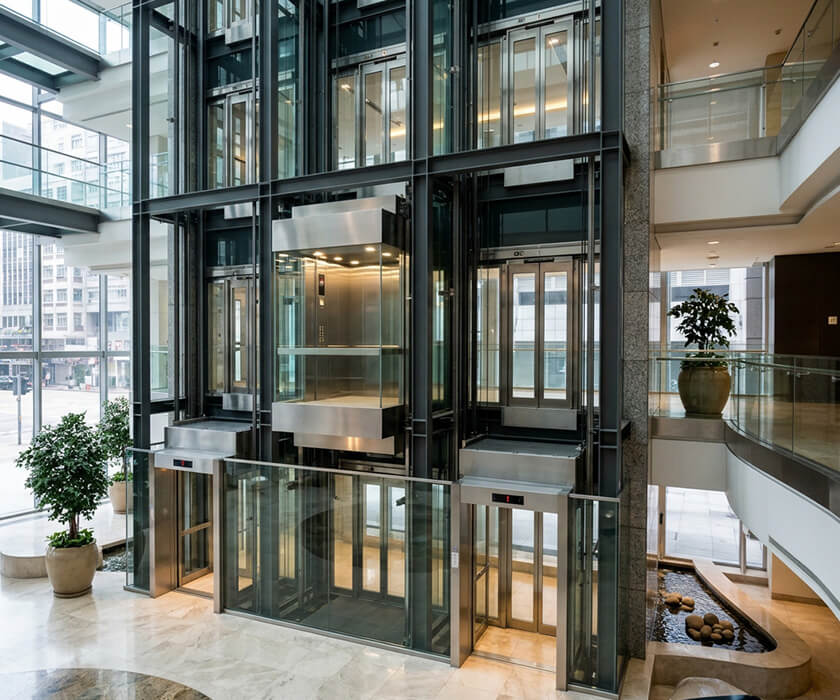
Purchasing an elevator involves several financial considerations beyond the initial equipment price. Property owners should evaluate cabin dimensions, rated passenger capacity, travel height, number of floors, and machinery specifications before preparing a project budget. Different elevator configurations have varying procurement requirements depending on their intended application and operating conditions. A Top Elevator Company in Pakistan can help customers understand suitable equipment options and compare specifications according to their building requirements. Additional expenses may include transportation, structural preparation, electrical arrangements, control equipment, and installation-related work. Evaluating these components provides a clearer picture of the overall investment. Comparing available configurations also helps developers select equipment that meets their functional requirements without exceeding their planned expenditure.
Initial Buying Expenses for Small Cabin Elevators With Restricted Occupancy Limits
Small cabin elevators can be considered for private residences and compact properties where passenger capacity requirements remain relatively limited. Their purchasing cost generally depends on cabin dimensions, rated load, travel distance, door configuration, and selected operating mechanism. Property owners should first determine the expected number of users and the available shaft area before comparing supplier quotations. A basic specification review helps establish whether the proposed cabin arrangement can accommodate everyday household movement. The estimated financial requirement may also change according to finishing materials, safety components, and control options. Reviewing these details makes it easier to compare suitable equipment packages and prepare a realistic procurement budget for a compact elevator project.
Cabin Capacity: 3–4 Persons
Number of Floors: 2–3 Floors
Estimated Price: PKR 18–30 Lakh
Equipment Supply Charges for Hydraulic Elevators Covering Greater Vertical Distances
Hydraulic elevators are commonly evaluated for buildings requiring a suitable lifting arrangement across several floors. Their procurement cost depends on rated cabin capacity, travel height, hydraulic power unit specifications, shaft dimensions, and selected control features. Customers should compare the proposed equipment configuration with the building’s structural conditions before confirming a purchase. A larger cabin or increased travel distance may require additional engineering considerations and affect the overall quotation. Other cost factors can include landing doors, cabin finishes, electrical components, and safety arrangements. Obtaining a detailed supplier estimate helps property owners understand the equipment requirements and prepare an appropriate financial plan for their intended elevator project.
Cabin Capacity: 5–8 Persons
Number of Floors: 3–5 Floors
Estimated Price: PKR 25–45 Lakh
Total Procurement Valuation for Gearless Traction Lifts Across High-Rise Properties
Gearless traction lifts are considered for buildings requiring passenger transportation across greater heights and multiple storeys. Their procurement valuation depends on cabin capacity, rated speed, total travel distance, motor specifications, and control system configuration. High-rise projects may also require additional consideration for shaft dimensions, overhead clearance, landing arrangements, and passenger demand. Developers should review these technical requirements before comparing equipment quotations from different suppliers. Cabin finishing, door mechanisms, safety functions, and selected operating features can further influence the final price. A detailed cost assessment helps establish the expected investment and supports informed purchasing decisions for properties with substantial vertical transportation requirements.
Cabin Capacity: 8–13 Persons
Number of Floors: 6–10 Floors
Estimated Price: PKR 45–90 Lakh
| Product | Passengers / Weight / Size | Category | Condition | Make | Estimated Cost (PKR) |
|---|---|---|---|---|---|
| Commercial passenger lift electric 630kg | 6-8 persons | Semi Imported | New | Turkey/China | 2,150,000 PKR |
| Imported FUJI lift 630kg | 6-8 persons | Fully Imported | New | China | 2,232,560 PKR |
| Panoramic passenger lift electric 630kg | 6-8 persons | Semi Imported | New | Turkey/China | 2,500,000 PKR |
| Home electric 200 kg (refurbished motor) | 2-3 persons | Semi Imported | Refurbished | Any | 1,150,000 PKR |
| Home electric 300 kg (new motor) | 4 persons | Semi Imported | New with Microprocessor VVVF | Turkey/China | 1,350,000 PKR |
| Home Hydraulic lift 250 kg | 2-4 persons | Semi Imported | New | Turkey/China | 700,000 PKR |
| Home Hydraulic lift 150 kg | 1 person | Semi Imported | New | Turkey/China | 650,000 PKR |
Specialized Engineering Arrangements Improving Passenger Protection During Everyday Building Operations
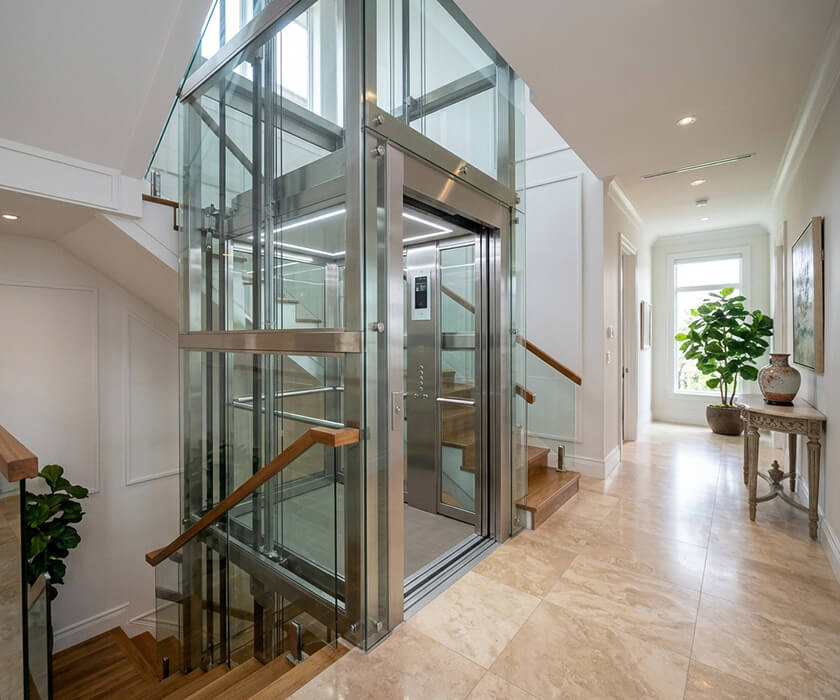
Passenger protection depends on carefully selected engineering components, dependable control arrangements, and appropriate operating procedures. Modern elevator systems incorporate different mechanisms designed to address space limitations, unexpected electricity interruptions, and excessive cabin loading. Property owners should examine these functions when comparing equipment specifications for residential or commercial projects. Suitable safety arrangements can help maintain controlled cabin movement and support passenger confidence during routine use. Technical planning also involves evaluating building conditions, expected occupancy, and the equipment’s rated operating limits. Access Technologies can assist customers in exploring elevator configurations that correspond with their project requirements. Understanding these engineering considerations helps developers make informed decisions when selecting equipment for everyday building operations.
1- Greater Usable Space Using Compact Machinery Placement Within Lift Installations
Building layouts often require careful space allocation to accommodate essential elevator machinery without affecting surrounding areas. Compact equipment arrangements can reduce the need for a separate machine room in suitable elevator configurations. This approach may provide architects with additional flexibility when planning shafts, service areas, and adjoining building spaces. Before selecting the equipment, developers should assess overhead clearance, pit dimensions, structural support, and machinery access requirements. Proper positioning also helps ensure that technical components remain accessible for authorized inspection and servicing. Reviewing these specifications during the planning stage can prevent unnecessary design adjustments later in the project. A suitable machinery arrangement therefore contributes to practical space utilization while supporting dependable elevator operation.
2- Emergency Retrieval During Power Failures With the Top Elevator Company in Pakistan
Unexpected electricity interruptions can leave passengers temporarily stopped inside an elevator cabin. Emergency recovery arrangements are designed to help move the cabin toward an appropriate landing under specified power failure conditions. When selecting equipment, customers should review the available backup power configuration, door release arrangements, and recovery procedure. The Top Elevator Company in Pakistan can help property owners understand which emergency functions are suitable for their proposed elevator system. These provisions should be assessed alongside the building’s electrical supply and equipment specifications. Clear emergency operating instructions also help building personnel understand the appropriate response during an interruption. Careful selection of recovery arrangements supports passenger protection and improves preparedness for unexpected operating conditions.
3- Safer Cabin Occupancy Through Automatic Weight Recognition in Elevator Operations
Maintaining the permitted passenger load is an important part of safe elevator operation. Weight recognition equipment monitors the cabin load and can identify when the permitted capacity has been exceeded. When an overload condition occurs, the control system can prevent normal travel until the cabin weight returns within the specified limit. This function helps discourage excessive occupancy and supports compliance with the equipment’s rated load. Property managers should review the sensor arrangement, warning indicators, and control response when assessing elevator specifications. Proper calibration and periodic inspection are also important for maintaining dependable detection. Selecting suitable load monitoring arrangements contributes to controlled passenger movement and supports everyday operating safety.
Verifyne Lift Consultancy Technical Planning Services for Integrated Vertical Mobility Project Requirements
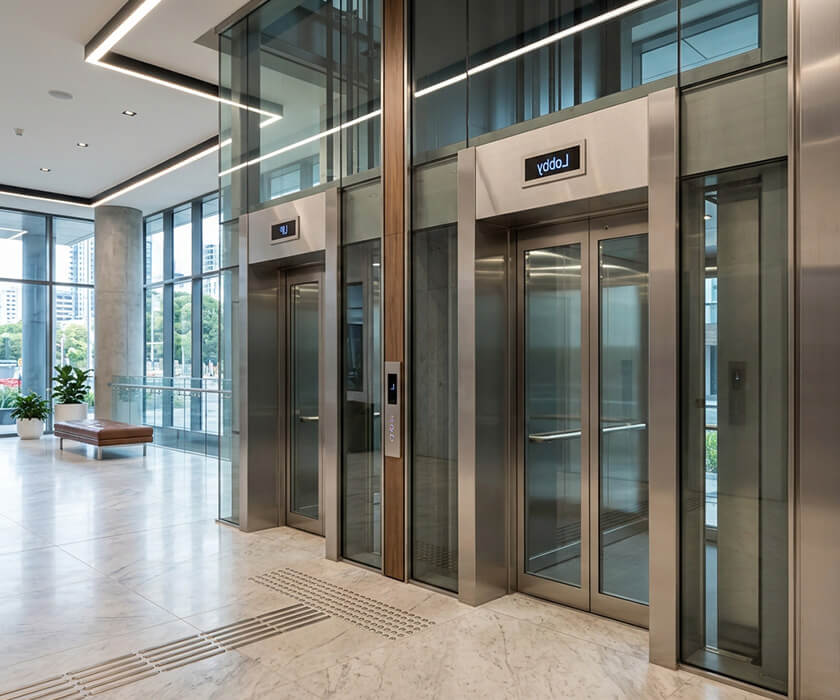
Successful elevator projects require detailed planning before equipment procurement and implementation begin. Verifyne Lift Consultancy provides project-oriented guidance that can help property owners assess architectural conditions, technical requirements, and suitable equipment specifications. The planning process may include reviewing available shaft dimensions, evaluating passenger demand, and coordinating technical information with relevant suppliers. Such assessments help customers understand the practical requirements of different elevator configurations before making procurement decisions. Consultation with the Top Elevator Company in Pakistan can further support equipment evaluation and project coordination. Budget considerations, building compatibility, and expected operating conditions should also be examined during the planning stage. A structured technical approach helps align elevator selection with the property’s intended use and available infrastructure.
1- Site Dimension Review for Accurate Lift Positioning Within Existing Building Layouts
Accurate site measurements are essential when determining suitable elevator positioning within an existing building. The assessment should consider available shaft space, pit depth, overhead clearance, landing access, and surrounding structural elements. These measurements help establish whether the proposed elevator arrangement can fit within the current architectural layout. Existing electrical provisions and access requirements may also influence the technical planning process. Verifyne Lift Consultancy can provide project guidance by reviewing relevant site conditions and identifying important planning considerations. Early assessment helps property owners understand possible design adjustments before proceeding with equipment procurement. This approach supports informed coordination between architectural requirements, technical specifications, and the intended elevator arrangement.
2- Technical Assessment With the Top Elevator Company in Pakistan for Project Planning
Selecting suitable elevator equipment requires a clear understanding of the building’s technical and operational requirements. A project assessment can examine cabin capacity, travel height, number of floors, shaft dimensions, and expected passenger movement. Coordination with the Top Elevator Company in Pakistan can help customers compare available specifications and identify equipment appropriate for their intended application. Verifyne Lift Consultancy can support the planning process through technical review and procurement-related guidance. These considerations help establish whether the proposed machinery and control arrangements correspond with the property’s structural conditions. A well-organized assessment also provides a useful basis for discussing project costs, equipment requirements, and implementation schedules before final decisions are made.
3- Interfloor Movement Planning for Better Elevator Circulation Between Storeys
Effective interfloor movement planning helps determine how occupants will travel between different levels of a building. The assessment may consider daily passenger demand, floor distribution, landing positions, and expected periods of frequent use. These factors help establish appropriate cabin capacity and the number of stops required for the proposed elevator arrangement. Verifyne Lift Consultancy can assist with reviewing movement requirements and coordinating relevant planning considerations during project development. Suitable elevator positioning can also improve access to different sections of the property while supporting convenient passenger circulation. Considering these details before procurement helps align equipment specifications with actual building usage. A structured mobility assessment contributes to a practical transportation layout for residential and commercial environments.