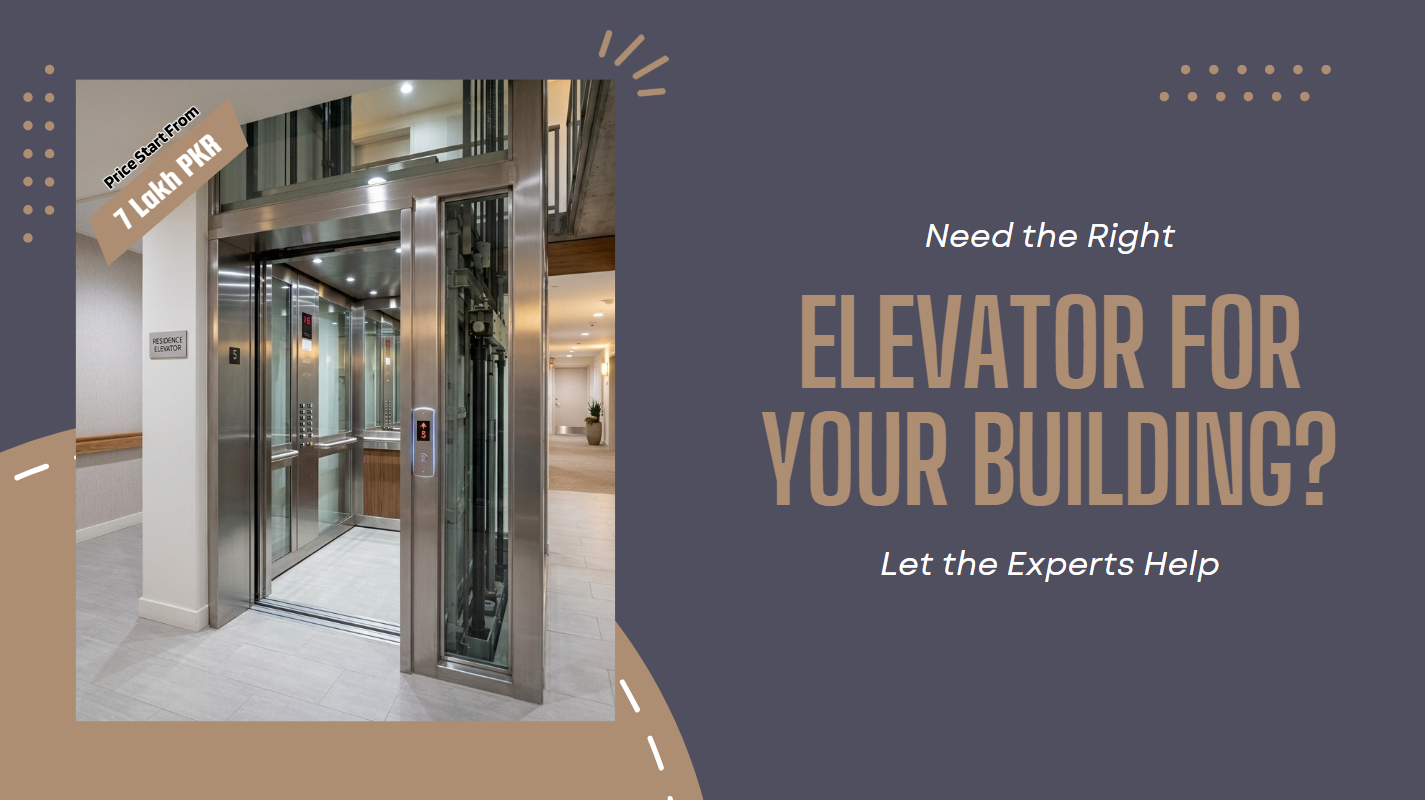
Selecting suitable vertical transportation equipment requires careful consideration of architectural dimensions, passenger requirements, and operational expectations. Every structure has different access demands depending on its purpose, available space, and number of floors. Choosing an Elevator for Your Building becomes easier when technical specifications are evaluated before purchasing decisions. Professional guidance helps property owners compare cabin dimensions, weight limits, driving mechanisms, and safety arrangements. Proper assessment also prevents unnecessary expenditure on unsuitable equipment. Experienced specialists can review construction drawings, identify appropriate configurations, and recommend practical arrangements. Careful planning supports dependable operation, comfortable journeys, and better long-term investment outcomes.
Strategic Property Locations in Pakistan for Reliable Vertical Transportation Planning

Different urban regions offer diverse opportunities for incorporating passenger transportation equipment into residential, commercial, and institutional developments. Major metropolitan centres in Pakistan continue experiencing changes in architectural planning, creating demand for accessible movement between multiple storeys. Housing communities, shopping destinations, medical facilities, and corporate premises require different arrangements according to their occupancy patterns. Suitable placement depends on structural dimensions, available shaft areas, entrance positioning, and expected passenger movement. Evaluating these conditions helps identify appropriate locations for elevator deployment. Property owners can benefit from reviewing construction layouts before purchasing equipment. Proper geographical assessment also supports practical project budgeting, accessibility planning, and dependable equipment placement.
Why Should Property Owners Prioritize Technical Advice When Selecting an Elevator for Your Building
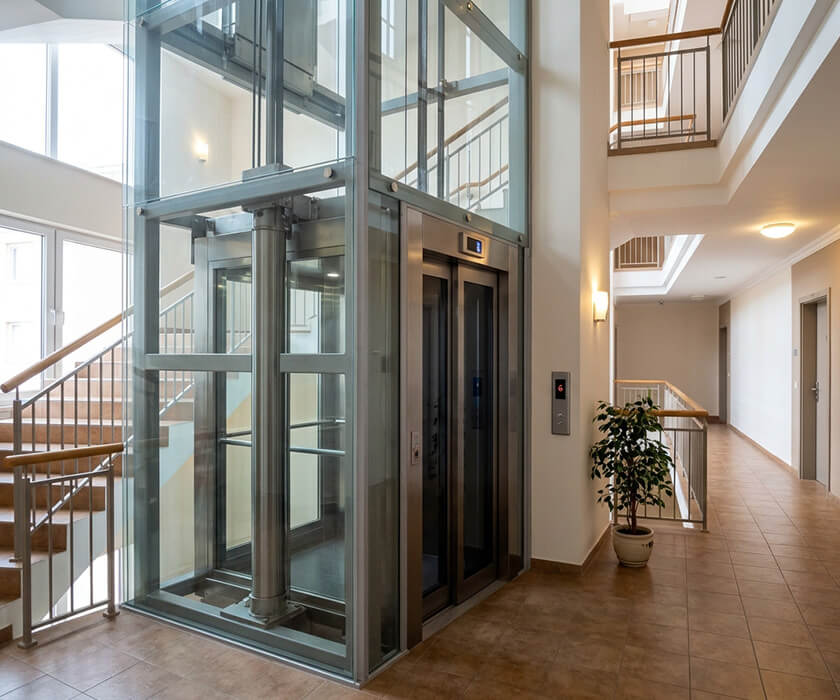
Professional technical advice helps property owners understand the engineering requirements involved in choosing suitable passenger transportation equipment. Different structures require careful assessment of cabin dimensions, weight distribution, motor performance, and available installation space. Selecting an Elevator for Your Building without reviewing these factors may create unnecessary expenses or operational difficulties. Experienced consultants can examine architectural drawings, calculate expected passenger demand, and evaluate suitable mechanical arrangements. Their recommendations help match equipment specifications with actual usage conditions. Technical assessments also identify possible structural limitations before procurement begins. Informed decisions contribute to passenger comfort, reliable operation, and better management of long-term ownership costs.
1- Greater Travel Comfort for Different Age Groups With Appropriately Rated Cabin Elevators
Passenger comfort plays an important role when selecting transportation equipment for residential or commercial environments. Proper cabin dimensions allow occupants to enter, exit, and travel between different storeys without unnecessary inconvenience. Appropriate weight ratings also help accommodate expected passenger numbers during regular operating hours. Families with children, elderly occupants, and individuals carrying personal belongings benefit from comfortable cabin arrangements. Correctly selected elevators provide sufficient interior clearance for routine journeys. Property owners should consider entrance width, handrail positioning, control panel accessibility, and cabin proportions before purchasing. These considerations contribute to convenient movement, improved accessibility, and a more comfortable experience for different age groups.
2- Accurate Load Distribution Across Floors Through Properly Assessed Lift Suspension Systems
Correct weight distribution is essential for maintaining stable movement during regular elevator operations. Suspension arrangements must be assessed according to cabin mass, passenger capacity, travel height, and mechanical specifications. Improper calculations can place unnecessary stress on supporting components and affect overall operating performance. Professional engineering assessments help determine appropriate counterweight arrangements, cable specifications, and load-bearing requirements. Property owners should review these technical details before finalizing equipment procurement. Properly evaluated suspension systems contribute to controlled movement between floors while supporting dependable mechanical performance. Accurate calculations also help reduce excessive component strain and maintain consistent transportation under expected occupancy conditions.
3- Reduced Equipment Wear During Routine Operations With Suitable Elevator Motor Capacity
Selecting appropriate motor capacity helps maintain dependable elevator performance during repeated daily journeys. Equipment that matches the expected passenger load can operate without unnecessary mechanical strain or excessive energy demand. Motor specifications should be reviewed according to travel height, cabin weight, operating frequency, and building occupancy. Professional assessment helps identify suitable drive arrangements for different transportation requirements. Property owners can benefit from comparing motor ratings before purchasing equipment. Correct capacity selection supports smoother acceleration, controlled stopping, and consistent operation. These considerations may also reduce unnecessary component deterioration, helping manage repair expenses while extending the useful operating life of mechanical assemblies.
Frequently Asked Questions:
Which factors determine the most suitable elevator for different building requirements?
Cabin dimensions, passenger capacity, floor count, shaft measurements, energy consumption, and safety arrangements help determine the appropriate configuration.
What emergency provisions should buyers check before purchasing passenger transportation equipment?
Review automatic rescue devices, backup power supply, door interlocks, emergency alarms, and passenger communication facilities before finalizing procurement.
How can customers obtain an estimated elevator quotation for their construction project?
Contact Verifyne Lift Consultancy at 0321 586 3975 to discuss technical requirements, site measurements, equipment specifications, and estimated project expenses.
Complete Financial Planning Reference for Identifying Suitable Lifting Equipment Within Available Budgets
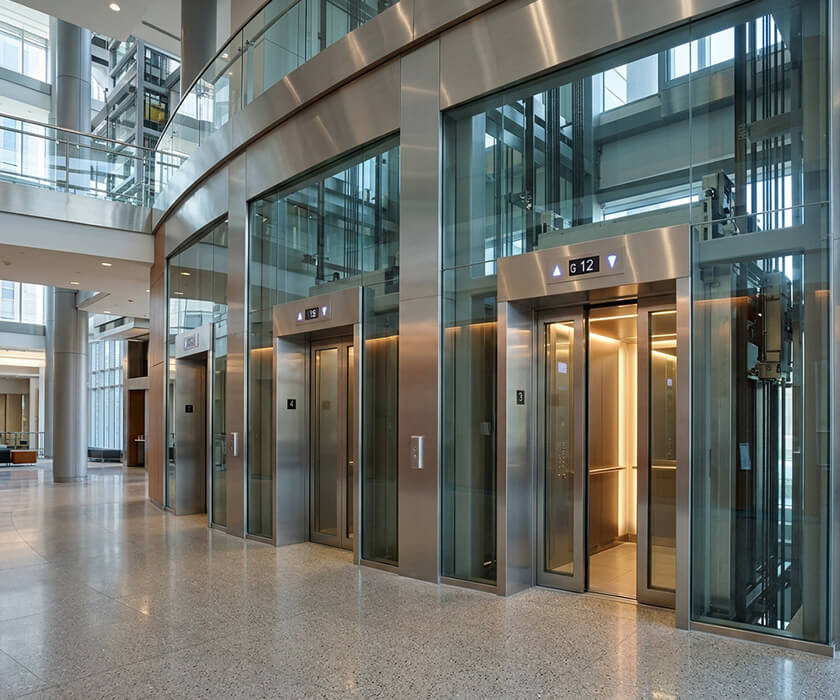
Purchasing passenger transportation equipment involves several financial considerations beyond the initial machinery price. Property owners should evaluate cabin dimensions, passenger capacity, travel distance, installation requirements, and the number of floors before preparing an investment plan. Different elevator configurations carry varying procurement expenses depending on their mechanical arrangements and intended applications. A detailed financial review helps compare available options while keeping project requirements within an affordable range. Professional consultation can clarify equipment specifications and identify additional structural expenses. Careful budgeting also supports better purchasing decisions, reduces unexpected expenditure, and helps establish realistic financial expectations before beginning an elevator project.
Cost Assessment for Compact Passenger Lifts in Limited-Space Building Structures
Compact passenger elevators are frequently considered for structures where available installation space requires careful architectural planning. Their purchasing cost depends on cabin dimensions, passenger accommodation, floor count, travel distance, and selected mechanical arrangements. Property owners should examine the available shaft area before requesting supplier quotations. A properly assessed cabin configuration can provide convenient access without unnecessarily affecting surrounding interior layouts. When comparing prices, buyers should also review door dimensions, control arrangements, safety equipment, and installation requirements. These details help establish a realistic investment estimate while identifying suitable equipment for smaller structures. The following figures provide an indicative starting point for financial planning.
Cabin Capacity: 4–6 Persons
Number of Floors: 2–4 Floors
Estimated Price: PKR 25–45 Lakh
Budget Projection for Hydraulic Elevators in Multi-Storey Residential Properties
Hydraulic passenger elevators offer an option for residential developments requiring suitable transportation across multiple levels. Their overall procurement expenses depend on rated load, travel height, cylinder arrangements, cabin dimensions, and installation conditions. Property owners should assess available machinery space and structural requirements before comparing supplier quotations. A detailed evaluation helps determine whether the proposed equipment matches the expected household occupancy. Additional considerations include landing arrangements, door configurations, electrical requirements, and necessary safety components. Reviewing these specifications provides a clearer understanding of the required investment. The following indicative figures can help establish an initial purchasing budget for residential applications.
Rated Load: 450–630 kg
Travel Height: 6–12 Metres
Estimated Price: PKR 30–55 Lakh
Financial Evaluation of Gearless Lift Systems for High-Traffic Commercial Premises
Gearless elevator arrangements are commonly evaluated for commercial environments where frequent passenger movement requires dependable transportation. Their procurement value depends on passenger accommodation, number of stops, travel distance, motor specifications, and operational requirements. Shopping centres, office complexes, and other busy establishments may require different cabin capacities according to daily occupancy. Buyers should compare equipment quotations alongside installation expenses, electrical arrangements, and structural preparation. A complete financial assessment helps determine whether the selected configuration matches anticipated traffic conditions. Reviewing these factors before procurement supports informed investment decisions and provides a practical starting point for estimating the overall project expenditure.
Passenger Capacity: 8–13 Persons
Number of Stops: 5–8 Stops
Estimated Price: PKR 55–95 Lakh
| Product | Passengers / Weight / Size | Category | Condition | Make | Estimated Cost (PKR) |
|---|---|---|---|---|---|
| Commercial passenger lift electric 630kg | 6-8 persons | Semi Imported | New | Turkey/China | 2,150,000 PKR |
| Imported FUJI lift 630kg | 6-8 persons | Fully Imported | New | China | 2,232,560 PKR |
| Panoramic passenger lift electric 630kg | 6-8 persons | Semi Imported | New | Turkey/China | 2,500,000 PKR |
| Home electric 200 kg (refurbished motor) | 2-3 persons | Semi Imported | Refurbished | Any | 1,150,000 PKR |
| Home electric 300 kg (new motor) | 4 persons | Semi Imported | New with Microprocessor VVVF | Turkey/China | 1,350,000 PKR |
| Home Hydraulic lift 250 kg | 2-4 persons | Semi Imported | New | Turkey/China | 700,000 PKR |
| Home Hydraulic lift 150 kg | 1 person | Semi Imported | New | Turkey/China | 650,000 PKR |
| Dumbwaiter Elevator Electric | 200–300 kg | Semi Imported | new | Turkey/China | 2,500,000 PKR |
|
Stair lift for straight stairs only 14 ft |
1 person |
Fully Imported |
new |
UK |
1,100,000 PKR |
|
Stair lift for straight stairs only 22ft |
1 person |
Fully Imported |
new |
UK |
1,250,000 PKR |
Important Engineering Considerations for Long-Term Passenger Elevator Transportation in Modern Structures
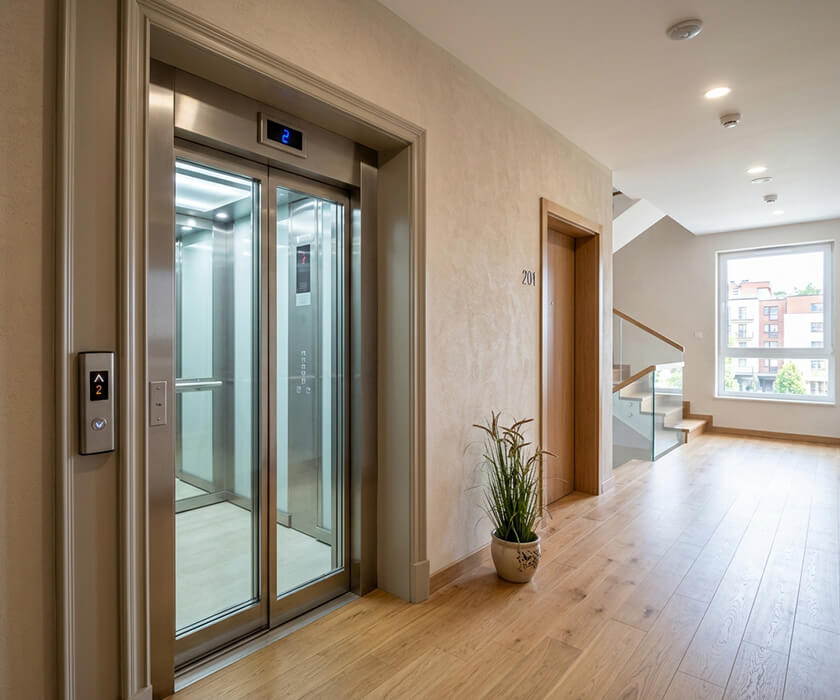
Engineering specifications influence how passenger transportation equipment performs throughout its operating life. Important considerations include cabin occupancy, emergency response arrangements, electrical consumption, and mechanical reliability. Property owners should evaluate these aspects before selecting equipment for residential or commercial applications. A suitable Elevator for Your Building should match expected passenger traffic while providing appropriate protection during unexpected operating interruptions. Technical reviews also help identify suitable motor ratings, control arrangements, and monitoring components. Understanding these requirements makes it easier to compare available equipment. Proper engineering assessment contributes to dependable journeys, controlled energy consumption, and improved operating consistency across multiple floors.
1- Balanced Passenger Movement Within Cabin Spaces for an Elevator for Your Building
Appropriate cabin occupancy plays an important role in maintaining comfortable passenger movement during daily transportation. Interior dimensions, permissible weight limits, and expected traffic levels should be evaluated before equipment selection. An Elevator for Your Building should accommodate its anticipated users without exceeding the manufacturer’s specified loading capacity. Proper weight monitoring helps maintain balanced operation while reducing unnecessary mechanical stress. Cabin layouts should also provide sufficient clearance for passengers entering or leaving the enclosure. Suitable arrangements improve convenience during busy periods and support dependable movement between different levels. Careful assessment of occupancy requirements contributes to safer journeys and consistent operating performance.
2- Automatic Rescue Mechanisms Providing Emergency Assistance During Elevator Faults
Emergency rescue arrangements are important when passenger transportation equipment experiences an unexpected electrical or mechanical interruption. Automatic rescue devices can help move a stopped cabin towards a suitable landing when supported by the system’s design and backup power supply. These mechanisms may also release door locks under controlled conditions to assist passenger evacuation. Property owners should review emergency communication units, backup batteries, door interlocks, and rescue procedures before purchasing equipment. Qualified specialists can assess whether the proposed arrangements meet the operational requirements of the installation. Appropriate emergency provisions help reduce passenger distress while supporting a more controlled response during unexpected equipment interruptions.
3- Lower Electricity Consumption Through Energy-Conscious Elevator Motor Operation
Electrical consumption is an important consideration when evaluating the long-term running expenses of passenger transportation equipment. Motor efficiency, drive controls, passenger demand, and daily operating frequency can influence overall power requirements. Modern control arrangements may adjust motor performance according to actual transportation needs, helping avoid unnecessary electricity consumption. Property owners should compare motor ratings, standby settings, and available energy-saving functions before finalizing procurement. Regenerative drive arrangements may also recover certain amounts of braking energy where supported by the system design. Selecting appropriately rated equipment helps manage recurring electricity expenses while maintaining comfortable journeys and dependable operation.
Verifyne Lift Consultancy Specialized Project Advisory Services for Better Elevator Investment Decisions
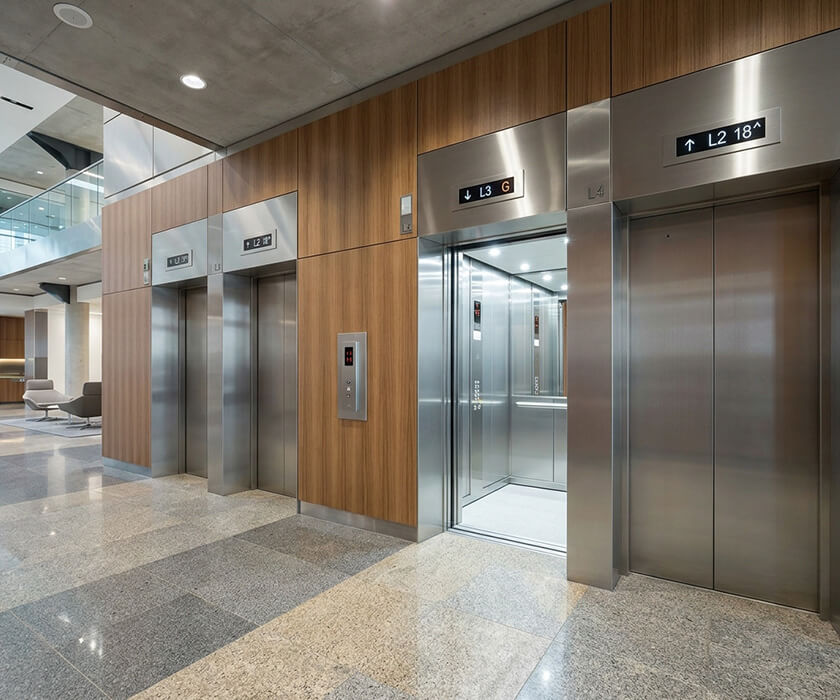
Professional advisory support helps property owners evaluate elevator requirements before procurement or project implementation begins. Proper planning involves reviewing architectural drawings, examining available installation areas, and identifying appropriate equipment specifications. Property owners can benefit from technical guidance when comparing transportation arrangements according to their construction requirements. Verifyne Lift Consultancy assists with site assessments, capacity evaluation, procurement coordination, and engineering documentation reviews. These activities establish clearer project expectations before purchasing decisions are finalized. Professional coordination also improves communication between relevant project stakeholders. Careful technical supervision contributes to informed equipment selection, practical budgeting, and organized project execution.
1- Site Readiness Evaluation for Selecting an Elevator for Your Building Requirements
A preliminary site assessment helps determine whether the available structure can accommodate the proposed elevator arrangement. Important considerations include shaft dimensions, overhead clearance, pit depth, machine space, electrical provisions, and landing access. An Elevator for Your Building should be selected after comparing these conditions with the manufacturer’s technical specifications. Verifyne Lift Consultancy can provide advisory guidance for reviewing architectural drawings and identifying potential structural limitations before procurement. This evaluation helps property owners understand the preparation required for their intended installation. Proper site verification also reduces the possibility of specification mismatches while supporting more organized planning throughout the project.
2- Budget Allocation Review for Appropriate Elevator Procurement Planning Procedures
Effective financial planning helps property owners understand the investment required for purchasing suitable transportation equipment. A detailed budget review considers machinery expenses, cabin specifications, structural preparation, electrical arrangements, and project-related requirements. Verifyne Lift Consultancy can assist with evaluating procurement considerations so buyers can compare available quotations against their technical expectations. Reviewing these details before final approval helps identify unnecessary expenditure and possible budget limitations. Consultants can also support coordination between suppliers, engineers, and relevant project representatives. A structured financial assessment encourages informed purchasing decisions while keeping the proposed equipment aligned with available funds and intended operating requirements.
3- Engineering Documentation Oversight for Reliable Lift Project Coordination Activities
Accurate engineering documentation supports organized communication throughout elevator procurement and implementation stages. Important records may include architectural drawings, equipment specifications, structural assessments, electrical requirements, and technical approval documents. Verifyne Lift Consultancy can provide advisory oversight to help project stakeholders review relevant information before proceeding with important decisions. Proper documentation also makes it easier to identify specification differences between proposed equipment and actual site conditions. Coordinated technical reviews help reduce misunderstandings during project execution. Maintaining clear engineering records supports accountability, organized communication, and better alignment between purchasing requirements, construction arrangements, and the intended elevator configuration.