Frequently Asked Questions:
Which Factors Matter When Selecting an Elevator Supplier for a Building?
Compare technical specifications, safety certifications, warranty coverage, spare-part availability, and relevant project experience before making a decision.
What Elevator Capacity Is Suitable for Houses, Offices, and Shopping Centers?
Private homes often need 250–400 kg systems, while offices and retail centers may require 630–1,600 kg units, depending on passenger traffic and building requirements.
How Much Does a New Elevator Cost in Pakistan in 2026?
Elevator prices depend on load capacity, floor count, cabin design, and site conditions. Contact 0321 586 3975 for a project-specific estimate.
This guide helps property owners, builders, architects, and business managers compare elevator suppliers in Pakistan for projects planned in 2026. It explains important purchasing factors, including equipment quality, passenger capacity, technical specifications, pricing, and supplier experience. Readers can explore leading companies such as Access Technologies, Schindler Pakistan Limited, and Otis Elevator Company to understand their market options. The article also reviews common elevator costs for houses, offices, and shopping centers. By considering project requirements alongside available budgets, buyers can make informed decisions. The Elevator Company Is Best in Pakistan reflects a common search intent among customers researching suitable providers. Professional planning guidance can further simplify supplier evaluation and equipment selection.
Major Cities Across Pakistan for Choosing Reputable Elevator Suppliers
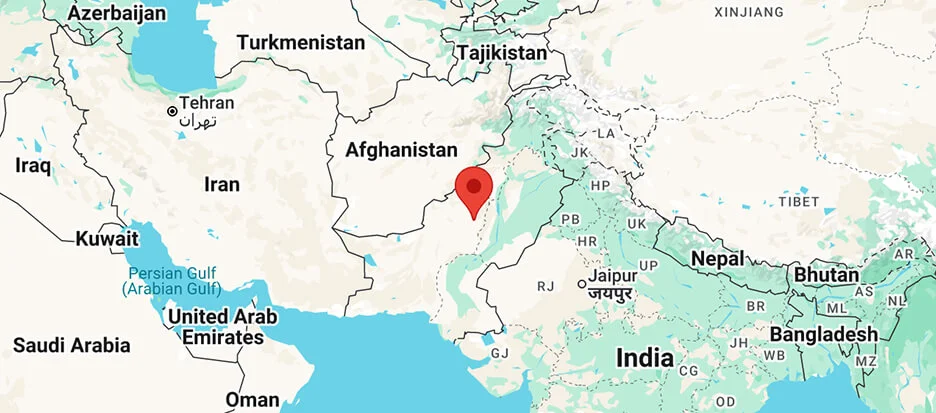
Major cities offer varied opportunities for purchasing elevators for residential, commercial, and industrial developments. Locations such as Karachi, Lahore, Islamabad, Rawalpindi, Faisalabad, and Multan have distinct construction needs that influence equipment selection. Buyers should assess supplier experience, product availability, technical consultation, and service coverage before requesting quotations. When researching which Elevator Company Is Best in Pakistan, customers should consider building specifications, project budgets, and each provider’s documented experience. Comparing multiple quotations can help identify suitable options for different property types. Customers should also review warranty conditions, safety documentation, and the availability of genuine replacement components. Careful research makes it easier to select an appropriate supplier for a planned development.
Leading Elevator Companies in Pakistan for 2026 Based on Quality, Expertise and Project Guidance
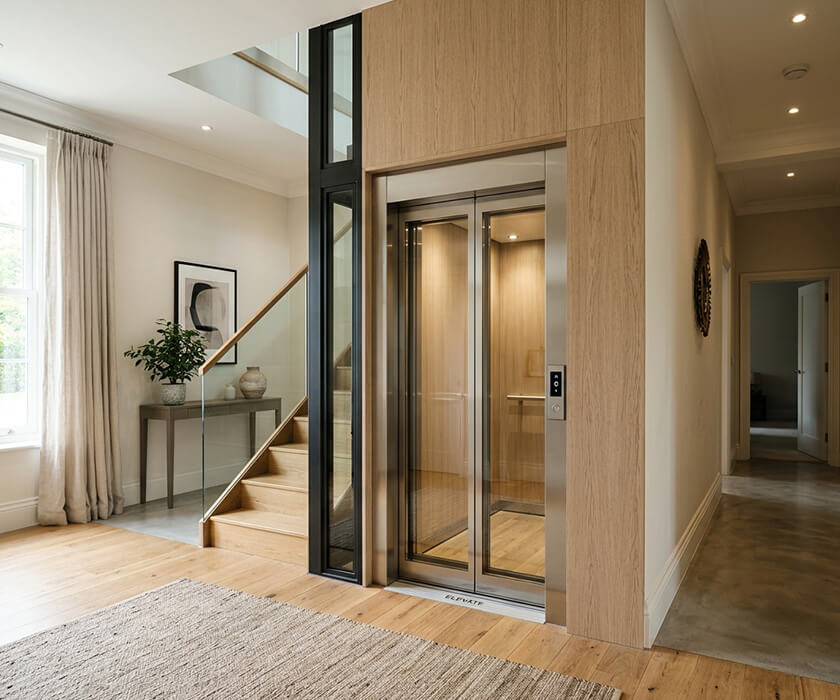
Selecting an elevator provider requires more than comparing advertised prices or brand recognition. Buyers should evaluate technical capabilities, relevant project experience, equipment specifications, and the suitability of available models for their buildings. This comparison introduces Access Technologies, Schindler Pakistan Limited, and Otis Elevator Company as options to research when planning a new installation. Each supplier should be assessed according to its verified local presence, project portfolio, contractual terms, and support arrangements. Customers researching which Elevator Company Is Best in Pakistan should also confirm product availability and obtain written quotations for their specific requirements. Comparing these factors helps clarify the differences between available providers. The final selection should reflect the building’s intended use, budget, and long-term operating needs.
1- Access Technologies
Access Technologies is an option for Pakistani customers researching elevator systems for residential and commercial developments. Buyers can discuss their building layout, required passenger capacity, number of floors, and preferred equipment specifications when seeking a project quotation. Evaluating these details helps determine whether a proposed system matches the property’s practical requirements. Customers should request written information about available models, manufacturing or sourcing arrangements, installation scope, warranty coverage, and after-sales support. Those considering which Elevator Company Is Best in Pakistan can compare Access Technologies with other suppliers using the same assessment criteria. Clear documentation also helps establish project responsibilities and expected costs. A detailed consultation before procurement can reduce uncertainty during the equipment selection process.
2- Schindler Pakistan Limited
Schindler is an internationally established elevator and escalator brand that buyers may consider when comparing equipment options for multi-storey buildings. Its suitability for a particular Pakistani project should be evaluated through verified local supply arrangements, available product specifications, and the scope of support offered. Property developers can review passenger capacity, travel speed, control systems, energy requirements, and warranty conditions before requesting a proposal. A consistent comparison framework makes it easier to assess different providers fairly. Customers should also confirm the availability of technical assistance and replacement parts for the selected model. These checks help establish whether a proposed system meets the building’s operational requirements. Final decisions should be based on documented quotations and project-specific assessments.
3- Otis Elevator Company
Otis Elevator Company is another established international brand to consider when researching elevator options for commercial and residential developments. Before choosing a system, buyers should confirm the applicable product range, local supply arrangements, technical specifications, and contractual support available for their project in Pakistan. Important considerations include rated load, number of stops, travel speed, cabin dimensions, and building compatibility. Comparing these details against competing proposals helps property owners understand the practical differences between available options. Customers should request clear pricing information covering equipment, installation, testing, and applicable additional charges. Warranty terms and replacement-part availability also deserve careful review. A documented evaluation provides a stronger basis for selecting equipment that suits the building’s intended use.
Why Should Buyers Compare Leading Lift Providers to Determine Which Elevator Company Is Best in Pakistan
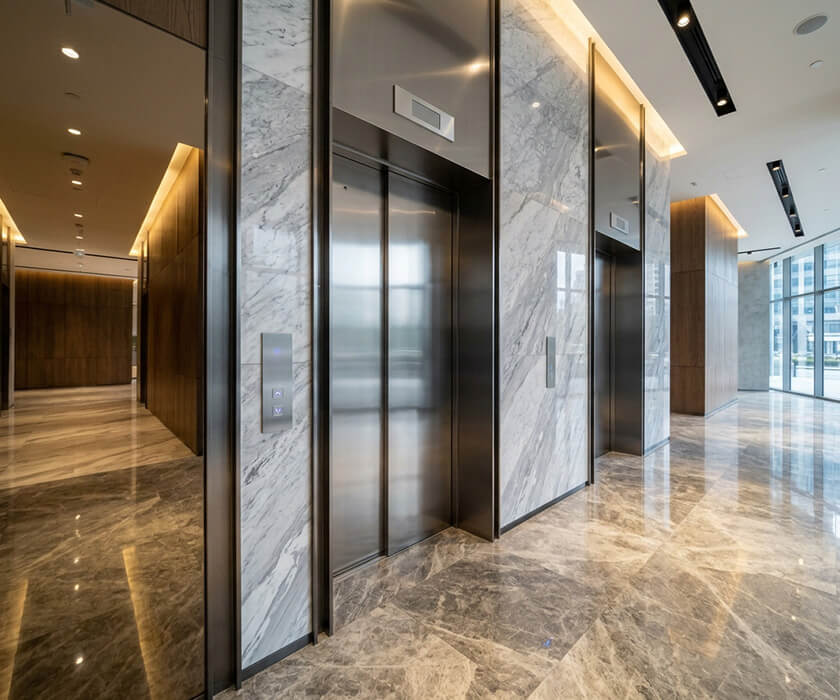
Comparing lift providers helps customers understand how equipment specifications, project costs, and contractual conditions differ between suppliers. An advertised price alone cannot establish whether a system is suitable for a particular building or its expected passenger traffic. Buyers should examine installation quotations, rated load, floor coverage, component quality, and the availability of technical support. When determining which Elevator Company Is Best in Pakistan, customers can use these factors to make a more informed comparison. Reviewing multiple proposals may also reveal differences in included equipment, warranty periods, and project timelines. Clear documentation helps reduce misunderstandings during procurement. A structured assessment supports purchasing decisions that reflect both immediate requirements and future operating needs.
1- Accurate Lift Installation Quotes for Better Project Cost Planning
Obtaining a detailed lift quotation helps property owners establish a realistic budget before committing to an elevator project. The estimate should identify equipment costs, installation charges, control systems, cabin specifications, testing, and any additional civil work required at the site. Buyers should clarify whether taxes, transportation, electrical preparation, and other expenses are included in the quoted amount. Comparing itemized proposals makes it easier to understand differences between suppliers. Customers researching which Elevator Company Is Best in Pakistan should request written estimates based on identical project specifications. This approach supports a fair evaluation of the total investment rather than the initial price alone. Confirming exclusions and payment terms can also help prevent unexpected expenses during project execution.
2- Suitable Elevator Capacity for Daily Passenger Traffic Requirements
Choosing the correct elevator capacity helps buildings accommodate their expected passenger movement without unnecessary expenditure on oversized equipment. Residential houses may require smaller cabins, while offices and shopping centers often need greater load ratings to manage concentrated periods of use. Buyers should consider passenger numbers, building occupancy, floor count, peak traffic, and the frequency of journeys. A qualified technical assessment can help establish suitable capacity and travel speed for the intended application. Customers should compare rated loads in kilograms and confirm the manufacturer’s recommended passenger limit. Selecting equipment according to actual demand can support practical operation and effective space planning. The final specification should also account for applicable safety requirements and the building’s available shaft dimensions.
3- Genuine Lift Spare Parts for Easier Replacement Arrangements
Access to genuine lift spare parts can help property owners plan component replacement and maintain equipment compatibility throughout the elevator’s operating life. Before purchasing a system, customers should ask about the availability of controllers, sensors, door components, drive parts, and other model-specific items. It is also useful to clarify expected procurement times, replacement procedures, and warranty conditions. Suppliers should provide documentation identifying the equipment and its compatible components. Buyers can compare these arrangements alongside the initial purchase price to understand potential ownership costs. Reliable parts sourcing may reduce delays when components require replacement. Confirming support arrangements before signing a contract helps customers make informed decisions about long-term equipment requirements.
Detailed Cost Evaluation of Elevator Suppliers for Diverse Property Development Requirements
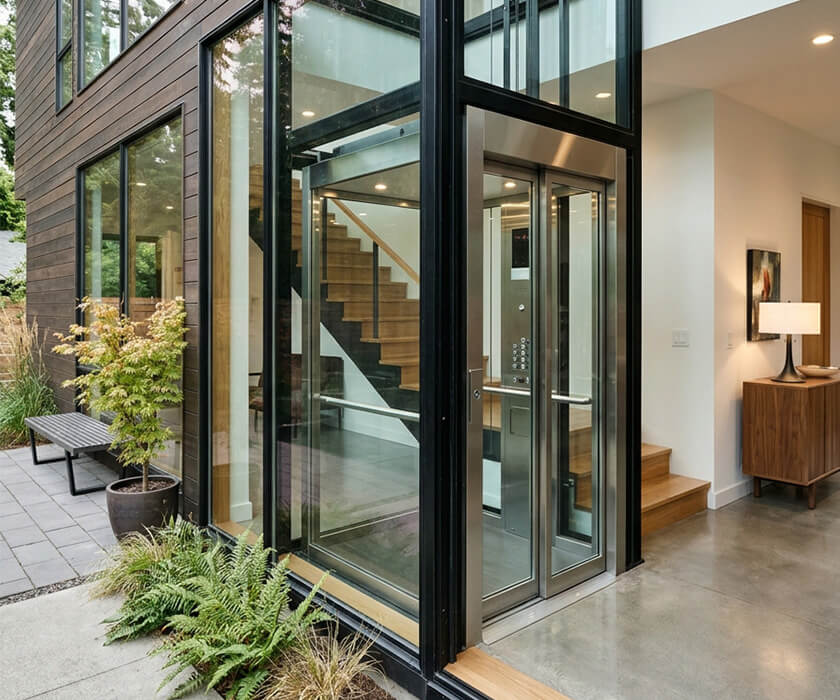
Elevator prices in Pakistan vary according to rated load, travel distance, number of floors, cabin design, drive mechanism, and equipment specifications. Civil preparation, electrical work, imported components, taxes, and installation requirements may also affect the final quotation. A cost evaluation should therefore compare the complete project scope rather than relying on a general market estimate. Customers researching which Elevator Company Is Best in Pakistan can request itemized quotations from shortlisted providers to assess the overall investment. The examples below offer indicative budgeting ranges for three common building categories. Actual prices may differ considerably according to supplier terms and site conditions. Buyers should confirm all figures directly before approving a purchase.
Price Estimate for Compact Elevators in Independent Family Homes
Compact elevators can provide convenient movement between floors in independent houses where residents want to improve internal circulation. The overall cost depends on cabin dimensions, rated load, the number of stops, drive technology, entrance configuration, and the amount of structural preparation required. Smaller systems may suit properties with limited shaft space, although site measurements are essential before selecting a model. Buyers should compare equipment specifications, warranty coverage, and the scope of installation included in each quotation. The following figures offer a preliminary budgeting guide for a typical residential project. Final prices may vary with imported components, finishing choices, and construction conditions. A site assessment can help establish a more accurate project estimate.
Maximum Load Capacity: 250–400 kg
Number of Floors Served: 2–4
Estimated Price (PKR): PKR 1,800,000–3,500,000
Procurement Budget for Passenger Lifts in Mid-Sized Office Buildings
Passenger lifts in mid-sized office buildings should accommodate routine employee movement while supporting the property’s daily operating requirements. Budget planning depends on rated load, travel speed, floor count, door configuration, control equipment, and the expected number of passengers during peak periods. Additional costs may arise from shaft preparation, electrical connections, building modifications, and selected cabin finishes. Buyers should request quotations that distinguish equipment supply from installation and related construction expenses. The following range provides an indicative starting point for procurement discussions rather than a fixed market price. Comparing several proposals against the same specifications can improve cost transparency. A technical review should confirm that the selected system meets the building’s anticipated traffic requirements.
Maximum Load Capacity: 630–1,000 kg
Number of Floors Served: 4–8
Estimated Price (PKR): PKR 3,000,000–6,000,000
Cost Projection for Heavy-Duty Elevators in Busy Shopping Centers
Shopping centers may require higher-capacity elevators to accommodate substantial visitor movement, retail staff, and routine operational traffic. Pricing depends on the rated load, floor coverage, travel speed, cabin dimensions, door width, control configuration, and anticipated demand throughout the day. Projects with multiple stops or complex building layouts may require additional engineering coordination and site preparation. Customers should also consider the cost of testing, safety components, electrical infrastructure, and selected interior finishes. The figures below provide a preliminary estimate for budgeting a higher-capacity passenger elevator. Actual costs will depend on the selected equipment and project conditions. A supplier’s detailed proposal should clarify the complete scope and any exclusions.
Maximum Load Capacity: 1,000–1,600 kg
Number of Floors Served: 4–8
Estimated Price (PKR): PKR 4,500,000–10,000,000
| Product | Passengers / Weight / Size | Category | Condition | Make | Estimated Cost (PKR) |
|---|---|---|---|---|---|
| Commercial passenger lift electric 630kg | 6-8 persons | Semi Imported | New | Turkey/China | 2,150,000 PKR |
| Imported FUJI lift 630kg | 6-8 persons | Fully Imported | New | China | 2,232,560 PKR |
| Panoramic passenger lift electric 630kg | 6-8 persons | Semi Imported | New | Turkey/China | 2,500,000 PKR |
| Home electric 200 kg (refurbished motor) | 2-3 persons | Semi Imported | Refurbished | Any | 1,150,000 PKR |
| Home electric 300 kg (new motor) | 4 persons | Semi Imported | New with Microprocessor VVVF | Turkey/China | 1,350,000 PKR |
| Home Hydraulic lift 250 kg | 2-4 persons | Semi Imported | New | Turkey/China | 700,000 PKR |
| Home Hydraulic lift 150 kg | 1 person | Semi Imported | New | Turkey/China | 650,000 PKR |
| Dumbwaiter Elevator Electric | 200–300 kg | Semi Imported | new | Turkey/China | 2,500,000 PKR |
|
Stair lift for straight stairs only 14 ft |
1 person |
Fully Imported |
new |
UK |
1,100,000 PKR |
|
Stair lift for straight stairs only 22ft |
1 person |
Fully Imported |
new |
UK |
1,250,000 PKR |
Advanced Elevator System Design Standards for Performance Within Multi-Storey Building Environments
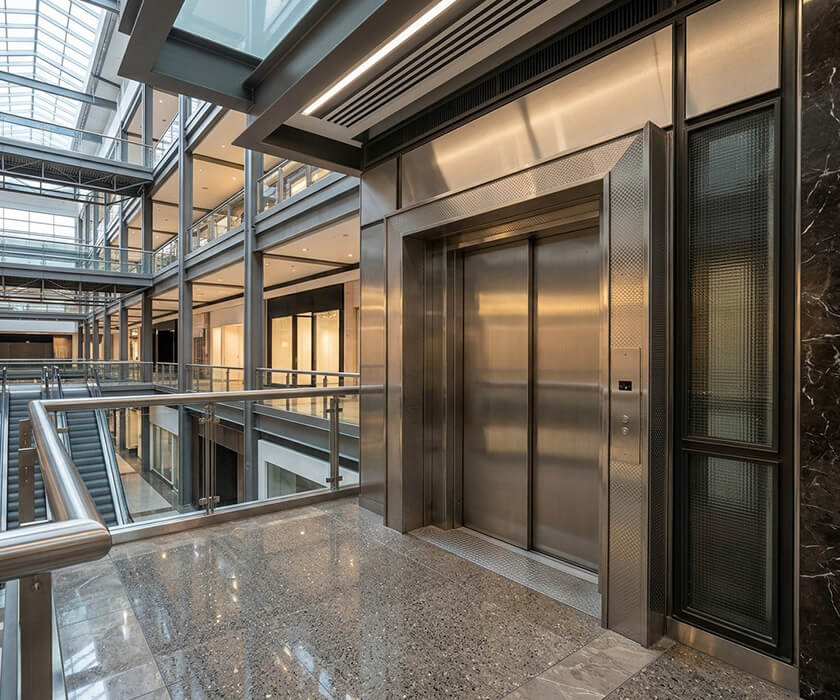
Elevator design standards influence how equipment performs within buildings with different heights, passenger demands, and operational requirements. Buyers should examine mechanical components, control systems, safety mechanisms, and monitoring capabilities before approving a proposed configuration. These elements can affect travel performance, operating consistency, maintenance planning, and the overall suitability of a system. A technical comparison can help customers understand which Elevator Company Is Best in Pakistan for their particular development. Specifications should be checked against the building layout, expected occupancy, and applicable safety requirements. Clear documentation also supports coordination between suppliers, architects, and project managers. Evaluating design standards before procurement helps establish realistic expectations for system performance.
1- Hardware Quality Helping Buyers Identify Which Elevator Company Is Best in Pakistan
Elevator hardware quality can influence operating performance, component durability, and the frequency of replacement requirements over time. Buyers should review the specifications of guide rails, door mechanisms, drive components, controllers, safety devices, and cabin materials. Manufacturer documentation and applicable conformity records can help verify whether proposed components meet the project’s requirements. Customers comparing suppliers should also clarify the origin of critical parts and the availability of compatible replacements. This information provides a more useful basis for evaluating equipment than promotional claims alone. Understanding component specifications can help determine which Elevator Company Is Best in Pakistan for a particular building and budget. Final approval should depend on verified documentation, technical suitability, and applicable safety standards.
2- Automatic Floor Routing Reducing Lift Congestion During High Passenger Demand Periods
Automatic floor routing helps elevator control systems manage calls and coordinate journeys between different levels. Depending on the configuration, the controller may group compatible requests or assign arriving cars to improve passenger movement during busy periods. This functionality can be particularly useful in office buildings, shopping centers, and other properties with concentrated travel demand. Buyers should ask suppliers how the proposed control system responds to peak traffic and whether advanced dispatch functions are included. Performance depends on the number of lifts, passenger patterns, building layout, and selected control technology. Reviewing these details helps customers understand the practical benefits of the proposed arrangement. A traffic assessment can establish whether basic or more advanced routing is appropriate for the building.
3- Remote Monitoring Enabling Early Detection of Lift Faults Before Unexpected Shutdowns
Remote monitoring systems can collect equipment information and report selected operating conditions to support fault investigation. Depending on the installed configuration, alerts may identify abnormal readings, recurring errors, or components that require technical inspection. Such information can help authorized personnel plan diagnostic work before a minor issue develops into a more disruptive failure. Buyers should confirm which monitoring functions are included, whether connectivity is required, and who can access the collected data. It is also important to understand any subscription fees and the supplier’s response arrangements. Monitoring cannot guarantee that every fault will be detected or prevent all shutdowns. However, a suitable system can improve visibility into equipment status and support informed maintenance planning.
Verifyne Lift Consultancy for Technical Assessment of Elevator Proposals Before Procurement
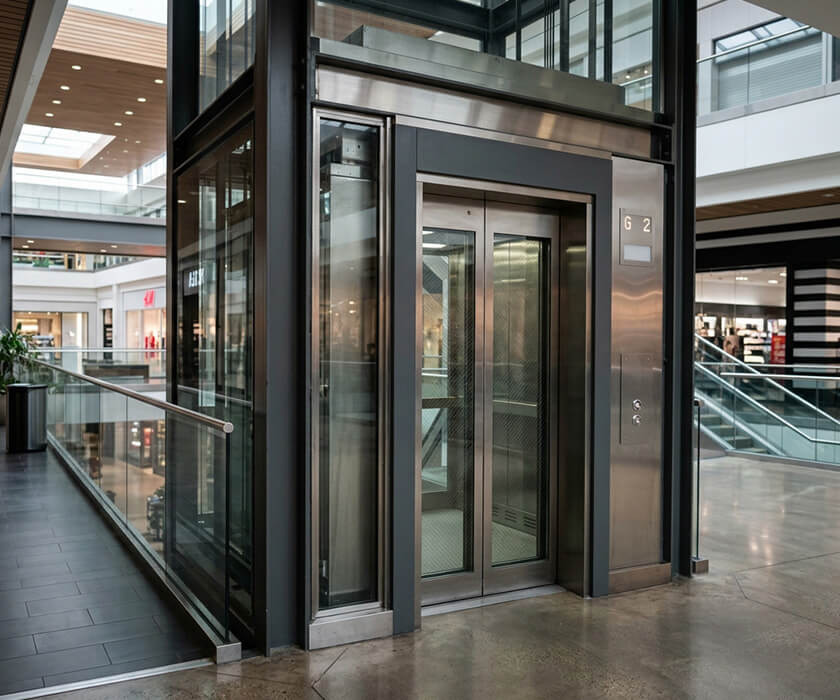
Elevator procurement benefits from structured project planning, technical evaluation, and supplier comparison before equipment is selected. Property owners should assess building layouts, intended usage, passenger demand, budget limitations, and relevant engineering requirements. In the middle of this process, Verifyne Lift Consultancy helps organize project assessments, compare supplier credentials, and review equipment specifications. When evaluating which Elevator Company Is Best in Pakistan, customers can apply consistent criteria to examine technical proposals, pricing details, and contractual terms. This approach helps identify suitable options while highlighting requirements that need further clarification. Careful coordination among project stakeholders can also support informed purchasing decisions. Final selections should rely on verified supplier information and the specific needs of each building.
1- Quality Benchmark Analysis to Assess Which Elevator Company Is Best in Pakistan
A quality benchmark analysis provides a structured method for comparing elevator suppliers against consistent technical and commercial criteria. The assessment can cover component specifications, relevant project experience, safety documentation, warranty provisions, product availability, and contractual responsibilities. Clients should request verifiable evidence for supplier claims instead of relying solely on advertisements or brand recognition. Comparing equivalent proposals also helps reveal differences in equipment scope and included services. Through this evaluation, Verifyne Lift Consultancy can guide clients in organizing supplier information and identifying questions that need clarification before procurement. The findings can support a more transparent decision-making process. The final recommendation should reflect the building’s requirements, the available evidence, and the customer’s budget priorities.
2- Structural Compatibility Checks for Appropriate Lift Placement Requirements
Structural compatibility checks help establish whether a proposed elevator arrangement can fit the building’s available space and construction conditions. Important considerations include shaft dimensions, pit depth, overhead clearance, entrance positioning, load-bearing requirements, and access to electrical infrastructure. Existing buildings may require additional assessment because their layouts can restrict the placement of certain equipment configurations. Early coordination with qualified building professionals helps identify potential constraints before procurement begins. A technical review can also clarify whether modifications may be required and how these could affect the project budget. Accurate measurements reduce the risk of selecting unsuitable equipment. Final structural decisions should be confirmed by the relevant qualified professionals using site-specific information and applicable building requirements.
3- Financial Forecasting Methods for Accurate Elevator Cost Planning Decisions
Financial forecasting helps clients estimate the overall investment associated with elevator procurement and project implementation. Alongside the initial equipment price, a budget may need to account for structural preparation, electrical work, transportation, taxes, testing, and selected finishing options. Buyers should also review warranty coverage, expected operating expenses, and the potential cost of replacement components. Comparing itemized quotations makes it easier to identify exclusions and understand differences between supplier proposals. Verifyne Lift Consultancy can support this process by helping organize project requirements and evaluate the financial implications of available options. A clearly defined budget provides a stronger foundation for procurement decisions. Final figures should be confirmed through written quotations and a site-specific technical assessment.