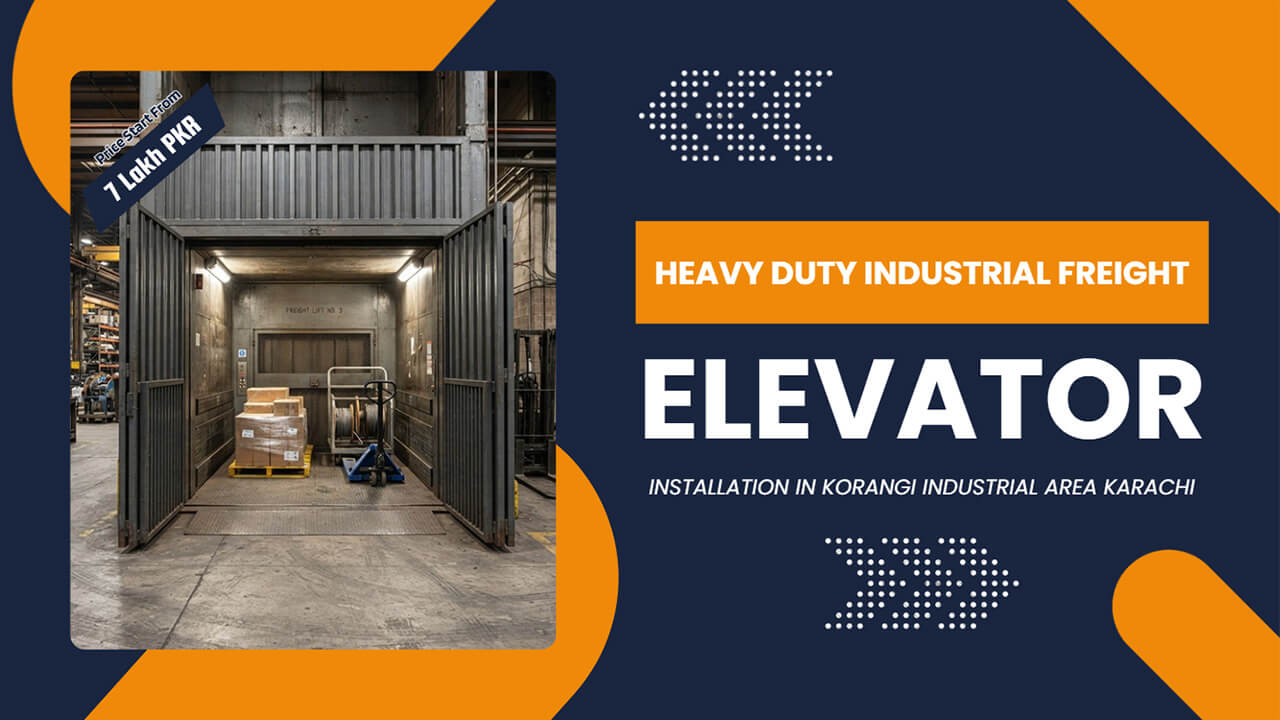
Heavy duty freight elevators help factories move raw materials, finished stock, machinery parts, and packed goods between different levels. These systems reduce manual handling while improving movement across busy loading areas. In the middle of project planning, Industrial Freight Elevator Installation can be tailored around building height, load requirements, shaft dimensions, and daily traffic. Proper capacity selection also helps prevent delays during repeated lifting cycles. Strong doors, reliable controls, and suitable cabin dimensions support safer material transfers. Careful planning keeps loading activities organized during demanding production schedules. As a result, businesses can achieve dependable vertical movement across busy warehouse and manufacturing environments.
Warehouse Districts in Korangi Karachi Suitable for Large Goods Handling Systems

Large warehouses require dependable vertical movement when storage areas, loading bays, and working floors operate at different levels. Heavy goods handling systems help reduce physical effort during frequent stock transfers throughout the day. Their capacity can be selected according to pallet sizes, material weights, and expected usage levels. In suitable facilities, Industrial Freight Elevator Installation can improve the movement of bulky supplies without disrupting routine warehouse activities in Korangi Karachi. Proper shaft planning also allows equipment to fit within existing structural conditions. Safety controls further support secure loading, unloading, and travel between floors. These considerations make such systems practical for demanding storage and distribution environments.
Why Industrial Freight Elevator Installation Helps Manage Repeated Heavy Loads With Greater Operational Control
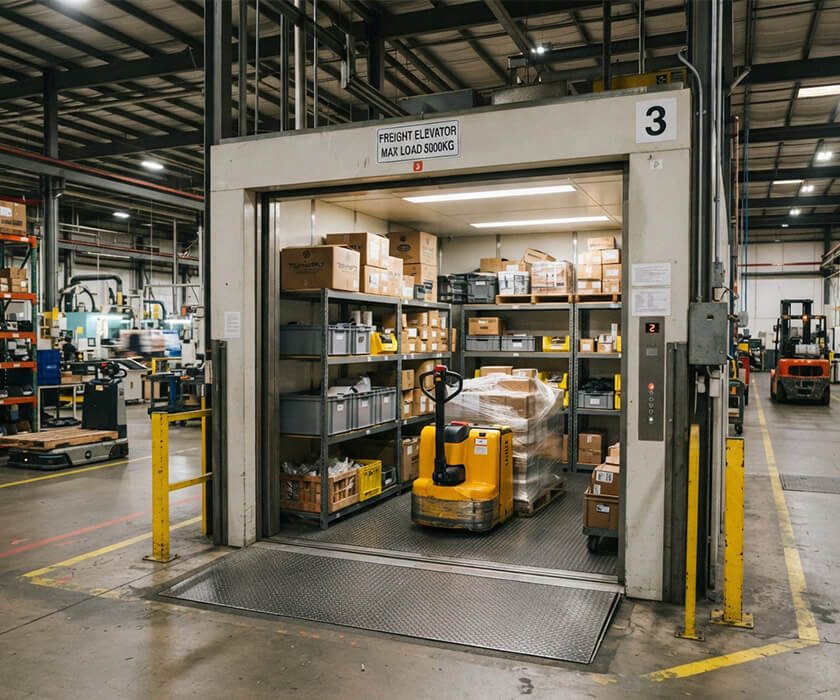
Repeated movement of heavy materials can create delays when workers depend on manual lifting or unsuitable vertical access. A dedicated freight elevator provides controlled movement between loading points, storage areas, and production levels. The right Industrial Freight Elevator Installation also matches capacity, travel distance, traffic patterns, and structural requirements. This approach helps businesses maintain smoother workflows during busy operating periods. Proper controls can reduce unnecessary handling while improving consistency across repeated lifting cycles. Durable components further support dependable performance under demanding working conditions. Consequently, facilities can manage heavy loads with greater safety, organization, and operational control.
1- Transferring Manufacturing Supplies During Busy Shifts With Hydraulic Elevators
Manufacturing facilities often move raw materials and packaged supplies between different working levels during active shifts. Hydraulic elevators can provide controlled vertical movement where suitable travel heights and loading requirements exist. Their lifting arrangement can accommodate substantial weights while supporting regular movement between designated areas. For projects requiring Industrial Freight Elevator Installation, hydraulic equipment can be assessed according to floor height, shaft conditions, and expected loading frequency. Proper sizing helps maintain smooth transfers without placing unnecessary strain on the equipment. Reliable door operation also supports safer loading and unloading procedures. This makes hydraulic arrangements useful where heavy supplies need consistent movement throughout daily operations.
2- Linking Storage Points With Production Areas Through Traction Freight Lifts
Traction freight lifts can connect storage zones with production floors where materials need frequent vertical movement. Their configuration allows businesses to organize stock transfers between separate operational levels. Suitable capacity selection helps accommodate different material weights while maintaining dependable travel performance. During Industrial Freight Elevator Installation, traction equipment can be planned around building height, traffic volume, and available shaft dimensions. Proper controls can also help operators manage repeated journeys with greater consistency. Durable components support regular usage across demanding work schedules. This arrangement can therefore improve the flow of supplies between storage and production areas.
3- Handling Routine Dispatch Requirements Using Machine Roomless Cargo Elevators
Machine roomless cargo elevators can suit facilities where available equipment space requires careful planning. Their arrangement can reduce the need for a separate machinery area while maintaining practical vertical access. These elevators can support routine dispatch activities involving packaged goods, supplies, and other heavy materials. Industrial Freight Elevator Installation can be coordinated with shaft dimensions, floor access points, load requirements, and available building space. Proper capacity selection helps maintain stable movement during repeated dispatch cycles. Door controls and operational safeguards further support organized loading procedures. This makes machine roomless arrangements suitable for facilities seeking practical use of limited installation space.
Frequently Asked Questions:
What load capacity is suitable for an industrial freight elevator?
Capacity depends on the heaviest materials, pallet sizes, handling frequency, and travel requirements; common projects range from 1,000 kg to several tonnes.
Which freight lift is best for factories and warehouses?
Hydraulic, traction, or MRL models can suit different buildings based on floor height, available space, load rating, and daily usage.
How much does an industrial freight elevator cost in Pakistan?
Pricing varies by capacity, travel height, stops, cabin size, and site conditions; call 0321 586 3975 for a project-specific estimate.
Detailed High Capacity Freight Elevator Pricing Guide for Commercial Material Handling Operations
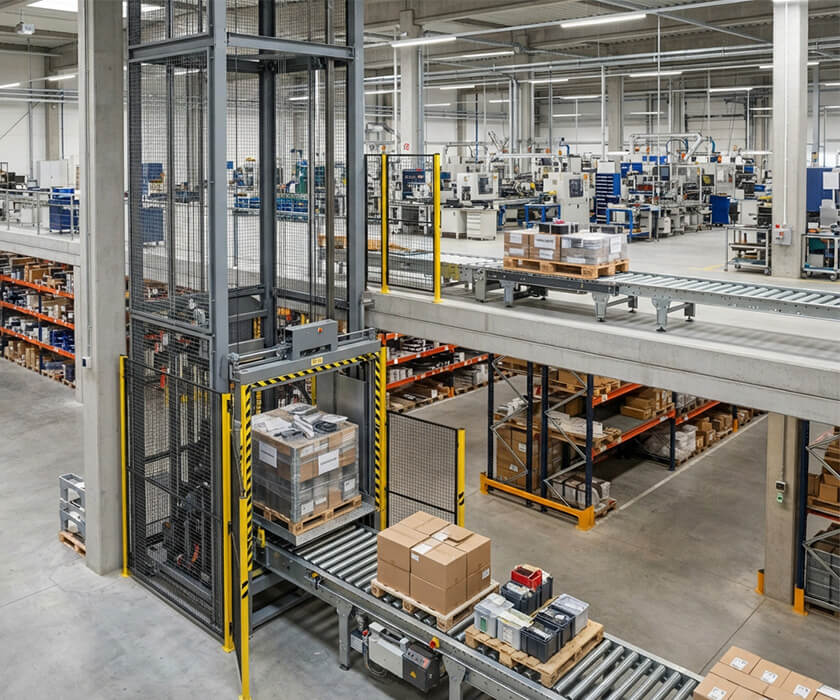
Freight elevator pricing depends on several factors, including load capacity, travel height, equipment type, shaft conditions, and site requirements. Hydraulic, traction, and machine roomless arrangements can each involve different equipment and structural costs. The overall budget also changes according to floor access, cabin dimensions, safety components, and control systems. For Industrial Freight Elevator Installation, a detailed assessment helps identify the equipment configuration required for the intended workload. Material handling frequency can also influence the suitable capacity and system selection. Installation conditions may further affect the final project estimate. Reviewing these factors allows commercial facilities to prepare a more realistic budget before proceeding.
Financial Planning for Hydraulic Lifting Systems in Loading Departments
Hydraulic lifting systems can provide a practical option for loading departments that handle substantial materials across moderate travel heights. Their cost depends on lifting capacity, vertical travel, shaft preparation, cabin specifications, and control requirements. A suitable configuration should match the weight and frequency of the goods being moved. Industrial Freight Elevator Installation planning can help determine whether hydraulic equipment fits the building structure and operating pattern. Proper budgeting should also consider doors, safety controls, landing arrangements, and commissioning requirements. These details can influence the overall investment beyond the main lifting equipment. A preliminary estimate therefore gives businesses a clearer starting point for project budgeting.
Load Capacity: 2,000 kg
Lift Travel: 3 Stops / 30 ft
Estimated Price: PKR 3,500,000–5,000,000
Purchase Considerations for Traction Goods Elevators Serving Production Floors
Traction goods elevators can suit production floors where materials require regular vertical movement between several levels. Their purchase cost varies according to capacity, travel distance, cabin dimensions, drive arrangement, and site conditions. Businesses should first assess the average load weight and expected number of daily trips. For Industrial Freight Elevator Installation, these factors help determine an appropriate traction configuration for the intended workload. Additional expenses may include shaft preparation, landing doors, control panels, safety equipment, and commissioning. Careful comparison of these requirements can prevent unsuitable equipment selection. A realistic budget should therefore account for both elevator specifications and project conditions.
Load Capacity: 2,500 kg
Lift Travel: 5 Stops / 50 ft
Estimated Price: PKR 4,500,000–6,500,000
Capital Requirement for MRL Lifts Where Equipment Space Remains Limited
MRL lifts can be considered where a facility has limited space for separate machinery arrangements. Their compact configuration can help businesses plan vertical freight movement around existing structural restrictions. Project costs depend on load capacity, travel height, cabin size, shaft dimensions, and required safety equipment. Industrial Freight Elevator Installation should also account for access points and available overhead space before equipment selection. Proper planning can help reduce complications during construction or system integration. Businesses should include testing, commissioning, and related site preparation within the initial budget. This approach supports more accurate capital planning for restricted equipment locations.
Load Capacity: 2,000 kg
Lift Travel: 4 Stops / 40 ft
Estimated Price: PKR 4,000,000–6,000,000
| Lift Category | Estimated Cost (PKR) |
|---|---|
| Hydraulic Cargo Lift | 1,500,000 – 2,500,000 PKR |
| Traction Cargo Lift | 3,500,000 – 5,000,000 PKR |
| Chain-Driven Cargo Lift | 2,000,000+ PKR |
| Heavy Duty Cargo Lift | 5,000,000+ PKR |
| Platform Cargo Lift | 2,000,000 – 4,000,000 PKR |
| Industrial / Warehouse Cargo Lift | 1,500,000 – 6,000,000+ PKR |
| Custom Built Cargo Lift | 5,000,000 – 25,000,000 PKR |
Technical Attributes Supporting Stable Freight Transportation Across High Usage Industrial Properties
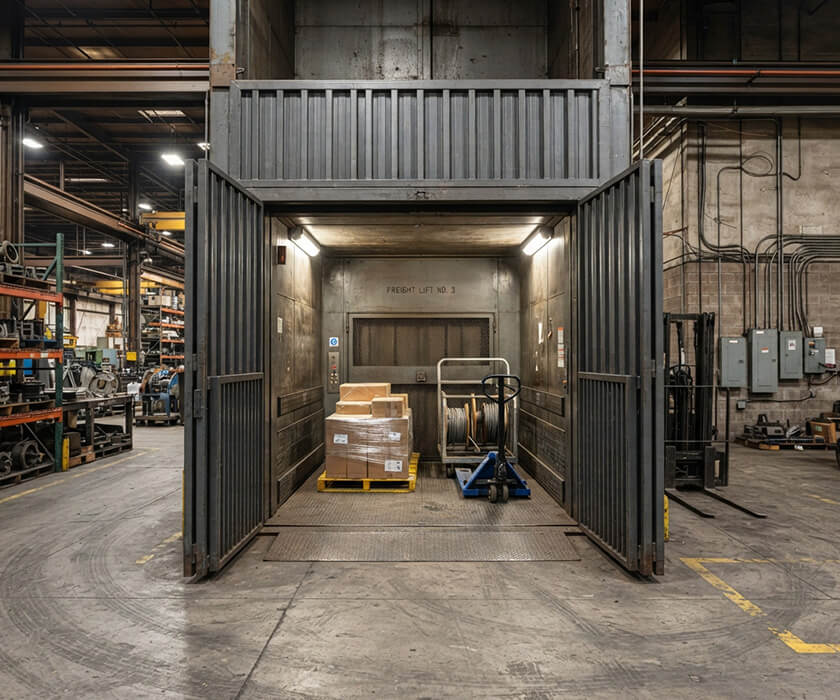
Heavy freight movement requires equipment that can withstand repeated loading cycles and demanding working conditions. Structural strength, suitable capacity, reliable controls, and dependable access arrangements all contribute to consistent performance. The selected equipment should match the weight, dimensions, and frequency of materials handled at the facility. Industrial Freight Elevator Installation also requires careful consideration of shaft conditions, landing access, and operating requirements. Protective mechanisms can help reduce risks during loading, travel, and unloading activities. Durable components further support dependable service across busy operating schedules. Together, these technical considerations help maintain stable freight movement within high usage properties.
1- Durable Structural Elements Supporting Industrial Freight Elevator Installation
Freight elevator structures must withstand repeated loading while maintaining stable operation across demanding work schedules. Reinforced cabin components can provide greater durability when heavy materials enter and leave the equipment frequently. Shaft supports, landing arrangements, and door assemblies should also suit the expected operating conditions. Industrial Freight Elevator Installation requires these structural elements to be assessed according to load capacity and site limitations. Proper material selection can help reduce premature wear during routine use. Strong construction also supports safer movement between loading points and working floors. These considerations contribute to dependable performance throughout the equipment’s service life.
2- Varied Weight Requirements Managed Through Elevator Equipment During Transit
Different facilities handle materials that vary significantly in weight, dimensions, and packaging. Elevator equipment should therefore match the maximum expected load rather than only the average daily requirement. Proper capacity planning helps maintain stable travel while reducing unnecessary strain on mechanical components. The Industrial Freight Elevator Installation process can account for these variations when selecting suitable equipment specifications. Loading procedures should also distribute materials appropriately within the available floor area. Correct capacity selection supports smoother movement during frequent operating cycles. As a result, businesses can handle changing material requirements with greater consistency.
3- Responsive Protection Controls Within Lift Systems Promoting Safer Operations
Freight lifting equipment requires responsive protection controls to manage common risks during loading and vertical travel. Door sensors can help prevent movement when access points remain open or obstructed. Emergency controls and suitable braking arrangements can provide additional protection during unexpected operating conditions. Industrial Freight Elevator Installation planning should include safety requirements based on site usage and material handling patterns. Proper control systems also help operators manage repeated journeys more confidently. Regular inspection can identify worn components before they affect normal operation. These measures contribute to safer and more dependable freight movement across busy facilities.
Verifyne Lift Consultancy Technical Planning Guidance for High Load Goods Movement Projects
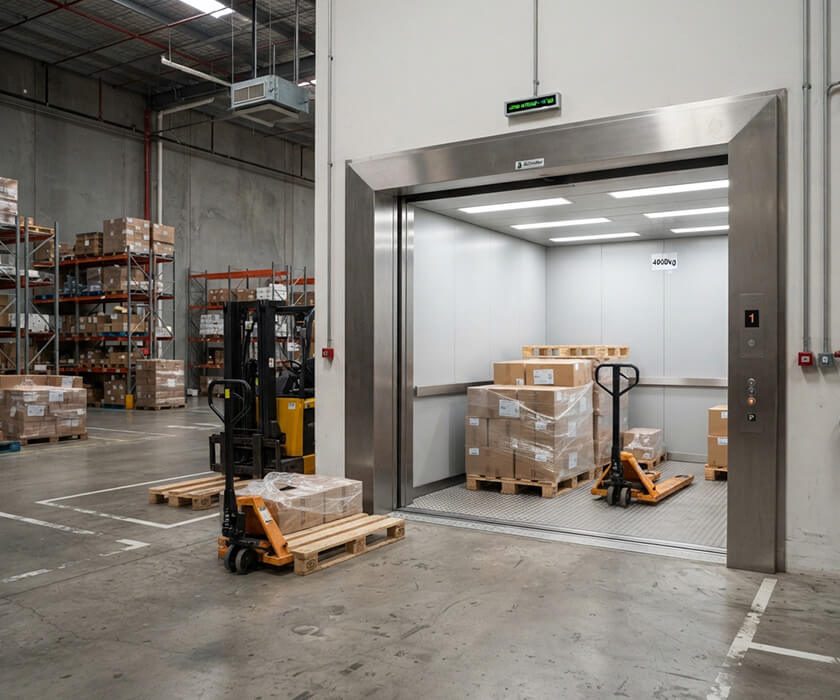
High load goods movement requires careful planning around building conditions, floor access, traffic levels, and operational requirements. A consultancy-led approach can help identify practical equipment arrangements before major project decisions are made. Verifyne Lift Consultancy can assess shaft dimensions, floor heights, structural conditions, and access points during the planning stage. Coordination with architectural, electrical, and structural requirements can also reduce conflicts during project execution. Equipment selection should reflect capacity, travel distance, expected usage, and available site space. Further guidance can cover scheduling, supervision, testing, commissioning, and maintenance planning. This structured approach helps businesses prepare dependable vertical movement for demanding goods handling operations.
1- Building Review Before Industrial Freight Elevator Installation for Safer Integration
A detailed building review helps determine whether the proposed equipment can fit within existing structural conditions. Shaft dimensions, floor heights, access points, overhead clearance, and available installation space should be assessed before work begins. These checks can identify construction limitations that may affect equipment selection or project scheduling. During Industrial Freight Elevator Installation, structural findings help guide coordination between the elevator layout and surrounding building elements. Electrical requirements should also be reviewed alongside the proposed equipment arrangement. Early assessment can reduce unexpected changes during execution and commissioning. This preparation supports safer integration within existing or newly developed facilities.
2- Floor Traffic Assessment Through Elevator Scheduling for Better Material Coordination
Floor traffic patterns can influence how materials move between storage areas, loading points, and production departments. Reviewing peak periods helps determine when vertical equipment will experience the greatest demand. Elevator scheduling can then support smoother movement while reducing unnecessary waiting between operational levels. Industrial Freight Elevator Installation planning should consider these traffic conditions when assessing capacity and travel requirements. Clear loading routes can also improve coordination between workers, equipment, and stored materials. Regular usage patterns provide useful information for future maintenance planning as well. This approach helps facilities organize material movement around actual daily operating demands.
3- Testing Oversight Within Lift Commissioning for Dependable Operational Readiness
Testing plays an important role in confirming that newly installed equipment performs according to the planned operating requirements. Load checks, door operation, controls, safety functions, and travel performance should be reviewed before regular use begins. Proper commissioning helps identify issues that may affect reliability or safe material movement. For Industrial Freight Elevator Installation, testing should reflect the expected load, travel distance, traffic level, and site conditions. Documentation of inspection results can also support future maintenance planning. Final operational checks provide greater confidence before the equipment enters routine service. This structured oversight helps prepare the system for dependable day to day performance.