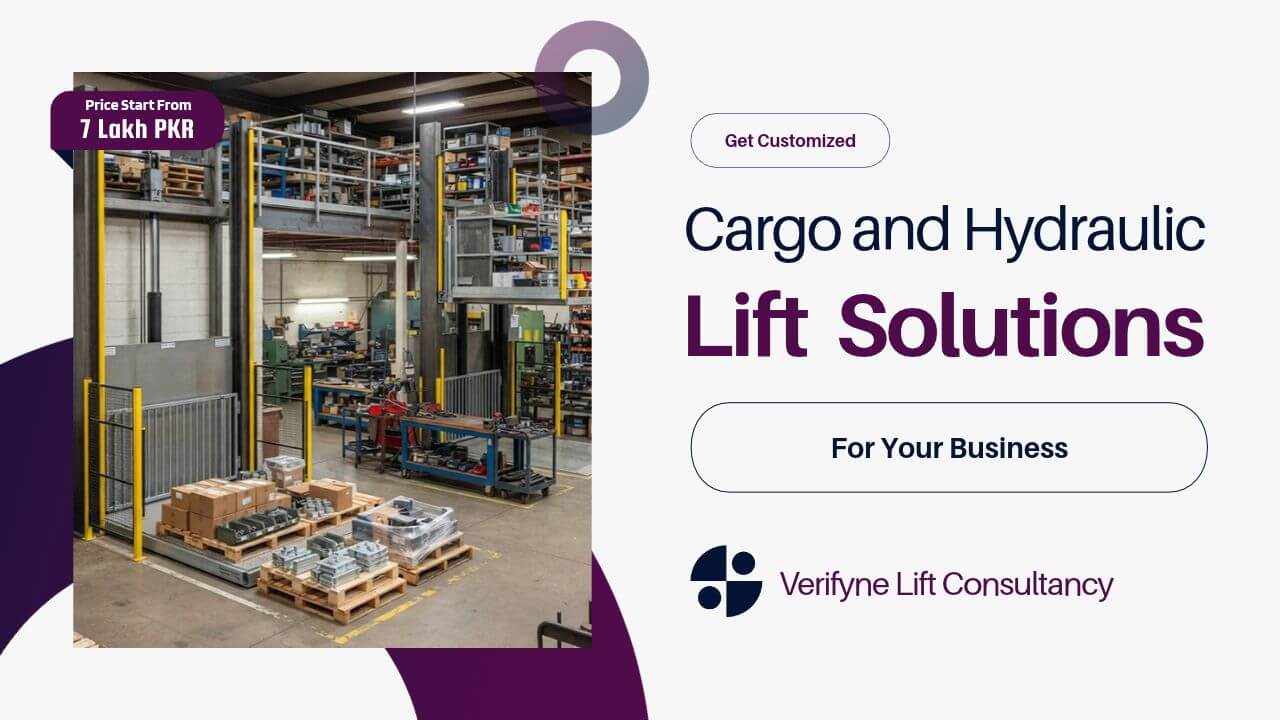
Businesses handling heavy materials require dependable vertical transportation for daily operations. Customized lifting arrangements help accommodate different load capacities, floor heights, and available installation spaces. Selecting the right Cargo and Hydraulic Lift system can improve workplace productivity, simplify goods movement, and provide reliable performance for demanding commercial activities.
Leading Production Districts in Pakistan for Tailored Goods Hoist Installation
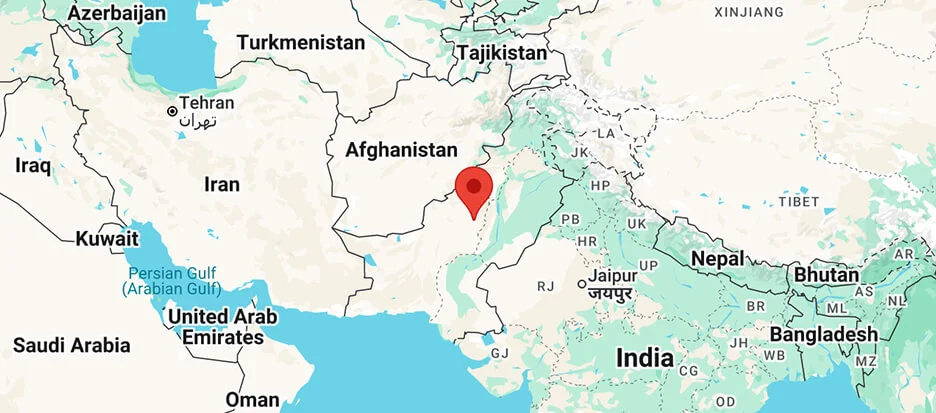
Major manufacturing regions throughout Pakistan require dependable goods transportation systems for factories, warehouses, and distribution facilities. Cities such as Karachi, Lahore, Faisalabad, Rawalpindi, and Sialkot contain established production sectors where customized hoisting arrangements can support material movement, improve handling capacity, and accommodate different operational requirements.
Why Manufacturing Facilities Invest in Cargo and Hydraulic Lift Equipment for Heavy Material Transfers
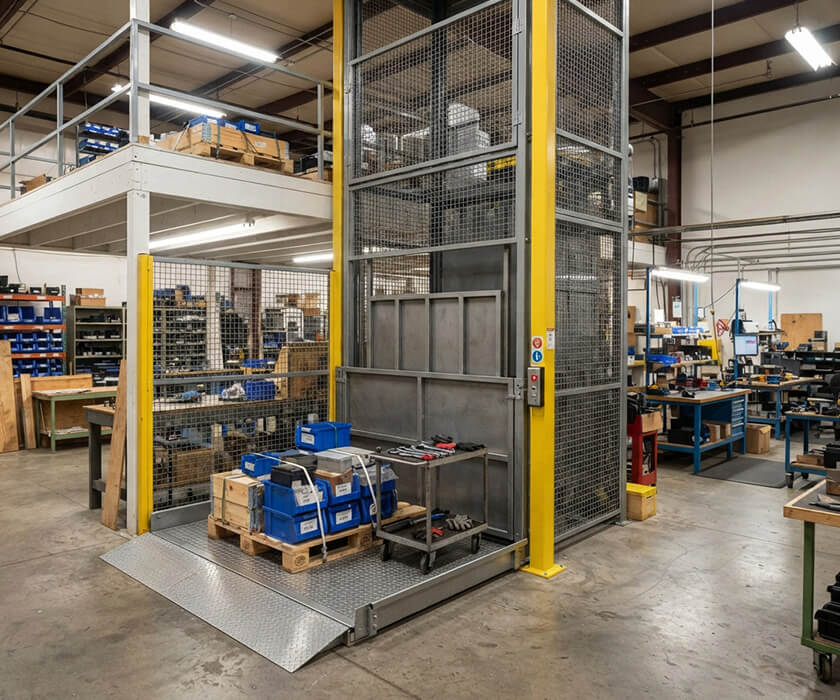
Manufacturing facilities frequently move raw materials, finished products, machinery components, and bulk inventory between different working levels. Investing in suitable lifting arrangements helps reduce manual handling, improve transportation speed, and maintain safer workplace conditions. Properly selected Cargo and Hydraulic Lift systems also provide dependable support for demanding production activities.
1- Eliminate Workplace Injuries Through Heavy Cargo Lift Operations
Moving substantial loads manually can expose employees to physical strain, accidental dropping, and workplace injuries. Dedicated cargo lifting arrangements reduce unnecessary manual handling by transferring heavy materials between designated floors. Proper load controls, protective mechanisms, and suitable operating procedures further contribute to safer working conditions.
2- Accelerate Factory Output Using Industrial Hydraulic Lift Systems
Production schedules depend on the timely movement of materials between processing stations, storage areas, and dispatch sections. Hydraulic lifting arrangements help transport substantial loads with controlled movement, reducing unnecessary handling delays. Consistent transportation between working levels can improve workflow continuity and support better manufacturing productivity.
3- Minimize Inventory Damage With Dedicated Material Lift Platforms
Improper handling during stock transfers can cause product breakage, packaging damage, and unnecessary financial losses. Dedicated material platforms provide a stable transportation surface for different inventory categories. Suitable load distribution, secure positioning, and controlled movement help protect stored goods during transfers between warehouse levels.
Detailed Financial Estimates for Bespoke Goods Handling Systems Within Commercial Industry Categories
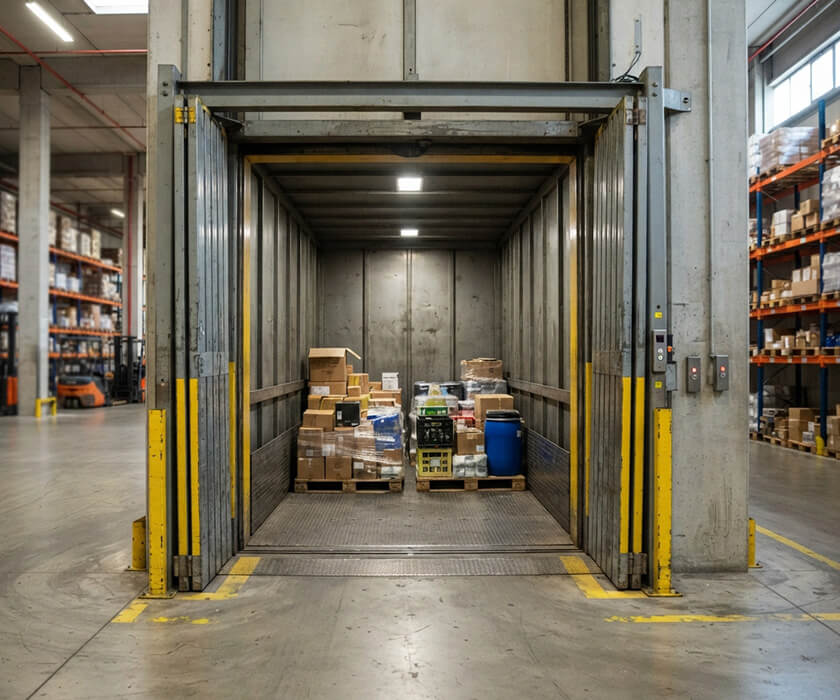
The overall investment in freight transportation depends on carrying capacity, building height, travel distance, cabin dimensions, and site conditions. Comparing different configurations helps businesses establish realistic budgets before purchasing. Pricing for Cargo and Hydraulic Lift arrangements also varies according to structural requirements, machinery specifications, and selected safety components.
Budget Projection for Hydraulic Material Elevators in Small Assembly Facilities
Small assembly facilities generally require compact lifting arrangements for transferring components, packaged materials, and production supplies between working floors. Hydraulic material elevators can accommodate different building dimensions while providing controlled vertical movement. The estimated investment below offers an initial budgeting reference for smaller manufacturing operations.
Rated Load: 500 kg
Number of Floors: 2
Estimated Price (PKR): 2,200,000–3,000,000
Acquisition Costs for Heavy-Load Freight Elevators in Wholesale Storage Centres
Wholesale storage centres often handle substantial inventory volumes that require dependable transportation between receiving, storage, and dispatch levels. Higher carrying capacities may require stronger structural arrangements, suitable drive mechanisms, and additional safety provisions. The following figures provide an indicative purchasing budget for medium-capacity freight transportation requirements.
Rated Load: 1,000 kg
Number of Floors: 3
Estimated Price (PKR): 3,200,000–4,500,000
Capital Planning for Industrial Cargo Lifts in Extensive Distribution Complexes
Large distribution facilities require substantial lifting capacity to accommodate bulk merchandise, packaged inventory, and heavier commercial consignments. Selecting an appropriate configuration involves assessing building dimensions, floor accessibility, loading requirements, and machinery specifications. The following estimate provides a preliminary financial reference for higher-capacity transportation arrangements.
Rated Load: 2,000 kg
Number of Floors: 4
Estimated Price (PKR): 4,800,000–7,000,000
| Lift Category | Estimated Cost (PKR) |
|---|---|
| Hydraulic Cargo Lift | 1,500,000 – 2,500,000 PKR |
| Traction Cargo Lift | 3,500,000 – 5,000,000 PKR |
| Chain-Driven Cargo Lift | 2,000,000+ PKR |
| Heavy Duty Cargo Lift | 5,000,000+ PKR |
| Platform Cargo Lift | 2,000,000 – 4,000,000 PKR |
| Industrial / Warehouse Cargo Lift | 1,500,000 – 6,000,000+ PKR |
| Custom Built Cargo Lift | 5,000,000 – 25,000,000 PKR |
Next-Generation Vertical Transport Systems Designed to Accelerate Daily Manufacturing Operations
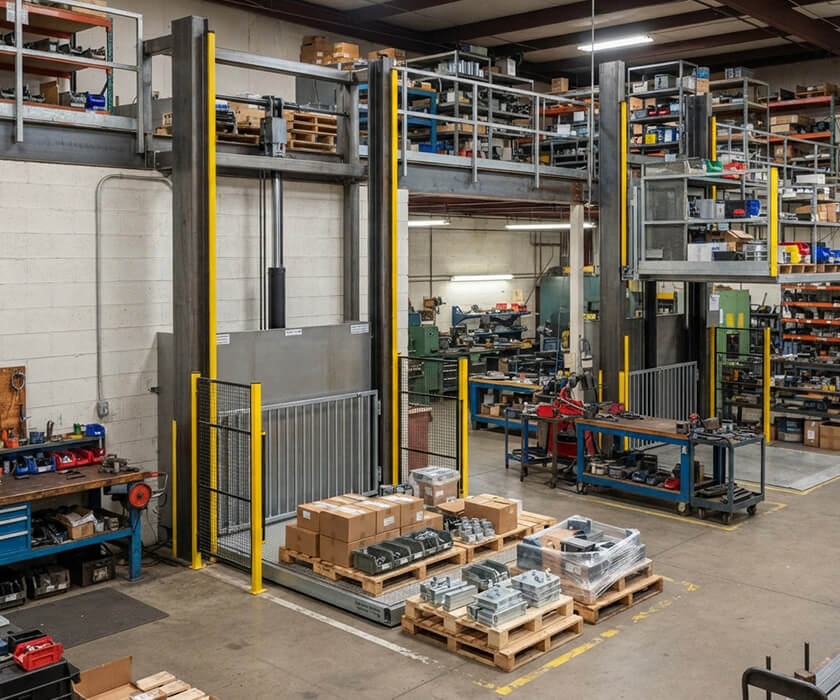
Modern freight transportation arrangements incorporate advanced control mechanisms, reinforced structural components, and carefully regulated operating systems. These engineering elements help accommodate demanding working conditions while maintaining dependable movement between floors. Appropriate cabin dimensions, protective controls, and optimized motor performance also contribute to consistent daily manufacturing operations.
1- Tailored Platform Footprint Elevator Designs Matched to Existing Loading Bays
Platform dimensions should correspond with available loading spaces, entry clearances, and the size of transported materials. Proper measurements help ensure convenient loading access without unnecessary alterations to existing building layouts. Carefully planned cabin proportions also improve space utilization while accommodating different material transportation requirements.
2- Anti-Drop Locking Valve Elevator Protection Rated Under Maximum Heavy Tonnage
Safety valves play an important role in controlling hydraulic movement and preventing unintended platform descent under specified operating conditions. Properly selected locking mechanisms help maintain load stability during transportation. Suitable pressure ratings, protective controls, and regular technical inspections contribute to dependable operating conditions under demanding workloads.
3- Low Power Flow Control Cargo and Hydraulic Lift Motors for Continuous Duty
Controlled hydraulic flow helps maintain consistent platform movement while managing motor operation during repeated lifting cycles. Properly selected motors and pressure regulation mechanisms can reduce unnecessary power consumption while maintaining suitable operating performance. These arrangements support dependable material transportation across facilities with frequent daily loading requirements.
Verifyne Lift Consultancy Comprehensive Building Analysis Across Customized Freight Projects
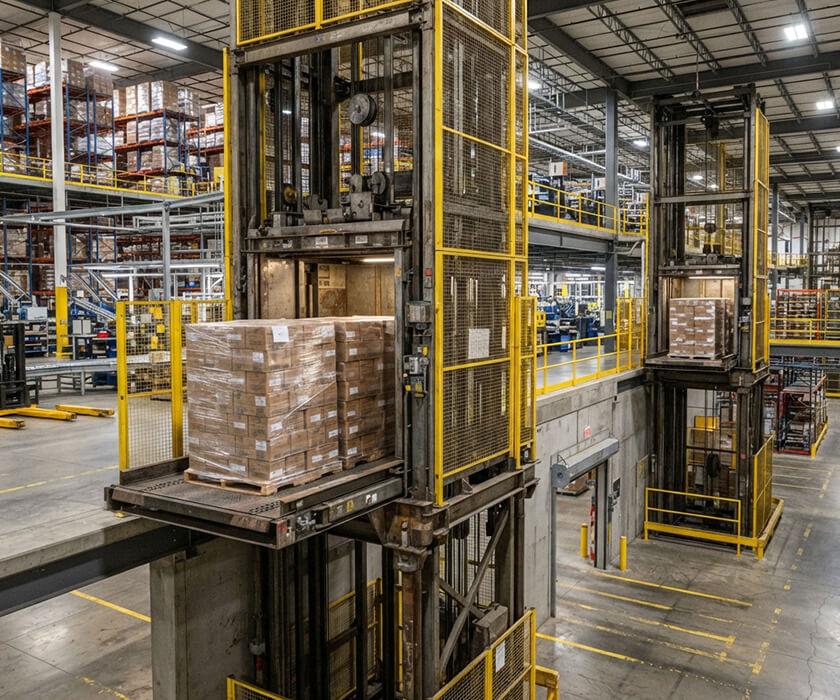
Successful freight transportation planning requires careful evaluation of building dimensions, structural conditions, operational requirements, and technical specifications. Verifyne Lift Consultancy provides professional assessment, engineering guidance, and project coordination to help businesses make informed decisions. Its advisory approach supports appropriate system selection, technical documentation reviews, and implementation oversight throughout customized lifting developments.
1- Architectural Blueprint Inspection for Appropriate Elevator Positioning
Architectural drawings provide essential information about available shaft dimensions, floor layouts, loading entrances, and structural clearances. Reviewing these details before selecting a suitable arrangement helps identify potential space limitations and positioning requirements. Proper technical assessment also improves coordination between architectural plans and proposed elevator configurations.
2- Technical Progress Evaluation for Cargo and Hydraulic Lift Requirements
Monitoring technical progress helps ensure that selected specifications remain consistent with agreed project requirements. Engineering assessments can examine carrying capacity, travel height, structural compatibility, and operating arrangements throughout different development stages. This oversight helps identify discrepancies early while maintaining coordination between consultants, suppliers, and project stakeholders.
3- Engineering Standard Verification for Dependable Elevator Functionality
Technical documentation and engineering specifications should be reviewed to confirm that proposed arrangements meet applicable safety requirements and operational expectations. Assessing structural calculations, load ratings, control provisions, and protective mechanisms helps maintain project quality. Proper verification also provides businesses with greater confidence when evaluating freight transportation installations.
Frequently Asked Questions:
Can Hydraulic Freight Elevators Be Designed According to Existing Building Dimensions?
Yes, cabin measurements, shaft space, loading access, and travel height can be assessed to determine a suitable configuration.
What Is the Price of a Customized Cargo Lift in Pakistan?
Pricing generally starts from PKR 22 lakh and varies according to load capacity, floor count, cabin dimensions, and machinery specifications.
Which Lifting Capacity Is Suitable for Heavy Industrial Materials?
Capacity depends on the weight, dimensions, and frequency of transported goods; call 0321 586 3975 for technical guidance.