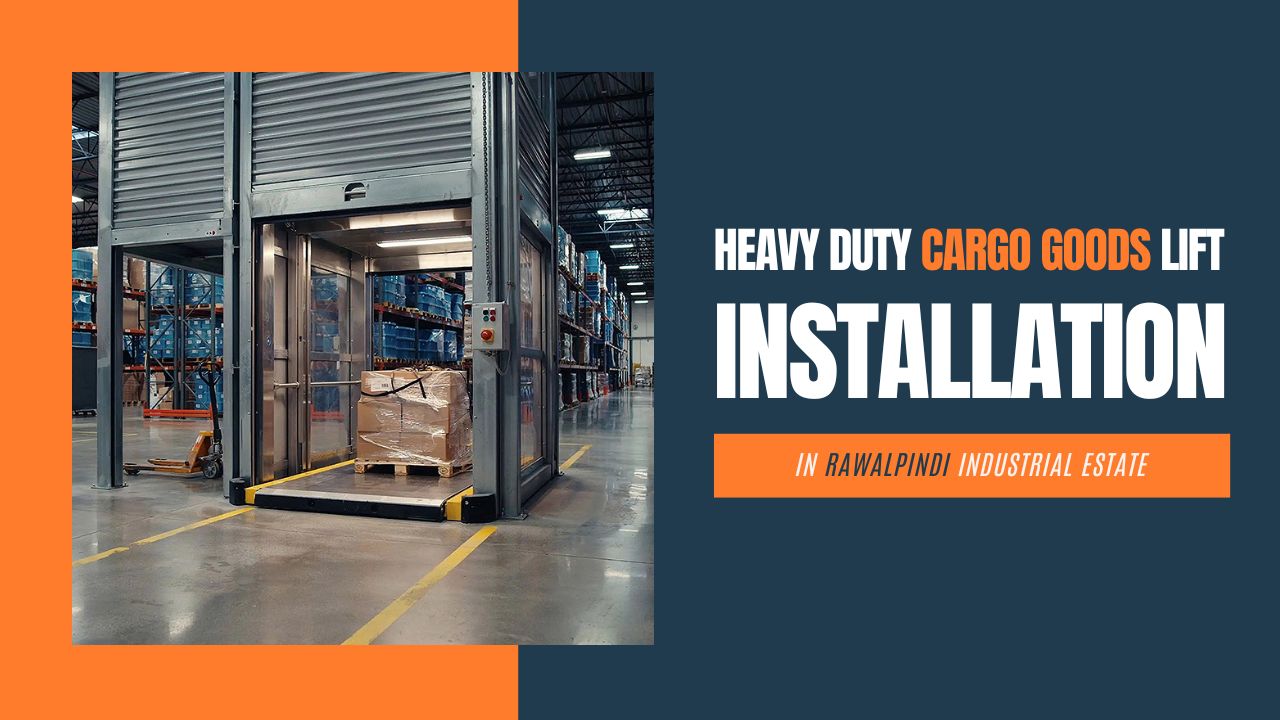
Heavy duty cargo lift systems play a vital role in supporting uninterrupted material movement across factories, warehouses, logistics centers, and production facilities. Businesses operating in Rawalpindi Industrial Estate require dependable lifting equipment capable of handling continuous workloads with consistent performance. Cargo Goods Lift Installation provides an efficient vertical transportation solution for raw materials, machinery, finished products, and industrial supplies. Proper planning, quality engineering, and professional installation help improve operational productivity while maintaining workplace safety. Modern cargo lifts are designed to accommodate varying building layouts, load capacities, and operational requirements for long-term industrial use.
Production Facilities in Rawalpindi Industrial Estate Requiring Heavy Load Transport Lifts

Production facilities handling raw materials, packaged products, industrial equipment, or warehouse inventory often require reliable lifting systems for daily operations. Manufacturing plants, distribution centers, packaging units, Rawalpindi food processing facilities, and storage warehouses benefit from efficient vertical transportation between floors. Cargo Goods Lift Installation supports organized workflow, minimizes manual handling, and improves operational continuity across demanding industrial environments. Selecting the appropriate lifting system helps businesses maintain productivity while reducing transportation delays within commercial premises.
Why Cargo Goods Lift Installation is the Right Choice for Growing Industrial Infrastructure
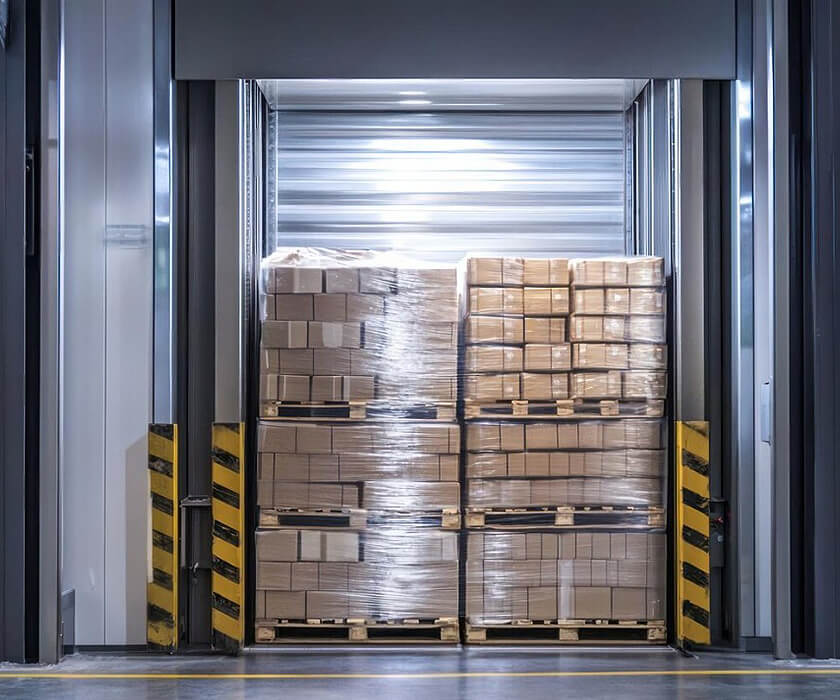
Expanding industrial infrastructure requires dependable material handling solutions capable of supporting increasing production demands. Modern cargo lift systems simplify the movement of heavy equipment, finished goods, and warehouse inventory across multiple floor levels. Cargo Goods Lift Installation helps improve operational efficiency, workplace safety, and overall logistics management while supporting future business growth. Properly designed lifting systems contribute to smoother workflow, better resource utilization, and reliable long-term performance for industrial developments.
1- Higher Distribution Capacity Through Hydraulic Lifts for Bulk Goods Handling
Hydraulic lifting technology is well suited for transporting heavy materials within manufacturing plants, warehouses, and storage facilities. Stable lifting performance allows businesses to move bulk inventory efficiently while maintaining operational consistency. Hydraulic systems provide controlled movement, dependable load support, and reduced manual effort during daily operations. Their practical design makes them suitable for facilities managing continuous material distribution requirements.
2- Reliable Material Transfer With Freight Goods Lifts Between Different Floor Levels
Freight goods lifts provide dependable transportation for heavy cargo, pallets, equipment, and packaged inventory between multiple building levels. Their robust construction supports regular industrial operations while improving workflow across production and storage areas. These systems reduce handling delays, improve logistics coordination, and maintain organized movement of materials throughout commercial facilities.
3- Organized Storage Access via Mezzanine Lift Systems for Multi-level Warehouses
Mezzanine lift systems simplify access to upper storage areas by providing efficient vertical transportation for inventory and warehouse supplies. Organized movement between different storage levels improves space utilization while supporting faster order handling and stock management. These systems help warehouse operators maintain smoother daily operations with better accessibility across multi-level storage environments.
Budget Assessment for Cargo Goods Lift Systems Across Commercial Industries
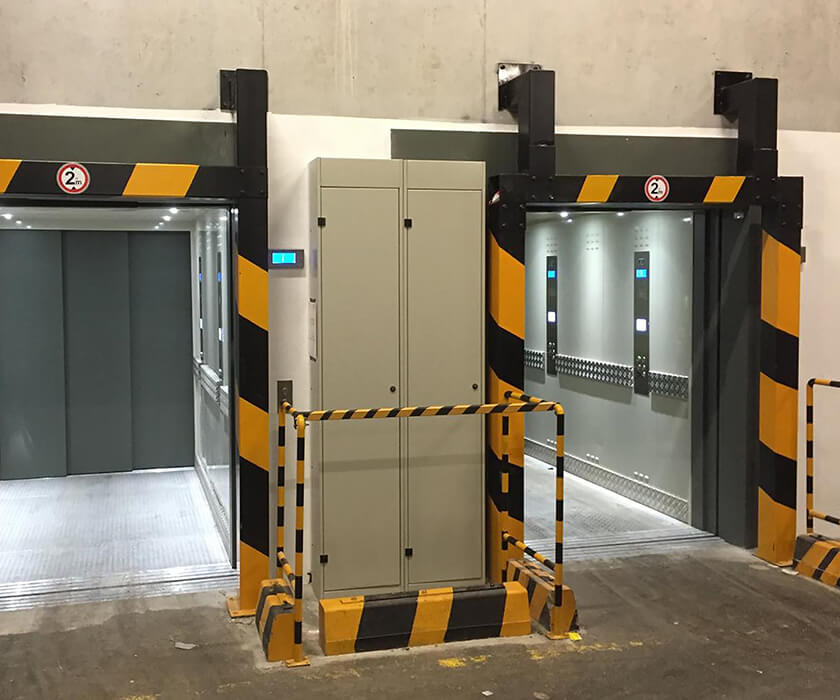
Investment requirements for cargo lift systems vary according to travel height, lifting capacity, building configuration, safety features, and customization requirements. Businesses should evaluate operational needs before selecting an appropriate lifting solution for their premises. Cargo Goods Lift Installation offers scalable options suitable for warehouses, manufacturing facilities, logistics centers, and commercial properties. Professional consultation helps determine the most practical system while balancing long-term performance with project budget expectations.
Financial Estimate for Hydraulic Freight Lift in Industrial Warehouses
Hydraulic freight lifts are commonly selected for warehouse environments requiring stable lifting performance with moderate travel heights. Their dependable operation supports regular transportation of pallets, inventory, and packaged goods while maintaining efficient workflow. Installation costs vary according to building specifications, lifting requirements, and safety configurations selected for the project.
Travel Height: 6–12 m
Load Capacity: 1000–3000 kg
Estimated Cost: PKR 1,800,000–3,200,000
Approximate Investment for Wire Rope Cargo Lift in Processing Plants
Wire rope cargo lifts are suitable for processing plants requiring continuous vertical transportation across multiple floors. These systems support higher travel distances with reliable lifting performance, making them appropriate for demanding production environments. Project costs depend on capacity requirements, shaft dimensions, travel height, and selected operational features.
Travel Height: 12–30 m
Load Capacity: 1000–5000 kg
Estimated Cost: PKR 2,800,000–5,800,000
Installation Budget for Mezzanine Material Lift in Storage Facilities
Mezzanine material lifts provide practical access between storage levels while maximizing available warehouse space. Their compact design supports efficient movement of cartons, pallets, inventory, and warehouse supplies. Overall installation expenses vary according to lifting height, platform size, structural preparation, and project specifications.
Travel Height: 3–8 m
Load Capacity: 500–2000 kg
Estimated Cost: PKR 1,200,000–2,600,000
| Lift Category | Estimated Cost (PKR) |
|---|---|
| Hydraulic Cargo Lift | 1,500,000 – 2,500,000 PKR |
| Traction Cargo Lift | 3,500,000 – 5,000,000 PKR |
| Chain-Driven Cargo Lift | 2,000,000+ PKR |
| Heavy Duty Cargo Lift | 5,000,000+ PKR |
| Platform Cargo Lift | 2,000,000 – 4,000,000 PKR |
| Industrial / Warehouse Cargo Lift | 1,500,000 – 6,000,000+ PKR |
| Custom Built Cargo Lift | 5,000,000 – 25,000,000 PKR |
Structural Design Elements Supporting Reliable Vertical Material Transportation Systems
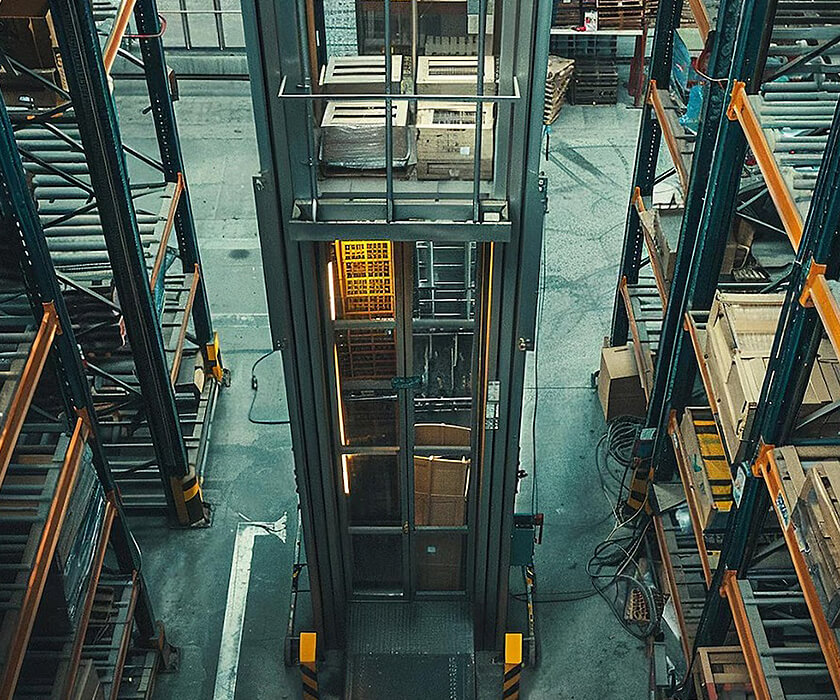
The structural quality of a cargo lift directly influences operational reliability, safety, and long-term durability. High-quality construction materials, protective finishes, and well-designed interior components help maintain consistent performance under demanding industrial conditions. Cargo Goods Lift Installation incorporates engineered structural features that withstand continuous loading while supporting efficient material transportation across commercial facilities.
1- Steel Cabin Construction Strengthening Cargo Goods Lift Installation Durability
Steel cabin construction provides excellent structural strength for handling frequent industrial use while protecting transported materials during movement. Reinforced cabin designs resist impact, wear, and operational stress, making them suitable for demanding production environments. Strong construction contributes to longer equipment lifespan with reduced maintenance requirements over time.
2- LED Elevator Lighting Enhancing Interior Visibility During Material Loading
LED lighting improves cabin visibility during loading and unloading activities by providing consistent illumination throughout the lift interior. Better visibility assists operators in positioning materials accurately while supporting safer daily operations. Energy-efficient lighting systems also reduce power consumption while delivering dependable performance under continuous industrial usage.
3- Anti-Corrosion Lift Finish Extending Surface Protection During Daily Operations
Protective anti-corrosion finishes help preserve lift surfaces against moisture, dust, chemicals, and regular industrial exposure. Durable coatings minimize surface deterioration while maintaining the professional appearance of lifting equipment over extended periods. Enhanced protection contributes to lower maintenance requirements while supporting reliable operation in demanding working environments.
Verifyne Lift Consultancy Managing Engineering Coordination Throughout Project Development
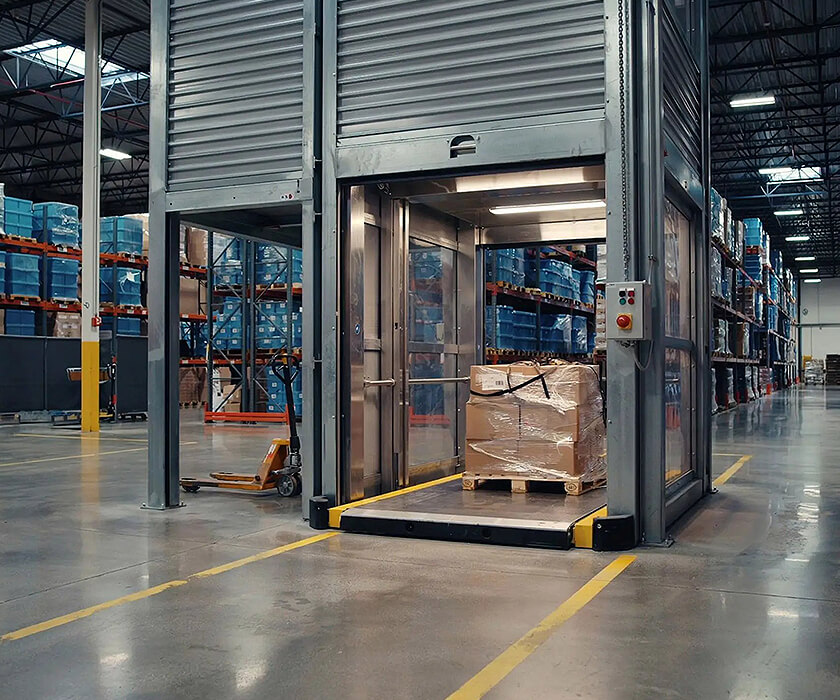
Professional engineering coordination ensures every stage of a cargo lift project is carefully planned, reviewed, and executed according to project requirements. Verifyne Lift Consultancy assists clients with technical evaluations, layout planning, compliance guidance, and implementation support from initial consultation through project completion. Proper coordination helps reduce installation challenges while improving long-term system reliability and operational performance.
1- Construction Readiness Review for Cargo Goods Lift Installation Success
A comprehensive construction readiness review verifies that structural conditions, shaft dimensions, power availability, and installation requirements meet project specifications before work begins. Early assessment minimizes delays, supports efficient project scheduling, and helps achieve successful Cargo Goods Lift Installation with fewer onsite modifications during execution.
2- Elevator Configuration Planning Meeting Building Usage Requirements
Careful elevator configuration planning ensures the selected system matches building traffic, operational demands, available space, and material transportation requirements. Proper evaluation supports improved equipment performance while helping businesses choose suitable specifications for long-term commercial operations.
3- Lift Lifecycle Guidance Supporting Future Operational Continuity
Long-term lifecycle planning helps businesses maintain reliable lift performance through scheduled inspections, preventive maintenance, component evaluations, and operational monitoring. Continuous technical guidance supports equipment longevity while reducing unexpected downtime, repair costs, and operational interruptions throughout the service life of the lifting system.