Commercial towers with extensive glass exteriors require specialized access equipment for regular facade cleaning. Professional washing systems help reach elevated windows, glazed panels, and difficult exterior sections. A suitable Glass Washing Lift Installation plan considers tower height, surface design, access requirements, and operator safety. Proper equipment selection can improve cleaning coverage while reducing manual effort. Building managers should evaluate working height, platform capacity, and movement controls before selecting machinery. Regular inspections also help maintain dependable operation during exterior maintenance. These considerations support cleaner facades and professional building presentation in Clifton Karachi.
Suitable Tower Exteriors in Clifton Karachi for Elevated Glass Cleaning Equipment
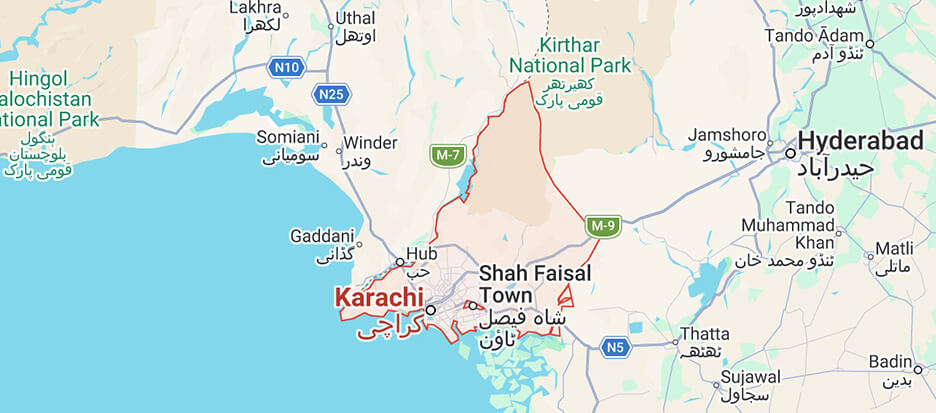
Commercial towers with broad glazed elevations often require dedicated equipment for exterior window washing. Glass-fronted offices, shopping complexes, and multi-storey business centres may benefit from suitable access arrangements. Before selecting a Glass Washing Lift Installation, project teams should assess facade dimensions, roof access, ground conditions, and available working space in Clifton Karachi. Recessed windows and architectural projections can influence equipment reach. Site inspections help determine suitable positioning points and operating clearances. Building managers should also consider wind exposure and safe equipment movement. Careful assessment helps identify appropriate cleaning arrangements for commercial towers.
Why Is Glass Washing Lift Installation a Strategic Choice for High-Level Commercial Facade Cleaning
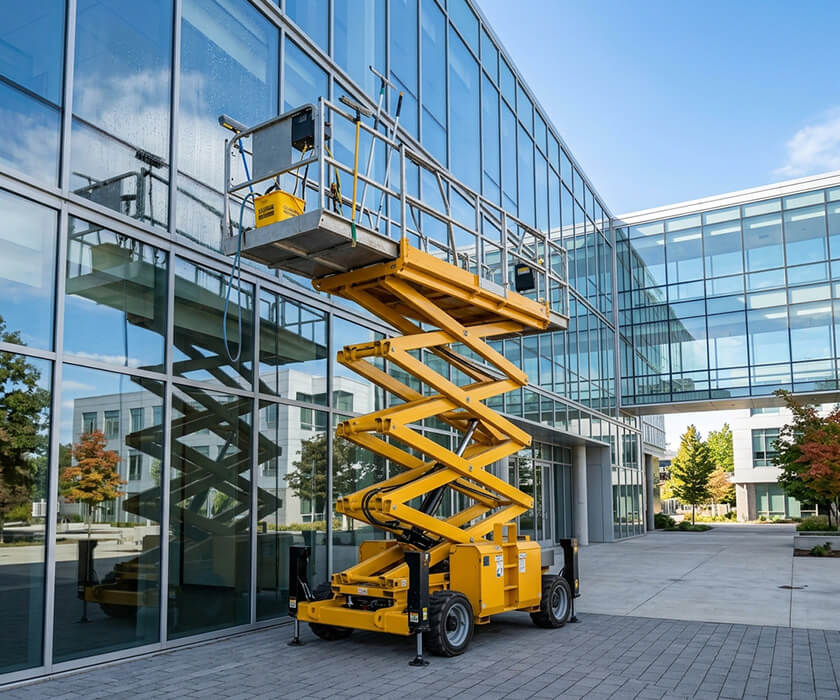
Tall commercial structures require dependable access arrangements to maintain exterior glass surfaces. A Glass Washing Lift Installation can help cleaning personnel reach elevated sections that are difficult to access from ground level. Appropriate equipment selection improves coverage across wide facades while helping reduce repeated repositioning. Different access systems accommodate varying heights, outreach requirements, and site layouts. Safety controls, rated platform loads, and operating procedures remain important during daily use. Planned cleaning schedules can also help maintain the building’s professional appearance. These practical advantages make suitable access equipment valuable for ongoing commercial facade care.
1- Stable Working Heights With Scissor Lifts for Elevated Glass Cleaning
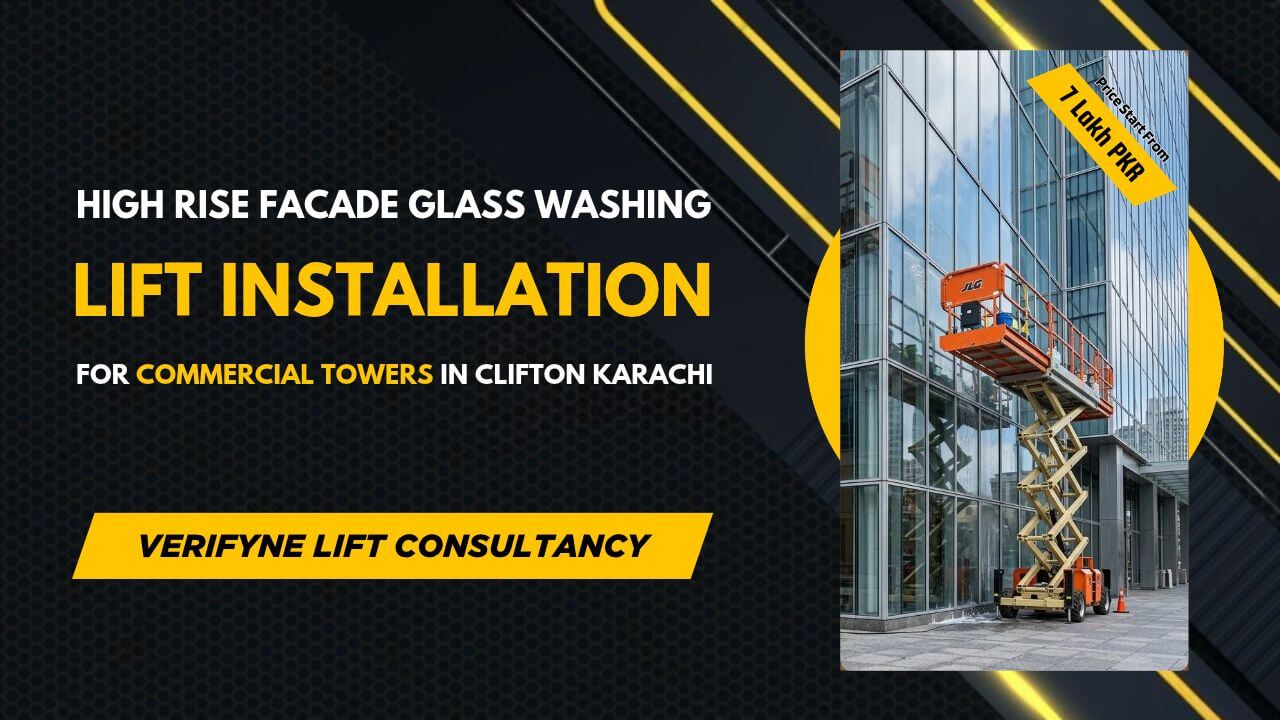
Scissor lifts provide a vertically rising platform for tasks that require a stable working position. Their lifting mechanism can help personnel reach accessible exterior glass sections at suitable heights. During a Glass Washing Lift Installation assessment, working elevation, platform dimensions, and rated capacity should be matched to the cleaning requirements. Level ground and adequate clearance are important for safe positioning. Operators must follow manufacturer instructions and applicable safety procedures. Suitable models can reduce the need for repeated ladder repositioning. These considerations help crews perform planned window-cleaning tasks with greater control.
2- Reaching Difficult Tower Facades With Boom Lifts and Cherry Pickers
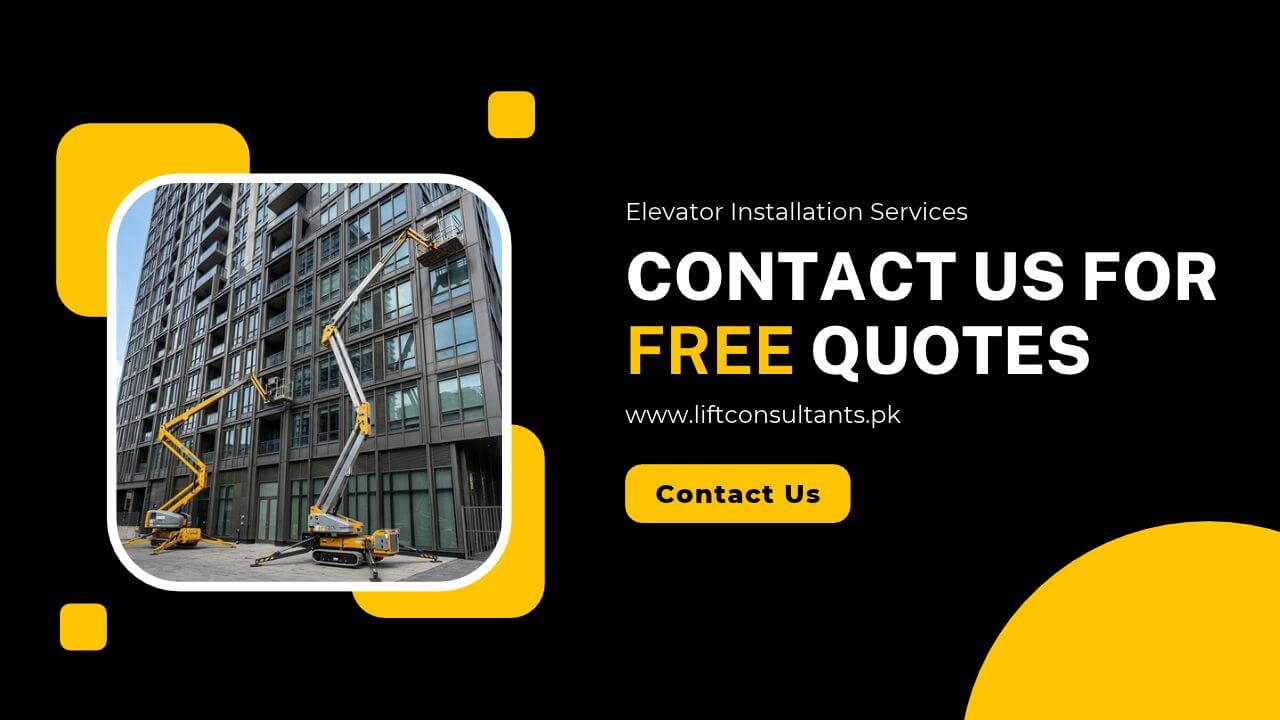
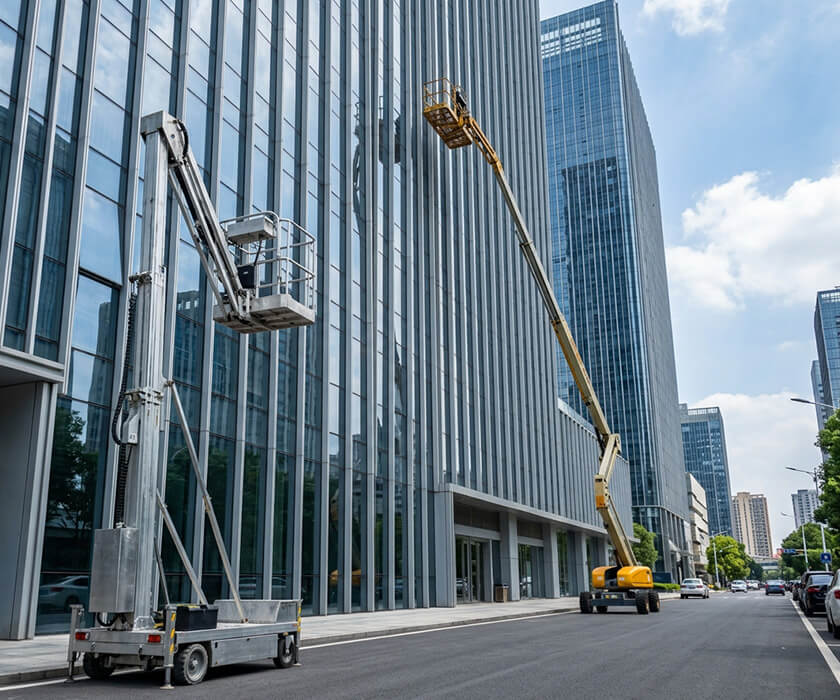
Boom lifts and cherry pickers can provide elevated access where windows sit beyond the reach of conventional platforms. Their extending arms help personnel approach selected exterior sections from an appropriate working position. A Glass Washing Lift Installation assessment should consider horizontal outreach, maximum working height, basket capacity, and surrounding obstacles. Articulating models may assist with access around certain architectural projections. Site conditions must support the selected machine’s weight and movement. Operators should also account for overhead hazards and wind restrictions. Correct selection helps address challenging cleaning locations while maintaining controlled working practices.
3- Easier Positioning Along Tall Exteriors Using Aluminum Man Lifts
Aluminum man lifts can provide compact vertical access for selected elevated maintenance tasks. Their lightweight construction may make certain models suitable for indoor areas, restricted service spaces, or approved exterior applications. When planning a Glass Washing Lift Installation, project teams should verify the model’s working height, load rating, base dimensions, and permitted operating environment. Not every aluminum man lift is designed for exposed high-rise facade work. Ground stability and manufacturer restrictions must guide equipment selection. Suitable units can assist with localized glass maintenance where access conditions permit. Proper planning helps ensure that the equipment matches the task safely.
Commercial Tower Facade Cleaning Machinery Costs With Detailed Equipment Budget Considerations
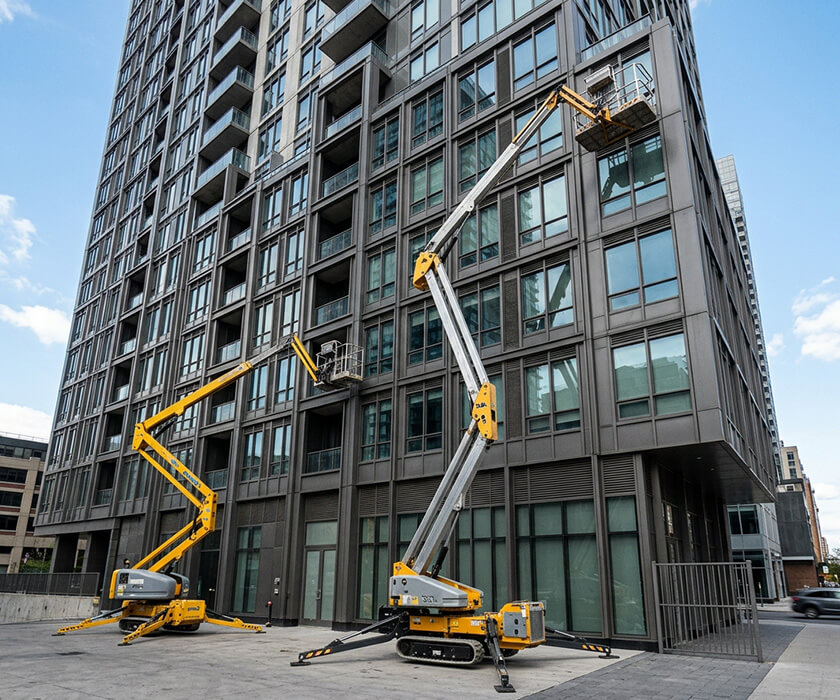
Commercial facade cleaning equipment costs depend on working height, reach, platform capacity, operating method, and manufacturer specifications. A Glass Washing Lift Installation budget should also account for transportation, site preparation, safety accessories, commissioning, and operator training where applicable. Scissor lifts, cherry pickers, and aluminum man lifts have different operating ranges and purchasing requirements. New and used equipment can vary considerably in price. Buyers should compare technical specifications rather than selecting machinery on cost alone. Rental arrangements may also suit projects with occasional cleaning needs. The estimates below are indicative planning figures in Pakistani rupees, not verified supplier quotations.
Acquisition Expenses for Scissor Elevators in Exterior Window Washing
Scissor lift costs generally vary according to platform elevation, rated load, power source, and construction quality. For a Glass Washing Lift Installation project, buyers should choose a model that meets the required access height without exceeding site limitations. Indoor electric units may differ in price from rough-terrain machines designed for suitable outdoor conditions. Platform size and safety controls can also affect the purchase budget. Before ordering, confirm service availability, spare parts, delivery charges, and warranty coverage. The following figures provide an indicative budgeting example for commercial buyers. Actual supplier prices should be confirmed before procurement.
Platform Elevation: 6–14 metres
Rated Load: 230–450 kg
Estimated Price: PKR 1,800,000–5,500,000
Pricing Assessment for Cherry Picker Lifts in High-Level Glass Maintenance
Cherry picker prices depend on maximum basket height, horizontal outreach, engine or battery configuration, and machine condition. For a Glass Washing Lift Installation project, buyers should assess whether the equipment can reach the intended facade sections from an approved operating position. Articulating and telescopic boom designs offer different movement capabilities. Imported units may also involve freight, duties, inspection, and maintenance expenses. Basket capacity must account for personnel, tools, and cleaning materials within the manufacturer’s limits. The following figures are broad estimates for preliminary budgeting. Obtain a current quotation for the required specification.
Basket Height: 12–30 metres
Side Reach: 6–18 metres
Estimated Price: PKR 4,500,000–8,000,000
Budget Allocation for Aluminum Man Elevators in Elevated Building Care
Aluminum man lift pricing varies with lifting height, occupant capacity, platform construction, and mobility requirements. During a Glass Washing Lift Installation assessment, buyers should confirm whether the selected model is approved for the intended working environment. Compact personnel lifts may suit localized maintenance, although many are not designed for exposed high-rise facade cleaning. Platform dimensions, stabilizers, safety interlocks, and service support can influence the overall cost. Delivery and operator familiarization may require separate allowances. The figures below are indicative estimates for preliminary planning rather than confirmed market quotations. Specifications should be checked with suppliers before purchase.
Maximum Lift Height: 5–12 metres
Occupant Capacity: 1–2 persons
Estimated Price: PKR 800,000–3,000,000
| Lift Category | Weight/Size | Category | Condition | Make | Basic Price (G+1) |
|---|---|---|---|---|---|
| Glass cleaning lift 100 ft (500kg) | 6 persons | Fully Imported | Refurbished | China | 850,000 PKR |
| Glass cleaning lift 50 ft (500kg) | 6 persons | Fully Imported | Refurbished | China | 830,000 PKR |
| Glass cleaning lift 100 ft (500kg) | 6 persons | Semi Imported | new | China | 1,120,000 PKR |
Integrated Operating Functions for Professional Architectural Glass Maintenance Systems in Commercial Towers
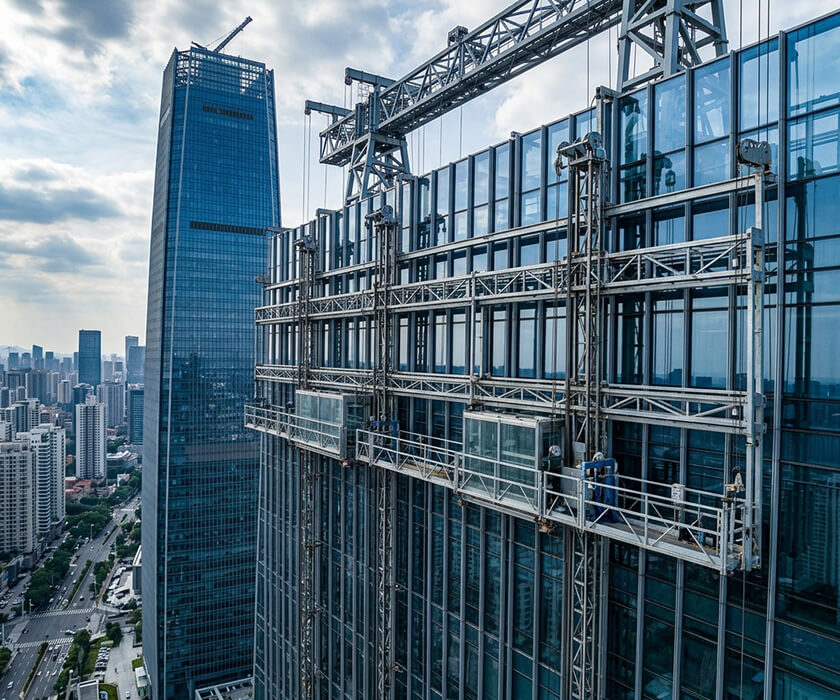
Architectural glass cleaning equipment can combine surface treatment, controlled washing, and guided movement to support exterior maintenance tasks. A Glass Washing Lift Installation plan should consider brush compatibility, water delivery, drying methods, movement controls, and operating conditions. Adjustable cleaning settings may help accommodate different glazing surfaces when approved by the equipment manufacturer. Coordinated washing stages can help remove dirt while limiting residual moisture. Guidance mechanisms can also assist with predictable equipment travel along designated routes. Actual capabilities depend on the selected system’s design and specifications. Reviewing these functions helps building managers assess operational suitability before procurement.
1- Flexible Surface Cleaning Through Elevator Brush Settings for Diverse Glass Types
Glass exteriors can differ in coating, thickness, surface finish, and exposure to environmental contaminants. Adjustable brush settings may help cleaning personnel select appropriate contact pressure for compatible glazing materials. During a Glass Washing Lift Installation assessment, brush material, rotation speed, and manufacturer-approved cleaning methods should be reviewed. Excessive pressure or unsuitable brushes can damage certain coatings and finishes. Water quality and cleaning agents may also affect the final appearance. Testing the proposed method on an approved sample area can help identify potential concerns. Suitable settings support more consistent care across compatible exterior glass surfaces.
2- Glass Washing Lift Installation With Coordinated Washing Cycles for Faster Drying
Coordinated washing cycles can combine water application, surface scrubbing, rinsing, and moisture removal within a planned sequence. Glass Washing Lift Installation planning should evaluate how these stages work together for the building’s glazing type and cleaning conditions. Appropriate rinsing can help remove loosened dirt and cleaning residues. Squeegees, air systems, or other drying methods may be used where supported by the equipment design. Water flow and cycle timing influence the final result. Manufacturers’ instructions should guide detergent selection and operating settings. A well-matched process can improve cleaning consistency while reducing unnecessary repeat passes.
3- Uninterrupted Exterior Travel Via Lift Guidance Controls Without Trailing Cables
Guidance controls can help exterior cleaning equipment follow designated travel paths along suitable building surfaces. Some systems use fixed rails or track-based mechanisms, while others rely on different movement arrangements. A Glass Washing Lift Installation assessment should verify route alignment, drive controls, power supply, and emergency stopping functions. Cable-free operation is possible only when the equipment is specifically designed with an appropriate onboard power source or alternative arrangement. Clear travel paths can reduce interruptions caused by obstructions. Routine inspections help identify wear or control faults. The selected configuration must comply with the manufacturer’s operating and safety requirements.
Verifyne Lift Consultancy Project Guidance for High-Level Commercial Window Cleaning Operations
Commercial tower facade cleaning requires early coordination between building management, engineering teams, and access equipment specialists. Verifyne Lift Consultancy can help assess project requirements, compare equipment options, and coordinate planning for a suitable Glass Washing Lift Installation. Key considerations include facade geometry, access points, operating heights, ground conditions, and applicable safety requirements. Technical reviews can identify potential limitations before equipment procurement begins. Project teams should also establish cleaning objectives, operating procedures, and inspection responsibilities. Careful coordination helps align the proposed system with the building’s design and maintenance needs. Final equipment selection should be confirmed by qualified professionals.
1- Architectural Review for Elevator Access Integration Within Tower Designs
Architectural reviews help identify how exterior access equipment may fit within a tower’s existing design. Facade dimensions, roof geometry, parapet heights, structural capacity, and maintenance access points can affect the available options. A Glass Washing Lift Installation assessment should establish whether the proposed arrangement suits the building layout and intended cleaning tasks. Early coordination can reveal restrictions involving roof space or equipment movement. Structural modifications, where required, need appropriate professional assessment. Design drawings and site measurements help clarify project constraints. This review supports informed decisions before equipment procurement or installation planning proceeds.
2- Glass Washing Lift Installation Advisory for Coordinated Cleaning Operations
Coordinated planning helps ensure that exterior cleaning equipment aligns with building access requirements and maintenance schedules. Glass Washing Lift Installation advisory work may include reviewing technical specifications, comparing operating ranges, and identifying suitable coordination steps. Project teams should verify electrical requirements, structural interfaces, travel paths, and safe operating procedures. Responsibilities for procurement, commissioning, training, and inspections should be clearly defined. Supplier documentation can help confirm whether the selected equipment meets the intended requirements. Regular communication among stakeholders can reduce avoidable delays. A structured advisory process helps maintain consistency from initial assessment to operational handover.
3- Risk Evaluation Procedures for Lift Movement Across Exposed Building Surfaces
Exterior access operations require careful evaluation of hazards associated with height, wind, equipment movement, and surrounding structures. A Glass Washing Lift Installation review should consider emergency stopping arrangements, fall protection, load limits, and approved operating conditions. Site teams should identify overhead obstructions, unstable surfaces, and potential conflicts with pedestrians or nearby activities. Weather limits must follow the equipment manufacturer’s instructions and applicable regulations. Inspection records and operator training also contribute to safer work practices. Emergency response procedures should be established before operations begin. Documented risk assessments help project teams address foreseeable hazards and manage exterior maintenance activities responsibly.
Frequently Asked Questions:
What equipment is suitable for cleaning glass facades on high-rise towers?
Boom lifts, scissor lifts, and specialized facade access systems can be selected according to building height, exterior design, and cleaning requirements.
What safety checks are required before operating exterior window cleaning machinery?
Inspect lifting components, platform restraints, anchoring points, wind conditions, and emergency controls before starting elevated glass-cleaning work.
How much does a high-rise glass cleaning lift cost in Pakistan?
Pricing depends on working height, platform capacity, reach, and equipment type; call 0321 586 3975 for a project-specific quotation.