Frequently Asked Questions:
What Is the Average Cost of a Passenger Elevator for Residential Properties?
Passenger elevator prices generally depend on cabin capacity, floor coverage, equipment type, and technical specifications, with residential options starting around PKR 22 lakh.
Which Elevator System Is Suitable for Buildings With Limited Space?
Machine Room-Less (MRL) elevators are a practical choice for restricted layouts because they eliminate the requirement for a separate machine room.
How Can I Get Professional Guidance for Selecting a Passenger Lift?
Contact 0321 586 3975 for expert assistance with equipment selection, structural assessment, pricing estimates, and elevator project consultancy.
Selecting the right elevator company is essential for achieving dependable vertical transportation and long-term operational performance. Verifyne Elevator provides professional guidance for identifying suitable passenger lifting equipment according to different architectural requirements. Whether planning a private residence, commercial complex, or multi-storey facility, choosing a suitable Passenger Lift in Rawalpindi requires careful consideration of capacity, technical specifications, and available space. Proper equipment selection helps improve accessibility, convenience, and daily movement. Evaluating engineering standards and project requirements also supports informed purchasing decisions. Explore suitable elevator options for your upcoming development.
Strategic Property Locations Across Rawalpindi for Passenger Elevator Deployment
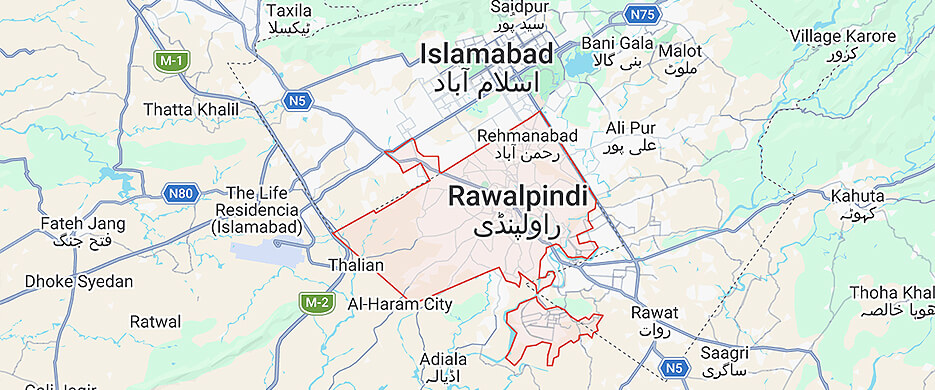
Property markets in Bahria Town, DHA, Saddar, Satellite Town, and Chaklala offer opportunities for passenger elevator installations. These locations accommodate various residential and commercial developments requiring convenient vertical transportation. Selecting a suitable Passenger Lift in Rawalpindi depends on property dimensions, occupancy levels, and architectural arrangements. Residential communities benefit from convenient floor access, while commercial premises require organized passenger movement. Evaluating surrounding infrastructure helps determine appropriate equipment specifications. Strategic elevator placement also improves accessibility and everyday convenience. Careful planning ensures compatibility with different property requirements.
Why Should Architects Incorporate a Passenger Lift in Rawalpindi Into Their Design Proposals
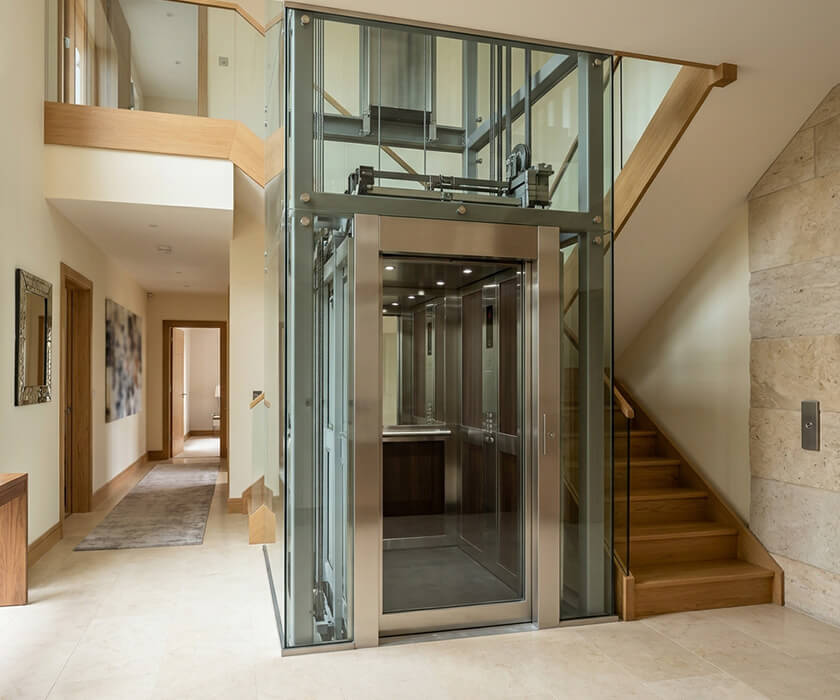
Architectural planning plays an important role in determining the accessibility and functionality of multi-storey properties. Incorporating passenger elevators during the initial design stage helps architects allocate appropriate shaft dimensions, landing areas, and machinery requirements. A Passenger Lift in Rawalpindi can improve building accessibility while accommodating the movement needs of residents, visitors, and employees. Early coordination between architectural and engineering teams reduces potential structural complications. Different elevator configurations also provide flexibility for various property categories. Considering accessibility standards and equipment specifications supports practical design decisions. These considerations contribute to functional layouts and better long-term building performance.
1- Regulatory Accessibility Compliance Through Traction Lifts for Public Convenience
Public accessibility requires suitable transportation equipment that accommodates individuals with different mobility requirements. Traction lifts provide dependable vertical movement through motor-driven suspension systems and controlled cabin operation. These elevators can serve educational institutions, office facilities, shopping centres, and other public-use properties. Incorporating a Passenger Lift in Rawalpindi into accessibility planning helps developers consider convenient entry points and appropriate floor connections. Architects should assess applicable building regulations, doorway dimensions, and cabin accessibility before finalizing equipment specifications. Suitable control arrangements further improve passenger convenience. Proper engineering coordination supports safer movement and more inclusive building environments.
2- Investor Confidence Through Hydraulic Elevators in Income-Generating Properties
Property investors often evaluate accessibility, equipment reliability, and operational convenience before approving development projects. Hydraulic elevators provide a practical transportation option for selected low-rise commercial and income-generating properties. Their lifting mechanism uses hydraulic pressure to move passenger cabins between designated floors. Installing a Passenger Lift in Rawalpindi can improve the usability of offices, retail premises, and other revenue-generating facilities. Investors should compare rated load, travel height, machinery requirements, and expected operating expenses. Appropriate equipment selection also contributes to better space utilization. Evaluating these technical considerations helps stakeholders make informed investment decisions.
3- Greater Floor Space With Machine Room-Less (MRL) Lifts in Compact Structures
Compact architectural layouts require elevator equipment that accommodates available space without unnecessary structural adjustments. Machine Room-Less lifts integrate essential machinery within the designated shaft arrangement, eliminating the need for a separate machine room. This configuration can benefit properties where additional floor space is valuable. Selecting a Passenger Lift in Rawalpindi with MRL engineering requires reviewing shaft dimensions, overhead clearance, pit depth, and rated capacity. Architects should coordinate equipment requirements before completing structural drawings. Suitable machinery placement can simplify building layouts. These considerations help developers achieve practical vertical transportation within restricted architectural areas.
Comprehensive Passenger Elevator Pricing Reference for Different Property Development Requirements
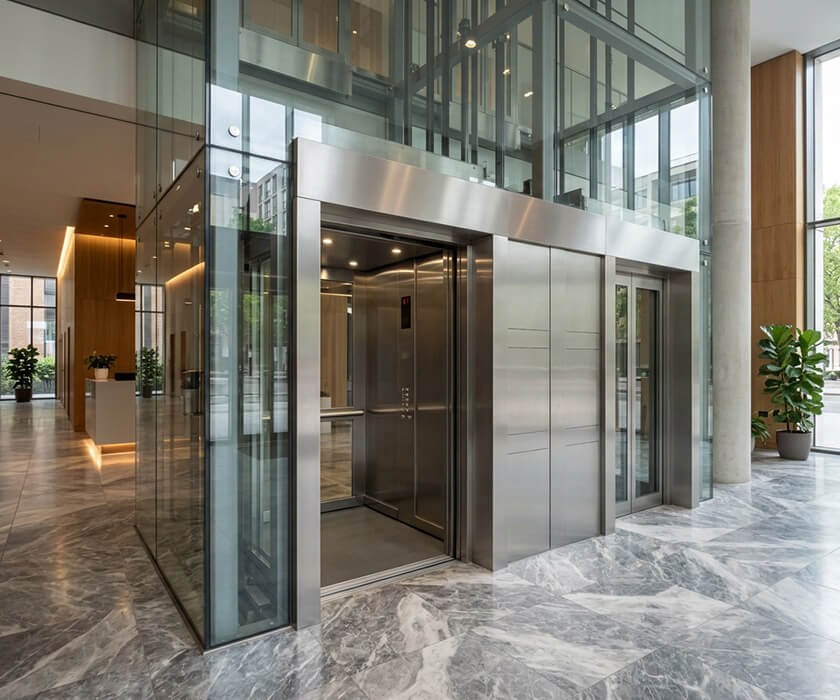
Passenger elevator prices depend on several technical and architectural factors that influence overall project expenditure. Equipment configuration, rated capacity, floor coverage, travel height, and installation requirements all affect the purchasing budget. Comparing a Passenger Lift in Rawalpindi across different equipment categories helps property owners understand their investment requirements. Traction, hydraulic, and machine room-less systems offer different operating arrangements for residential and commercial applications. Additional expenses may include electrical preparation, shaft construction, transportation, and commissioning. Reviewing individual specifications provides a clearer financial assessment. Requesting supplier quotations after a technical inspection helps
establish a more accurate project budget.
Purchase Cost Assessment for Traction Elevators in Private Housing Projects
Traction elevators offer a suitable transportation arrangement for private housing projects requiring convenient movement between multiple floors. Their pricing depends on cabin capacity, lifting speed, motor specifications, and the number of stops. A Passenger Lift in Rawalpindi designed for residential use should accommodate household occupancy while matching the available shaft dimensions. Property owners should also consider door configuration, cabin finishes, and electrical requirements when comparing quotations. The following estimated figures provide an initial purchasing reference for a standard residential installation. Actual expenditure may change according to equipment specifications, structural preparation, and supplier selection.
Cabin Capacity: 4–6 Persons (320–450 kg)
Number of Floors: 2–4 Floors
Estimated Price PKR: 2,200,000–3,500,000 Lakh
Equipment Budget for Hydraulic Elevators in Commercial Business Premises
Hydraulic elevators provide a practical option for selected commercial properties requiring reliable passenger transportation across limited floor levels. Their equipment budget depends on rated load, lifting height, hydraulic power units, and cabin dimensions. Businesses considering a Passenger Lift in Rawalpindi should evaluate expected occupancy and daily transportation requirements before purchasing. Additional considerations include landing arrangements, machinery positioning, electrical connections, and safety equipment. Comparing technical quotations helps investors identify suitable equipment within their allocated budget. The following figures provide an approximate reference for preliminary commercial project planning. Final costs require an assessment of the property layout.
Rated Load: 630–1,000 kg
Travel Height: 6–12 m
Estimated Price PKR: 3,500,000–6,000,000 Lakh
Supply Expenses for Machine Room-Less Lifts in Limited Space Buildings
Machine Room-Less elevators are designed for properties where dedicated machinery space is restricted or unavailable. Their supply expenses vary according to passenger capacity, number of stops, motor configuration, and shaft requirements. A Passenger Lift in Rawalpindi using MRL equipment can accommodate different architectural arrangements when sufficient technical clearances are provided. Property developers should assess equipment dimensions and electrical specifications before confirming procurement. Cabin finishes and control systems may also influence the overall purchasing amount. The following figures offer a preliminary cost reference for selected low-rise and medium-rise applications. Supplier assessments determine the final project investment.
Passenger Capacity: 6–8 Persons (450–630 kg)
Number of Stops: 3–6 Stops
Estimated Price PKR: 3,000,000–5,500,000 Lakh
| Product | Passengers / Weight / Size | Category | Condition | Make | Estimated Cost (PKR) |
|---|---|---|---|---|---|
| Commercial passenger lift electric 630kg | 6-8 persons | Semi Imported | New | Turkey/China | 2,150,000 PKR |
| Imported FUJI lift 630kg | 6-8 persons | Fully Imported | New | China | 2,232,560 PKR |
| Panoramic passenger lift electric 630kg | 6-8 persons | Semi Imported | New | Turkey/China | 2,500,000 PKR |
| Home electric 200 kg (refurbished motor) | 2-3 persons | Semi Imported | Refurbished | Any | 1,150,000 PKR |
| Home electric 300 kg (new motor) | 4 persons | Semi Imported | New with Microprocessor VVVF | Turkey/China | 1,350,000 PKR |
| Home Hydraulic lift 250 kg | 2-4 persons | Semi Imported | New | Turkey/China | 700,000 PKR |
| Home Hydraulic lift 150 kg | 1 person | Semi Imported | New | Turkey/China | 650,000 PKR |
Advanced Engineering Elements for Dependable Multi-Floor Lift Operations Across Modern Properties
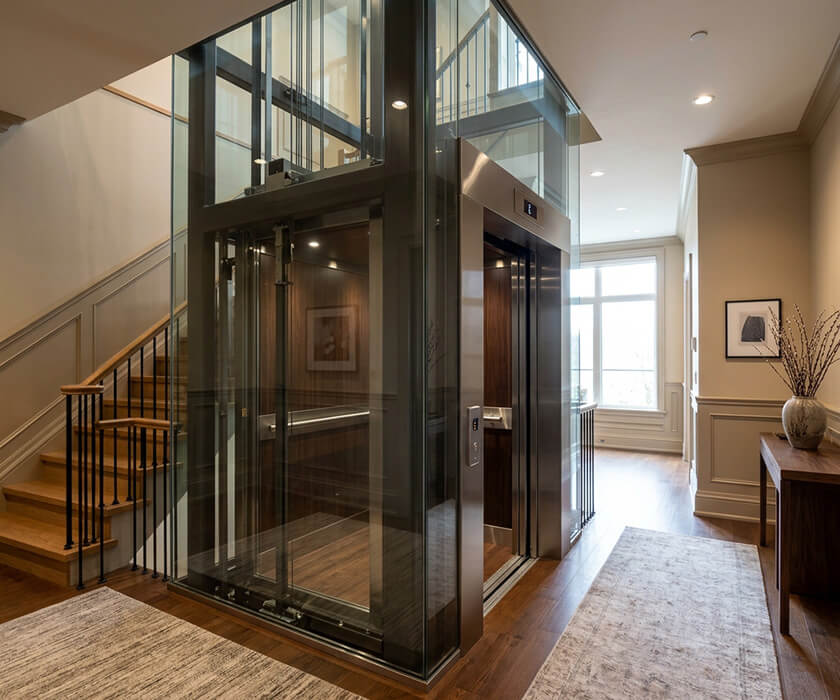
Elevator engineering components influence passenger safety, operating consistency, and overall equipment performance. Modern lifting systems incorporate several mechanisms designed to manage cabin movement and respond to unexpected operating conditions. Selecting a Passenger Lift in Rawalpindi requires evaluating essential components such as door sensors, emergency power arrangements, braking equipment, and cabin controls. These elements contribute to dependable transportation across different property categories. Developers should review manufacturer specifications and applicable safety requirements before approving equipment. Appropriate engineering provisions also help reduce operational interruptions. Understanding these components supports better procurement decisions and long-term elevator functionality.
1- Enhanced Occupant Entry Protection Through Elevator Door Detection Mechanisms
Elevator door detection mechanisms help protect passengers during cabin entry and exit by identifying obstructions within the doorway. Modern systems commonly incorporate infrared sensors or light curtains that detect objects and trigger automatic door reopening. These components improve convenience for children, elderly occupants, and individuals carrying luggage. When selecting a Passenger Lift in Rawalpindi, property owners should examine sensor coverage, door response settings, and control compatibility. Properly configured detection equipment helps minimize accidental contact during passenger movement. Regular inspection also supports consistent operating performance. Suitable door protection arrangements contribute to a safer transportation environment.
2- Uninterrupted Lift Operation With Reliable Emergency Power Restoration Equipment
Emergency power restoration equipment helps manage elevator operation during unexpected electricity interruptions. Automatic rescue devices can move a passenger cabin towards a suitable landing and release occupants safely when compatible backup arrangements are installed. Selecting a Passenger Lift in Rawalpindi requires evaluating emergency battery capacity, power supply compatibility, and control panel specifications. Developers should confirm whether the proposed equipment supports automatic rescue operation or requires a dedicated generator connection. Proper electrical planning also helps reduce unexpected service interruptions. Regular equipment testing ensures emergency arrangements remain functional. These provisions strengthen operational preparedness and passenger confidence.
3- Optimized Cabin Dimensions for Passenger Lift in Rawalpindi Within Limited Areas
Cabin dimensions play an important role in determining passenger comfort and the practical use of available building space. Proper measurements help accommodate expected occupancy without creating unnecessary structural requirements. A Passenger Lift in Rawalpindi should be selected according to shaft width, cabin depth, doorway clearance, and rated load. Architects must also consider wheelchair accessibility where required by applicable regulations and project specifications. Suitable cabin proportions can improve passenger entry and movement between floors. Accurate dimensional planning helps prevent costly structural adjustments during installation. Coordinating these measurements with elevator engineers supports better equipment compatibility.
Verifyne Lift Consultancy Comprehensive Project Advisory for Passenger Transportation Developments
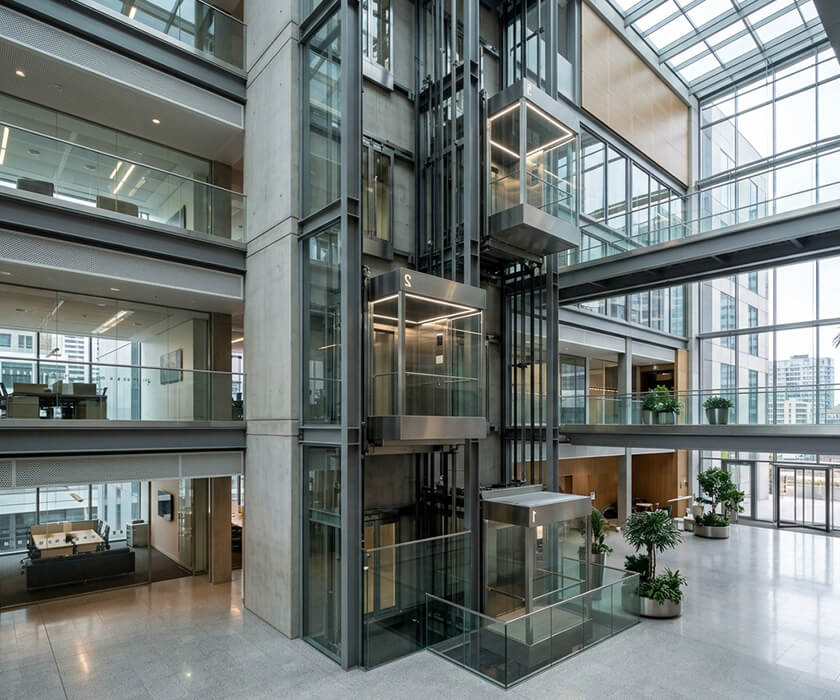
Successful elevator development requires careful planning, technical coordination, and informed equipment selection throughout the project lifecycle. Verifyne Lift Consultancy provides professional advisory support for evaluating transportation requirements and coordinating engineering considerations. Its consultancy approach helps clients understand suitable equipment categories, structural limitations, and procurement specifications. Planning a Passenger Lift in Rawalpindi requires assessing building dimensions, passenger demand, operational expectations, and available investment. Technical reviews can help identify potential design conflicts before implementation progresses. Proper project coordination also supports compliance with agreed specifications. These advisory services assist property stakeholders in making informed elevator development decisions.
1- Equipment Selection Guidance for Meeting Elevator Performance Requirements
Choosing suitable elevator equipment requires an understanding of passenger demand, building height, operating frequency, and technical limitations. Different systems offer specific advantages depending on their intended application and architectural arrangement. Verifyne Lift Consultancy can provide guidance on evaluating traction, hydraulic, and machine room-less configurations against project requirements. A Passenger Lift in Rawalpindi should match the expected occupancy and available structural provisions. Reviewing rated load, travel speed, motor capacity, and control arrangements helps establish suitable equipment specifications. Careful comparisons also support purchasing decisions. This assessment helps clients identify appropriate lifting systems for their intended applications.
2- Structural Compatibility Assessment for Passenger Lift in Rawalpindi Projects
Structural compatibility is an important consideration when planning elevator installations within existing or newly designed properties. Engineers must examine shaft dimensions, pit depth, overhead clearance, landing positions, and available machinery space. Verifyne Lift Consultancy can assist with technical assessments that align proposed elevator specifications with architectural drawings. A Passenger Lift in Rawalpindi requires accurate dimensional coordination to avoid unnecessary structural modifications. Reviewing building conditions before equipment procurement also helps identify potential engineering limitations. Proper documentation supports communication between architects, contractors, and elevator suppliers. These assessments contribute to more organized project preparation and technical planning.
3- Implementation Monitoring for Maintaining Elevator Project Specifications
Elevator implementation requires consistent coordination to ensure that equipment arrangements follow approved technical and architectural specifications. Project monitoring involves reviewing equipment documentation, installation progress, dimensional requirements, and agreed engineering provisions. Verifyne Lift Consultancy provides project advisory support to help stakeholders coordinate these activities throughout the implementation process. A Passenger Lift in Rawalpindi should meet the documented requirements established during the planning stage. Reviewing project milestones helps identify discrepancies before they affect completion. Coordination between relevant contractors and suppliers also improves project organization. Proper oversight supports specification alignment and informed project management.