Frequently Asked Questions:
What factors should I consider before choosing a lift installation company?
Check the supplier’s technical experience, equipment quality, safety certifications and after-sales support before finalizing your project.
How often should commercial elevators undergo safety inspections?
Professional inspections should follow manufacturer recommendations and applicable safety regulations to identify faults and maintain reliable operation.
Where can I get expert assistance for elevator installation and maintenance?
Contact 0321 586 3975 for information about lift installation, inspection services and maintenance arrangements.
Professional elevator services improve passenger accessibility across residential complexes, corporate offices and public facilities. Engineering assessments help determine suitable equipment specifications, installation requirements and operating standards. Reliable Lift Installation combined with regular inspections helps identify mechanical concerns early, while scheduled maintenance preserves equipment condition and passenger safety. Qualified technical assistance also helps property owners maintain dependable elevator performance throughout Pakistan.
High Occupancy Facilities in Pakistan Requiring Professional Lift Safety Assessments
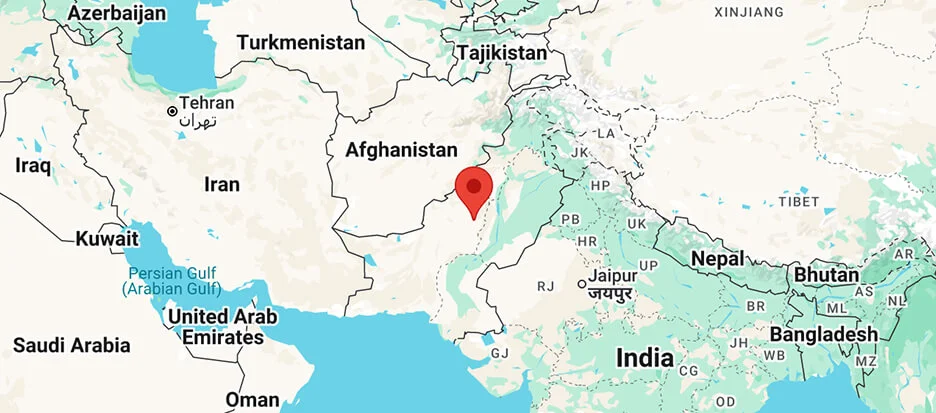
Busy facilities require dependable passenger transportation to accommodate frequent movement between multiple floors. Shopping centres, hospitals, hotels, educational institutions and corporate towers across Pakistan experience substantial daily elevator usage. Professional safety assessments help identify mechanical weaknesses, verify operating conditions and evaluate passenger protection mechanisms. Regular technical examinations also help facility administrators maintain accessibility standards while reducing unexpected equipment interruptions.
Why Does Reliable Lift Installation Require Detailed Technical Evaluation Before Project Approval
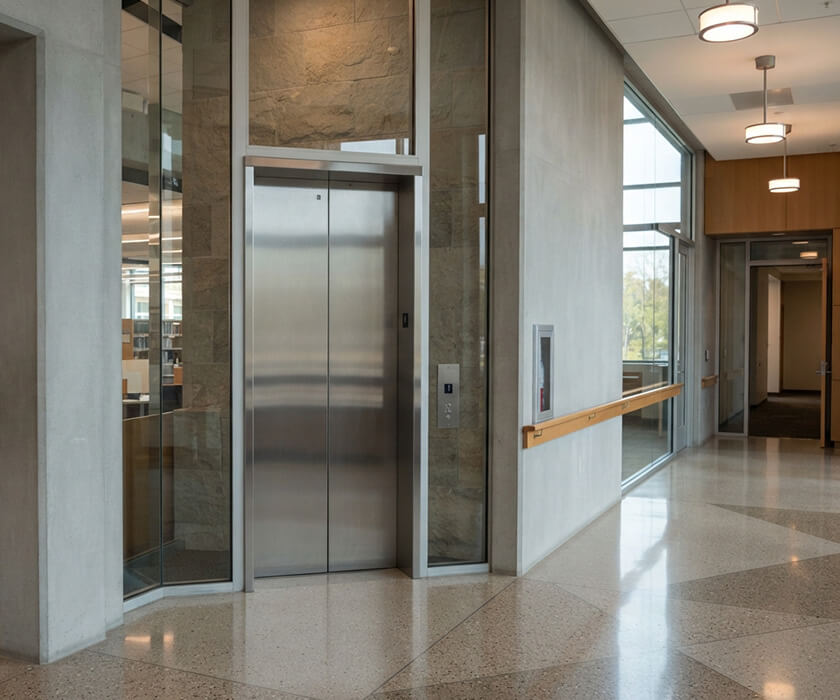
Reliable Lift Installation requires careful engineering assessment before construction activities or equipment procurement begin. Evaluating shaft dimensions, structural clearances, electrical capacity and expected passenger demand helps determine suitable project specifications. Detailed technical reviews also identify potential design conflicts before they create additional expenses. Proper preparation supports regulatory compliance, improves operational planning and helps property owners make informed decisions regarding long term elevator performance.
1- Avoiding Expensive Shaft Modifications For Traction Lifts Before Construction
Accurate shaft measurements help prevent costly architectural changes during later construction stages. Traction lifts require appropriate overhead clearance, pit depth and equipment positioning to accommodate their mechanical arrangements. Reviewing these dimensions before installation helps coordinate elevator requirements with architectural drawings. Early engineering verification also reduces construction delays while allowing developers to allocate suitable space for dependable passenger transportation.
2- Passing Mandatory Safety Inspections For Hydraulic Elevators Without Delays
Hydraulic elevators require careful examination of their lifting mechanisms, pressure controls, emergency lowering arrangements and safety devices. Verifying these components against applicable engineering requirements helps prepare projects for mandatory inspection procedures. Proper documentation also supports technical approval while reducing the likelihood of corrective work. Consistent compliance checks contribute to safer passenger movement and dependable operating conditions.
3- Lowering Daily Power Consumption In Machine Room-Less (MRL) Lifts Over Time
Energy consumption remains an important consideration when selecting elevator equipment for frequently occupied premises. Machine Room-Less (MRL) lifts can incorporate efficient drive arrangements, intelligent standby functions and controlled lighting systems. Evaluating these components helps property owners understand expected electricity requirements before procurement. Appropriate operating adjustments can further reduce unnecessary power usage while maintaining comfortable passenger transportation.
Comparative Budget Assessment for Elevator Equipment Within Different Structural Environments
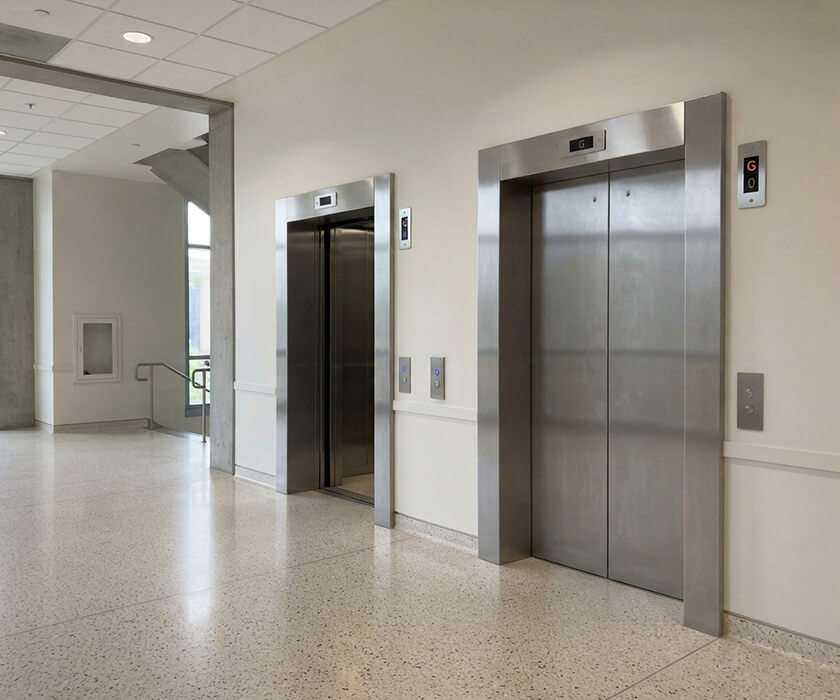
Elevator expenditure varies according to rated capacity, travel height, floor count and the engineering requirements of individual properties. Residential developments may require compact passenger arrangements, whereas public institutions and commercial complexes often demand higher operating capacities. Comparing installation expenses, inspection charges and recurring maintenance allocations helps property owners prepare realistic financial plans. A detailed cost assessment also makes it easier to evaluate equipment specifications before approving a project.
Anticipated Fitting Expenses for Traction Elevators Across Residential Developments
Traction elevator installation expenses depend on cabin capacity, floor coverage, shaft dimensions and selected mechanical components. Residential developments generally require equipment that accommodates household passenger demand while maintaining comfortable floor access. Evaluating these specifications helps determine the initial procurement budget and necessary structural preparation. The following figures provide an illustrative planning estimate rather than a confirmed supplier quotation.
Rated Load: 450 kg
Number of Floors: 2
Estimated Price (PKR): 2,200,000–3,500,000
Specialist Inspection Rates for Hydraulic Lifts Throughout Public Sector Facilities
Public sector facilities require regular technical examinations to assess hydraulic pressure arrangements, control mechanisms, door operations and emergency safety functions. Inspection expenses depend on rated capacity, floor coverage, equipment condition and the scope of assessment. Establishing an appropriate inspection budget helps facility administrators arrange professional evaluations while maintaining documented operating standards. The following amount is an indicative allowance for a specialist inspection visit.
Rated Load: 630 kg
Number of Floors: 4
Estimated Price (PKR): 25,000–60,000
Periodic Maintenance Allocations for MRL Elevators Serving Commercial Complexes
Commercial properties with frequent passenger activity require scheduled maintenance to preserve elevator performance and identify developing mechanical faults. Machine Room-Less (MRL) elevators require attention to drive assemblies, control panels, door mechanisms and electrical components. Annual service allocations depend on operating frequency, floor coverage and contractual responsibilities. The following estimate provides an indicative allowance for routine preventive maintenance.
Rated Load: 1,000 kg
Number of Floors: 8
Estimated Price (PKR): 300,000–600,000
| Product | Passengers / Weight / Size | Category | Condition | Make | Estimated Cost (PKR) |
|---|---|---|---|---|---|
| Commercial passenger lift electric 630kg | 6-8 persons | Semi Imported | New | Turkey/China | 2,150,000 PKR |
| Imported FUJI lift 630kg | 6-8 persons | Fully Imported | New | China | 2,232,560 PKR |
| Panoramic passenger lift electric 630kg | 6-8 persons | Semi Imported | New | Turkey/China | 2,500,000 PKR |
| Home electric 200 kg (refurbished motor) | 2-3 persons | Semi Imported | Refurbished | Any | 1,150,000 PKR |
| Home electric 300 kg (new motor) | 4 persons | Semi Imported | New with Microprocessor VVVF | Turkey/China | 1,350,000 PKR |
| Home Hydraulic lift 250 kg | 2-4 persons | Semi Imported | New | Turkey/China | 700,000 PKR |
| Home Hydraulic lift 150 kg | 1 person | Semi Imported | New | Turkey/China | 650,000 PKR |
| Dumbwaiter Elevator Electric | 200–300 kg | Semi Imported | new | Turkey/China | 2,500,000 PKR |
|
Stair lift for straight stairs only 14 ft |
1 person |
Fully Imported |
new |
UK |
1,100,000 PKR |
|
Stair lift for straight stairs only 22ft |
1 person |
Fully Imported |
new |
UK |
1,250,000 PKR |
Advanced Protection Mechanisms for Dependable Vertical Transportation Systems in Commercial Properties
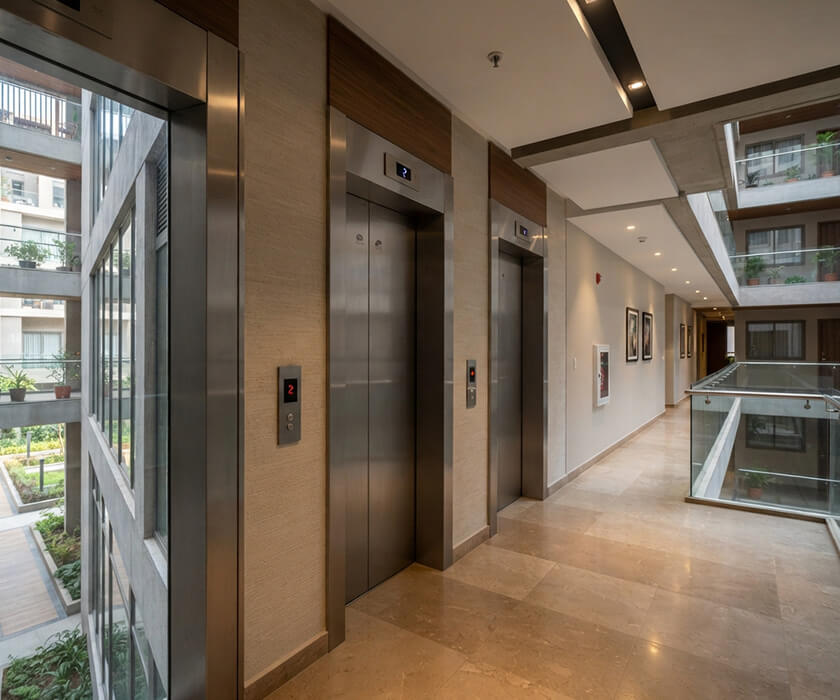
Commercial elevator systems require effective protective arrangements to accommodate frequent passenger movement and demanding operating schedules. Safety interlocks, emergency communication devices, overload sensors and automatic braking mechanisms contribute to secure daily operation. Professional technical supervision helps verify the condition of these components, while responsive repair arrangements address unexpected mechanical concerns. Preventive examinations also support longer component life and more consistent equipment performance.
1- Verified Engineering Specifications During Reliable Lift Installation Planning
Reliable Lift Installation planning requires accurate engineering documentation to establish suitable structural dimensions, electrical arrangements and passenger capacity requirements. Reviewing technical drawings before project approval helps identify design inconsistencies and confirm essential safety provisions. Proper specification verification also supports coordination between architects, contractors and elevator specialists. This preparation helps establish a clear technical foundation for successful project execution.
2- Reduced Operational Interruptions Through Rapid Elevator Repair Assistance
Unexpected mechanical faults can interrupt passenger movement and affect daily activities in busy commercial properties. Prompt technical assistance helps identify equipment problems and arrange appropriate corrective procedures. Professional repair coordination also reduces extended service interruptions by prioritizing essential mechanical checks and component replacement where necessary. Responsive support contributes to dependable operating conditions and improved passenger convenience.
3- Extended Component Durability Via Scheduled Lift Condition Evaluations
Regular equipment evaluations help identify mechanical wear, electrical irregularities and developing performance concerns before they become major faults. Examining door assemblies, traction components, control circuits and braking arrangements supports timely corrective action. Planned maintenance also helps preserve essential operating components while reducing the likelihood of unexpected breakdowns. Consistent technical attention contributes to dependable elevator performance over extended operating periods.
Verifyne Lift Consultancy Integrated Technical Coordination for Successful Elevator Project Development
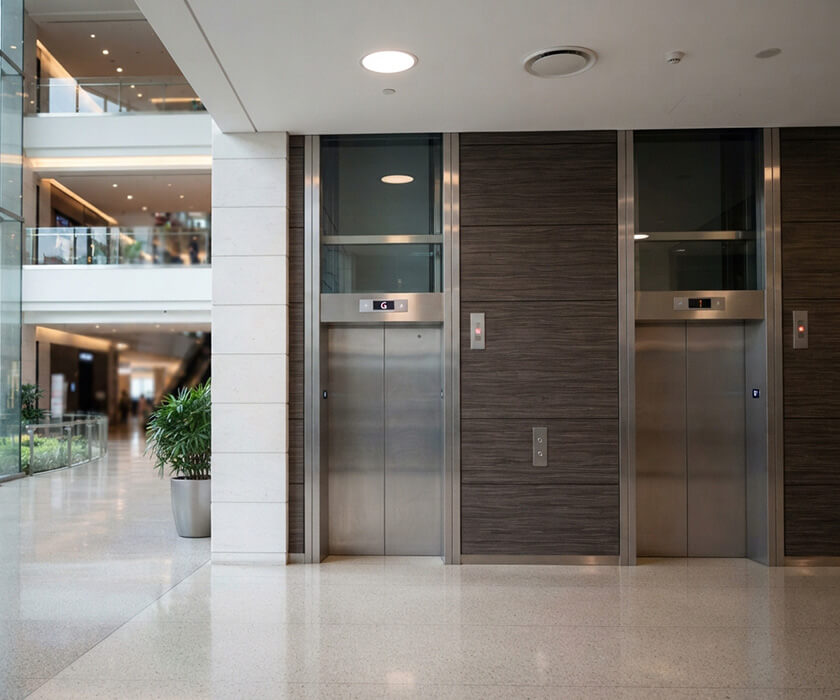
Professional elevator planning requires accurate engineering assessments, technical documentation reviews and effective project coordination. Verifyne Lift Consultancy provides guidance on architectural drawings, structural dimensions and equipment requirements to help property developers make informed procurement decisions. Careful evaluation also identifies potential complications before implementation begins. Structured consultancy support helps maintain project requirements while encouraging suitable elevator selection.
1- Building Configuration Analysis Supporting Reliable Lift Installation Decisions
Building configuration analysis helps establish suitable elevator placement according to available space, floor arrangements and structural dimensions. Reliable Lift Installation decisions benefit from reviewing shaft measurements, entrance positioning and overhead clearances before procurement approval. Detailed assessments also help identify architectural limitations that could affect equipment selection. This technical preparation supports better project coordination and more accurate engineering specifications.
2- Regulatory Requirement Verification for Maintaining Elevator Safety Compliance
Elevator projects must address applicable safety requirements, technical documentation and relevant engineering standards before approval. Reviewing regulatory provisions helps determine whether proposed arrangements meet essential passenger protection and operating criteria. Professional verification also assists developers in identifying documentation gaps that may require attention. Proper compliance planning supports informed project decisions and promotes safer elevator operation.
3- Routine Lift Performance Assessments for Sustained Operational Consistency
Periodic performance assessments help evaluate elevator operating conditions, mechanical behaviour and passenger accessibility. Reviewing inspection records and maintenance reports provides useful information about recurring faults and component deterioration. Technical evaluations also help property administrators identify areas requiring specialist attention. Consistent monitoring supports informed maintenance planning and contributes to sustained equipment reliability.