Frequently Asked Questions:
Which type of home elevator is suitable for a multi-storey villa?
Hydraulic, MRL, and panoramic elevators may suit different layouts depending on available space, passenger capacity, and budget.
How often should a residential elevator be serviced?
Home elevators should receive routine maintenance according to the manufacturer’s recommendations and usage to support safe, reliable operation.
How much does a villa passenger elevator cost in Pakistan?
The price depends on cabin size, number of floors, lifting system, and installation requirements. Call 0321 586 3975 for project guidance.
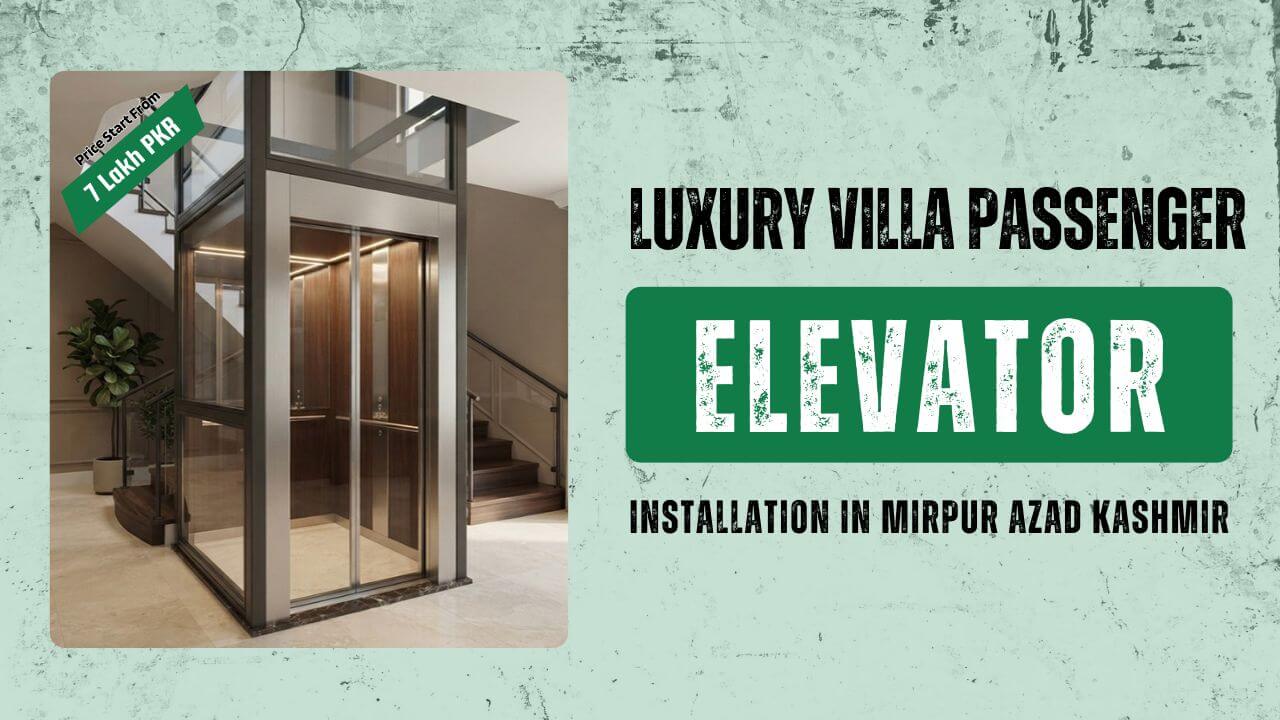
Luxury villas with multiple floors can benefit from a well-planned passenger elevator that improves daily accessibility, interior convenience, and property functionality. Professional planning helps determine suitable cabin dimensions, landing positions, and structural requirements according to the building layout. Villa Passenger Elevator Installation can make movement between bedrooms, lounges, upper-floor terraces, and other living areas more comfortable. Homeowners should consider passenger capacity, operating noise, energy consumption, and long-term maintenance before selecting equipment. Interior finishes can also complement the villa’s architectural style while maintaining a refined appearance. Verifyne Lift Consultancy helps property owners assess installation requirements according to their residential layouts and usage needs. Careful project planning supports dependable operation, practical floor access, and lasting value for upscale homes in Mirpur Azad Kashmir.
Multi-Level Villas in Mirpur Azad Kashmir Ideal for Private Home Lift Installation
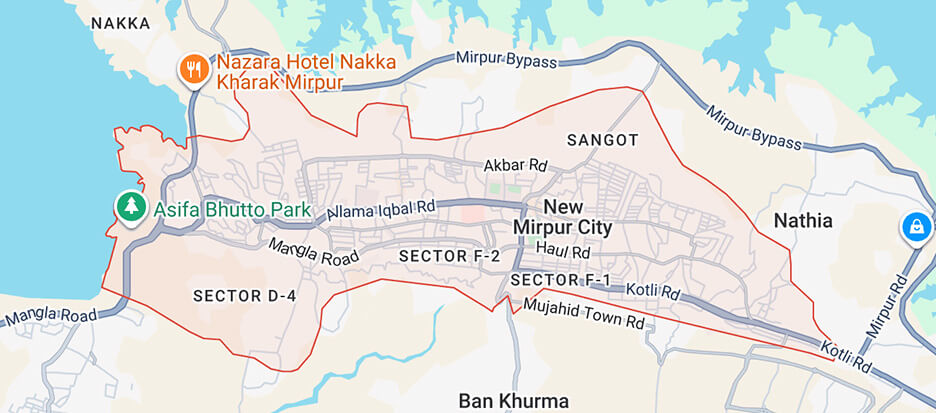
Multi-level villas often feature separate bedrooms, entertainment areas, rooftop spaces, and family lounges across several floors. Reaching these areas repeatedly can become inconvenient without suitable vertical transportation. A private home lift provides a practical way to improve accessibility while supporting the property’s overall design. Villa owners in Mirpur Azad Kashmir can evaluate available shaft space, floor heights, electrical provisions, and expected passenger demand before beginning construction. A properly planned installation can also help older family members and people with limited mobility move between levels more comfortably. Cabin dimensions, door placement, and interior finishes should suit the building’s layout and daily requirements. Professional consultation helps homeowners compare suitable equipment options, estimate project expenses, and plan installation work efficiently.
Why Can Villa Passenger Elevator Installation Increase the Appeal of High-End Residential Properties
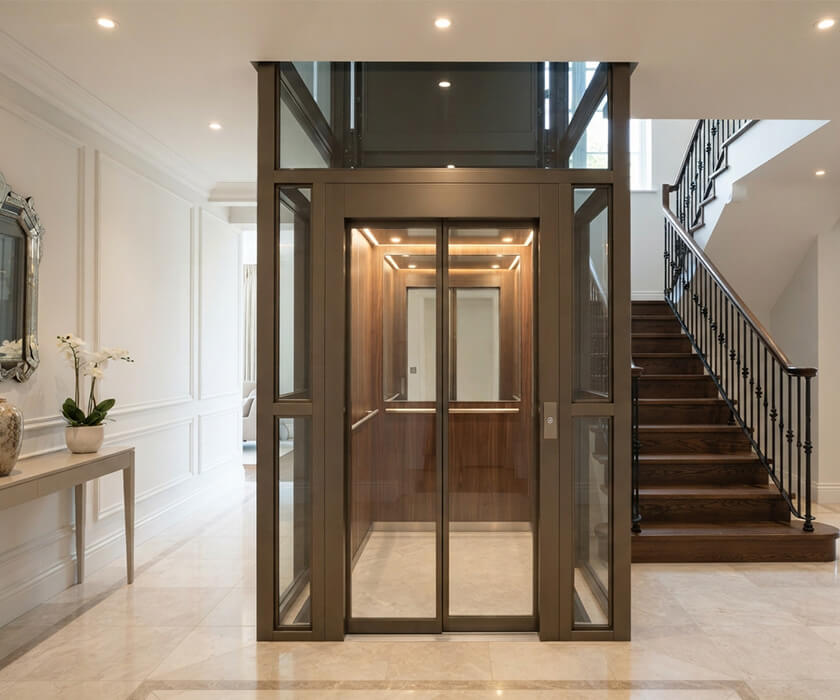
High-end residential properties often benefit from features that improve convenience, accessibility, and everyday comfort. A passenger elevator provides easier movement between floors while making multi-storey layouts more practical for families and guests. Villa Passenger Elevator Installation can also strengthen a property’s appeal by combining functional access with an interior design that complements the home. Buyers may appreciate convenient floor-to-floor movement, especially in villas with several bedrooms, entertainment spaces, or rooftop facilities. Installation planning should account for structural suitability, passenger capacity, energy requirements, and ongoing servicing. Attractive cabin finishes and reliable controls can further contribute to a cohesive residential environment. With suitable equipment and professional installation, homeowners can improve usability while supporting the long-term appeal of their property.
1- Sophisticated Living Spaces With Glass Cabin Elevators in Modern Homes
Glass cabin elevators can introduce a contemporary architectural element into modern homes while supporting convenient movement between floors. Transparent panels allow the cabin to blend with surrounding interiors and may help preserve an open visual impression. Homeowners can choose glass finishes, lighting arrangements, and cabin details that complement staircases, hallways, and interior materials. During planning, it is important to assess structural support, suitable installation space, passenger capacity, and safety requirements. Professional Villa Passenger Elevator Installation planning can help coordinate the cabin design with the building layout without compromising everyday functionality. Glass selection should also consider durability, visibility, cleaning requirements, and manufacturer specifications. A carefully designed installation can combine practical accessibility with an elegant appearance suited to contemporary villa interiors.
2- Convenient Daily Mobility Via Hydraulic Lifts for Multi-Storey Living
Hydraulic lifts can provide convenient floor-to-floor transportation in suitable residential buildings, depending on the building height, available space, and intended usage. Their design typically uses a hydraulic power unit to move the lift platform or cabin between designated stops. Homeowners should assess load capacity, travel distance, equipment placement, power requirements, and maintenance access before choosing a system. A professional site inspection can identify installation considerations and help determine whether a hydraulic arrangement fits the property. Smooth operation, appropriate door protection, and dependable emergency procedures are important factors when evaluating available models. Regular servicing also helps identify wear, fluid-related concerns, and component issues before they affect performance. Selecting equipment according to the building’s actual requirements can support comfortable daily mobility across multiple levels.
3- Better Interior Space Allocation Using MRL Lifts in Private Residences
Machine-room-less (MRL) lifts can help residential designers plan vertical transportation without allocating a separate conventional machine room. This arrangement may create greater flexibility when organizing available building space, although a suitable shaft and required equipment clearances remain necessary. Architects should evaluate the proposed lift location alongside staircases, corridors, bedrooms, and other essential areas. Cabin capacity, travel height, maintenance access, and manufacturer requirements also influence the final layout. An appropriate MRL design can support efficient movement between floors while keeping the installation aligned with the property’s architectural plan. Homeowners should compare technical specifications, energy requirements, and service arrangements before making a decision. Professional assessment helps ensure that space-saving objectives remain compatible with safety, accessibility, and reliable operation.
Total Installation Expenses for Luxury Passenger Elevators in Exclusive Multi-Level Villa Residences
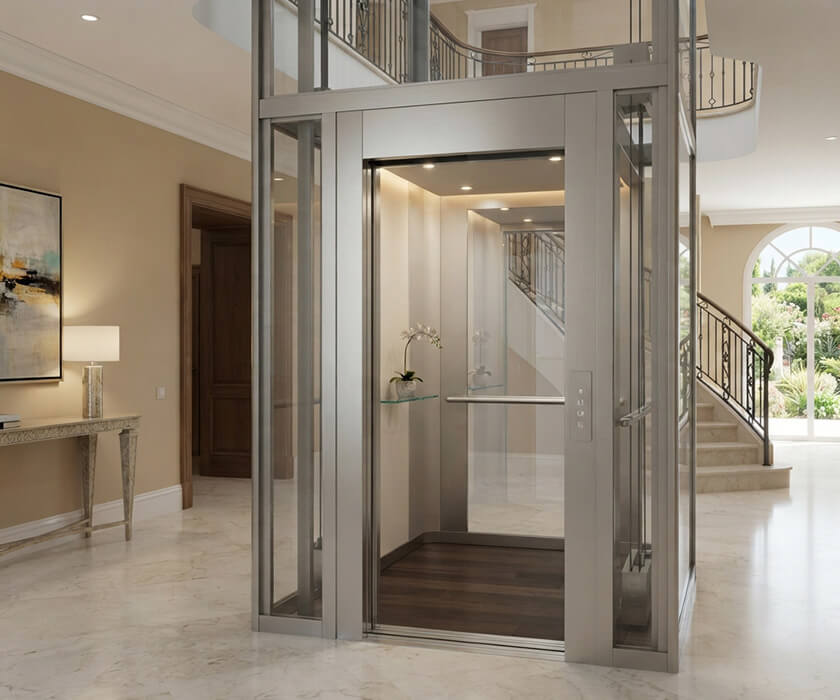
The total expense of installing a passenger elevator in a luxury villa depends on the selected system, cabin specifications, number of stops, and building preparation requirements. Additional costs may include shaft construction, electrical work, landing doors, interior finishes, transportation, and commissioning. Homeowners should compare quotations carefully to understand which components and services are included in the proposed price. Villa Passenger Elevator Installation costs can vary considerably according to the property layout, equipment specifications, and site conditions. Existing buildings may require additional structural modifications compared with villas designed with a lift shaft from the beginning. Maintenance arrangements, warranty coverage, and the availability of replacement parts should also influence budgeting decisions. The following estimates are illustrative planning figures in Pakistani rupees, not verified supplier quotations; an on-site assessment is needed for an accurate price.
1- Budget Estimate for Panoramic Cabin Lifts in Luxury Residential Interiors
Panoramic cabin lifts combine passenger transportation with transparent surfaces that can complement contemporary residential interiors. Their overall price depends on cabin dimensions, glass specifications, landing arrangements, travel height, and the selected drive system. Villa owners should also account for shaft preparation, structural support, installation labour, electrical provisions, and finishing work. The following figures provide an indicative budgeting example rather than a confirmed market quotation. Actual prices may vary according to manufacturer, equipment origin, customization, site access, and applicable taxes. A detailed supplier quotation should clarify installation inclusions, warranty terms, testing, and handover requirements. Comparing multiple proposals can help homeowners balance visual preferences, passenger needs, and the available project budget.
Cabin Measurements: 1.4 m × 1.4 m
Required Stops: 3
Expected Installation Cost: PKR 4,500,000–6,000,000
Pricing Assessment for Hydraulic Domestic Elevators in Multi-Storey Homes
Hydraulic domestic elevators may suit certain low-rise homes where the building configuration supports this type of lifting system. Pricing depends on passenger load, total travel height, cabin dimensions, hydraulic equipment, landing doors, and installation conditions. The project budget may also include shaft preparation, electrical connections, safety components, and commissioning services. Homeowners should confirm whether the quoted amount includes civil works, transportation, taxes, and after-sales support. Hydraulic equipment requires appropriate maintenance, including inspections of relevant mechanical components and hydraulic systems. The figures below are broad illustrative estimates for early planning and should not be treated as verified supplier prices. A site survey and written quotation are necessary to establish the actual project expense.
Passenger Load: 4 persons (approximately 320 kg)
Floor Height: 3.3 m per floor
Estimated Project Expense: PKR 3,000,000–5,500,000
Financial Planning for Compact MRL Lifts in Exclusive Villa Developments
Compact machine-room-less lifts can help integrate passenger transportation into villa designs where allocating a separate machine room is impractical. Their installation cost depends on the number of floors, rated load, shaft dimensions, control equipment, and selected cabin finishes. Construction readiness is another important consideration because shaft preparation, landing openings, electrical provisions, and equipment clearances affect the total budget. Homeowners should review the supplier’s technical drawings before finalizing the building layout. It is also helpful to include commissioning, warranty coverage, scheduled maintenance, and possible future servicing in the financial plan. The following price range is an illustrative estimate rather than a verified quotation for a specific property. Final pricing should be confirmed with an experienced lift provider after reviewing site conditions and technical requirements.
Number of Floors: 3
Rated Load: 320 kg
Anticipated Installation Charges: PKR 3,500,000–6,500,000
| Product | Passengers / Weight / Size | Category | Condition | Make | Estimated Cost (PKR) |
|---|---|---|---|---|---|
| Home electric 200 kg (refurbished motor) | 2-3 persons | Semi Imported | Refurbished | Any | 1,150,000 PKR |
| Home electric 300 kg (new motor) | 4 persons | Semi Imported | New with Microprocessor VVVF | Turkey/China | 1,350,000 PKR |
| Home Hydraulic lift 250 kg | 2-4 persons | Semi Imported | New | Turkey/China | 700,000 PKR |
| Home Hydraulic lift 150 kg | 1 person | Semi Imported | New | Turkey/China | 650,000 PKR |
Advanced Home Lift Mechanisms Supporting Comfortable Access Throughout Private Residential Buildings
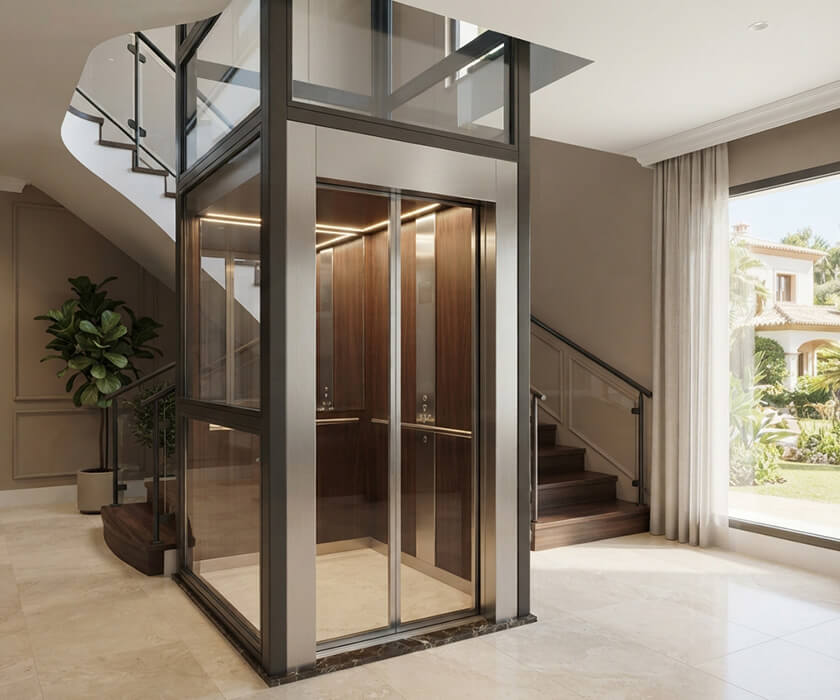
Modern home lift mechanisms can improve accessibility through responsive controls, reliable movement, and features designed around everyday passenger needs. Depending on the selected model, available options may include automatic doors, digital control panels, emergency communication, and energy-efficient operating functions. Homeowners should evaluate how these features fit the building’s layout and the needs of regular users. Villa Passenger Elevator Installation planning should include appropriate safety systems, equipment compatibility, and access to qualified maintenance services. Smart controls can provide additional convenience when supported by the elevator’s design and control system. However, technology selection should prioritize dependable operation and straightforward use rather than unnecessary complexity. A professionally specified installation can help create a comfortable home environment while supporting safe movement between floors.
1- Precision Drive Controls Supporting Villa Passenger Elevator Installation
Precision drive controls help regulate elevator movement, acceleration, deceleration, and stopping accuracy at each landing. Properly configured controls can improve ride comfort and reduce abrupt movement during normal operation. The appropriate control arrangement depends on the elevator model, motor system, rated capacity, travel height, and expected usage. During Villa Passenger Elevator Installation, technical teams should configure and test the drive system according to manufacturer requirements and applicable safety standards. Accurate floor leveling is particularly important for comfortable entry and exit. Regular inspection can help identify control faults, unusual movement, or inconsistent stopping performance. Choosing compatible components and arranging professional commissioning supports reliable operation throughout the elevator’s service life.
2- Personalized Wall Panels Giving Home Lifts Distinctive Interior Appeal
Personalized wall panels allow homeowners to coordinate an elevator cabin with the colours, materials, and finishes used throughout their villa. Options may include stainless steel, decorative laminates, selected glass finishes, or other manufacturer-approved interior materials. The final selection should consider durability, cleaning requirements, lighting, cabin dimensions, and overall design consistency. Wall panels should not obstruct controls, ventilation, emergency communication equipment, or required safety features. Homeowners can request material samples and finish specifications before confirming their preferred cabin appearance. Professional installation helps ensure that decorative elements fit securely and remain compatible with the elevator design. Thoughtful interior customization can create a cohesive appearance while maintaining practical use and straightforward upkeep.
3- Voice Commands Connecting Residential Elevators With Smart Assistants
Voice-command functionality may allow compatible residential elevators to interact with selected smart-home assistants or approved control devices. Depending on the system, users may be able to request certain functions through voice-enabled interfaces, but available commands vary by manufacturer and installation configuration. Homeowners should confirm compatibility, privacy settings, network requirements, and cybersecurity provisions before choosing this feature. Elevator movement and safety functions must remain governed by the system’s approved controls and protective mechanisms. Voice interaction should supplement rather than replace essential buttons, emergency communication, or other required controls. Professional integration can help verify that connected devices operate as intended without interfering with elevator safety systems. Reviewing the manufacturer’s documentation is essential before adding smart-home functionality.
Verifyne Lift Consultancy Strategies for Long-Term Household Elevator Performance Improvement
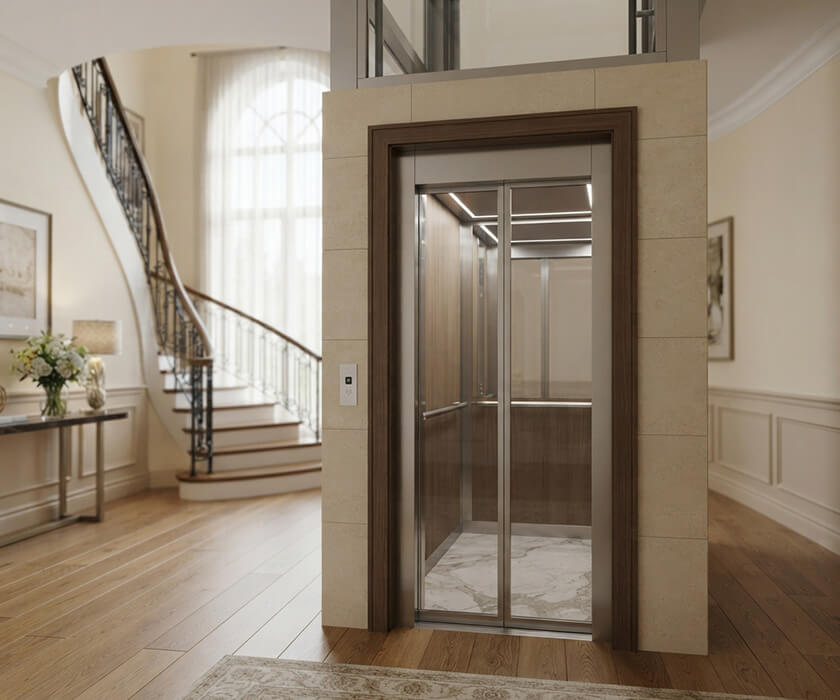
Long-term elevator performance depends on suitable equipment selection, careful installation, regular maintenance, and systematic safety checks. Homeowners should plan for the building’s structural requirements, electrical supply, passenger demand, and access to future servicing before installation begins. Villa Passenger Elevator Installation should be coordinated with construction activities to reduce avoidable delays and costly modifications. Verifyne Lift Consultancy helps property owners plan scheduled inspections, identify control issues, monitor door faults, and address potential maintenance concerns. Detailed service records also make it easier to track equipment history and plan component replacement when necessary. Property owners should use qualified technicians and follow the manufacturer’s maintenance instructions. A structured management approach supports dependable operation, passenger safety, and long-term elevator usability.
1- Technical Site Preparation For Villa Passenger Elevator Installation
Technical site preparation establishes whether the proposed elevator can be installed safely within the building’s available space and structural arrangement. A site assessment typically reviews shaft dimensions, pit depth, overhead clearance, floor openings, electrical supply, and equipment access. Villa Passenger Elevator Installation planning should also account for the proposed cabin size, rated load, number of stops, and manufacturer-specific requirements. Coordination between the lift provider, architect, contractor, and electrician helps prevent conflicts during construction. Any required structural modifications should be reviewed by suitably qualified professionals before work begins. Accurate measurements and approved technical drawings reduce the risk of delays, rework, and unexpected expenses. Completing these checks early helps create suitable conditions for installation, testing, and commissioning.
2- Preventive Maintenance Scheduling for Consistent Home Lift Performance
Preventive maintenance helps keep a home elevator operating reliably by identifying potential problems before they lead to unexpected interruptions. A service schedule should follow the manufacturer’s recommendations, applicable regulations, equipment usage, and the system’s operating conditions. Routine checks may cover door operation, landing accuracy, controls, safety devices, electrical components, and relevant mechanical parts. Homeowners should maintain service records and arrange prompt attention when unusual noises, inconsistent movement, or door problems occur. Maintenance should be performed by qualified elevator technicians rather than untrained occupants. A clear service agreement can outline inspection frequency, emergency support, and the responsibilities of the maintenance provider. Consistent servicing can improve reliability, support passenger safety, and help manage long-term ownership costs.
3- Operational Testing Procedures Confirming Safe Elevator Functionality
Operational testing verifies that an installed elevator functions according to its approved specifications and applicable safety requirements. Checks may include floor stopping accuracy, door interlocks, control responses, emergency communication, overload protection, and relevant safety devices. Testing procedures must be appropriate to the specific elevator model and carried out by qualified personnel. Any faults identified during inspection should be corrected before the elevator is approved for normal use. Documentation of test results provides a useful record for the property owner, installer, and maintenance provider. Follow-up inspections should also be arranged when required by the manufacturer or applicable regulations. Thorough commissioning and appropriate periodic testing help confirm that the elevator operates as intended and remains suitable for everyday passenger use.