When it comes to safeguarding the safety and reliability of elevator systems within Pakistani buildings, there’s no room for compromise. It’s essential to seek out third-party elevator inspectors, as their role is paramount in ensuring optimal functionality and, most importantly, the safety of all passengers. These inspections offer a critical, independent review of elevator performance, meticulously identifying any potential issues or hazards that could pose risks to passenger safety.
In addition to enhancing safety, third-party elevator inspections contribute to the overall efficiency and functionality of elevator systems. By addressing any identified issues promptly and effectively, these lift inspections help prevent accidents and minimize downtime. Furthermore, the insights gained from these evaluations enable building managers to make informed decisions regarding maintenance and repairs, ultimately leading to smoother and more reliable elevator operation.
Ultimately, investing in third-party elevator inspections is not just about compliance; it’s about prioritizing the well-being and satisfaction of building occupants. By proactively identifying and addressing potential issues, these inspections contribute to creating a secure and stress-free environment for passengers. Elevator safety is paramount, and third-party inspections play a crucial role in achieving that goal.
The Need for Elevator Inspections
The need for elevator inspections goes beyond mere compliance; it’s about prioritizing passenger safety and peace of mind. Elevators are crucial for transportation in buildings, and ensuring their reliability is paramount. Third-party elevator inspections offer an unbiased evaluation, identifying any potential hazards or malfunctions that may compromise passenger safety. Moreover, these inspections provide valuable insights that enable building management to make informed decisions regarding maintenance and repairs. Elevator safety is not something to be overlooked; it’s a fundamental aspect of building management that directly impacts the well-being of occupants. Therefore, investing in third-party elevator inspections is not just a recommendation; it’s a necessity for creating a secure and stress-free environment for everyone who relies on elevators for their daily transportation needs.
Importance of Regulatory Compliance
The importance of regulatory compliance cannot be overstated when it comes to elevator safety. Elevators are lifelines in buildings, ferrying people between floors with ease. Third-party elevator inspections play a crucial role in ensuring compliance with safety standards and regulations. By conducting thorough assessments, these inspections identify any discrepancies and ensure that elevators meet the necessary requirements for safe operation. Furthermore, regulatory compliance not only protects passengers but also shields building owners from potential liabilities. Elevator safety is a shared responsibility, and adhering to regulations through third-party inspections is essential for maintaining trust and confidence among occupants. Therefore, investing in regulatory compliance through third-party elevator inspections is not just a legal requirement; it’s a commitment to the well-being and security of all who use elevators.
Future Trends in Elevator Inspections
As we look toward the future, there’s a growing recognition of the pivotal role third-party elevator inspections will play in shaping elevator safety standards. Elevators are evolving with advanced technology, and so too must inspection methods. Third-party elevator inspections, with their impartial evaluations, offer a glimpse into the future of elevator safety. Moreover, they provide insights into emerging trends and technologies that can enhance safety measures. Elevator inspections are not just about meeting regulations but also about staying ahead of the curve. By embracing these inspections, building owners can ensure that their elevators are not only compliant but also equipped to handle future challenges. In fact, third-party elevator inspections are poised to become even more critical as buildings become smarter and more interconnected. Therefore, staying abreast of future trends in elevator inspections is not just prudent—it’s essential for the safety and well-being of all occupants.
importance of Regular Maintenance After Inspections
Regular maintenance is paramount, especially after third-party elevator inspections. These inspections not only ensure compliance but also provide valuable insights into the condition of elevator systems. Furthermore, they highlight areas that require attention to maintain optimal performance. Regular maintenance, in addition to inspections, prolongs the lifespan of elevators and reduces the risk of unexpected breakdowns. Moreover, it fosters a sense of confidence among building occupants, knowing that their safety is a top priority. Elevator maintenance isn’t just about fixing issues—it’s about proactive care and ensuring smooth operation. Therefore, prioritizing regular maintenance after inspections is key to upholding safety standards and ensuring uninterrupted service.
How Third-Party Elevator Inspections Work
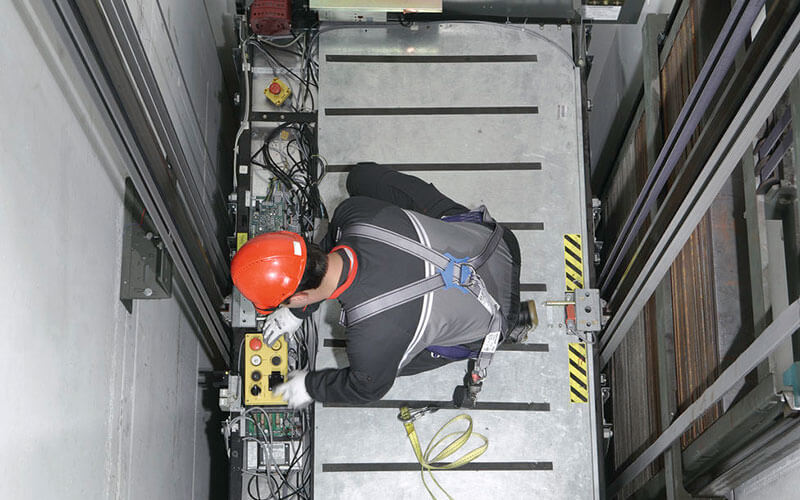
Understanding how third-party elevator inspections work is crucial for ensuring the safety and reliability of elevator systems. These inspections involve thorough examinations conducted by independent experts to assess the condition of elevators and identify any potential issues. Furthermore, they provide an unbiased evaluation, offering peace of mind to building owners and occupants alike. Moreover, besides compliance requirements, third-party inspections contribute to enhancing the overall performance of elevators. Additionally, they often uncover hidden problems that may have gone unnoticed, allowing for timely repairs and maintenance. Elevator inspections are not just routine procedures; they are essential steps in maintaining the safety and functionality of buildings. Therefore, investing in third-party inspections is a proactive measure that demonstrates a commitment to safety and quality service.
By entrusting third-party experts with elevator inspections, building owners can rest assured knowing that their elevators are in capable hands. Furthermore, these inspections go beyond mere compliance—they serve as a vital aspect of proactive maintenance, ensuring optimal performance and longevity of elevator systems. Additionally, they provide valuable insights and recommendations for enhancing safety and efficiency. Moreover, besides identifying existing issues, third-party inspections help prevent potential accidents and breakdowns, ultimately safeguarding the well-being of building occupants. Elevator inspections aren’t just about meeting regulatory standards; they’re about prioritizing the safety and comfort of everyone who relies on elevator systems.
Benefits of Third-Party Elevator Inspections
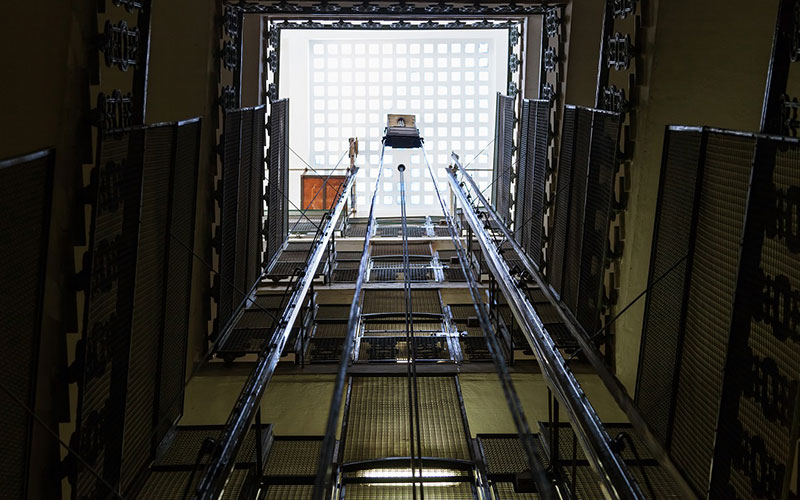
Third-party elevator inspections offer numerous benefits to building owners and occupants alike. These inspections not only ensure compliance with regulations but also provide peace of mind. Furthermore, they go beyond routine maintenance, identifying potential issues before they escalate into costly repairs or safety hazards. Moreover, besides enhancing safety, third-party inspections can improve the overall efficiency and performance of elevator systems, contributing to a smoother and more reliable transportation experience. Additionally, they serve as a proactive measure, demonstrating a commitment to the well-being and satisfaction of building occupants. Elevator inspections aren’t just about meeting standards; they’re about prioritizing safety, reliability, and peace of mind for everyone involved.
By entrusting third-party elevator inspections, building owners demonstrate their dedication to ensuring the safety and comfort of their tenants. Furthermore, these inspections offer valuable insights and recommendations for optimizing elevator performance and longevity. Additionally, besides enhancing safety, third-party inspections can improve the overall reputation of a building, fostering trust and confidence among occupants and visitors. Moreover, the benefits extend beyond regulatory compliance, as proactive maintenance measures can prevent unexpected downtimes and disruptions. In essence, investing in third-party elevator inspections is an investment in the well-being and satisfaction of everyone who relies on elevators for their daily transportation needs.
Common Issues Found During Elevator Inspections
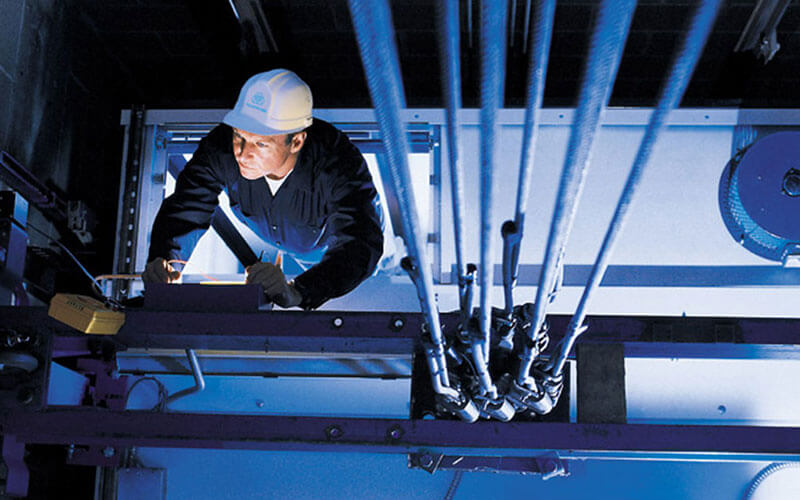
During elevator inspections, third-party inspectors often uncover common issues that could compromise the safety and efficiency of the elevator system. Furthermore, these inspections go beyond mere compliance with regulations, offering comprehensive assessments of elevator performance. Issues such as worn-out components, faulty wiring, or inadequate maintenance practices can pose serious risks to occupants. Additionally, besides identifying existing problems, third-party inspections provide recommendations for preventive measures and corrective actions. By addressing these issues promptly, building owners can ensure the continued safety and reliability of their elevator systems. Ultimately, investing in third-party elevator inspections is a proactive step towards protecting the well-being of building occupants and maintaining the reputation of the property.
Mechanical Issues
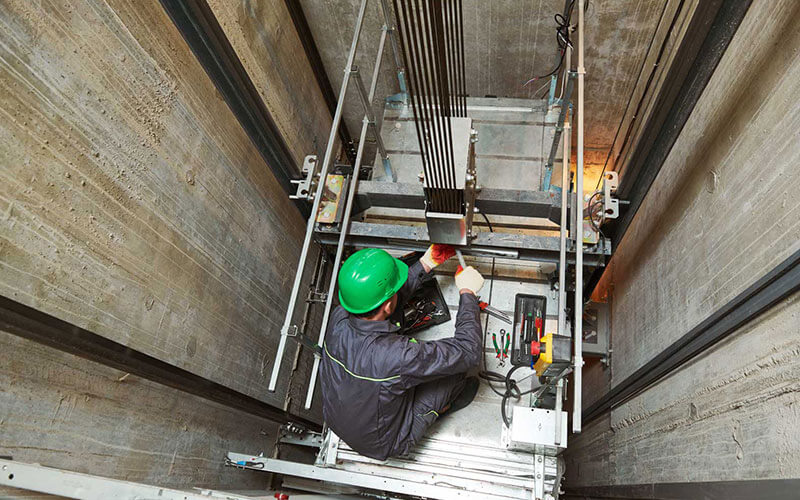
During third-party elevator inspections, mechanical issues are often identified as key areas of concern. Furthermore, these inspections delve deep into the mechanical components of the elevator system, uncovering potential problems that could compromise its operation. Moreover, besides assessing the functionality of motors, pulleys, and cables, inspectors also examine the condition of safety mechanisms and emergency brakes. Mechanical issues, such as worn-out parts or a lack of lubrication, can lead to elevator malfunctions and safety hazards. By addressing these issues promptly, building owners can ensure the smooth and safe operation of their elevators, thus prioritizing the well-being of occupants. Additionally, investing in third-party elevator inspections not only enhances safety but also helps prevent costly repairs and downtime in the future.
Electrical Problems
During third-party elevator inspections, electrical problems are often identified as critical issues that require immediate attention. Furthermore, these inspections meticulously assess the electrical components of the elevator system, including wiring, switches, and control panels. Moreover, besides checking for loose connections or damaged wiring, inspectors also evaluate the functionality of safety features such as emergency lighting and alarm systems. Electrical problems pose significant safety risks to occupants and can lead to elevator malfunctions or even accidents. By addressing these issues promptly, building owners can ensure the reliability and safety of their elevator systems. Additionally, investing in third-party elevator inspections not only enhances safety but also helps prevent potential electrical failures that could result in costly repairs or downtime.
Hydraulics and Fluid Leaks
During third-party elevator inspections, hydraulics and fluid leaks are thoroughly examined to ensure the proper functioning of the elevator system. Furthermore, inspectors assess hydraulic components such as cylinders, valves, and pumps to identify any signs of wear or malfunction. Moreover, besides checking for leaks in hydraulic fluid lines, inspectors also evaluate the hydraulic fluid levels and quality. Hydraulics play a crucial role in elevator operation, and any issues with these components can lead to disruptions in service and potential safety hazards. Investing in third-party elevator inspections not only helps detect and address hydraulic and fluid leaks promptly but also contributes to the overall reliability and safety of the elevator system. Additionally, addressing these issues proactively can prevent costly repairs and minimize downtime, ensuring smooth and efficient elevator operation for building occupants.