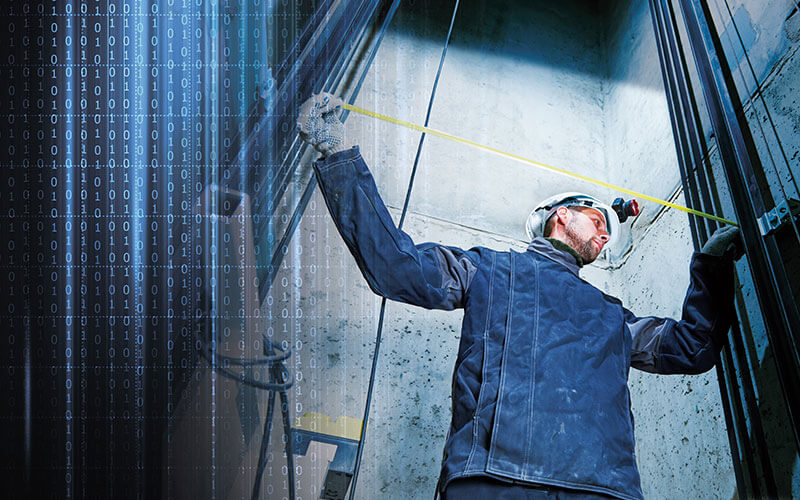
Elevator third-party inspection is a crucial process designed to ensure the safety and reliability of elevator systems. First and foremost, it involves the independent examination and evaluation of elevator components and systems by certified inspectors. They are essential for identifying any potential hazards or malfunctions that could pose risks to passengers or property. Moreover, besides checking for compliance with industry standards and regulations, these inspections also assess the overall performance and efficiency of the elevator system.
Furthermore, they provide an objective assessment of elevator safety measures and protocols. Elevator systems are intricate and require regular maintenance and oversight to ensure their safe operation. Elevator third-party inspections play a vital role in this regard by offering an unbiased evaluation of safety features such as emergency brakes, door sensors, and overload protection. Besides, they also verify the proper functioning of communication systems and emergency lighting, enhancing passenger safety in the event of an emergency.
Additionally, these inspections contribute to building trust and confidence among building occupants and stakeholders. Elevators are a fundamental part of modern infrastructure, and their safe operation is paramount. Elevator third-party inspections reassure passengers and building owners that their elevator systems are regularly monitored and maintained to high safety standards. Moreover, besides ensuring compliance with regulations, these inspections also promote a culture of safety and accountability within the building management. Ultimately, elevator inspections not only ensure compliance but also instill peace of mind and confidence in the reliability of elevator systems.
Understanding Elevator Third-Party Inspections
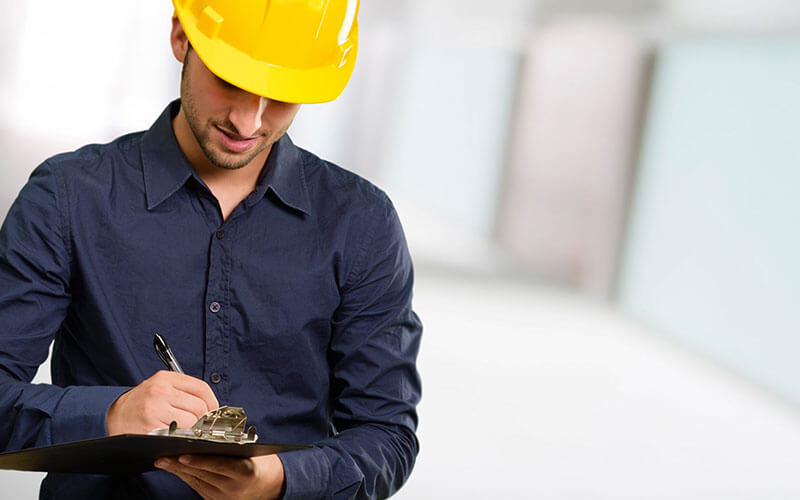
Understanding elevator inspections is essential for ensuring the safety and reliability of elevator systems. Elevator inspections involve the independent assessment and evaluation of elevator components and systems by certified Lift Consultants. Moreover, besides verifying compliance with industry standards and regulations, these inspections also assess the overall performance and efficiency of the elevator system. Elevator third-party inspections provide valuable insights into potential hazards or malfunctions that could jeopardize passenger safety or property. Additionally, they contribute to building trust and confidence among building occupants and stakeholders by demonstrating a commitment to maintaining high safety standards. Ultimately, understanding them is crucial for promoting a culture of safety and accountability within building management.
How Third-Party Inspections Enhance Passenger Confidence
Elevator inspections involve independent evaluation by certified inspectors, providing passengers with assurance that their safety is a top priority. Moreover, besides verifying compliance with industry standards and regulations, these inspections also assess the overall performance and efficiency of the elevator system. Elevator third-party inspections play a vital role in identifying any potential hazards or malfunctions that could jeopardize passenger safety. Additionally, by demonstrating a commitment to maintaining high safety standards, they instill trust and confidence among passengers, contributing to a positive and secure elevator experience. Ultimately, these inspections enhance passenger confidence by ensuring that their well-being is prioritized and that the elevator system is regularly monitored and maintained to the highest safety standards.
Types of Elevator Inspections
Various types of elevator inspections ensure safety and reliability. Elevator third-party inspection involves independent evaluation by certified inspectors, verifying compliance, and assessing performance. Maintenance inspections focus on routine checks and addressing minor issues. Elevator safety inspections prioritize emergency procedures and provide peace of mind to passengers. These inspections uphold safety standards and boost passenger confidence. Maintenance inspections focus on routine checks to address minor issues and optimize operation. Safety inspections prioritize emergency procedures, offering reassurance to passengers. These inspections collectively uphold safety standards, fostering trust in elevator system
Benefits of Regular Elevator Inspections
Regular elevator inspections offer numerous benefits that contribute to the safety and reliability of elevator systems. Elevator third-party inspection, in particular, provides an independent assessment by certified inspectors, ensuring a thorough evaluation of equipment performance. Moreover, besides verifying compliance with industry standards and regulations, these inspections also identify potential hazards or malfunctions that could compromise passenger safety. Additionally, regular elevator inspections help detect minor issues before they escalate into major problems, thus reducing downtime and maintenance costs. Furthermore, besides enhancing safety measures, regular elevator inspections also instill confidence and peace of mind among passengers, knowing that their well-being is prioritized. Ultimately, investing in regular elevator inspections is essential for maintaining the integrity and efficiency of elevator systems and promoting a positive and secure experience for all passengers.
Ensuring Passenger Security through Elevator Third-Party Inspections
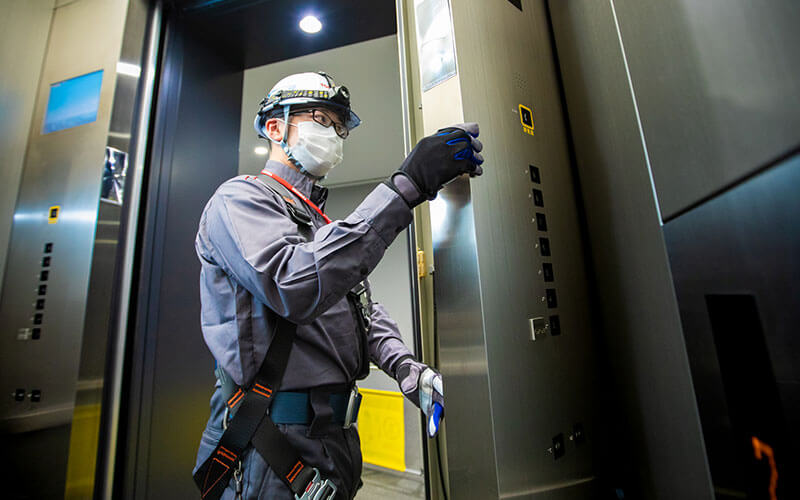
Ensuring passenger security through inspections is paramount to maintaining a safe and trustworthy transportation experience. Elevator third-party inspections involve independent evaluation by certified inspectors, providing an objective assessment of equipment performance and safety features. Moreover, besides verifying compliance with industry standards and regulations, these inspections also identify potential hazards or malfunctions that could compromise passenger security. Furthermore, by addressing any identified issues promptly and effectively, these inspections contribute to creating a secure environment for passengers. Additionally, passengers can have confidence in the reliability of elevator systems, knowing that they undergo regular and thorough inspections to ensure their safety. Ultimately, ensuring passenger security through elevator third-party inspections is essential for fostering trust and peace of mind among passengers, contributing to a positive and stress-free transportation experience.
Furthermore, they serve as a proactive measure to prevent accidents and mitigate potential risks, thus enhancing passenger security. By identifying and addressing any safety concerns before they escalate, these inspections help create a protective barrier around passengers, ensuring their well-being throughout their journey. Moreover, besides ensuring compliance with safety regulations, elevator inspections also instill confidence in passengers, knowing that their safety is prioritized by rigorous and impartial evaluations. Consequently, passengers can feel reassured and comfortable, knowing that their security is actively monitored and maintained. Elevator third-party inspections play a vital role in safeguarding passenger security and promoting a sense of trust and reliability in elevator systems.
The Role of Third-Party Inspections in Elevator Safety
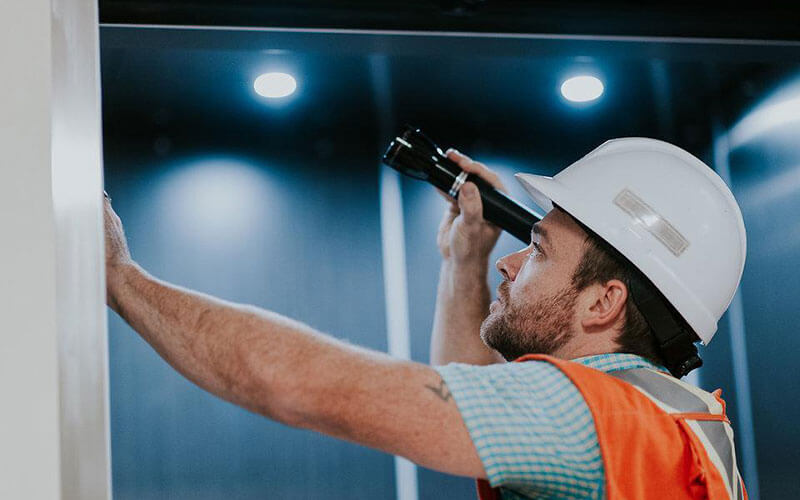
The role of third-party inspections in elevator safety is pivotal for ensuring the reliability and security of elevator systems. These inspections involve an independent assessment by certified inspectors, providing an impartial evaluation of equipment performance and safety features. Moreover, besides verifying compliance with industry standards and regulations, these inspections also identify potential hazards or malfunctions that could compromise passenger safety. Elevator third-party inspections not only help prevent accidents and mitigate risks but also instill confidence in passengers, knowing that their safety is a top priority. Furthermore, by addressing any identified issues promptly and effectively, these inspections contribute to creating a secure environment for passengers, enhancing their overall experience and peace of mind. Ultimately, the role of elevator inspections is indispensable in upholding safety standards and ensuring the well-being of elevator passengers.
Furthermore, they serve as a proactive measure to prevent accidents and mitigate potential risks, thus enhancing passenger security. By identifying and addressing any safety concerns before they escalate, these inspections help create a protective barrier around passengers, ensuring their well-being throughout their journey. Moreover, besides ensuring compliance with safety regulations, elevator third-party inspections also instill confidence in passengers, knowing that their safety is prioritized by rigorous and impartial evaluations. Consequently, passengers can feel reassured and comfortable, knowing that their security is actively monitored and maintained. Elevator inspections play a vital role in safeguarding passenger security and promoting a sense of trust and reliability in elevator systems.
The Importance of Third-Party Elevator Inspections
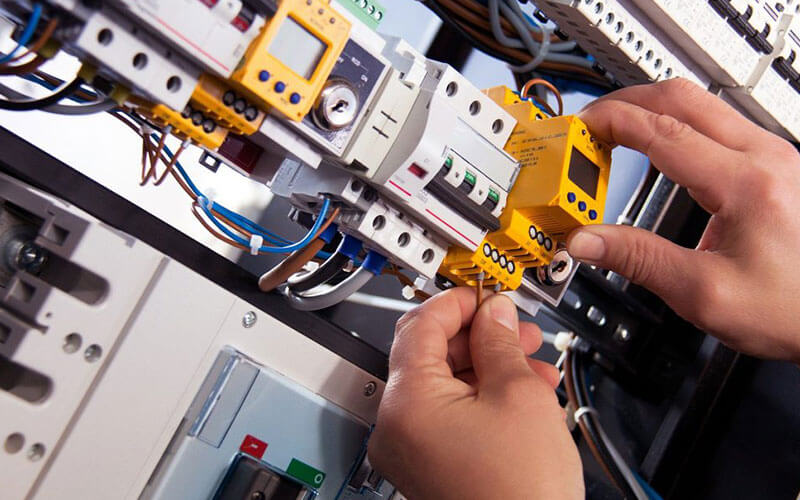
The importance of third-party elevator inspections cannot be overstated when it comes to ensuring the safety and reliability of elevator systems. Elevator third-party inspection involves an independent evaluation by certified inspectors, providing an objective assessment of equipment performance and safety features. Moreover, elevator third-party inspections verify compliance and identify hazards, ensuring passenger safety. They prevent accidents, instill confidence, and create a secure environment, enhancing the passenger experience. Ultimately, these inspections uphold safety standards and prioritize passenger well-being.
Proactive Problem Detection
Proactive problem detection is crucial, ensuring early identification of potential hazards or malfunctions. This involves an independent evaluation by certified inspectors, providing an unbiased assessment of equipment performance and safety features. Moreover, besides verifying compliance, these assessments focus on proactive problem detection. They identify and address issues, preventing accidents and ensuring passenger safety. To enhance security and foster a safety culture, proactive detection is vital. Investing in inspections maintains elevator integrity and ensures stress-free transportation.
Compliance with Regulations
Compliance with regulations is a fundamental aspect of elevator third-party inspections, ensuring that elevator systems meet industry standards and legal requirements. Elevator third-party inspection involves an independent evaluation by certified inspectors, providing an objective assessment of equipment performance and safety features. Moreover, besides verifying compliance with industry standards and regulations, these inspections also identify potential hazards or malfunctions that could compromise passenger safety. Compliance with regulations upholds safety standards and prevents accidents, ensuring passenger well-being. Elevator third-party inspections promptly address issues, enhancing passenger security and peace of mind. Ultimately, compliance promotes a safety culture and ensures elevator reliability for all passengers.
Elevator Performance Optimization
It is a critical objective of elevator third-party inspections to ensure that elevator systems operate at their best capacity. Elevator third-party inspection involves an independent evaluation by certified inspectors, providing an objective assessment of equipment performance and safety features. Moreover, besides verifying compliance with industry standards and regulations, these inspections also focus on elevator performance optimization. Elevator third-party inspections identify and address issues to enhance system efficiency, creating a smoother experience for passengers. Optimizing elevator performance is crucial for passenger satisfaction and ensuring seamless operation.