A comprehensive third-party inspection for lifting equipment is essential for ensuring safety, compliance, and operational efficiency. Initially, it is crucial to verify that the equipment meets all regulatory and compliance requirements, including standards set by OSHA, ANSI. This foundational step ensures that the equipment adheres to the necessary legal and safety standards. Transitioning from compliance, the inspection should then involve a meticulous visual inspection and condition assessment. This step is vital for identifying any signs of wear, damage, corrosion, or other physical defects that could impact the equipment’s performance and safety.
Next, the inspection process should encompass detailed structural integrity evaluations and load testing procedures. Structural integrity evaluations involve checking all structural components, such as frames, beams, and supports, for cracks, deformations. These evaluations ensure the equipment can safely bear the loads it is rated for. Additionally, load testing procedures are essential to confirm that the equipment can handle its maximum rated capacity without failure. Functional and operational checks, including controls, brakes, limit switches, and emergency stop mechanisms. Further ensure the equipment operates correctly and safely under all conditions. Moreover, inspecting electrical and hydraulic systems is crucial to identify any potential failures or maintenance needs.
Finally, the inspection must include a thorough review of documentation and maintenance records. This review verifies that the equipment has been properly maintained and inspected in the past. Ensuring the calibration and certification of all measuring instruments used during the inspection is also critical for accuracy. Compiling the inspection findings into a comprehensive report, including detailed recommendations for repairs, replacements. Ensures that the equipment remains safe and reliable for continued use. This holistic approach guarantees that all aspects of the lifting equipment are thoroughly evaluated and addressed.
Introduction and Purpose of Inspection
The introduction and purpose of the third-party inspection for lifting equipment are fundamental to understanding the need for a thorough assessment. Initially, the inspection aims to ensure compliance with regulatory and safety standards, such as OSHA and ANSI, in third-party inspection for lifting. Furthermore, it seeks to identify potential issues that could compromise safety and operational efficiency. By transitioning from a general overview to specific objectives, the inspection emphasises the importance of maintaining high safety standards and ensuring the equipment’s reliability.
Importance of Safety and Compliance
The importance of safety and compliance in lifting equipment inspections cannot be overstated. Initially, adhering to safety standards helps prevent accidents and injuries, safeguarding workers. Furthermore, compliance with regulations such as OSHA and ANSI ensures legal requirements are met, avoiding potential fines and liabilities. By prioritising safety and compliance, companies demonstrate their commitment to a safe working environment. Transitioning from these points, ongoing adherence to these standards also contributes to the overall efficiency and reliability of lifting operations.
Regulatory Standards and Guidelines
Regulatory standards and guidelines are crucial in ensuring the safety and effectiveness of lifting equipment. Initially, these standards, set by organisations like OSHA and ANSI, provide a framework for safe operation. Transitioning from general safety measures to specific requirements, these guidelines cover aspects such as load limits, maintenance schedules, and operational procedures. Adhering to these regulations not only ensures compliance with the law but also helps prevent accidents and equipment failures. Thereby maintaining a safe and efficient work environment.
Preventing Equipment Failures
Preventing equipment failures is a critical aspect of third-party inspection for lifting equipment. Initially, regular inspections identify wear and tear early, allowing for timely repairs. Transitioning from detection to prevention, routine maintenance based on inspection findings ensures that potential issues are addressed before they lead to failures in third-party inspection for lifting. Furthermore, adhering to manufacturer guidelines and industry standards helps maintain equipment integrity. Ultimately, these proactive measures not only extend the equipment’s lifespan but also enhance safety and operational efficiency in third-party inspection for lifting.
Visual Inspection and Condition Assessment

A thorough visual inspection and condition assessment are pivotal components of a lifting equipment inspection. Initially, the visual inspection involves a detailed examination of all visible parts of the equipment, including frames, hoists, slings, chains, hooks, and other attachments. This step helps identify any signs of wear, corrosion, cracks, or other physical damages that could compromise the equipment’s integrity. Transitioning from the general overview to specific details, inspectors should also look for any deformities or misalignment in the structure that could affect its functionality. Additionally, checking for proper lubrication of moving parts and ensuring that all safety labels and decals are intact and legible is essential for operational safety.
The condition assessment further enhances the inspection process by evaluating the overall health and functionality of the equipment. This involves testing the equipment under controlled conditions to ensure it operates smoothly and efficiently. Transitioning from visual checks to operational tests, inspectors should verify that all control mechanisms, such as brakes, limit switches, and emergency stops, are functioning correctly. Moreover, the assessment should include an evaluation of any previous maintenance records to identify recurring issues or patterns that may indicate underlying problems. By combining visual inspection with a comprehensive condition assessment, potential issues can be detected early, preventing costly repairs and downtime. Ultimately, this thorough approach not only ensures compliance with safety standards but also enhances the longevity and reliability of the lifting equipment. Contributing to a safer and more efficient work environment.
Structural Integrity Evaluation
The structural integrity evaluation in third-party inspection for lifting equipment is critical for ensuring operational safety and longevity. Initially, this evaluation involves a detailed examination of key structural components such as frames, beams, supports, and load-bearing parts. Inspectors look for signs of structural damage, including cracks, fractures, and deformations, in third-party inspection for lifting. Transitioning from visual inspection to evaluation, specialised techniques such as ultrasonic testing or magnetic particle inspection may be employed to detect hidden defects that are not visible to the naked eye. These advanced methods provide a deeper insight into the structural health of the equipment. Furthermore, load-bearing components are subjected to rigorous testing to verify their capacity to withstand operational loads without compromising safety in third-party inspection for lifting. This includes conducting load tests to ensure that the equipment performs within its specified limits and complies with safety regulations.
Transitioning from evaluation to practical application, inspectors interpret the test results to determine if any corrective actions are necessary, such as repairs or component replacements. By focusing on structural integrity, lifting equipment inspections mitigate the risk of catastrophic failures during operation. Proactively addressing structural issues not only enhances safety for personnel but also protects against potential damage to materials and surroundings. Ultimately, a thorough structural integrity evaluation ensures that lifting equipment operates reliably and efficiently. Contributing to a productive and safe working environment.
Electrical and Hydraulic System Inspections
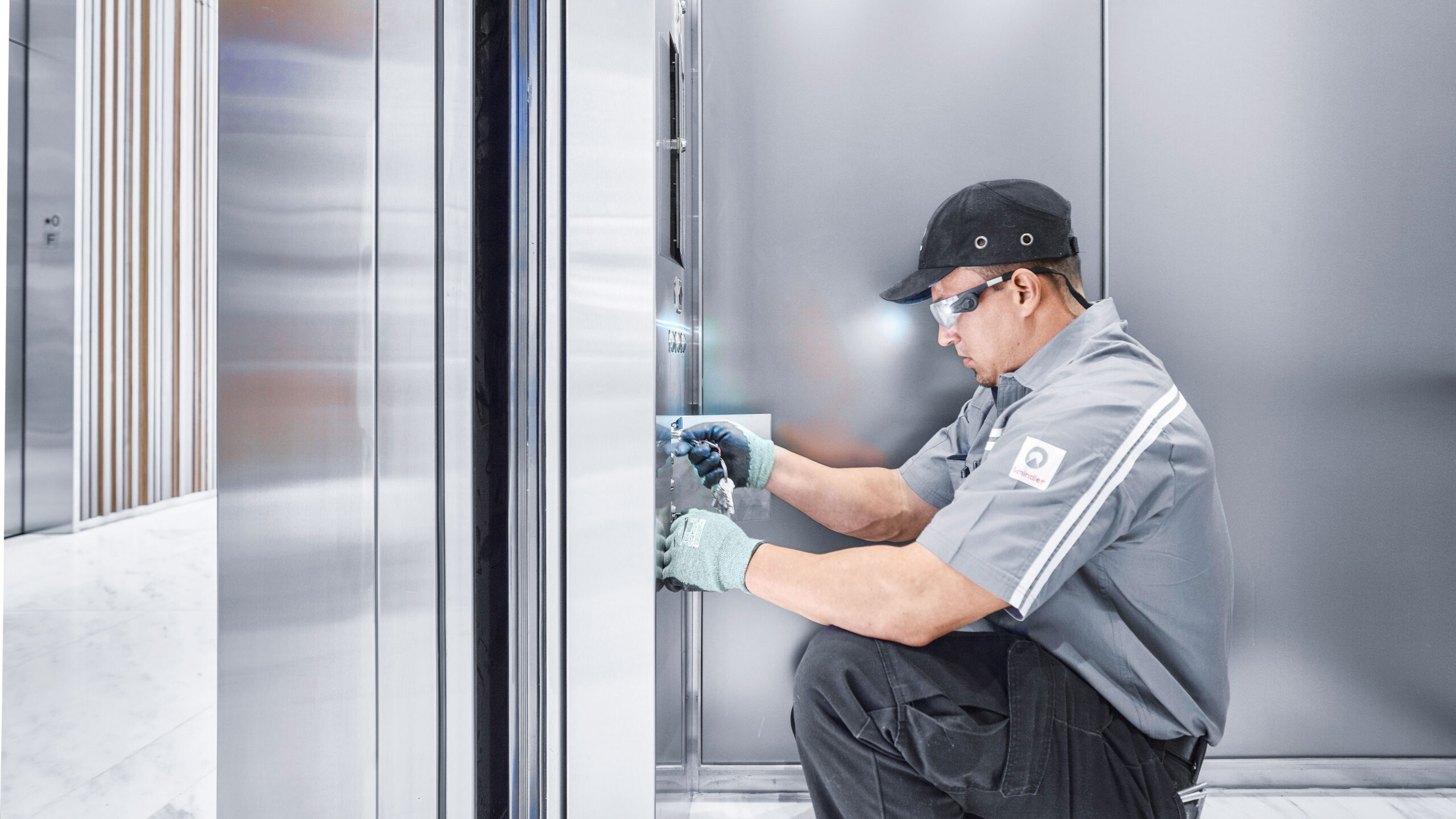
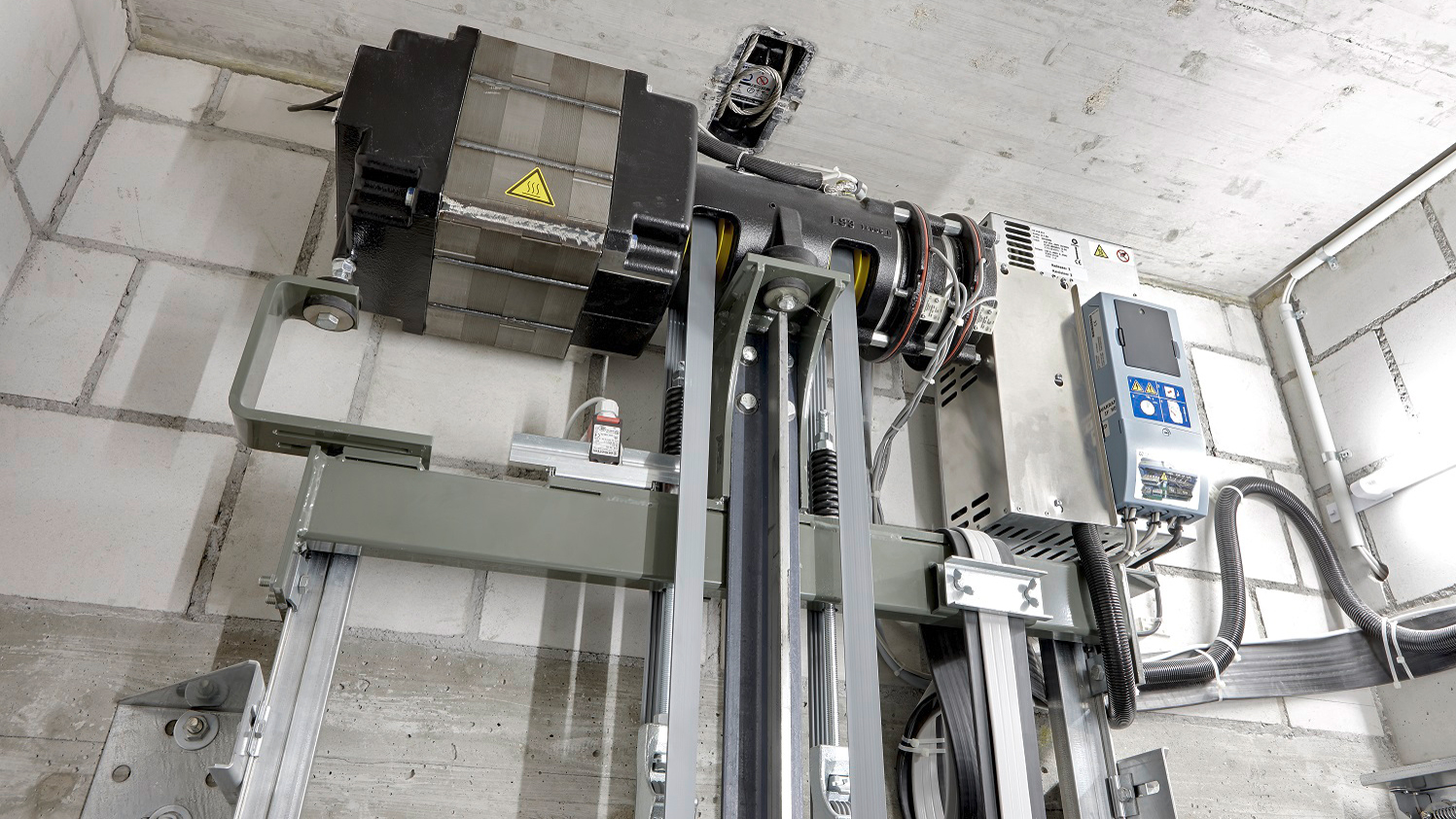
Electrical and hydraulic system inspections are crucial aspects of lifting equipment assessments. Initially, these inspections involve checking wiring, connections, and components for any signs of wear, damage, or deterioration that could affect functionality. Transitioning from electrical to hydraulic systems, inspectors ensure fluid levels are adequate and hoses are free from leaks or cracks. Moreover, verifying the integrity of these systems ensures the safe and efficient operation of lifting equipment, minimising the risk of malfunctions or operational hazards.
Assessment of Wiring and Connections
During the assessment of wiring and connections in lifting equipment inspections, inspectors meticulously examine all electrical wiring for signs of wear, fraying, or damage that could compromise conductivity or safety. Transitioning from visual inspection to detailed assessment, they ensure the integrity and tightness of connections to secure electrical pathways. This thorough examination helps prevent electrical failures and ensures that control systems operate reliably, maintaining safety and efficiency in lifting operations.
Examination of Control Panels
During the examination of control panels in third-party inspection for lifting equipment, inspectors thoroughly assess the functionality and condition of all control components. Initially, they inspect the panel’s physical integrity, ensuring it is free from damage or corrosion. Transitioning from physical inspection to operational checks, inspectors test buttons, switches, and indicators to verify proper functionality in third-party inspection for lifting. This comprehensive evaluation ensures that control panels operate effectively. Enabling precise control over lifting operations and contributing to overall safety and efficiency in industrial settings.
Inspection of Hydraulic Fluid Levels
During the inspection of hydraulic fluid levels in lifting equipment, inspectors carefully assess the adequacy and condition of the hydraulic fluid. Initially, they verify the fluid levels to ensure they meet manufacturer specifications and are sufficient for proper equipment operation. Transitioning from level verification to quality assessment, inspectors check for signs of contamination or degradation in the fluid, which could affect equipment performance. This meticulous inspection helps maintain optimal hydraulic system functioning, ensuring reliable and safe operation of the lifting equipment.