Maintaining your home elevator is essential to ensure its safety, reliability, and longevity. One of the most important tips to maintain your home elevator is to schedule regular professional inspections. These inspections should be conducted at least once a year by a certified technician who can identify and address potential issues before they become serious problems. Additionally, it is important to keep detailed records of all maintenance activities and inspections, as this can help in troubleshooting and ensuring that all necessary tasks are completed on schedule.
In addition to professional maintenance, there are several routine tasks that homeowners can perform to keep their elevators in good working order. Firstly, keep the elevator clean by regularly wiping down surfaces and vacuuming the tracks to prevent dust and debris buildup. It is also crucial to check the doors and their sensors to make sure they are operating smoothly and not obstructed. Furthermore, be mindful of the elevator’s weight capacity, avoiding overloading it as this can strain the motor and other components, leading to premature wear and tear.
Moreover, pay attention to the operation of the elevator and any unusual noises or movements. These can be early indicators of issues that need to be addressed promptly. By staying vigilant and addressing small problems early, you can prevent larger, more costly repairs down the line. Implementing these tips not only enhances the safety and efficiency of your home elevator but also extends its lifespan, ensuring that it remains a valuable and reliable part of your home for years to come.
Schedule Regular Professional Inspections
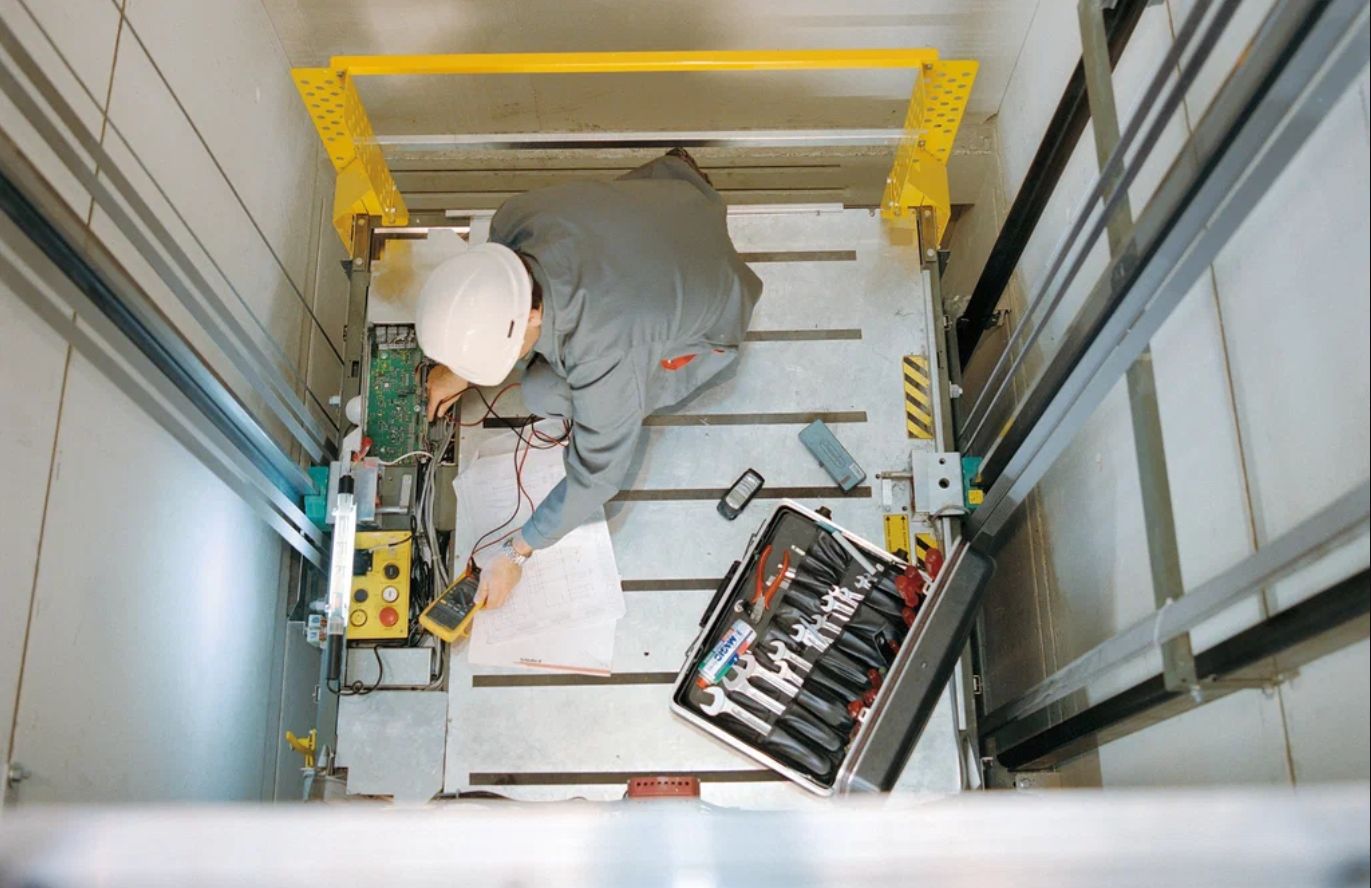
Scheduling regular professional inspections is crucial for maintaining your home elevator and ensuring its longevity. These inspections, ideally conducted at least once a year, allow certified technicians to identify and address potential issues before they escalate. Furthermore, professional inspections ensure that all safety features are functioning correctly, providing peace of mind for users. By adhering to a routine inspection schedule, you can maintain your home elevator, prevent costly repairs, and ensure it remains a reliable and safe part of your home.
Ensuring Safety Features Function Properly
Ensuring safety features function properly is a key aspect of maintaining your home elevator. Regular professional inspections help verify that components like emergency brakes, door interlocks, and alarm systems are in optimal condition. Moreover, these inspections can uncover issues that might not be apparent during everyday use, ensuring that your elevator is safe for all users. By prioritizing the functionality of safety features, you not only enhance the overall reliability of your elevator but also provide peace of mind for everyone in your home.
Extending the Lifespan of Your Elevator
Extending the lifespan of your elevator requires consistent maintenance and care. Regular inspections and timely repairs help prevent small issues from developing into major problems, thereby preserving the elevator’s functionality. Additionally, keeping the elevator clean and adhering to weight capacity limits reduces strain on its components. These preventive measures not only enhance performance but also significantly prolong the elevator’s operational life. By investing in routine maintenance, you ensure that your elevator remains a reliable and efficient part of your home for many years.
Maintaining Detailed Inspection Records
Maintaining detailed inspection records is essential for effective home elevator management. By documenting every inspection and repair, you create a comprehensive maintenance history that can aid in diagnosing recurring issues and ensuring all necessary tasks are performed on schedule. Additionally, these records provide valuable information for technicians, allowing them to address problems more efficiently. Over time, this proactive approach helps in preventing costly breakdowns and extends the lifespan of your elevator. Thus, keeping thorough records is a critical component of responsible elevator maintenance.
Keep Detailed Maintenance Records
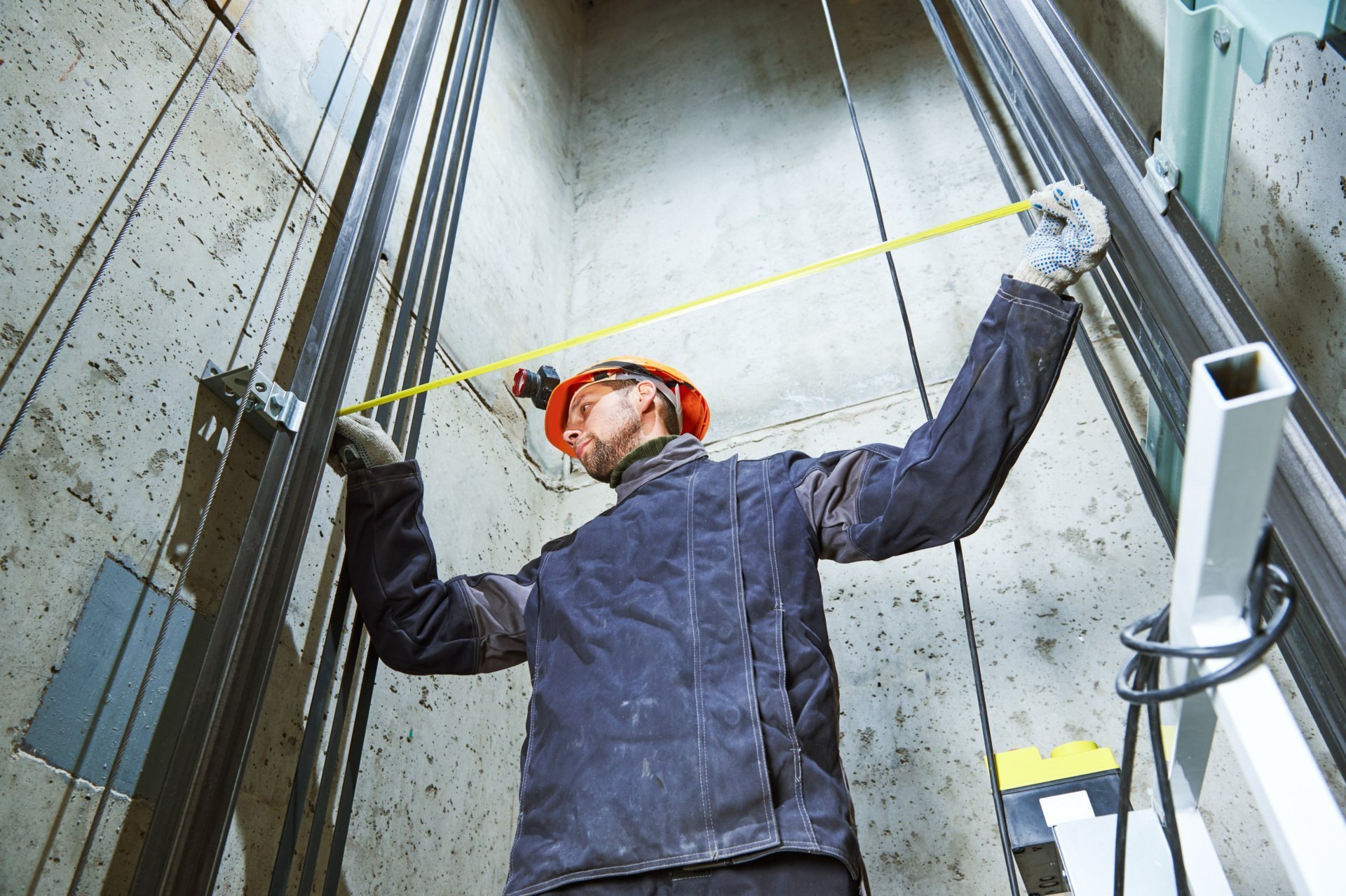
Keeping detailed maintenance records is a critical aspect of managing your home elevator effectively. These records should include information on all inspections, repairs, and any issues encountered, as well as the dates and details of each service. By maintaining comprehensive documentation to maintain your home elevator, you create a valuable history that can help identify patterns or recurring problems, allowing for more informed decision-making regarding future maintenance needs. Additionally, these records serve as a communication tool between you and your service technicians, providing them with essential background information that can facilitate quicker and more accurate diagnostics.
Moreover, detailed maintenance records can play a crucial role in maintaining the value and safety of your home elevator. Should you decide to sell your home, potential buyers and inspectors will appreciate a well-documented maintenance history, as it demonstrates a commitment to upkeep and safety. This can enhance your home’s overall value and make it more appealing to buyers. Furthermore, in the event of a warranty claim, having precise records can support your case, ensuring that any covered repairs or replacements are handled efficiently. In the long run, this proactive approach to record-keeping not only helps in preventing unexpected breakdowns and costly repairs but also contributes to the longevity and reliability of your elevator. By consistently documenting every aspect of your elevator’s maintenance, you ensure it remains a safe and dependable feature of your home for years to come.
Monitor for Unusual Noises or Movements
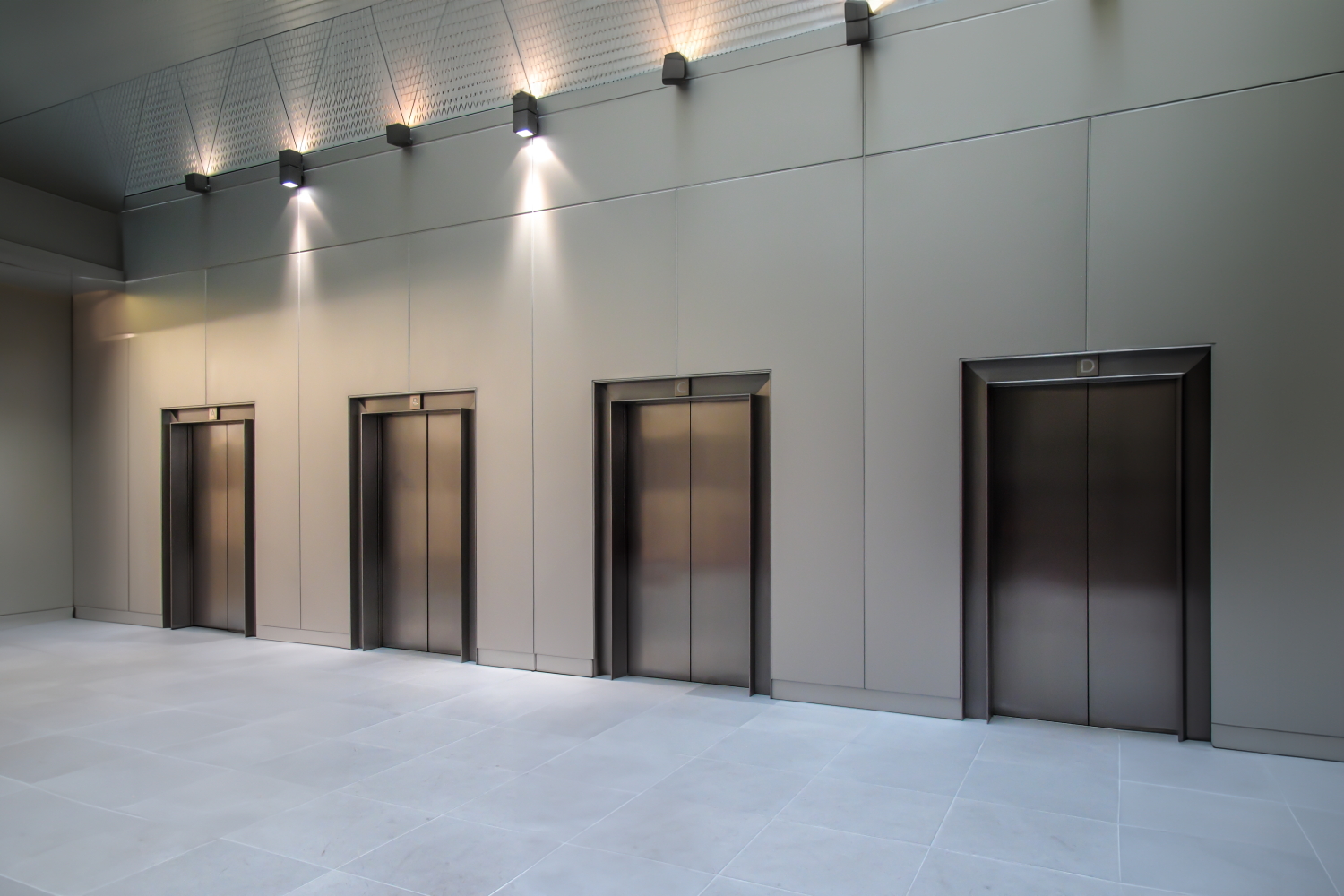
Monitoring for unusual noises or movements in your home elevator is crucial for early detection of potential problems. Any deviations from normal operation, such as strange sounds or jerky movements, can be early indicators of underlying mechanical issues. Regularly paying attention to how your elevator operates helps you identify these warning signs before they develop into more serious problems. For example, grinding noises might indicate a problem with the motor or gears, while unexpected vibrations could signal issues with the elevator’s alignment or suspension system.
By promptly addressing these anomalies, you can prevent more extensive damage and costly repairs. When you notice anything out of the ordinary, it is essential to contact a certified technician immediately for a thorough inspection to maintain your home elevator. This proactive approach not only ensures your elevator continues to operate smoothly but also enhances the safety of all users. Moreover, documenting any unusual noises or movements, along with the subsequent maintenance actions taken, provides a valuable history that can aid technicians in diagnosing recurring issues. Ultimately, staying vigilant and responsive to these early warning signs will help extend the lifespan of your elevator, ensuring it remains a reliable and efficient part of your home. Through consistent monitoring and timely maintenance, you can maintain the optimal performance of your home elevator and avoid unexpected breakdowns.
Enhance Safety and Efficiency with Routine Maintenance
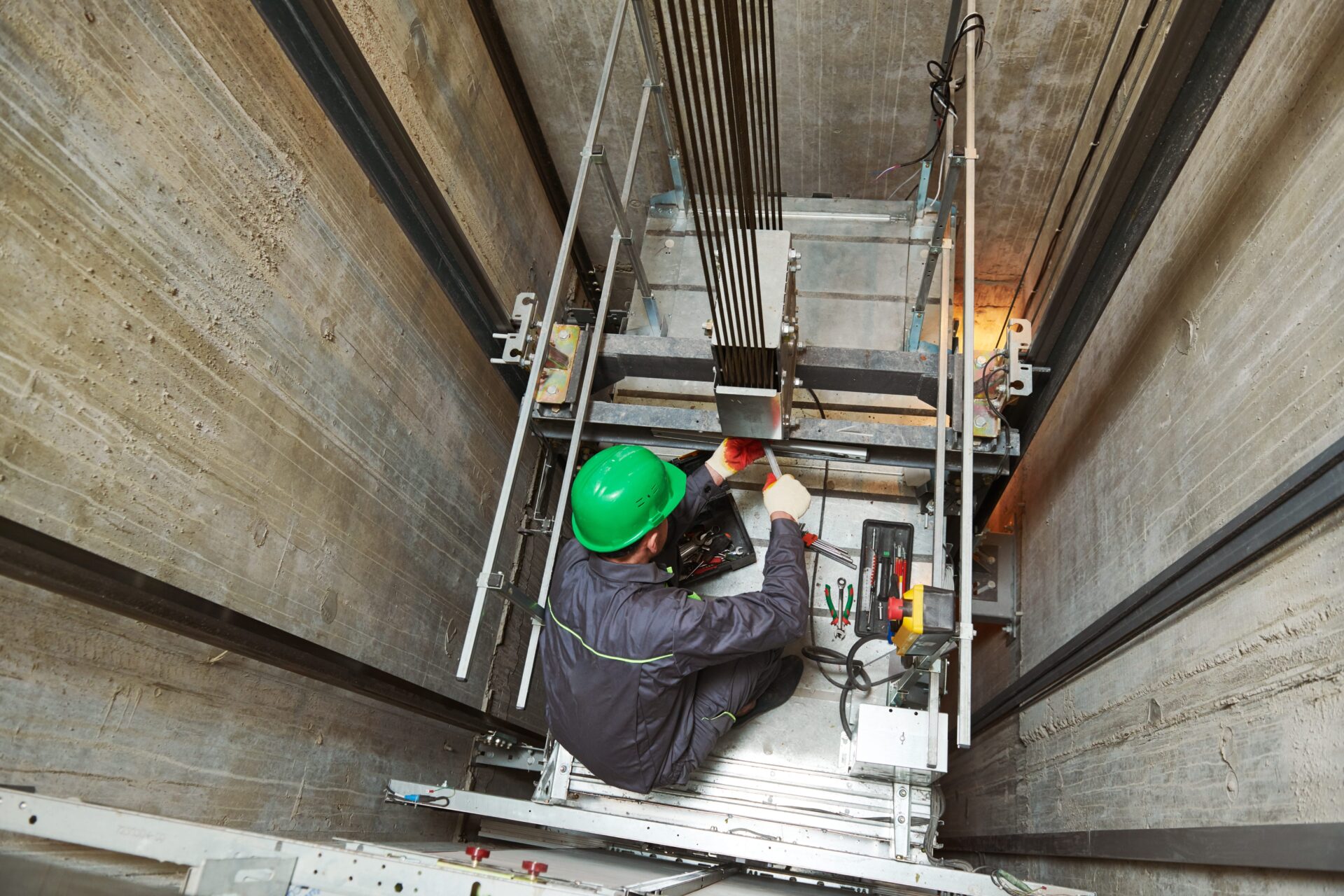
Enhancing safety and efficiency with routine maintenance is vital for your home elevator. Regular maintenance ensures that all components are functioning correctly, reducing the risk of accidents and unexpected breakdowns. Furthermore, consistent upkeep helps maintain optimal performance, preventing wear and tear that can lead to inefficiency. By scheduling routine checks and promptly addressing any issues, you not only extend the lifespan of your elevator but also ensure it remains a reliable and safe transportation solution within your home.
Regular Inspections for Safety Checks
Regular inspections for safety checks are paramount to maintaining the reliability and safety of your home elevator. Conducted by certified technicians, these inspections assess critical components such as brakes, door interlocks, and emergency systems to maintain your home elevator. By identifying potential issues early, these checks prevent accidents and ensure compliance with safety regulations. They provide peace of mind for users, knowing their elevator operates safely. Incorporating regular safety checks into your maintenance routine is crucial for ensuring the long-term performance and safety of your elevator.
Ensuring Proper Functioning of Safety Features
Ensuring the proper functioning of safety features is essential for maintaining the safety and reliability of your home elevator. Safety features such as emergency brakes, door interlocks, and alarm systems must be regularly inspected and tested by certified technicians. This proactive approach helps identify any malfunctions or deficiencies that could compromise user safety. By promptly addressing issues and ensuring all safety features operate as intended, you can mitigate risks and provide a secure environment for elevator users. Regular maintenance plays a crucial role in upholding these safety standards.
Minimizing Risks of Mechanical Failures
Minimizing the risks of mechanical failures in your home elevator is crucial for ensuring its reliability and safety. Regular maintenance, including lubrication of moving parts and inspections of critical components, helps identify and address potential issues before they escalate into major problems. By adhering to a preventive maintenance schedule, you can extend the lifespan of your elevator and reduce the likelihood of unexpected breakdowns. This proactive approach not only enhances the elevator’s performance but also enhances safety for all users.