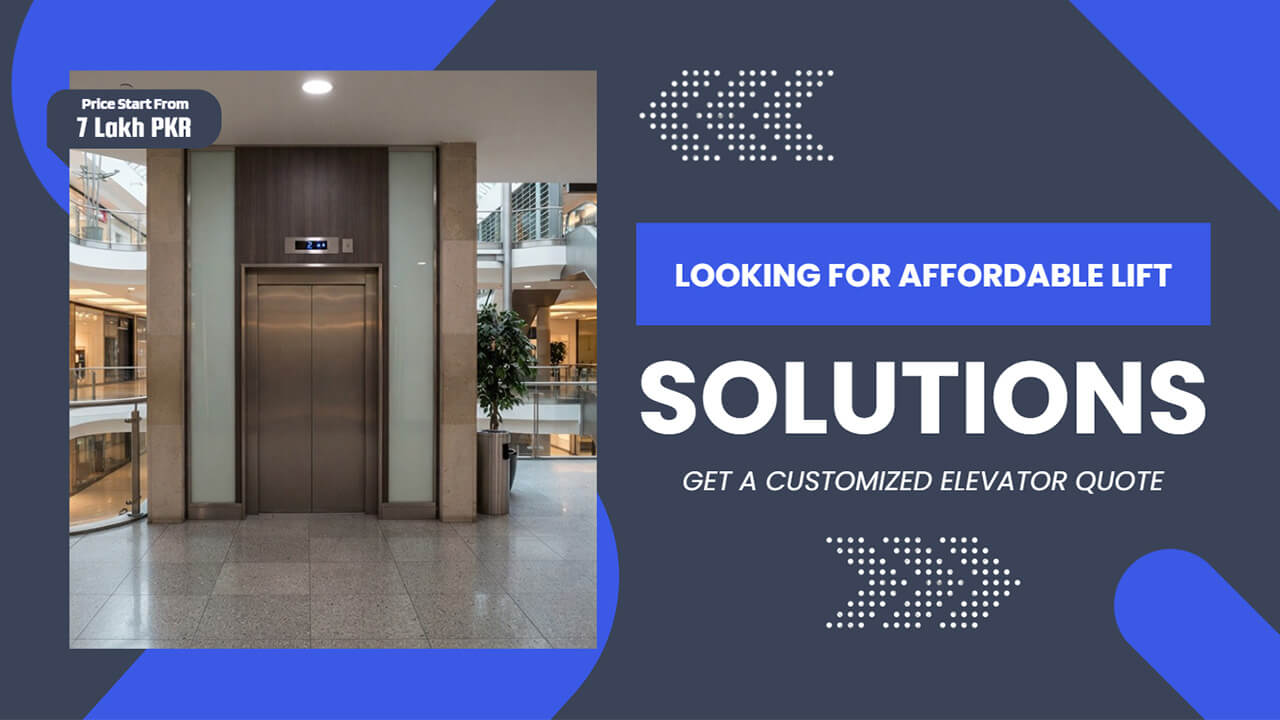
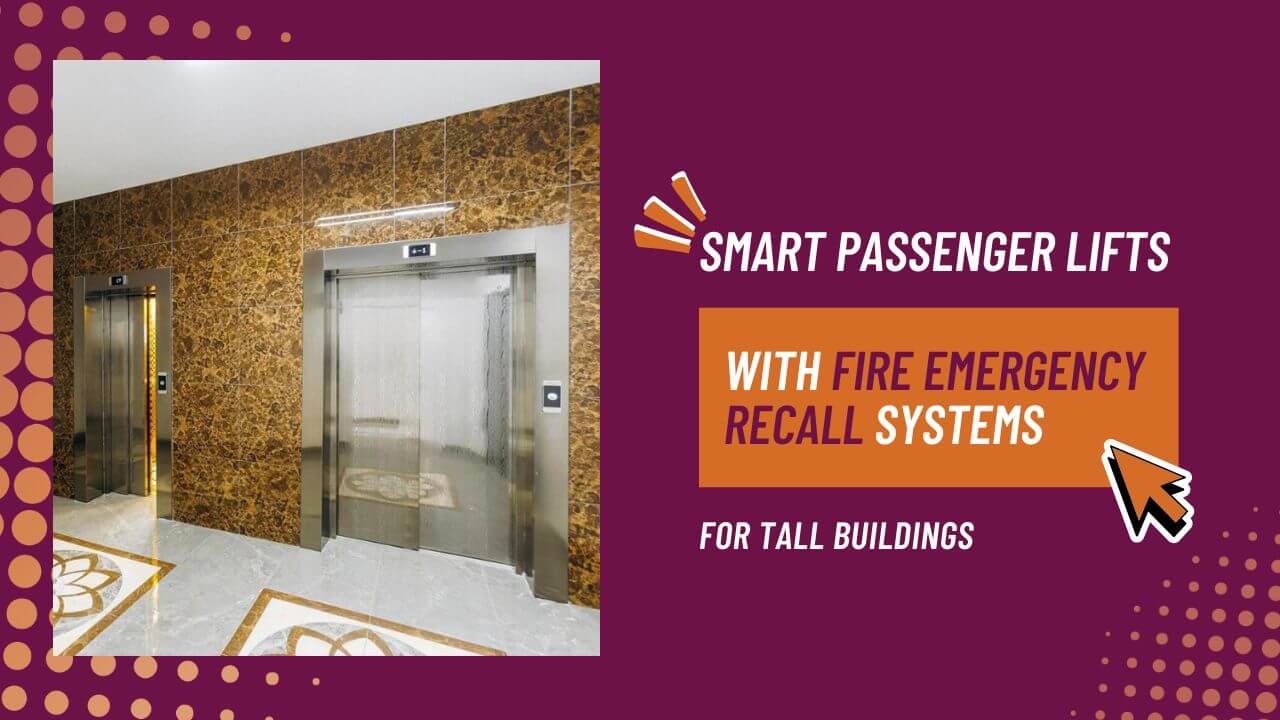
Tall buildings require advanced vertical transportation systems that provide smooth movement, improved safety, and dependable operation across multiple floors. Modern passenger lift technologies are designed to support busy environments where quick response and controlled access are essential. These systems help maintain better building performance while supporting emergency readiness. Lifts with Fire Emergency Recall Systems play an important role in improving safety coordination during critical situations by guiding lift operations according to emergency protocols. Smart controls, reliable components, and efficient mechanisms enhance overall user experience. Such lift solutions are suitable for commercial towers, residential complexes, and high-rise developments. Proper planning ensures long-term operational reliability and safer passenger movement.
Public Buildings in Pakistan Ideal for Fire Recall Passenger Lift Deployment

Public buildings require reliable mobility systems that can handle frequent passenger movement while maintaining safety standards. Government facilities, educational structures, healthcare centers, and commercial properties often need advanced lift solutions for better accessibility. Proper lift deployment helps improve daily operations and supports emergency management requirements. In Pakistan, Lifts with Fire Emergency Recall Systems provide controlled functionality during fire-related events by supporting safer building procedures. These systems are developed to meet the demands of high-traffic environments where reliability is important. Modern installations also improve convenience for visitors and staff members. Strategic placement helps maximize performance throughout public spaces.
Why Lifts with Fire Emergency Recall Systems Are Integral to High-Rise Protection Strategies
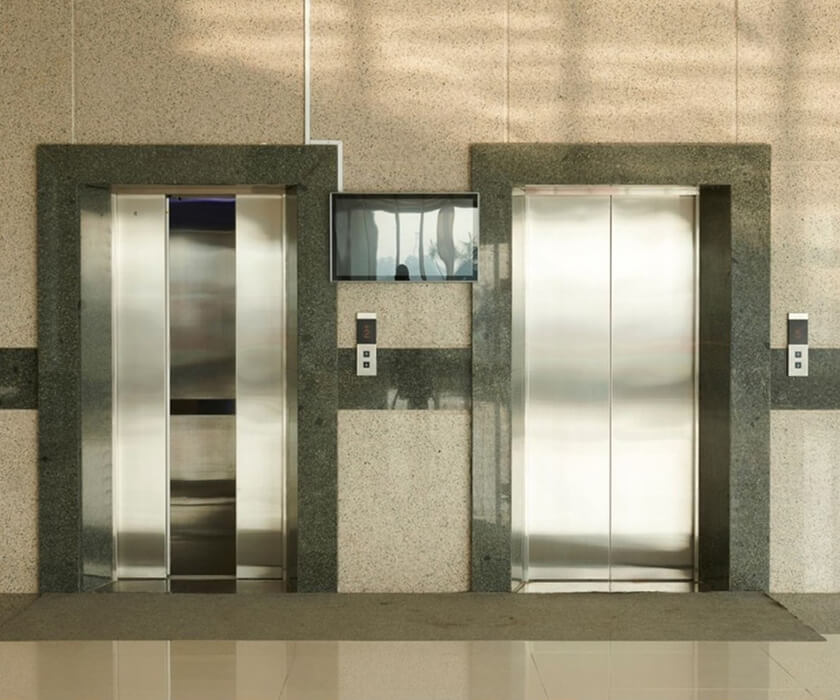
High-rise buildings require carefully planned safety measures to protect occupants during unexpected situations. Vertical transportation plays a major role in maintaining organized movement throughout tall structures. Emergency-focused lift systems support faster response, improved control, and better operational coordination during critical events. Lifts with Fire Emergency Recall Systems help direct lift activity through predefined safety procedures when fire emergencies occur. These systems contribute to stronger building protection strategies by reducing confusion and improving accessibility. Advanced monitoring, control features, and reliable operation enhance overall safety planning. Their integration has become an important consideration in modern high-rise construction.
1- Faster Response Times Through Advanced Fireman’s Lifts During Emergency Scenarios
Emergency situations in tall buildings require rapid access and dependable movement systems for trained personnel. Fireman’s lifts are designed to support controlled access during critical operations while maintaining reliable performance. These systems assist emergency teams by providing dedicated movement pathways within complex structures. Lifts with Fire Emergency Recall Systems work alongside safety procedures to improve operational readiness during fire-related incidents. Faster response capabilities help reduce delays and support better coordination between emergency teams. Strong lift performance depends on proper engineering, regular inspection, and suitable building integration. This approach improves safety outcomes in high-rise environments.
2- Reduced Congestion with Intelligent Destination Control Lifts in Commercial High-Rises
Commercial high-rise buildings experience heavy passenger movement throughout working hours, making traffic control an important factor. Intelligent destination control lifts help organize passenger flow by improving travel planning between floors. These systems reduce unnecessary stops and support smoother movement within busy buildings. Lifts with Fire Emergency Recall Systems add another layer of safety by enabling controlled responses during emergency conditions. Better traffic distribution improves user convenience while supporting efficient building operations. Advanced control technologies also contribute to reduced waiting times and improved energy management. These features make them suitable for modern commercial developments.
3- Greater Design Flexibility via Compact MRL Passenger Lifts in Modern Buildings
Modern buildings often require lift solutions that balance performance with architectural requirements. Compact MRL passenger lifts provide flexibility where space planning and efficient installation are important considerations. These systems help developers utilize available areas while maintaining effective vertical transportation. Lifts with Fire Emergency Recall Systems can be integrated into advanced building designs to support safety expectations. Their compact structure allows better adaptation across residential and commercial projects. Proper configuration improves reliability, comfort, and long-term usability. This makes them valuable for contemporary building environments.
Price Evaluation Framework for Fire Emergency Passenger Lifts in Modern Towers
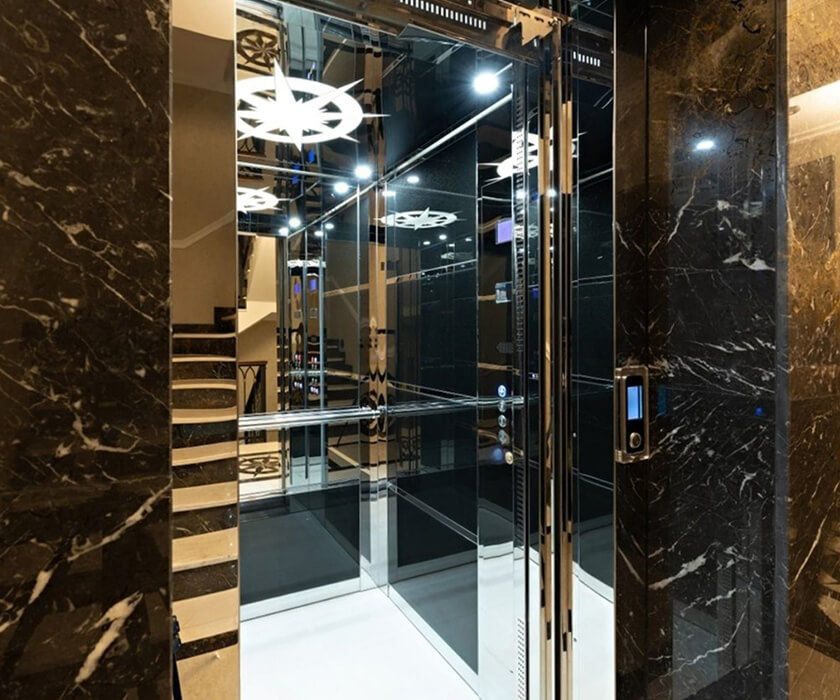
Selecting the right passenger lift system requires careful evaluation of technical requirements, building structure, and operational expectations. Modern towers need cost planning approaches that consider performance, safety integration, and long-term maintenance needs. Fire emergency passenger lifts involve multiple factors such as capacity, travel distance, control technology, and installation complexity. Lifts with Fire Emergency Recall Systems may influence pricing due to advanced safety mechanisms and specialized configurations. A structured price evaluation helps developers compare suitable options according to project requirements. Proper budgeting supports efficient investment decisions without compromising operational reliability. This approach helps achieve better value throughout the lift lifecycle.
Cost Assessment for High Rise Passenger Lift Applications in Urban Buildings
Urban buildings require passenger lift systems that provide efficient movement while meeting safety and accessibility standards. Cost assessment helps determine suitable lift configurations based on building size, passenger demand, and operational needs. Factors such as equipment quality, installation requirements, and control technology influence overall investment planning. Lifts with Fire Emergency Recall Systems can affect project budgeting because of their advanced emergency response capabilities. A detailed evaluation allows property owners to select systems that balance performance with financial considerations. Proper analysis also supports future maintenance planning and operational efficiency. This ensures reliable vertical transportation for busy urban environments.
Cabin Capacity: 4–7 Persons
Travel Height: 15–40 Meters
Estimated Price: PKR 4,000,000 – 7,500,000
Installation Budget Review for Emergency Recall Lift Systems Across Facilities
Emergency recall lift installations require proper planning to ensure compatibility with existing or newly developed buildings. Budget reviews help identify the expected expenses related to equipment selection, structural preparation, and technical integration. Each facility has different requirements depending on usage patterns and safety objectives. Lifts with Fire Emergency Recall Systems require specific control arrangements to support emergency operations effectively. Careful financial planning improves project execution while reducing unexpected installation challenges. Professional assessment helps maintain quality standards throughout the deployment process. This creates a balanced approach toward safe and efficient lift implementation.
Cabin Capacity: 5–8 Persons
Travel Height: 20–50 Meters
Estimated Price: PKR 6,000,000 – 11,000,000
Expense Planning for Intelligent Passenger Lift Deployment in Tall Structures
Tall structures require detailed expense planning because lift systems involve multiple technical and architectural considerations. Intelligent passenger lift deployment depends on factors including shaft requirements, cabin design, control mechanisms, and building layout. A clear cost framework helps project teams organize resources effectively before installation begins. Lifts with Fire Emergency Recall Systems can add value by supporting improved emergency coordination within high-rise properties. Proper planning ensures that selected systems match operational demands and safety expectations. Reviewing each component helps maintain budget control throughout construction stages. This supports long-term performance and dependable building mobility.
Cabin Capacity: 6–10 Persons
Travel Height: 30–75 Meters
Estimated Price: PKR 9,000,000 – 17,500,000
| Product | Passengers / Weight / Size | Category | Condition | Make | Estimated Cost (PKR) |
|---|---|---|---|---|---|
| Commercial passenger lift electric 630kg | 6-8 persons | Semi Imported | New | Turkey/China | 2,150,000 PKR |
| Imported FUJI lift 630kg | 6-8 persons | Fully Imported | New | China | 2,232,560 PKR |
| Panoramic passenger lift electric 630kg | 6-8 persons | Semi Imported | New | Turkey/China | 2,500,000 PKR |
Smart Infrastructure Technologies Supporting Reliable Emergency Lift Transportation
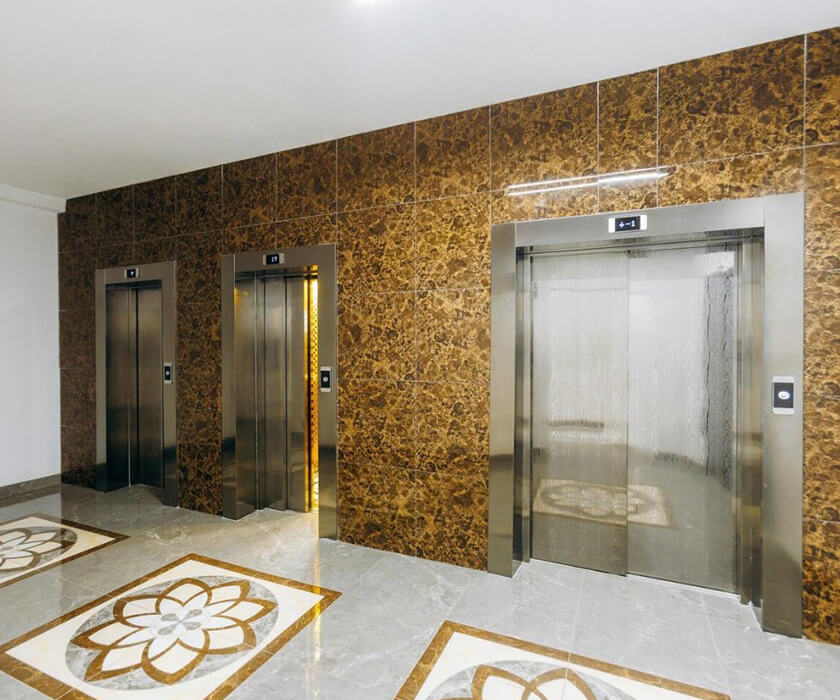
Modern buildings increasingly depend on intelligent infrastructure to improve safety, efficiency, and passenger experience. Advanced lift technologies combine control systems, monitoring tools, and responsive mechanisms to support reliable movement. These technologies help buildings manage daily transportation demands while preparing for emergency situations. Lifts with Fire Emergency Recall Systems are integrated with safety-focused infrastructure to improve operational control during critical events. Smart systems enable better communication between lift components and building management networks. This creates a more coordinated approach toward vertical transportation. Such developments support safer and more efficient high-rise environments.
1- Adaptive Response Algorithms Managing Lifts with Fire Emergency Recall Systems
Advanced lift operations depend on intelligent response mechanisms that analyze conditions and adjust performance accordingly. Adaptive algorithms help improve system reactions by coordinating movement patterns and emergency responses. These technologies allow lifts to operate more effectively during changing building conditions. Lifts with Fire Emergency Recall Systems benefit from automated response functions that support controlled actions during fire-related events. Such systems improve reliability by reducing operational uncertainty and enhancing safety procedures. Continuous monitoring allows better performance management over time. These features support modern buildings where safety and efficiency are equally important.
2- Real-Time Control Feedback Improving Elevator Stability During Critical Scenarios
Real-time control feedback plays an important role in maintaining stable lift performance under demanding conditions. Modern elevator systems use continuous monitoring to identify operational changes and maintain smooth movement. This technology supports improved accuracy, better response timing, and enhanced passenger experience. Lifts with Fire Emergency Recall Systems can use advanced feedback mechanisms to coordinate safer operation during emergency situations. Reliable control processes help reduce disruptions while improving overall system dependability. These features are valuable for high-rise buildings with frequent passenger movement. Proper integration ensures consistent performance throughout daily operations.
3- Cabin Interior Engineering Supporting Passenger Comfort Across Floor Levels
Passenger comfort depends on both functional performance and interior design quality within lift cabins. Modern cabin engineering focuses on creating better travel experiences through improved layouts, materials, and user-focused elements. These improvements help make vertical transportation more convenient across different building types. Lifts with Fire Emergency Recall Systems can be combined with well-designed interiors to maintain comfort while supporting safety requirements. Cabin planning considers space usage, accessibility, and passenger expectations. High-quality interiors contribute to a more positive building environment. This approach enhances both usability and overall lift value.
Verifyne Lift Consultancy Building Coordination Services for Advanced Lift Projects
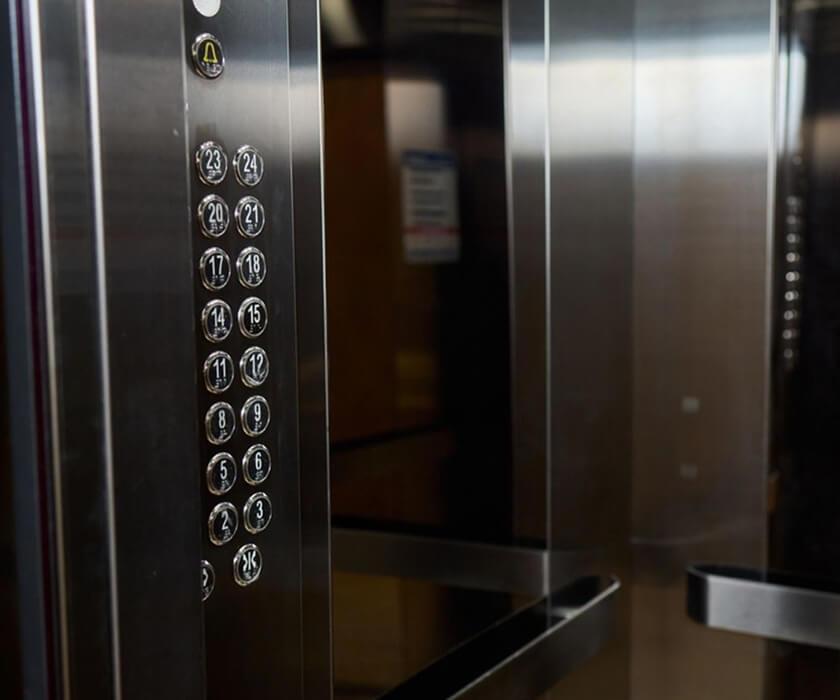
Successful lift projects require proper coordination between planning, engineering, installation, and operational requirements. Building developments need professional guidance to ensure lift systems match structural conditions and user expectations. Verifyne Lift Consultancy helps evaluate technical factors, safety requirements, and project execution stages before implementation. Lifts with Fire Emergency Recall Systems require detailed coordination to align with building safety strategies and emergency procedures. Expert planning improves installation accuracy while supporting long-term system performance. This approach reduces project complications and helps maintain reliable vertical transportation. Proper coordination creates better outcomes for modern building environments.
1- Architectural Planning Methods Aligning Lifts with Fire Emergency Recall Systems
Architectural planning plays an important role in integrating lift systems effectively within building designs. Proper assessment of space, structure, and movement patterns helps create efficient transportation layouts. Designers and engineers consider multiple factors to ensure smooth installation and reliable operation. Lifts with Fire Emergency Recall Systems require careful alignment with building plans to support emergency readiness and safety objectives. Coordinated planning improves accessibility while maintaining the overall design balance. These methods help prevent installation challenges during later project stages. A well-organized approach supports stronger building performance.
2- Service Management Practices Enhancing Elevator Performance Throughout Buildings
Consistent service management is essential for maintaining lift reliability across different building environments. Regular monitoring, technical checks, and performance evaluations help identify potential operational issues early. Effective management practices support smoother daily usage while extending equipment lifespan. Modern lift systems benefit from structured service schedules that maintain safety and efficiency standards. Proper maintenance planning improves user confidence and reduces unexpected downtime. These practices help building owners achieve dependable transportation performance over time. Continuous improvement ensures lifts remain suitable for changing operational demands.
3- Installation Planning Support Strengthening Passenger Lift Deployment Procedures
Installation planning provides a structured approach for successfully deploying passenger lift systems in modern buildings. Proper preparation includes technical assessment, equipment coordination, and execution management to achieve accurate results. Organized procedures help ensure that lift components work effectively after completion. Advanced lift projects require careful handling of design requirements, safety standards, and operational expectations. Professional support improves installation quality while reducing potential delays during construction phases. This process helps create reliable transportation systems for different building categories. Effective deployment planning contributes to long-term lift efficiency and user satisfaction.