Frequently Asked Questions:
Can a stairlift be fitted on a staircase with turns or narrow landings?
Yes, curved rail systems can accommodate many turning staircases, subject to available space and a professional site assessment.
What safety functions should I check before buying a home stairlift?
Look for obstruction sensors, emergency stop controls, backup battery operation, and a secure swivel seat for safer entry and exit.
How much does a stair chair lift cost for a multi storey house in Lahore?
The price depends on staircase length, rail design, safety options, and equipment specifications. Call 0321 586 3975 for a personalized quotation.
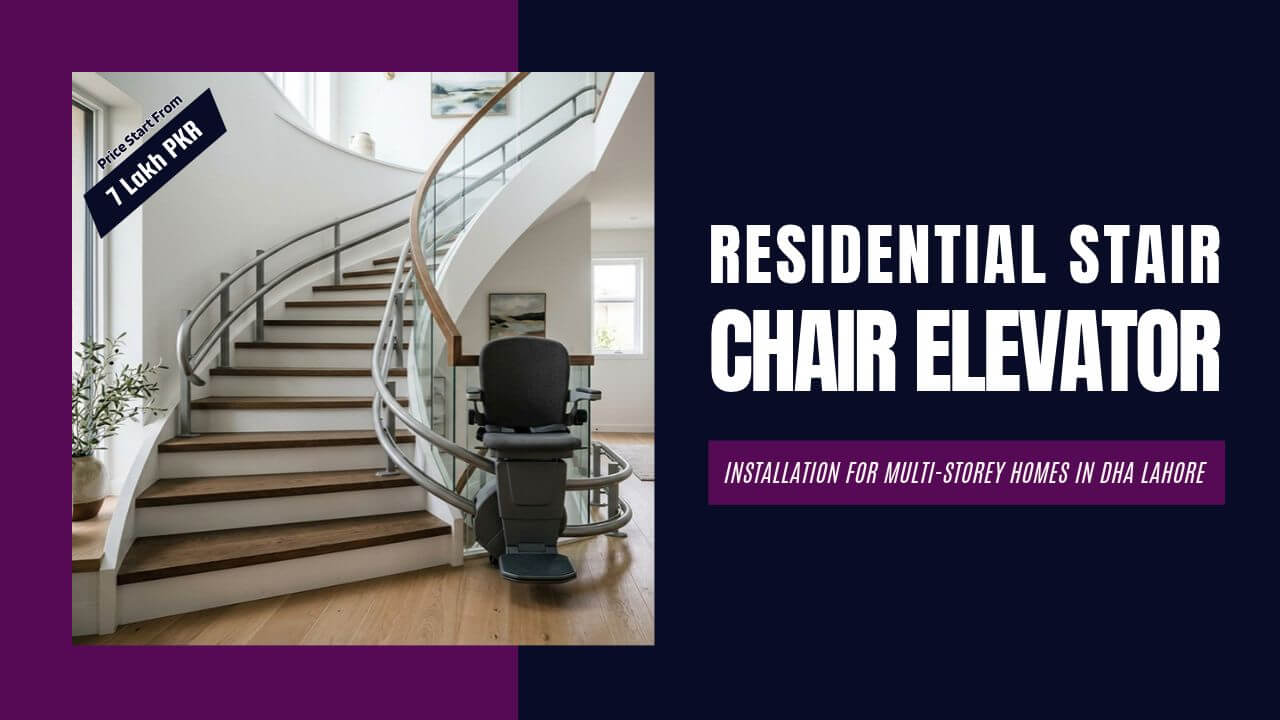
Stair chair elevators provide practical mobility assistance for people who find climbing household staircases difficult. These systems allow users to travel between floors while remaining comfortably seated during operation. A suitable Stair Chair Elevator Installation depends on staircase dimensions, structural conditions, seating requirements, and available space. Multi-storey houses can benefit from carefully planned equipment placement that preserves normal household movement. Rail configuration, control accessibility, and safety mechanisms should be assessed before selecting a suitable model. Professional planning helps homeowners understand installation requirements, expected expenses, and operating considerations. The right arrangement can improve everyday independence while making upper floor access more convenient.
Suitable Residential Areas in DHA Lahore for Seated Stair Lift Placement

Private residences require carefully selected staircase locations to accommodate seated mobility equipment without unnecessarily restricting household movement. Straight stairways, turning staircases, and exterior steps may require different equipment configurations according to their dimensions. In DHA Lahore, homeowners can assess suitable placement areas by reviewing available clearance, landing space, wall conditions, and electrical access. A properly positioned system should allow convenient boarding while preserving practical passage around the staircase. Doorways, furniture arrangements, and frequently used walking routes should also be considered during the assessment. Reviewing these details before purchasing equipment can help prevent avoidable layout complications. Appropriate placement supports comfortable travel between floors while maintaining the usability of existing residential spaces.
Why Is Stair Chair Elevator Installation Beneficial for People Experiencing Stairway Mobility Difficulties
People experiencing limited mobility may find repeated stair climbing physically demanding, particularly when bedrooms or essential household facilities are located upstairs. A Stair Chair Elevator Installation can provide seated transportation between floors while reducing the need to climb steps independently. Depending on individual requirements, suitable equipment may help older adults and people recovering from mobility limitations move around their homes more conveniently. Straight rail systems accommodate direct staircases, whereas curved configurations follow stairways with bends or intermediate landings. Outdoor models can also assist with access across suitable exterior staircases. Safety controls, comfortable seating, and appropriate positioning contribute to practical everyday use. Selecting equipment according to personal needs and staircase design can improve household accessibility.
1- Reduced Climbing Effort on Indoor Steps With Straight Rail Lifts
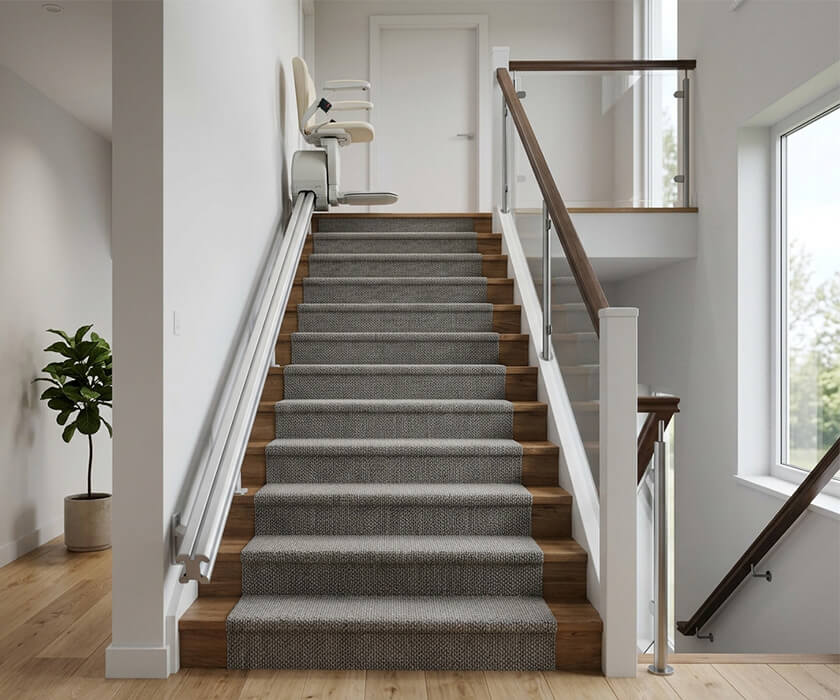
Straight rail lifts provide a practical way to travel along indoor staircases without repeatedly climbing individual steps. Their direct track configuration generally suits stairways without intermediate turns or curved sections. Users can remain seated while the powered carriage moves between designated stopping points, reducing the physical effort associated with stair climbing. This arrangement may be particularly helpful for older adults or people who experience difficulty bending their knees or maintaining stamina. Before selection, homeowners should assess staircase width, track length, seating comfort, and access to the boarding area. Suitable controls and secure restraint systems also contribute to everyday usability. Properly selected equipment can make movement between household floors more manageable.
2- Easier Navigation Around Stairway Turns Through Curved Stair Lifts
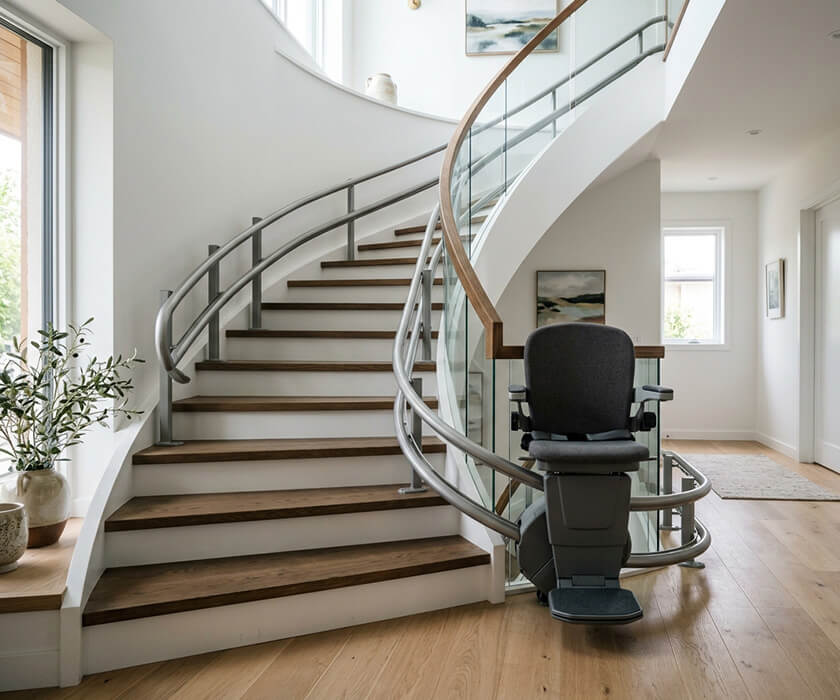
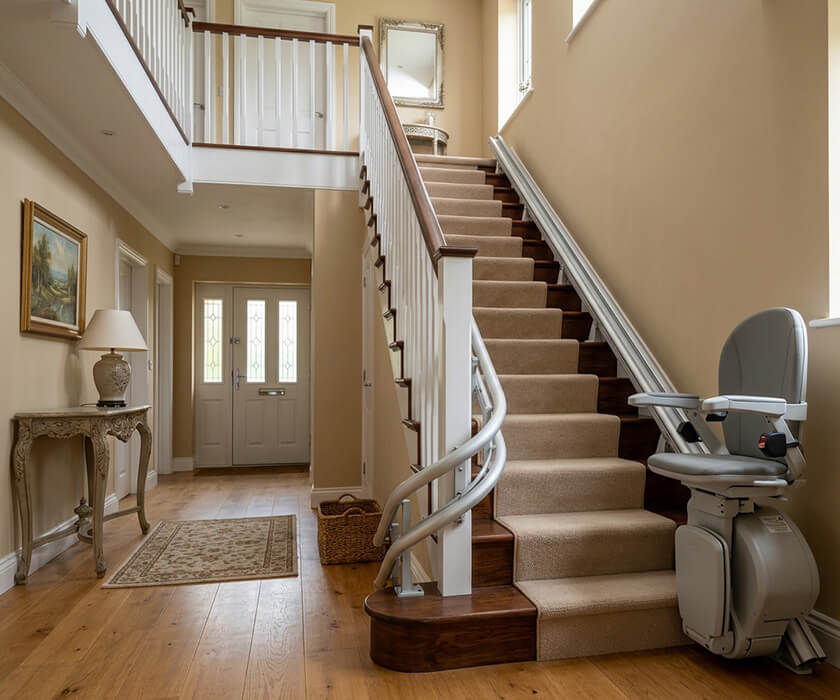
Curved stair lifts are designed for staircases that include bends, angled sections, or intermediate landings. Their track follows the staircase layout, allowing seated users to travel along a route that would not suit a standard straight rail configuration. A suitable design depends on accurate measurements of turning angles, step dimensions, landing positions, and available clearance. This assessment helps determine the appropriate track shape and stopping locations. Swivel seating may also assist users when entering or leaving the chair at designated landings. Professional planning is important because each curved staircase can require a customized rail arrangement. When correctly specified, these systems can provide convenient access across complex indoor stairway layouts.
3- Improved Access Across Exterior Steps Using Outdoor Chair Elevators
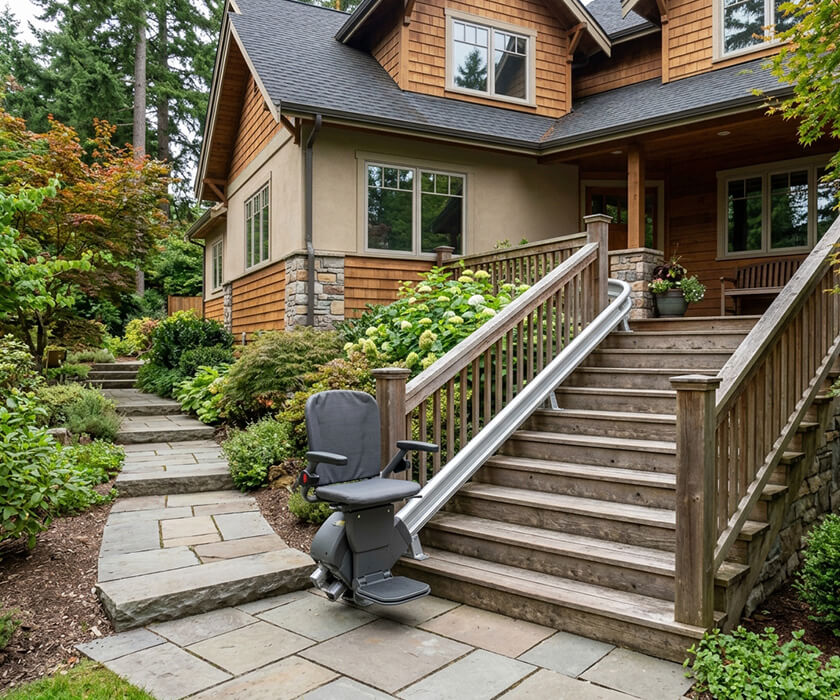
Outdoor chair elevators can assist people who experience difficulty climbing exterior steps leading to entrances, gardens, patios, or raised pathways. Equipment intended for outdoor use should be selected according to the staircase layout and the environmental conditions at the property. Weather resistant materials, protective covers, suitable electrical components, and secure rail mounting are important considerations. Before installation, the route should be measured to establish the required travel distance and available boarding space. Drainage, exposure to rain, and direct sunlight may also influence equipment selection. Appropriate safety controls help users operate the system according to manufacturer guidance. A well-planned exterior arrangement can improve access to frequently used outdoor areas while reducing the effort required to negotiate steps.
Comprehensive Residential Stair Lift Price Evaluation for Multi Level Household Requirements
Residential stair lift costs depend on the staircase configuration, required travel distance, equipment specifications, and installation complexity. Straight rail systems generally involve simpler track arrangements, while curved models may require customized manufacturing to match bends and landings. Outdoor equipment can also involve additional expenses for weather resistant components and protective accessories. Before finalizing a purchase, homeowners should compare track dimensions, seating requirements, safety controls, and the physical conditions of the installation area. The estimated prices below are indicative budgeting figures in Pakistani rupees rather than confirmed supplier quotations. Actual costs may vary according to the selected brand, imported components, transport, and installation requirements. A site assessment can help establish a more accurate quotation for the intended property.
Budget Planning for Straight Rail Seated Lifts in Indoor Areas
Straight rail seated lifts are generally considered for indoor staircases with a direct route between floors. Their overall cost depends on track length, staircase dimensions, seat specifications, safety controls, and installation conditions. Homeowners should measure the available space to ensure that the equipment fits without unnecessarily obstructing the stairs. Landing clearance also matters because users need sufficient room to board and leave the chair comfortably. The following figures provide a preliminary budgeting reference for a standard residential configuration. Final pricing may change according to travel height, selected accessories, and supplier specifications. A professional site assessment can confirm the required dimensions and expected expenditure.
Track Dimensions: 3–5 metres
Landing Space: 0.8–1.2 metres
Estimated Price: PKR 450,000–900,000
Pricing Guide for Curved Staircase Elevators in Split Level Houses
Curved staircase elevators are designed for properties where stairways include bends, intermediate landings, or changes in direction. Their pricing is influenced by the rail’s shape, the number of turns, travel distance, and the amount of customization required. Accurate staircase measurements help establish the correct geometry and determine how the equipment will fit within the available space. Homeowners should also consider seating options, safety controls, and access at the upper and lower landings. The following figures provide an indicative cost range for initial budgeting purposes. Complex layouts or specialized components may increase the final quotation. A detailed site survey is recommended before confirming the equipment specification.
Staircase Geometry: 90°–180° turns
Rail Design: Custom curved track, approximately 4–7 metres
Estimated Price: PKR 1,000,000–2,000,000
Cost Projection for Outdoor Access Chair Lifts on Exterior Steps
Outdoor access chair lifts are intended for exterior staircases leading to raised entrances, terraces, gardens, or other elevated areas. Their cost depends on travel distance, rail construction, weather protection, electrical arrangements, and exposure to outdoor conditions. Materials and components must be suitable for the environment in which the equipment will operate. Homeowners should assess the number of steps, mounting surfaces, drainage, and available boarding space before choosing a model. The following estimates provide an initial budgeting guide rather than a confirmed market quotation. Additional weather resistant accessories or challenging mounting conditions may affect the total expenditure. Supplier assessment is recommended to establish the most appropriate configuration for the property.
Outdoor Distance: 3–6 metres
Protective Covering: Weather resistant cover with exterior rated components
Estimated Price: PKR 600,000–1,200,000
| Lift Category | Weight/Size | Category | Condition | Make | Basic Price (G+1) |
|---|---|---|---|---|---|
|
Stair lift for straight stairs only 14 ft |
1 person |
Fully Imported |
new |
UK |
1,100,000 PKR |
|
Stair lift for straight stairs only 22ft |
1 person |
Fully Imported |
new |
UK |
1,250,000 PKR |
Advanced Passenger Protection Components for Motorized Stairway Transport Systems in Private Residences
Passenger protection depends on the correct combination of safety controls, dependable operating components, and suitable equipment configuration. Residential mobility systems may include reserve battery power to help maintain operation during certain electrical interruptions, subject to the manufacturer’s design. During planning, Stair Chair Elevator Installation should account for stopping controls, seating arrangements, track clearance, and the user’s ability to operate the equipment safely. Swivel seat mechanisms can help users turn toward a landing when entering or leaving the chair, provided they are used according to the manufacturer’s instructions. Obstruction detection systems may stop movement when an obstacle is detected along the travel route. Routine inspections and appropriate servicing help keep safety components in working condition. These considerations contribute to more controlled operation within private residences.
1- Uninterrupted Travel During Power Failures Using Reserve Energy Lift Controls
Reserve battery systems can help certain stair mobility units continue operating when the household electrical supply is interrupted. Their actual operating capability depends on the model, battery condition, remaining charge, and manufacturer specifications. Homeowners should confirm whether the selected equipment supports battery powered travel and understand the procedures required during an outage. Battery condition, charging arrangements, and warning indicators should be checked according to the supplied instructions. Users should also know how to stop the system safely if normal operation cannot continue. These precautions can reduce uncertainty during electrical interruptions and support more predictable equipment use. Professional guidance helps ensure that the selected backup arrangement matches the needs of the household.
2- Stair Chair Elevator Installation Guidance Based on Site Conditions
Suitable installation planning begins with an assessment of staircase dimensions, mounting surfaces, landing clearance, and available electrical access. A turning seat mechanism can help users face the landing when entering or leaving the chair, depending on the model and its approved operating procedure. The selected configuration should allow sufficient clearance for safe boarding without interfering with nearby doors or household pathways. Installers should also review the manufacturer’s requirements for rail mounting, seat movement, restraint systems, and stopping controls. Users need clear operating instructions before using the equipment independently. Proper site preparation helps avoid fitment problems and supports convenient access between floors. A professional assessment can establish whether the proposed configuration is suitable for the property.
3- Automatic Hazard Recognition Through Responsive Lift Monitoring Sensors
Obstruction detection sensors help identify objects that interfere with the equipment’s intended travel path. Depending on the model, the system may stop movement when a sensor detects an obstacle near the carriage or footrest area. These controls can reduce the risk of continued movement against objects, although they do not eliminate every possible hazard. Homeowners should keep the staircase clear and follow the manufacturer’s operating instructions. Sensor checks, routine inspections, and appropriate servicing help maintain dependable performance. Users should never bypass safety controls or assume that detection systems replace careful operation. Correctly maintained sensors provide an additional layer of protection during everyday travel.
Verifyne Lift Consultancy Project Coordination for Improved Residential Stairway Access Planning
Residential stairway mobility projects benefit from structured planning before equipment is selected or installed. Verifyne Lift Consultancy can guide project coordination by reviewing staircase dimensions, available clearance, access requirements, and the practical conditions of the property. An initial assessment helps determine which configuration may suit the staircase and identifies possible constraints before work begins. Planning should also consider user requirements, electrical arrangements, safety provisions, and the expected installation sequence. Coordination between the homeowner, equipment supplier, and installation team helps clarify responsibilities and project specifications. Careful preparation can reduce avoidable changes during implementation. This consultancy approach supports informed decisions about residential access improvements without replacing the technical work of qualified installers.
1- Staircase Measurements for Accurate Lift Positioning Indoors Safely
Accurate staircase measurements help establish the available route, track length, landing clearance, and mounting requirements for residential mobility equipment. The assessment should include staircase width, step dimensions, turning points, nearby doorways, and any obstructions along the proposed route. These measurements help determine whether the selected arrangement can fit within the existing interior layout. Adequate boarding space should be available at both ends of the journey. Electrical access and suitable mounting surfaces should also be reviewed before the equipment is ordered. Recording the measurements clearly helps the supplier prepare an appropriate specification. A professional site survey can confirm the dimensions and identify any adjustments needed before installation.
2- Stair Chair Elevator Installation Guidance Based on Site Conditions
Site conditions influence equipment selection, positioning, mounting arrangements, and the work required to prepare a staircase for installation. The assessment should examine the rail route, structural fixing points, available clearance, electrical supply, and landing access. Where a staircase includes turns or unusual dimensions, the proposed configuration may require additional design work. Homeowners should also confirm that the chosen equipment accommodates the intended user and complies with the manufacturer’s installation requirements. Coordination with qualified installers helps clarify the work sequence and any site preparation needed. Reviewing these details before work begins can reduce unexpected delays or alterations. Clear planning supports a more organized installation process tailored to the property.
3- Emergency Preparedness Reviews for Responsible Elevator Planning
Emergency preparedness should be considered when planning residential stair mobility equipment. Homeowners need to understand the available stopping controls, backup power arrangements, warning indicators, and the manufacturer’s instructions for unexpected interruptions. The planning review should also consider how the user can request assistance if the equipment stops away from a landing. Household members may benefit from knowing the approved emergency procedures without attempting repairs themselves. Regular servicing helps identify wear or faults that could affect normal operation. Any emergency lowering or recovery procedure must follow the equipment manufacturer’s guidance. Including these considerations in the planning stage can help households prepare for interruptions while encouraging responsible equipment use.