Frequently Asked Questions:
What type of elevator is suitable for 2–4 floor homes?
MRL, gearless traction, belt-driven, and hydraulic elevators can suit different home layouts depending on space, travel height, capacity, and budget.
How much does a residential elevator cost for a 2–4 floor home?
Residential elevator pricing varies by system type, floors, travel height, cabin design, and installation requirements; a site assessment gives the accurate cost.
How can I get a quote for residential elevator installation?
For project consultation, installation planning, and exact pricing, contact 0321 586 3975 for further assistance.
Modern 2–4 floor homes require dependable vertical transportation to make movement between living levels more convenient. Residential elevator installation can reduce repeated staircase use while supporting comfortable travel for family members. Proper planning considers available shaft space, floor height, passenger capacity, entrance position, and daily household requirements. A well-selected MRL Residential Elevator can fit efficiently into suitable home layouts while maintaining practical interior space. Professional installation also helps ensure accurate alignment, smooth travel, reliable door operation, and appropriate safety arrangements. Homeowners can choose configurations according to building structure, usage frequency, and preferred cabin design. Careful project planning contributes to dependable performance, comfortable movement, and long-term value for multi-storey residences.
Appropriate Home Layouts in Satellite Town for Machine Room Less Lift Installation

Different residential layouts can accommodate machine room less lift systems when the building structure provides suitable space for vertical travel. Two-storey houses, three-level residences, duplex properties, and larger family homes may require different installation arrangements. Professional assessment examines shaft dimensions, landing positions, available overhead space, and electrical requirements before equipment selection. In Pakistan, a properly planned MRL Residential Elevator can provide convenient floor-to-floor movement without requiring a conventional machine room in many configurations. Homeowners should also consider cabin dimensions, entrance direction, structural conditions, and expected passenger usage. Early planning can help prevent unnecessary modifications during construction or renovation. Suitable layout assessment supports smoother installation while preserving the comfort, appearance, and usable space of the residence.
Why MRL Residential Elevator Makes Multi-Storey Home Living More Convenient Every Day
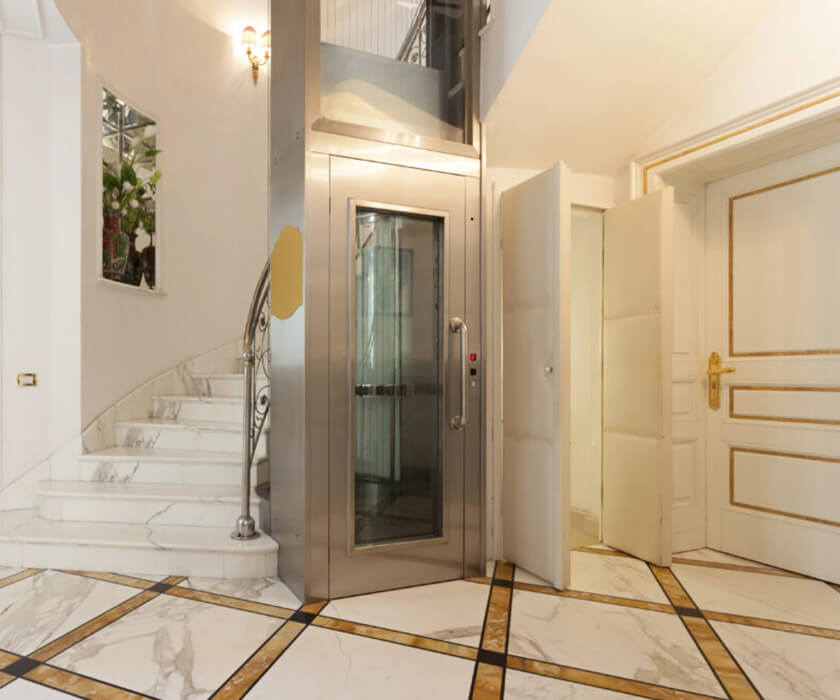
Multi-storey homes often require frequent movement between bedrooms, living areas, kitchens, storage spaces, and upper-floor rooms. Regular staircase use can become inconvenient when household members carry groceries, laundry, luggage, or other everyday belongings. A residential elevator can make these routine journeys more comfortable while reducing unnecessary physical effort. The MRL Residential Elevator is particularly suitable for homeowners seeking efficient vertical transportation within a practical residential footprint. Modern systems can provide controlled starts, smooth floor stopping, automatic doors, and convenient passenger controls. These functions support easier movement for families while maintaining a comfortable home environment. With suitable planning, an elevator can make multi-level living more practical throughout everyday household activities.
1- Reaching Upper Bedrooms Comfortably Through Gearless Traction Lifts
Upper-floor bedrooms can require frequent staircase trips, particularly in homes where sleeping areas are positioned several levels above the main entrance. Gearless traction lifts provide controlled vertical movement that can make these journeys more convenient for residents. Their design can support smooth travel between selected floors while accommodating regular household passenger use. A MRL Residential Elevator configuration can be considered where building conditions and travel requirements suit a machine-room-less arrangement. Comfortable cabin movement can help residents reach bedrooms without repeated stair climbing after busy daily activities. Proper capacity selection also allows several passengers to travel together when required. This arrangement can contribute to a more comfortable residential environment for families using upper-level living spaces.
2- Moving Household Essentials Upstairs via Belt-Driven Home Elevators
Carrying groceries, laundry baskets, shopping bags, luggage, and household supplies upstairs can require considerable effort in multi-level homes. Belt-driven home elevators can provide convenient transportation between floors for these routine household activities. Their controlled movement supports regular passenger travel while helping residents avoid carrying heavier items over staircases. A MRL Residential Elevator can offer an appropriate configuration when the property requires efficient equipment placement with limited dedicated machinery space. Cabin dimensions should be selected according to typical household loads and the number of users. Proper door positioning can also make loading and unloading everyday belongings more convenient. A carefully planned elevator arrangement helps simplify household routines while supporting comfortable movement between residential levels.
3- Reducing Staircase Dependence with Hydraulic Residential Lifts
Frequent staircase use can become tiring when family members need to move repeatedly between multiple residential floors throughout the day. Hydraulic residential lifts provide powered vertical movement that can reduce the need for regular stair climbing. These systems can support passenger travel between selected levels while accommodating different home configurations. The MRL Residential Elevator approach may also be considered when a property requires a compact arrangement suited to its structural conditions. Proper cabin sizing helps provide comfortable boarding while maintaining practical use of available floor space. Safety controls, door systems, and controlled travel contribute to dependable everyday movement. Residential lift planning can therefore make multi-floor living more manageable for families with different mobility needs.
Detailed Residential Elevator Cost Comparison for 2–4 Floor Homes in Satellite Town
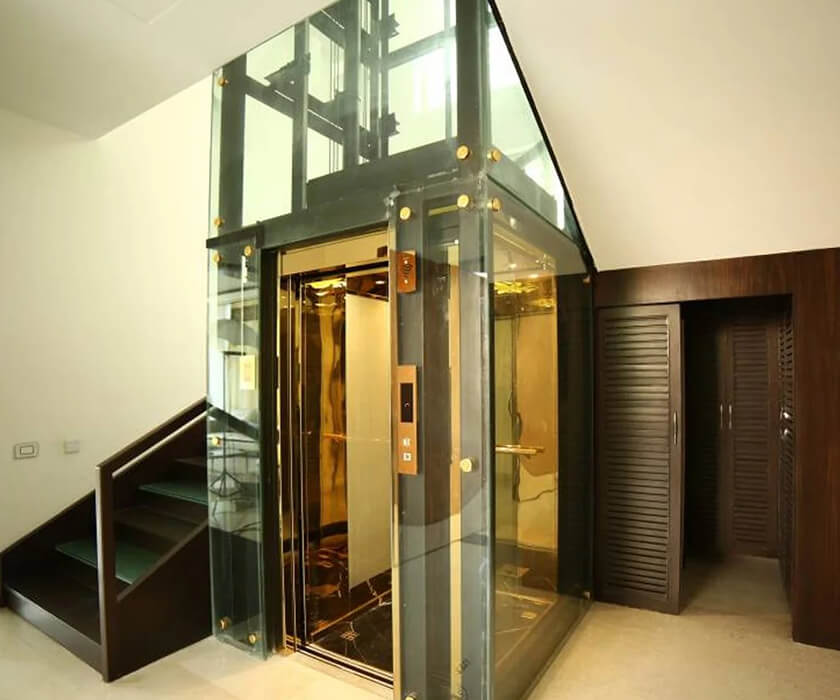
Residential elevator pricing depends on several factors including equipment type, travel height, number of stops, load capacity, cabin specifications, installation conditions, and finishing choices. A two-storey installation generally requires less equipment and structural work than a system serving four levels. Gearless traction, belt-driven, and hydraulic configurations can also differ considerably in equipment and installation costs. The MRL Residential Elevator category may provide a practical option where homeowners want efficient use of available building space. Final pricing should be determined after evaluating the property, travel requirements, electrical arrangement, shaft dimensions, and selected cabin design. Additional expenses may include civil modifications, electrical work, transportation, testing, and commissioning. Comparing these factors before installation helps homeowners establish a realistic budget for long-term residential vertical transportation.
Estimated Budget for Gearless Traction Lift in Two-Storey Family Residences
A gearless traction lift for a two-storey family residence can provide smooth passenger movement with efficient vertical travel. The final investment depends on cabin capacity, travel distance, door configuration, control equipment, finishing materials, and site preparation. For a typical residential arrangement, homeowners may consider a compact configuration designed around the available shaft dimensions. A MRL Residential Elevator using suitable traction equipment can reduce the need for a separate machine-room arrangement in compatible properties. The estimated range below is intended as a planning figure rather than a fixed quotation. Structural changes, electrical preparation, premium cabin finishes, or additional safety equipment can increase the overall project cost. A site inspection is recommended before confirming the final equipment specification and installation price.
Travel Height: 3.0–3.5 m
Number of Floors: 2
Estimated Price: PKR 800,000–1,200,000
Expected Installation Expense for Belt-Driven Elevator in Three-Storey Homes
Belt-driven elevator systems can be considered for three-storey homes requiring regular passenger movement across several residential levels. Installation expenses vary according to cabin size, belt mechanism, controller configuration, landing doors, travel height, and structural preparation. Properties with limited available space may require careful planning to position the equipment without disrupting existing rooms or circulation areas. The MRL Residential Elevator category can be suitable for certain residential designs where compact machinery arrangements are preferred. Homeowners should also account for electrical work, shaft preparation, installation labor, testing, and commissioning when planning the project budget. The following estimate provides a general starting range for a standard three-storey residential installation. Actual pricing should be confirmed after technical evaluation of the specific property.
Travel Height: 6.0–7.0 m
Number of Floors: 3
Estimated Price: PKR 1,500,000–1,800,000
Typical Price Range for Hydraulic Lift in Four-Storey Residential Properties
Hydraulic residential lifts can support passenger movement across four-storey properties where the building structure permits the required installation arrangement. Project costs are influenced by lifting capacity, travel height, hydraulic equipment, cabin design, landing doors, control systems, and civil preparation. Four-storey installations generally require greater travel distance and additional installation work compared with smaller residential projects. A MRL Residential Elevator may provide another option for properties where machine-room-less equipment is preferred, depending on technical conditions. Homeowners should compare equipment specifications rather than selecting a system based only on the initial purchase price. Installation, testing, electrical work, structural preparation, and finishing can contribute significantly to the final investment. The following figures provide an indicative budget range for initial residential project planning.
Travel Height: 9.0–10.5 m
Number of Floors: 4
Estimated Price: PKR 2,000,000–2,500,000
| Product | Passengers / Weight / Size | Category | Condition | Make | Estimated Cost (PKR) |
|---|---|---|---|---|---|
| Home electric 200 kg (refurbished motor) | 2-3 persons | Semi Imported | Refurbished | Any | 1,150,000 PKR |
| Home electric 300 kg (new motor) | 4 persons | Semi Imported | New with Microprocessor VVVF | Turkey/China | 1,350,000 PKR |
| Home Hydraulic lift 250 kg | 2-4 persons | Semi Imported | New | Turkey/China | 700,000 PKR |
| Home Hydraulic lift 150 kg | 1 person | Semi Imported | New | Turkey/China | 650,000 PKR |
Practical Home Elevator Functions Supporting Comfortable Multi-Storey Residential Travel
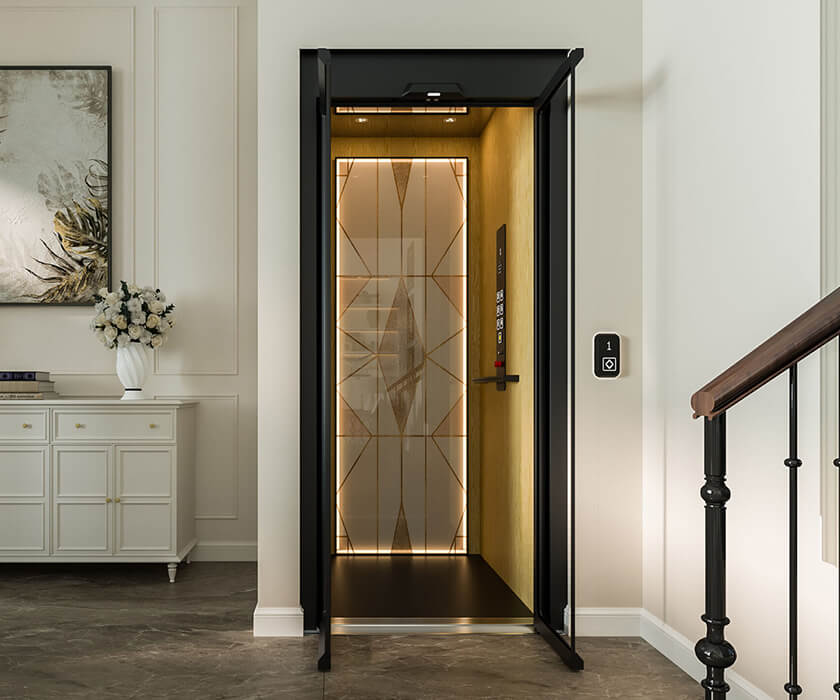
Modern residential elevator systems include several functions that influence passenger comfort, operating reliability, and everyday usability. Smooth acceleration can reduce sudden movement when the cabin begins or completes a journey between floors. Accurate floor positioning helps passengers enter or leave the cabin comfortably at each landing. A MRL Residential Elevator can incorporate coordinated controls, automatic doors, safety sensors, emergency functions, and monitoring equipment according to the selected configuration. Interior materials can also influence the appearance, cleanliness, and overall comfort of the cabin. Backup functions may assist passengers during unexpected electrical interruptions when supported by the selected system. Evaluating these practical functions before installation helps homeowners choose equipment that matches daily residential requirements.
1- Reduced Shaft Depth Requirements for Compact Home Lift Placement
Residential properties often have limited structural space, making efficient shaft planning important before elevator installation begins. Compact configurations can help homeowners preserve usable areas while accommodating the required vertical travel arrangement. Reduced structural requirements may be particularly useful during new construction or carefully planned residential renovation projects. A MRL Residential Elevator can offer a suitable configuration for certain buildings where minimizing dedicated machinery space is an important consideration. Professional assessment should examine pit depth, overhead clearance, shaft dimensions, landing positions, and structural strength. These factors help determine whether the proposed equipment can be installed safely within the available building envelope. Early evaluation can reduce construction complications while supporting practical use of residential floor space.
2- Unified Command Functions Through MRL Residential Elevator Controls
Integrated control functions help coordinate floor selection, cabin movement, door operation, and stopping accuracy during regular residential use. Well-configured controls allow passengers to select their destination while the system manages the travel sequence automatically. A MRL Residential Elevator can incorporate coordinated control equipment designed to support consistent movement between multiple home levels. Clear buttons, responsive controls, floor indicators, and automatic stopping can make everyday use easier for residents. Control systems may also communicate with safety devices to prevent movement when certain operating conditions are not satisfied. Proper configuration depends on the selected equipment, building layout, passenger capacity, and installation requirements. Reliable control coordination contributes to predictable elevator behavior throughout normal household operation.
3- Reliable Downward Travel During Outages Using Backup Lift Operation
Unexpected electrical interruptions can affect residential elevator use, particularly when passengers are traveling between floors. Backup lowering functions can help move the cabin toward a suitable landing when supported by the installed equipment and emergency power arrangement. Such functions can reduce the possibility of passengers remaining inside the cabin during a temporary power failure. The MRL Residential Elevator configuration can be specified with suitable emergency provisions according to the selected control system. Battery-backed systems, emergency lighting, alarm functions, and manual release arrangements may contribute to safer passenger handling. Installation planning should ensure that emergency functions are tested and explained to household users. Regular inspection also helps maintain dependable performance when an unexpected interruption occurs.
Verifyne Lift Consultancy Residential Vertical Mobility Management for Family Properties
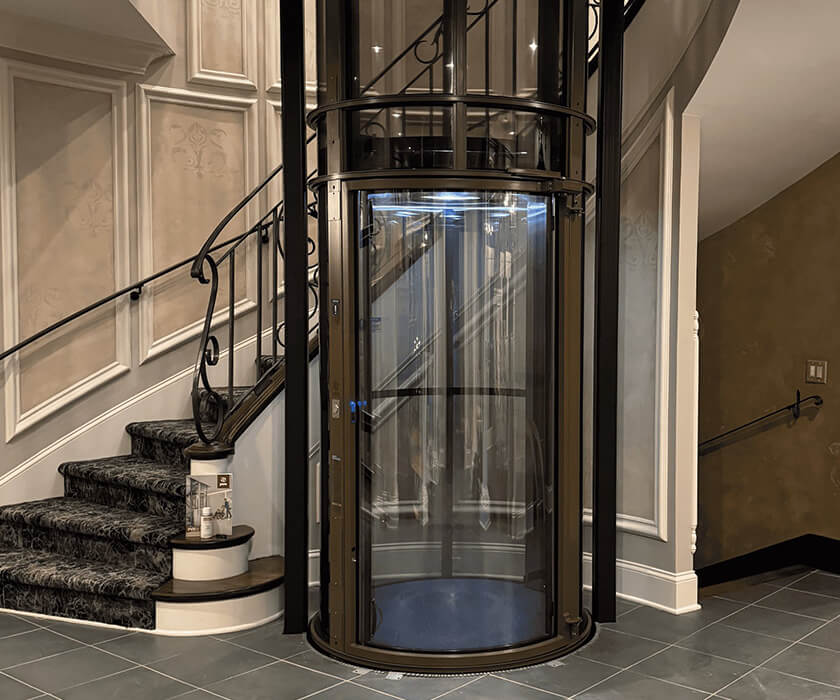
Professional consultancy can help homeowners organize residential elevator projects from initial assessment through installation and ongoing service. Building evaluation identifies suitable equipment locations while considering shaft dimensions, travel height, floor arrangement, electrical requirements, and household usage. Project planning also helps coordinate structural preparation, equipment selection, installation scheduling, testing, and commissioning. Verifyne Lift Consultancy can support a structured approach to residential elevator planning based on the requirements of each property. Technical guidance helps homeowners understand equipment specifications, installation considerations, safety arrangements, and expected maintenance needs. Proper coordination can reduce avoidable delays while improving communication between the property owner, technical team, and installation professionals. A planned consultancy process supports more organized project execution and reliable long-term elevator performance.
1- Detailed Property Readiness Assessment Before Elevator Positioning Begins
Before an elevator project begins, the property should be evaluated to determine whether the proposed installation area can accommodate the required equipment. Assessment typically considers shaft dimensions, floor-to-floor heights, structural strength, pit requirements, overhead clearance, entrance locations, and electrical provisions. The building layout also needs to support safe passenger circulation around each landing. A MRL Residential Elevator can be assessed according to the available structure, required travel distance, cabin size, and household usage pattern. Early property evaluation helps identify potential construction changes before equipment is ordered or installation work begins. It can also improve planning accuracy by identifying technical limitations at an early stage. A detailed readiness review provides a stronger foundation for efficient residential elevator project execution.
2- MRL Residential Elevator Installation Management for Project Coordination
Residential elevator installation involves multiple stages that require proper coordination between site preparation, equipment delivery, technical installation, electrical connections, testing, and commissioning. Organized project management helps ensure that each stage follows the planned sequence without unnecessary delays. MRL Residential Elevator installation requires attention to shaft dimensions, guide alignment, landing entrances, control equipment, wiring, and safety arrangements. Regular coordination can also help identify site issues before they affect later installation activities. Professional supervision supports communication between property owners, construction teams, technicians, and other project participants. Final testing should confirm appropriate travel, door operation, controls, safety functions, and emergency provisions before regular household use. Structured installation management contributes to a smoother project completion with dependable equipment performance.
3- Long-Term Service Scheduling for Reliable Residential Lift Performance
Regular servicing helps residential elevator systems maintain dependable performance after the initial installation has been completed. Maintenance schedules can include inspections of doors, controls, safety devices, drive components, cabin equipment, wiring, and other operating parts. Routine checks may also identify unusual sounds, movement changes, door delays, or other issues before they develop into larger problems. The MRL Residential Elevator system should be maintained according to its equipment specifications, operating frequency, and manufacturer recommendations. Timely servicing can support consistent ride quality while helping extend the useful life of important components. Homeowners should keep maintenance records so inspections, repairs, and replacement requirements can be monitored over time. A structured service schedule supports safer, more reliable, and more predictable residential elevator use.