
Modern MRL passenger elevators provide convenient vertical movement for shoppers, tenants, staff, and visitors across multi-storey commercial properties. These systems use compact equipment arrangements that can help preserve valuable building space while supporting regular daily traffic. With proper planning, MRL Passenger Elevator Installation can deliver smooth travel between retail, office, and service floors. The right capacity, travel height, door arrangement, and control system should match the building’s expected usage. Careful engineering also helps maintain passenger comfort, operational reliability, and safe floor access. In Faisalabad, commercial property owners can assess these factors before selecting an elevator arrangement for their building. A professionally planned system can support practical movement throughout busy plaza environments.
Business Centre Areas in Faisalabad Suited to Machine Roomless Passenger Systems

Business centres with several occupied floors often require dependable vertical transportation for visitors, employees, tenants, and customers. Reception areas, office levels, retail sections, and shared commercial floors can all benefit from convenient access between different parts of a building. MRL passenger systems are particularly suitable where available construction space needs careful consideration during planning. Their compact arrangement can work well within properties where efficient use of the shaft and surrounding area matters. MRL Passenger Elevator Installation should be assessed according to building structure, traffic volume, available shaft dimensions, and expected passenger demand. Growing business properties in Faisalabad can review these requirements before finalizing elevator placement. Proper positioning can make routine movement easier while supporting the overall usability of the commercial premises.
Why MRL Passenger Elevator Installation Is Worth Considering for Multi Floor Commercial Spaces
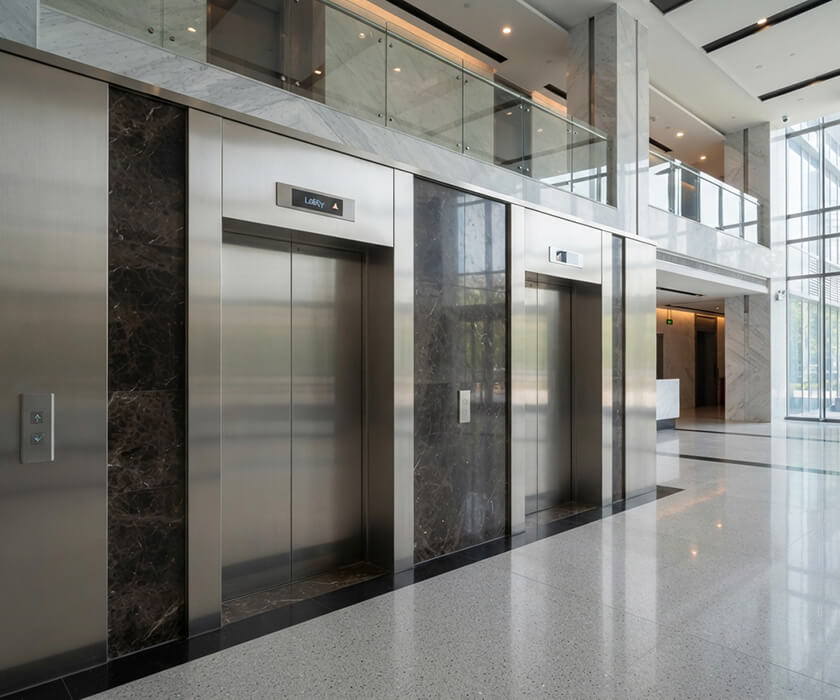
Multi-floor commercial buildings need dependable vertical transportation to keep customer movement, employee access, and tenant circulation convenient throughout the day. An appropriately selected elevator can reduce reliance on stairways while making upper-level shops, offices, and service areas easier to reach. MRL Passenger Elevator Installation can also suit properties where efficient equipment placement is an important part of the building plan. Smooth acceleration, accurate floor stopping, responsive doors, and suitable passenger capacity all contribute to a better travel experience. These factors become especially valuable when a plaza handles frequent visitor movement during busy operating periods. Building owners can therefore compare capacity, shaft requirements, travel distance, and expected usage before choosing a system. A well-planned elevator can contribute to accessibility, comfort, and practical day-to-day building operations.
1- Swift Store Visits with Responsive Commercial Passenger Elevator Units
Quick access between retail floors can help shoppers reach stores without unnecessary delays during busy commercial hours. Responsive passenger elevators can support convenient movement for customers visiting multiple levels within a shopping property. Their controlled operation helps provide comfortable travel while suitable door performance can make boarding and exit more convenient. MRL Passenger Elevator Installation can be planned around expected visitor volumes, floor arrangement, and peak-period traffic requirements. Proper capacity selection also helps reduce excessive waiting when several customers arrive at the same time. Clear floor access can improve the overall shopping experience while helping businesses remain accessible to a wider range of visitors. A dependable elevator arrangement therefore supports smoother customer movement throughout multi-level retail spaces.
2- Hassle Free Employee Transit through Dependable Gearless Lift Assemblies
Employees working across different floors need convenient transportation to move between offices, service areas, meeting rooms, and operational sections. Gearless lift assemblies can provide smooth vertical travel when the system is correctly matched with building height and passenger demand. Consistent acceleration and controlled stopping can make repeated journeys more comfortable for staff members during working hours. Properly planned elevator operation may also help reduce unnecessary movement through stairways in larger commercial properties. MRL Passenger Elevator Installation can incorporate suitable controls, capacity planning, and access arrangements according to the building’s daily workflow. Reliable service becomes particularly useful where employees make frequent trips between several occupied levels. A practical elevator setup can therefore support workplace convenience while keeping routine internal movement organized.
3- Valuable Space Retention with Efficient Machine Roomless Elevator Layouts
Commercial properties often need to maximize usable floor area while still providing dependable vertical transportation for occupants. Efficient machine roomless layouts can help reduce the space required for conventional equipment arrangements when the building structure permits this approach. Careful shaft planning allows owners to consider how elevator equipment, entrances, and surrounding areas will fit within the available footprint. MRL Passenger Elevator Installation can be evaluated alongside architectural requirements to avoid unnecessary loss of usable commercial space. This consideration can be valuable for retail units, office floors, and properties where every square metre contributes to operational or rental value. Appropriate engineering also ensures that space efficiency does not compromise passenger comfort or safe access. A well-coordinated layout can therefore support practical building utilization across multiple floors.
Frequently Asked Questions:
Are MRL Elevators Suitable for Commercial Plazas?
Yes, machine roomless elevators can suit offices, retail floors, and multi-storey plazas where efficient space utilization and reliable passenger movement matter.
How Much Space Is Needed for a Machine Roomless Elevator?
The required shaft area varies by cabin dimensions, passenger capacity, and building layout, making an on-site assessment important.
What Is the Cost of MRL Passenger Elevator Installation in Faisalabad?
Pricing depends on cabin size, floor capacity, travel height, specifications, and site conditions; contact 0321 586 3975 for an estimate..
Cost Planning Guide for MRL Passenger Elevator Systems Across Retail Property Developments
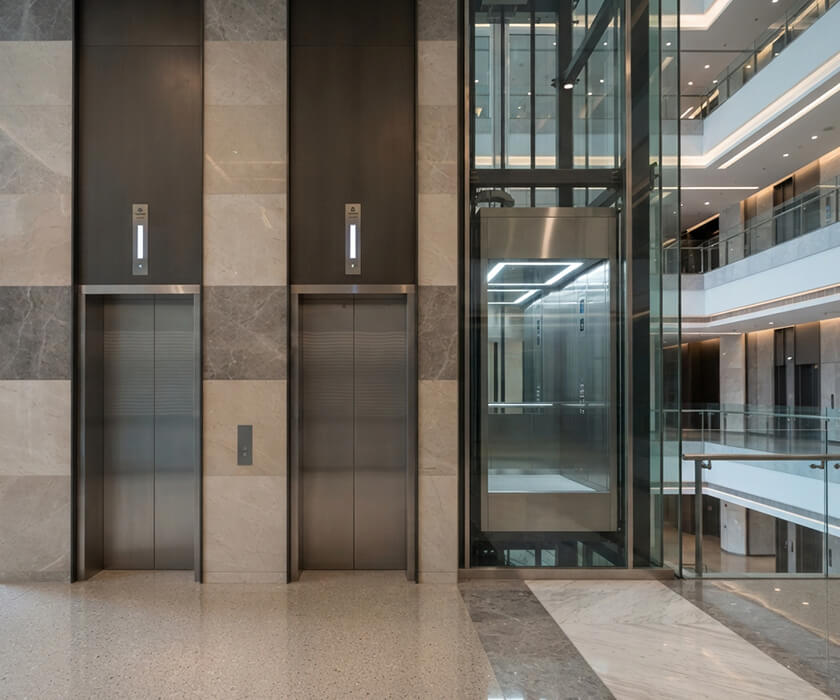
Elevator pricing for retail developments depends on several factors, including cabin dimensions, passenger capacity, travel height, number of stops, finishes, controls, and installation requirements. A realistic budget should consider both the initial equipment expense and the building work required for proper integration. MRL Passenger Elevator Installation costs may vary according to shaft conditions, access arrangements, specifications, and project complexity. Property owners should compare the expected passenger load with the required cabin size before confirming an equipment package. Interior finishes, automatic doors, safety controls, and customized operating features can also influence the final quotation. Planning these elements early helps reduce unexpected expenses during construction or installation. A detailed cost assessment gives commercial developers a clearer basis for comparing suitable elevator options.
Approximate Pricing for Compact Passenger Lift Systems in Shopping Buildings
Compact passenger lift systems can be considered for shopping buildings where moderate visitor traffic requires convenient access across several floors. The final price depends on cabin dimensions, passenger capacity, travel distance, landing requirements, control equipment, and interior specifications. MRL Passenger Elevator Installation may fall within different budget levels depending on the building’s structural readiness and selected configuration. For a standard commercial application, a practical cabin size can accommodate several passengers without requiring an unnecessarily large footprint. Floor capacity should also reflect the number of people expected to use the elevator during normal and peak periods. The figures below provide an indicative planning range rather than a fixed quotation. Final pricing should be confirmed after a site assessment and detailed technical specification.
Cabin Size: 4 ft × 4 ft
Floor Capacity: 6 Persons
Estimated Price: PKR 2,800,000–3,800,000
Estimated Cost Range for Gearless Elevators Serving Office Retail Properties
Gearless elevators can serve office and retail properties where regular passenger movement requires comfortable travel across multiple occupied levels. Their pricing is influenced by passenger capacity, cabin dimensions, travel height, number of stops, door configuration, and selected interior finishes. MRL Passenger Elevator Installation can require a higher project budget when developers choose larger cabins, enhanced controls, premium finishes, or greater travel requirements. A medium-capacity arrangement can provide a practical balance between passenger handling and available building space. Proper planning should also account for shaft dimensions, electrical requirements, landing access, and installation conditions. The following figures can help property owners establish an initial budget for a commercial elevator project. Actual costs may change after engineering assessment and supplier specification.
Cabin Size: 5 ft × 5 ft
Floor Capacity: 8 Persons
Estimated Price: PKR 3,500,000–4,800,000
Installation Budget for Machine Roomless Passenger Lifts in Multi Level Premises
Machine roomless passenger lifts can be suitable for multi-level premises where building owners want practical vertical transportation without allocating extensive space for conventional equipment rooms. Pricing varies according to cabin size, passenger load, travel height, number of stops, structural conditions, and selected control arrangements. MRL Passenger Elevator Installation can involve additional project costs when extensive shaft preparation, customized cabin interiors, or specialized access requirements are involved. A higher-capacity cabin may be appropriate for properties with heavier visitor traffic and greater daily usage. Developers should also consider landing doors, electrical provisions, safety equipment, and installation logistics when preparing the budget. The figures below offer a useful starting point for commercial planning purposes. A final quotation should follow a technical survey covering the actual site conditions.
Cabin Size: 5 ft × 6 ft
Floor Capacity: 10 Persons
Estimated Price: PKR 4,200,000–5,800,000
| Product | Passengers / Weight / Size | Category | Condition | Make | Estimated Cost (PKR) |
|---|---|---|---|---|---|
| Commercial passenger lift electric 630kg | 6-8 persons | Semi Imported | New | Turkey/China | 2,150,000 PKR |
| Imported FUJI lift 630kg | 6-8 persons | Fully Imported | New | China | 2,232,560 PKR |
| Panoramic passenger lift electric 630kg | 6-8 persons | Semi Imported | New | Turkey/China | 2,500,000 PKR |
Modern Engineering Attributes Improving Vertical Transportation in Multi Storey Premises
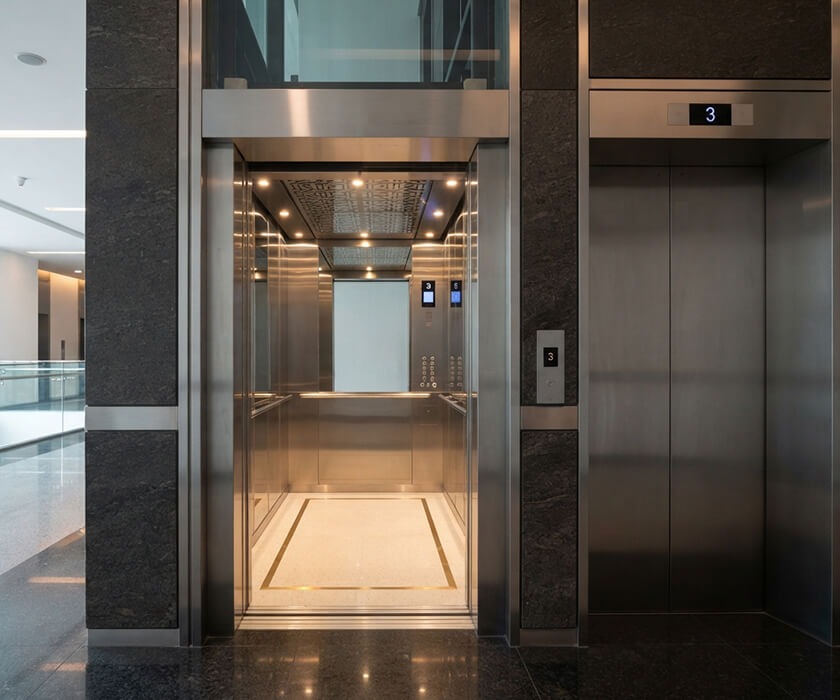
Contemporary elevator engineering focuses on improving travel efficiency, passenger protection, operational control, and overall user experience. Commercial buildings can benefit from systems that manage movement smoothly while responding to changing passenger demand throughout the day. MRL Passenger Elevator Installation can incorporate advanced operating functions that help reduce unnecessary energy use while maintaining dependable service. Safety monitoring also plays an important role by detecting operating conditions that require attention before they affect passengers. Digital connectivity can provide useful information about system status, service requirements, and operational performance. These capabilities become increasingly valuable in busy multi-storey premises with frequent elevator use. Proper engineering selection helps building owners achieve a balanced combination of comfort, safety, efficiency, and dependable operation.
1- Optimized Energy Consumption through Regenerative Lift Controls
Elevator movement can consume considerable electrical power when systems operate frequently throughout busy commercial buildings. Regenerative controls can help recover energy generated during certain phases of elevator operation rather than allowing it to be wasted. This approach can contribute to more efficient electricity use when combined with appropriate motor control and operating management. MRL Passenger Elevator Installation may include energy-conscious controls that support efficient performance during repeated daily journeys. Reduced power demand can be particularly valuable for retail and office properties with substantial passenger traffic. Building owners can also consider standby functions that limit unnecessary energy consumption during periods of low activity. Together, these measures can contribute to more economical elevator operation over the system’s working life.
2- Improved Travel Security with Automated Elevator Safety Monitoring
Passenger protection is a central consideration when selecting an elevator for a busy commercial property. Automated monitoring can observe important operating conditions and help identify irregularities that may require corrective attention. Door sensors, emergency controls, overload detection, and floor-position monitoring can contribute to safer passenger movement. MRL Passenger Elevator Installation should include appropriate protective arrangements based on the building design, expected traffic, and applicable safety requirements. Clear monitoring can also help maintenance teams identify potential operational issues before they develop into more serious interruptions. Regular inspection remains important even when automated safety functions are installed. A properly maintained monitoring system supports greater confidence for shoppers, tenants, employees, and visitors using the elevator.
3- MRL Passenger Elevator Installation with Digital Building Connectivity
Digital connectivity can make elevator monitoring more convenient for property managers responsible for busy commercial buildings. Connected systems can provide operational information that helps teams review status, identify service needs, and respond to certain faults more efficiently. MRL Passenger Elevator Installation can integrate communication capabilities that support remote monitoring when the selected equipment and building infrastructure allow it. Access to performance information may help maintenance teams plan servicing before minor issues cause longer interruptions. Property managers can also use connected data to understand usage patterns and support better operational planning. These functions can be especially useful where multiple floors experience regular passenger movement throughout the working day. Digital monitoring therefore adds another layer of visibility to routine elevator management.
Verifyne Lift Consultancy Planning Services for High Traffic Commercial Property Projects
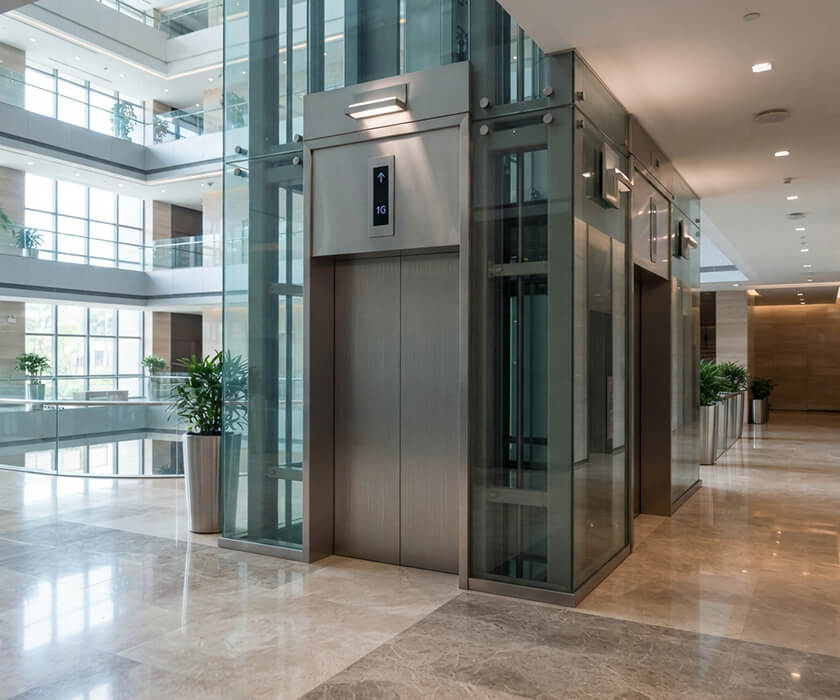
Commercial elevator projects require more than equipment selection because building conditions, passenger demand, shaft dimensions, electrical provisions, installation timing, and future maintenance all influence the final outcome. Verifyne Lift Consultancy can provide engineering guidance to help property owners evaluate these requirements before project execution begins. MRL Passenger Elevator Installation can be reviewed against the actual building layout, expected traffic, and operational objectives during the planning stage. Consultancy input can also help coordinate technical requirements between property teams, contractors, suppliers, and installation personnel. Proper scheduling reduces the risk of delays caused by incomplete preparation or conflicting site activities. Maintenance planning should also be considered early to support dependable service after commissioning. A structured advisory approach can help commercial developers make informed decisions throughout the elevator project lifecycle.
1- Building Assessment Assistance for Suitable Lift Location Selection
Selecting an appropriate elevator location can influence passenger convenience, circulation, construction requirements, and the overall usability of a commercial property. A building assessment can review shaft dimensions, floor layouts, entrance positions, structural conditions, and expected movement patterns before a final location is selected. MRL Passenger Elevator Installation should be positioned where passengers can reach the lift conveniently from major entrances, retail zones, offices, or shared circulation areas. Professional assessment can also identify potential conflicts with existing services, stairways, columns, or other structural elements. Early evaluation helps reduce the likelihood of costly changes once construction work has progressed. The resulting placement should support both present requirements and anticipated future building use. Careful location planning can therefore contribute to smoother passenger circulation and more practical property design.
2- MRL Passenger Elevator Installation Coordination for Site Progress
Elevator installation involves several activities that need to remain aligned with the wider construction schedule. Coordination may include shaft readiness, electrical provisions, landing preparation, equipment delivery, installation access, testing, and final commissioning. MRL Passenger Elevator Installation can progress more efficiently when these requirements are reviewed before equipment reaches the site. Consultancy guidance can help identify dependencies between elevator work and other construction activities that could otherwise create delays. Regular coordination also provides an opportunity to monitor technical progress against the agreed project requirements. Clear communication among contractors, suppliers, engineers, and property representatives helps keep responsibilities organized. Effective project coordination can support timely completion while maintaining attention to quality and safety requirements.
3- Ongoing Maintenance Scheduling for Consistent Elevator Operation
Regular maintenance helps commercial elevators remain dependable after installation, particularly where passenger traffic is high throughout the day. A planned service schedule can cover door mechanisms, control equipment, safety devices, drive components, electrical connections, and other critical operating parts. MRL Passenger Elevator Installation should be followed by an appropriate maintenance strategy based on usage levels, manufacturer recommendations, and site conditions. Routine inspections can help identify wear or developing faults before they cause unexpected service interruptions. Property managers can also maintain service records to track recurring issues, completed inspections, and replacement requirements. Timely maintenance supports passenger safety while helping preserve reliable elevator performance over the long term. A structured aftercare plan can therefore contribute to smoother building operations and reduced unplanned downtime.