Elevators are a fundamental aspect of modern buildings, providing convenient vertical transportation for occupants and facilitating the efficient functioning of various facilities. However, ensuring their safety and reliability requires diligent elevator maintenance practices. Understanding the critical importance of elevator maintenance is paramount for ensuring the safety of buildings and the well-being of their occupants.
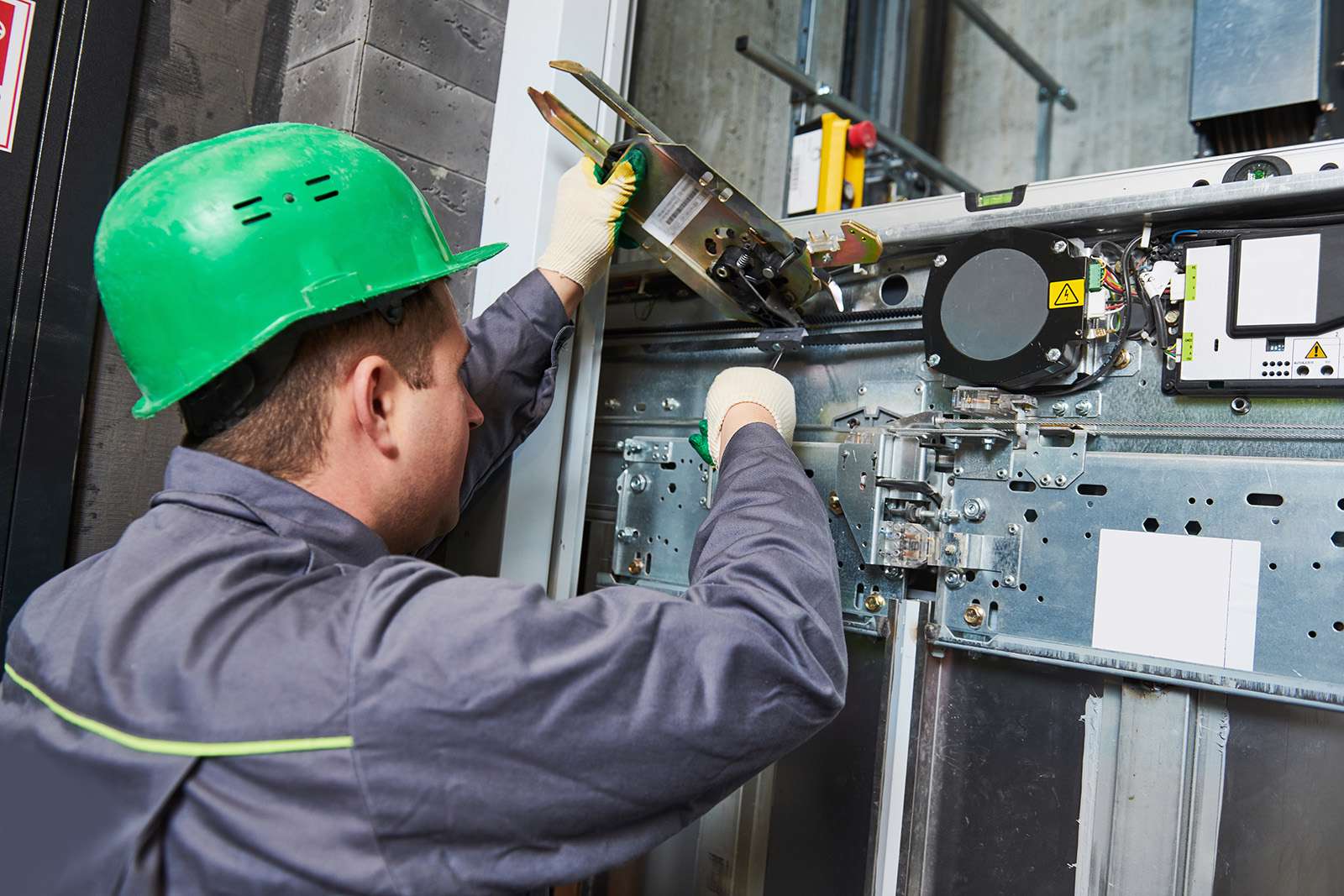
Firstly, routine maintenance protocols play a pivotal role in preserving elevator functionality and safety. Regular inspections, lubrication of moving parts, and testing of safety features are essential to identify and address potential issues before they escalate into safety hazards. Additionally, adherence to manufacturer-recommended maintenance schedules ensures optimal performance and prolongs the lifespan of elevator components.
Moreover, emergency preparedness is a crucial aspect of elevator maintenance. Building owners and facility managers must establish comprehensive emergency procedures to handle elevator malfunctions effectively. In conclusion, adopting critical elevator maintenance practices is imperative for maintaining safe buildings. Through proactive maintenance, adherence to safety regulations, and effective emergency preparedness, building owners and facility managers can uphold the integrity of their elevator systems and safeguard the well-being of occupants.
Understanding the Importance of Elevator Maintenance
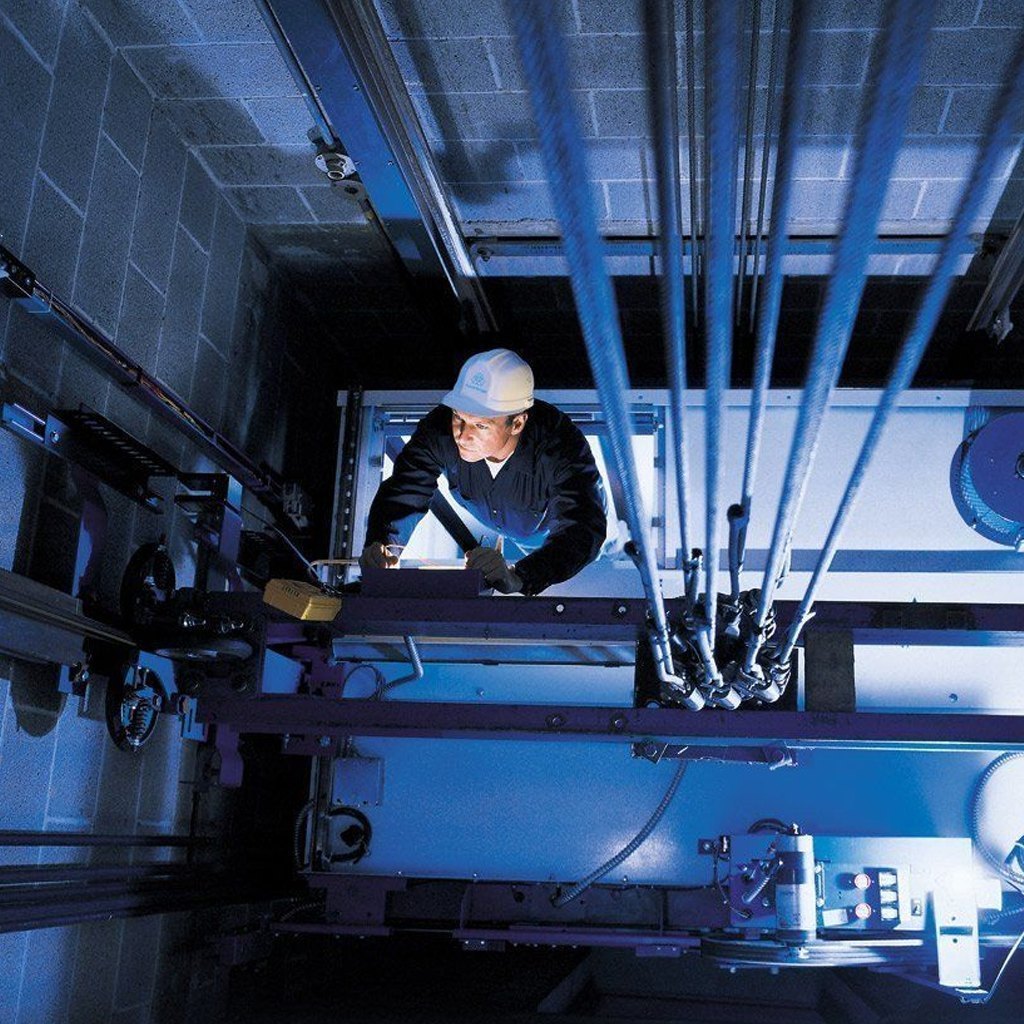
Understanding the importance of elevator maintenance is crucial for ensuring the safety and reliability of vertical transportation in buildings. Elevators are complex systems that require regular upkeep to prevent malfunctions and safety hazards. By implementing routine maintenance protocols, building owners can identify and address potential issues before they escalate. Additionally, adhering to manufacturer-recommended maintenance schedules prolongs the lifespan of elevator components and ensures optimal performance.
Ensuring Safety with Regular Inspections
Ensuring safety with regular inspections is crucial for elevator operation. Elevator maintenance practices are essential for this upkeep. First and foremost, these inspections help identify potential hazards before they become serious issues, thus preventing accidents and ensuring passenger safety. Additionally, regular maintenance checks can detect wear and tear early, allowing for timely repairs and replacements. This proactive approach not only safeguards users but also enhances the overall reliability of the elevator. Ultimately, consistent inspections create a secure environment, providing peace of mind for both building owners and occupants alike.
Extending Equipment Lifespan through Maintenance
Extending equipment lifespan through maintenance is essential for maximizing an elevator’s longevity. By conducting routine checks and servicing, minor issues can be addressed promptly, preventing them from escalating into major problems. Moreover, regular maintenance ensures that all components function optimally, reducing unnecessary strain on the system. This proactive care not only enhances performance but also delays the need for costly replacements. Consequently, a well-maintained elevator operates more efficiently and remains in service longer, benefiting both building owners and users alike.
Enhancing Efficiency and Reducing Consumption
Enhancing efficiency and reducing consumption are key benefits of regular elevator maintenance. Through timely inspections and adjustments, elevators can operate more smoothly and use energy more effectively. For instance, lubricating moving parts reduces friction, which in turn lowers energy use. Additionally, upgrading outdated components to more energy-efficient versions can significantly cut power consumption. This not only decreases operational costs but also contributes to a more sustainable environment. Ultimately, consistent maintenance leads to elevators that are both cost-effective and environmentally friendly.
Essential Components of Elevator Safety Inspections
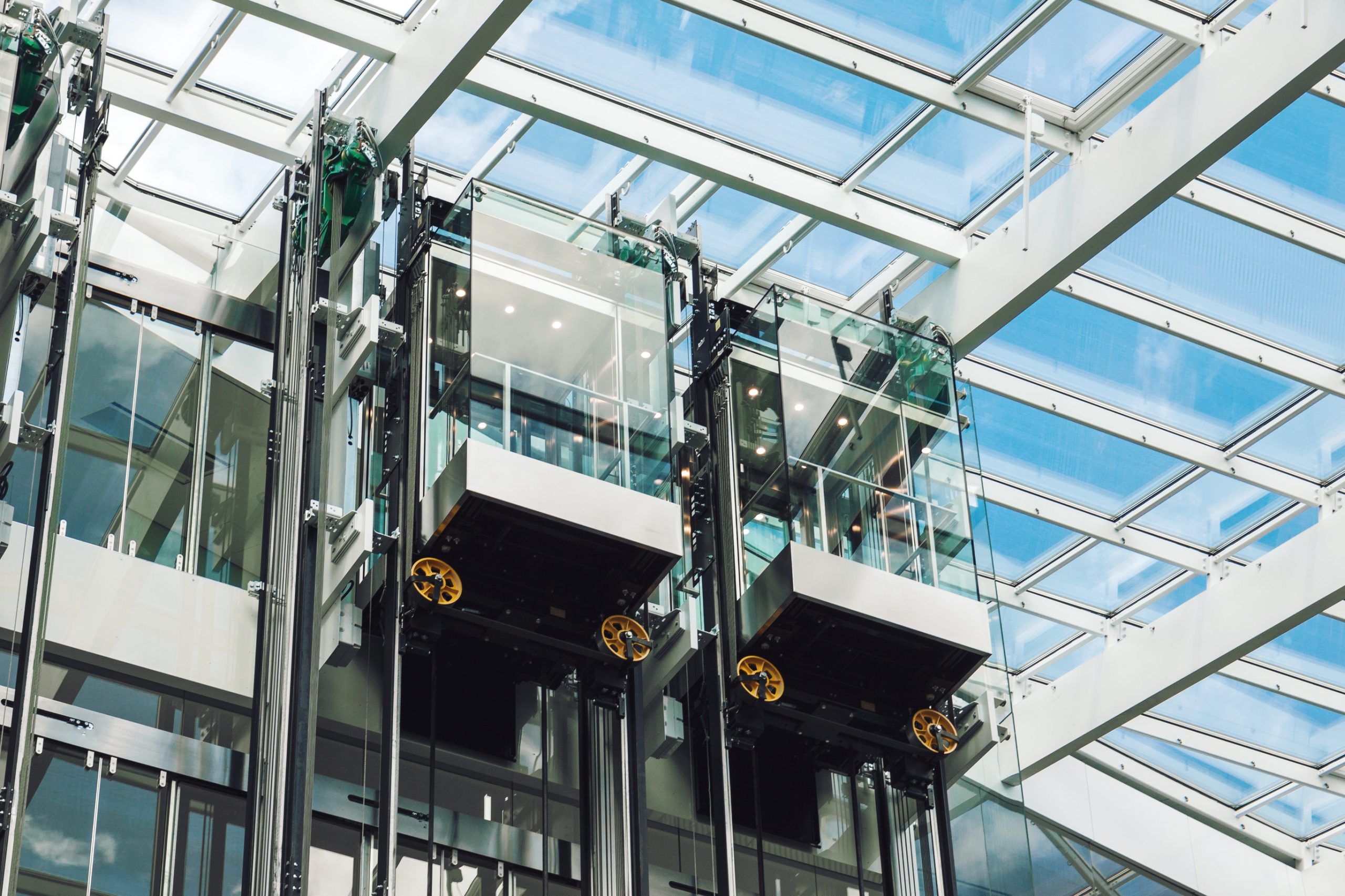
Essential components of elevator safety inspections are critical for ensuring the safe and efficient operation of elevators. Elevator maintenance practices are essential for this upkeep. Firstly, a thorough examination of the elevator’s mechanical system is necessary. This includes checking the condition of cables, pulleys, and counterweights to ensure they are free from wear and damage. Additionally, inspecting the motor and braking systems is vital as these are crucial for the elevator’s movement and stopping capabilities. The inspection should also cover the elevator’s doors and sensors to guarantee they function correctly, preventing accidents caused by doors failing to open or close properly.
Moreover, electrical systems are another key component of safety inspections. This involves testing the control panels, wiring, and emergency systems to ensure they are in optimal working condition. For instance, the emergency alarm and communication system must be tested to ensure passengers can call for help in case of an emergency. Furthermore, the inspection should include a review of the elevator’s emergency power supply, ensuring it can provide adequate power during outages. In addition to these technical checks, regular maintenance of the elevator’s interior, such as lighting and ventilation, is important for passenger comfort and safety. By addressing these essential components during safety inspections, building owners can significantly reduce the risk of accidents and improve the overall reliability of their elevators. Therefore, consistent and comprehensive elevator safety inspections are paramount in maintaining a secure and efficient transportation system within buildings.
Preventative Measures: Routine Maintenance Protocols
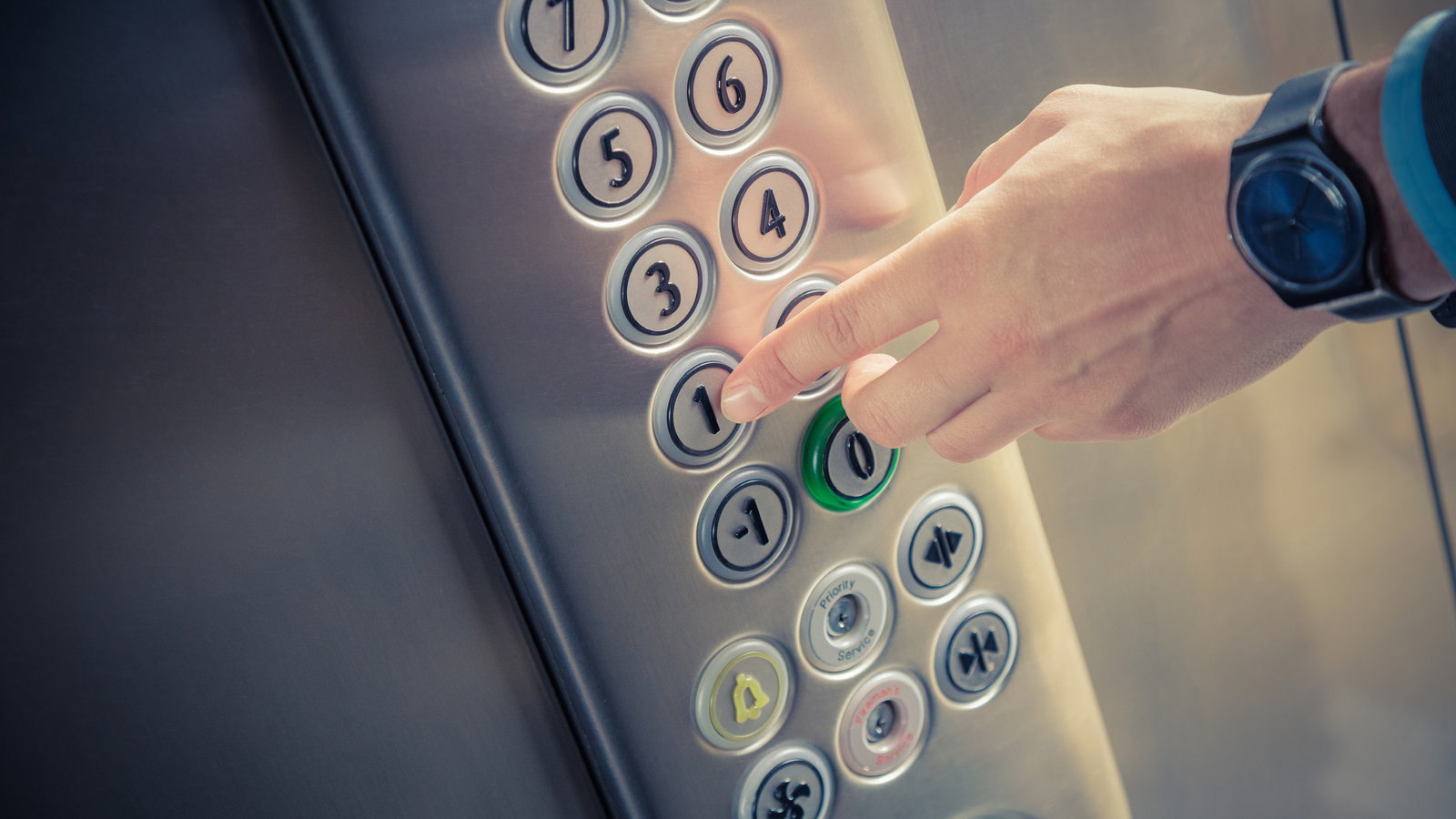
Preventative measures, particularly routine maintenance protocols, play a vital role in ensuring the longevity and reliability of elevator systems. Elevator maintenance practices are essential for this upkeep. Firstly, regular inspections are fundamental to identifying potential issues before they escalate into major problems. These inspections should include checking mechanical components such as cables, pulleys, and brakes for signs of wear and tear. Additionally, lubricating moving parts reduces friction and prevents excessive wear, which can significantly enhance the elevator’s performance and durability. Regularly scheduled maintenance also involves cleaning and inspecting the elevator’s interior and exterior to ensure a safe and pleasant environment for passengers.
Moreover, updating and testing the elevator’s electrical and control systems are critical components of routine maintenance. This includes verifying that all control panels, circuit boards, and wiring are in optimal condition and free from defects. Furthermore, routine software updates and recalibrations can improve the elevator’s operational efficiency and safety. Proactive maintenance protocols also involve keeping detailed records of all inspections and repairs, which can help in tracking the elevator’s performance over time and planning future maintenance activities. By implementing these preventative measures, building owners can minimize unexpected breakdowns, reduce repair costs, and extend the lifespan of their elevator systems. Consequently, routine maintenance protocols are essential for maintaining a reliable and safe elevator service, ultimately contributing to the overall safety and efficiency of the building’s transportation infrastructure.
Identifying and Addressing Common Elevator Issues
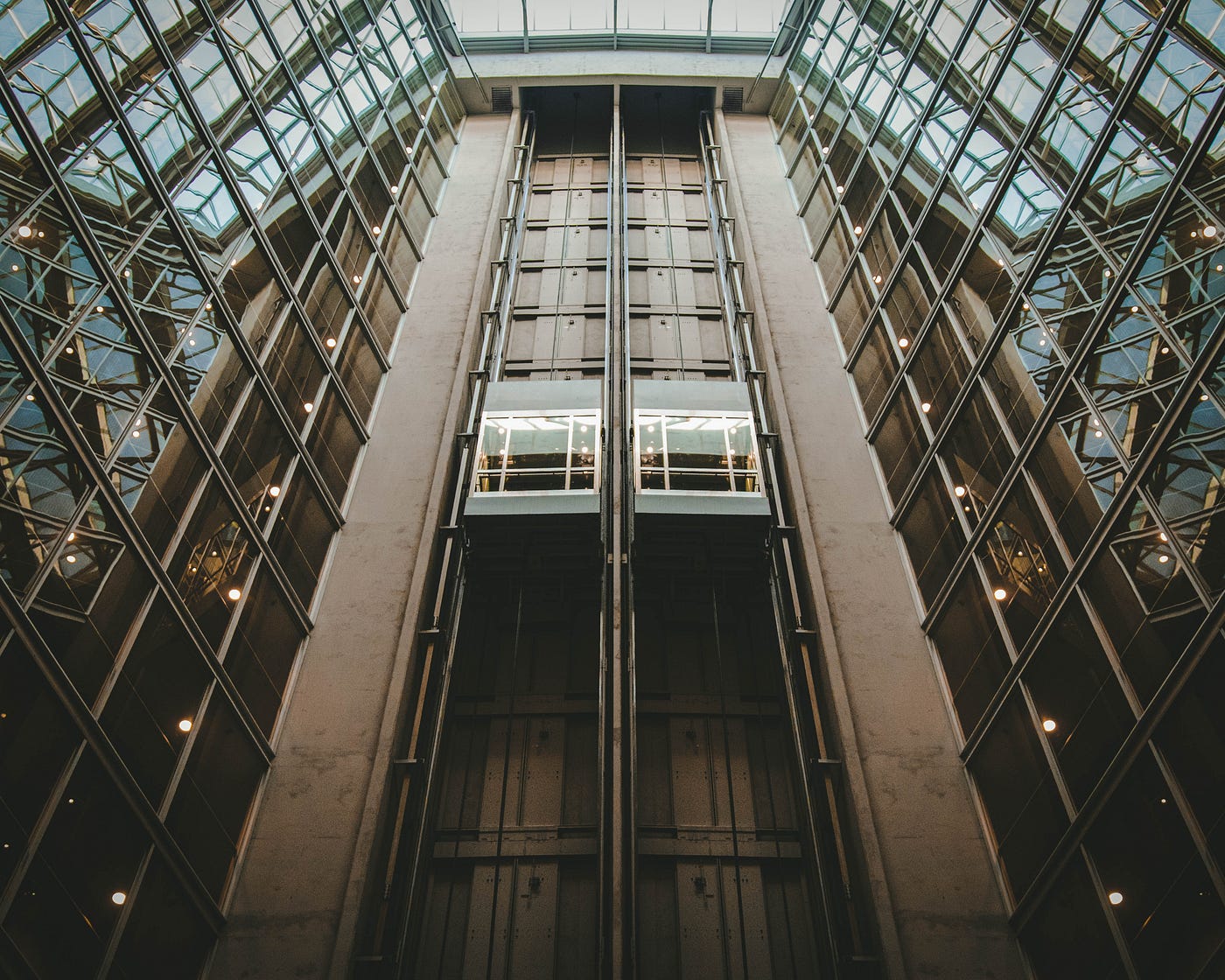
Identifying and addressing common elevator issues is crucial for maintaining reliable service. For example, frequent issues like door malfunctions or unusual noises can indicate underlying mechanical problems. Regular inspections help detect these issues early, allowing for timely repairs and preventing more severe failures. Additionally, addressing electrical glitches promptly ensures the control systems function correctly, enhancing safety. By consistently monitoring and fixing these common problems, building owners can ensure their elevators operate smoothly and efficiently, providing a safe environment for all users. Elevator maintenance practices play a vital role in this upkeep.
Diagnosing Door Malfunction Causes
Diagnosing door malfunction causes is essential for ensuring smooth elevator operation. Firstly, understanding the root of the problem helps technicians pinpoint whether it’s a mechanical issue, such as misalignment, or an electrical malfunction, like sensor failure. Thorough inspection and testing are crucial in identifying these causes accurately. Additionally, timely diagnosis allows for swift resolution, minimizing inconvenience to passengers and reducing the risk of safety hazards. By addressing door malfunctions promptly, building managers can maintain efficient elevator service and ensure passenger satisfaction.
Resolving Noises and Vibrations Promptly
Resolving noises and vibrations promptly is vital for maintaining elevator safety and comfort. When unusual sounds or vibrations occur, they often indicate underlying mechanical issues such as worn-out components or loose connections. These symptoms should never be ignored, as they could lead to more significant problems or even system failure. Prompt action, including thorough inspection and timely repairs, is necessary to address these issues before they worsen. By tackling these concerns promptly, building managers can uphold passenger confidence and prevent potential disruptions in elevator service.
Handling Electrical System Disruptions Efficiently
Handling electrical system disruptions efficiently is critical for ensuring elevator reliability. When disruptions occur, such as power surges or component failures, it’s essential to respond swiftly to minimize downtime. First, technicians must identify the root cause of the disruption through thorough diagnosis and testing. Then, they can implement efficient solutions, which may include repairing or replacing faulty components. Proactive measures, such as regular inspections and maintenance, can also prevent future disruptions, ensuring smooth operation and passenger satisfaction. Efficient handling of electrical disruptions maintains elevator functionality and minimizes inconvenience to building occupants.