
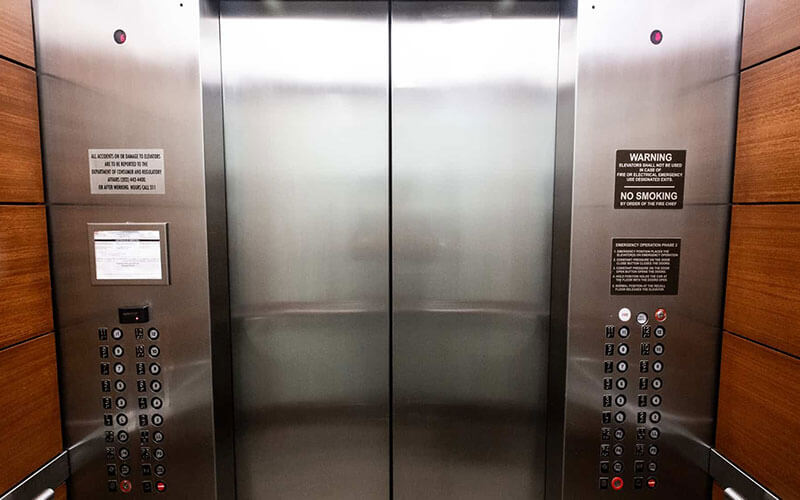
When it comes to elevator projects, understanding the differences between a lift consultant vs. lift contractor is essential. Lift consultants offer specialized knowledge and guidance throughout the project’s lifecycle, from initial assessment to final implementation. They provide expert advice on design, equipment selection, and regulatory compliance, ensuring that the project meets the client’s needs and safety standards. In contrast, lift contractors focus on the physical execution of the project, including installation, testing, and maintenance. They work closely with the lift consultant to bring the project to fruition, adhering to specifications and timelines.
However, despite their distinct roles, lift consultants and lift contractors often collaborate closely to deliver successful elevator projects. While lift consultants provide strategic direction and oversight, lift contractors handle the day-to-day execution, ensuring that installations are carried out efficiently and to the highest standards. This collaborative approach maximizes the strengths of both parties, resulting in a seamless and successful project outcome.
Ultimately, the choice between a lift consultant vs. lift contractor depends on the specific needs and objectives of the project. Lift consultants bring expertise and strategic insight, while lift contractors offer practical skills and hands-on experience. By leveraging the strengths of both, clients can ensure that their elevator projects are completed on time, within budget, and to the highest standards of quality and safety.
Roles and Responsibilities of Independent Lift Consultants versus Lift Contractors
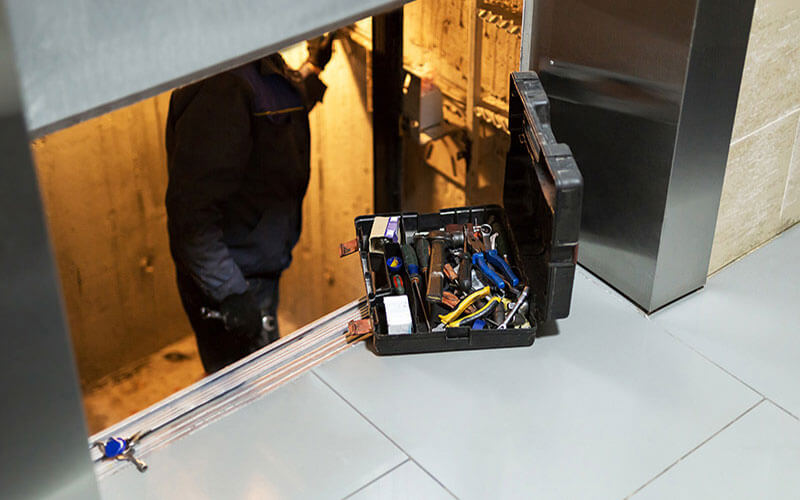
When considering the roles and responsibilities of lift consultant vs. lift contractor, it’s crucial to understand their distinct functions. Lift consultants are typically hired to provide expert advice, conduct evaluations, and offer recommendations based on their specialized knowledge. They oversee the project from inception to completion, ensuring compliance with regulations and industry best practices. On the other hand, lift contractors are tasked with the physical implementation of the project, including installation, maintenance, and repairs. They work closely with the lift consultant to execute the project according to specifications and timelines.
Installation by Lift Contractors
When it comes to installation, lift contractors play a vital role in executing the project plans provided by lift consultants. However, the expertise and guidance offered by lift consultants are invaluable throughout the process. Lift contractors are responsible for physically installing the elevators according to the specifications outlined by the lift consultants. They ensure that all components are assembled correctly and that the installation process meets safety standards. In general, lift consultants oversee the installation process, providing guidance and support to lift contractors as needed.
Advisory Services by Lift Consultants
While lift contractors focus on the physical installation, lift consultants provide advisory services throughout the project lifecycle. Lift consultants, however, offer expertise in designing, planning, and specifying elevator systems. They assess client needs, review architectural plans, and recommend suitable lift solutions. Additionally, the collaboration between lift consultants and lift contractors ensures successful elevator installations. Ultimately, the involvement of both lift consultant vs. lift contractor guarantees a comprehensive approach to elevator projects.
Lift Consultant vs Lift Contractor
When considering elevator projects, understanding the roles of lift consultants vs. lift contractors is essential. Lift consultants, however, specialize in providing expert advice and guidance throughout the project lifecycle. They assess client needs, review architectural plans, and specify appropriate lift solutions. Conversely, lift contractors focus on the physical installation and maintenance of elevator systems. The collaboration between lift consultants vs. lift contractors ensures a comprehensive approach to elevator projects, ultimately leading to successful installations and satisfied clients.
Range of Offerings Provided by Lift Consultants and Contractors

Lift consultants and lift contractors offer a wide array of services within the elevator industry. However, lift consultants primarily focus on advisory roles, offering expertise in design, specifications, and project management. Similarly, lift contractors specialize in the physical installation and maintenance of elevator systems. Ultimately, both entities play crucial roles in ensuring the success of elevator projects. In general, lift consultants guide clients through the selection process, while lift contractors bring designs to life. Therefore, understanding the distinction between lift consultant vs. lift contractor is essential for project success.
Additionally, lift consultants provide valuable insights into compliance regulations, safety standards, and technological advancements in the industry. Similarly, lift contractors execute installation projects according to the specifications outlined by consultants and clients. Ultimately, this collaborative effort ensures that elevator systems meet both functional requirements and regulatory standards. In summary, while lift consultants focus on consultation and advisory services, lift contractors handle the practical aspects of installation and maintenance. Therefore, recognizing the unique contributions of lift consultant vs. lift contractor is vital for optimizing elevator projects.
Allocation of Risk and Liability Between Elevator Consultants and Contractors
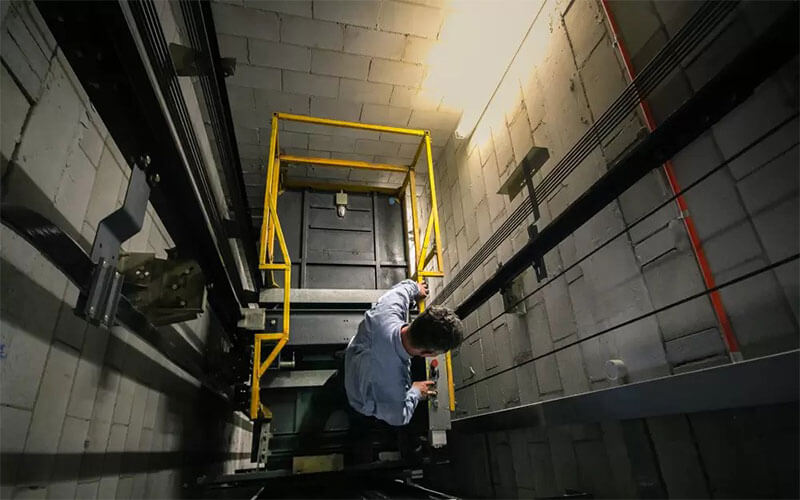
When it comes to risk and liability, lift consultants primarily offer recommendations and guidance on safety standards and compliance. However, lift contractors assume responsibility for the actual installation and maintenance of elevator systems. Ultimately, this division of roles ensures that each party bears the appropriate level of risk. In summary, while lift consultants provide expertise and advice, lift contractors execute the physical work and manage associated liabilities. Therefore, understanding the distinction between lift consultant vs. lift contractor is crucial for effective risk management in elevator projects.
Additionally, lift consultants may offer services such as project management and oversight to ensure that the installation process aligns with industry standards and client expectations. On the other hand, lift contractors handle the practical aspects of the project, including procurement, installation, and maintenance. Although their roles may overlap at times, each brings unique expertise to the table. Ultimately, this collaboration between elevator consultants and contractors enhances the overall quality and safety of elevator installations. Therefore, understanding the differences between lift consultant vs. lift contractor is essential for successful project execution.
Differentiating Approaches Employed by Lift Consultants and Contractors
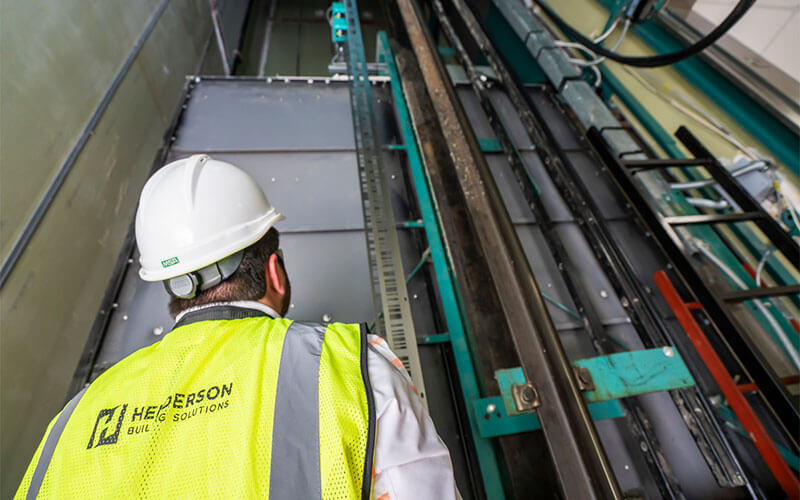
Lift consultants typically focus on providing strategic guidance and expertise throughout the elevator project lifecycle. They offer comprehensive assessments, recommendations, and planning tailored to the client’s specific needs and objectives. In contrast, lift contractors are primarily responsible for the physical execution of the project, including installation, maintenance, and repairs. Although their approaches may differ, both lift consultants and contractors play crucial roles in ensuring the success of elevator projects. Therefore, understanding the distinctions between lift consultant vs. lift contractor is essential for making informed decisions and achieving project goals.
Consultative Expertise
Lift consultants bring consultative expertise to the table, offering strategic insights and recommendations based on their extensive industry knowledge. In contrast, lift contractors primarily focus on the physical execution of projects, such as installation and maintenance. However, both lift consultant vs. lift contractor play crucial roles in ensuring project success. The consultative approach of lift consultants allows for tailored solutions and proactive problem-solving, while contractors ensure the implementation of these solutions.
Technical Implementation
When it comes to technical implementation, lift consultants offer expertise in design, specifications, and regulations. Lift contractors, on the other hand, handle the actual installation and maintenance tasks. However, both lift consultant vs. lift contractor collaborate closely to ensure seamless project execution. While consultants provide recommendations and oversee the project’s technical aspects, contractors bring these plans to life through hands-on work. Therefore, understanding the roles of lift consultant vs. lift contractor is crucial for successful project outcomes and efficient technical implementation.
Project Management
In project management, lift consultants oversee the planning, scheduling, and coordination aspects. Conversely, lift contractors handle the execution and implementation tasks. Lift consultant vs. lift contractor collaborate closely to ensure project milestones are met. While consultants provide strategic guidance and oversight, contractors manage day-to-day operations. Therefore, understanding the roles of lift consultant vs. lift contractor is vital for effective project management.