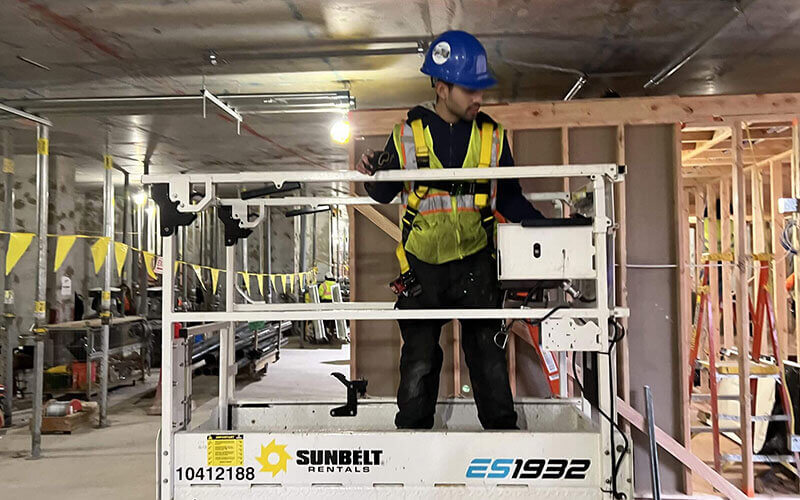
Understanding acceptance inspections for elevators is crucial for ensuring safety and compliance with regulations. Elevators undergo rigorous inspections to verify their functionality and adherence to safety standards. Although these inspections may seem tedious, they are essential for preventing accidents and ensuring passenger safety. Additionally, compliance with acceptance inspections helps building owners avoid legal liabilities and penalties.
Furthermore, acceptance inspections play a vital role in maintaining elevator reliability and performance. Elevators are complex systems that require regular monitoring and maintenance to operate efficiently. Therefore, conducting thorough inspections during the acceptance phase helps identify any defects or issues that need to be addressed before the elevator is put into service. This proactive approach ultimately saves time and resources by preventing potential breakdowns or malfunctions in the future.
In summary, acceptance inspections for elevators are a crucial step in the installation process. They ensure that elevators meet safety standards, comply with regulations, and operate reliably. Building owners and managers should prioritize understanding and complying with acceptance inspection requirements to ensure the safety and functionality of their elevators.
The Significance of Acceptance Inspections
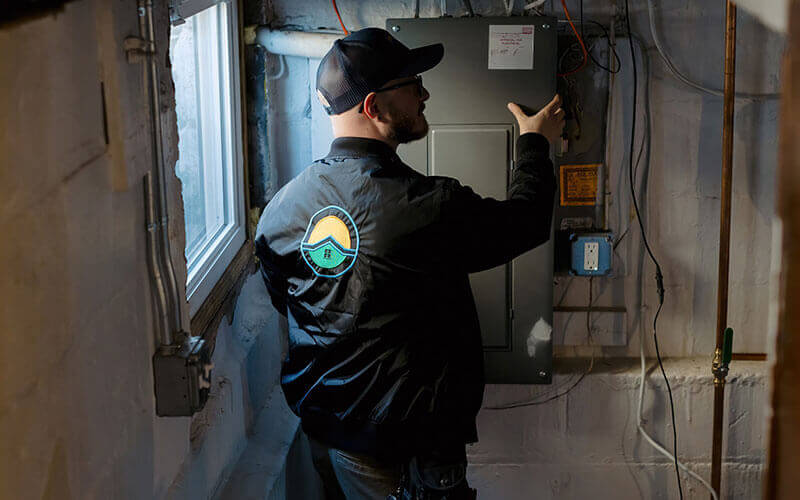
Acceptance inspections for elevators are crucial to ensuring safety and compliance with industry standards. Elevators undergo rigorous testing and examination to verify their functionality and adherence to safety regulations. These inspections ensure that elevators are safe for passengers to use and help prevent accidents and injuries. Therefore, understanding the significance of acceptance inspections is essential for building owners and managers to maintain a safe and reliable elevator system.
Identifying Potential Risks and Hazards
Acceptance inspections for elevators involve identifying potential risks and hazards that may compromise passenger safety. Lift Consultants thoroughly examine various components and systems of the elevator to detect any defects or malfunctions. By identifying these risks early on, necessary measures can be taken to address them promptly. Therefore, acceptance inspections play a crucial role in ensuring the overall safety and reliability of elevator systems.
Preventing Future Issues and Costly Repairs
Acceptance inspections for elevators play a vital role in preventing future issues and costly repairs. By conducting thorough inspections, potential problems can be identified and addressed early on, reducing the likelihood of major breakdowns. Therefore, although acceptance inspections may require time and resources upfront, they ultimately save money by preventing the need for expensive repairs down the line. Additionally, these inspections help ensure that elevators function efficiently and reliably, enhancing the overall experience for passengers.
Enhancing Overall Elevator Performance
Inspections for elevators are crucial for enhancing overall elevator performance. By conducting these acceptance inspections for elevators, potential issues can be identified early on and addressed promptly. Therefore, although acceptance inspections may require upfront investment, they ultimately lead to improved elevator reliability and efficiency. Additionally, these inspections ensure that elevators comply with safety standards and regulations, enhancing passenger safety and satisfaction.
Regulatory Compliance and Safety of Elevators
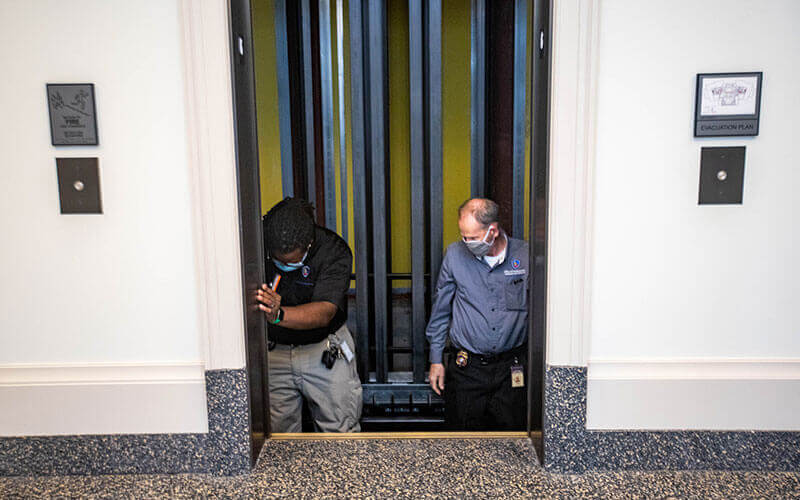
Regulatory compliance and the safety of elevators are paramount in the construction and maintenance processes. Acceptance inspections for elevators ensure that they meet the necessary regulatory standards and safety requirements. Therefore, although these inspections may add time and cost to the project, they ultimately guarantee the safety of passengers and compliance with legal regulations. Additionally, these inspections help prevent accidents and liabilities, thereby safeguarding both property owners and elevator users.
Furthermore, acceptance inspections for elevators serve as a crucial step in ensuring that the elevator systems function optimally. By conducting thorough inspections, potential issues or defects can be identified and rectified early on, thus preventing future disruptions and costly repairs. Additionally, adherence to safety standards and regulations instills confidence in building occupants, fostering a sense of security and trust in the elevator systems. Ultimately, prioritizing acceptance inspections contributes to enhancing overall elevator performance and longevity, benefiting both building owners and occupants alike.
Role of Acceptance Inspections in Elevator Installation Process
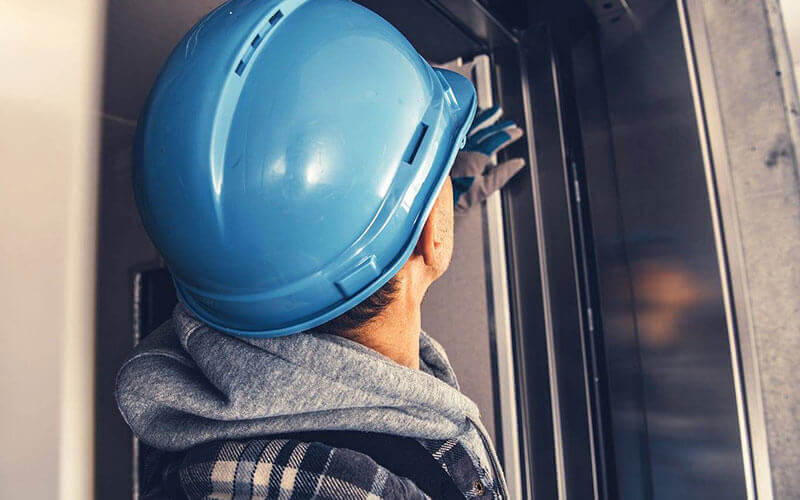
Acceptance inspections for elevators play a crucial role in the installation process, ensuring compliance with safety standards. Although elevator installation involves various stages, acceptance inspections mark the final step before the system is put into operation. During these inspections, elevator components are meticulously examined to verify functionality and safety. Additionally, acceptance inspections serve as a quality assurance measure, providing reassurance to building owners and occupants. Ultimately, adherence to these inspections ensures that elevators operate smoothly and safely in their intended environment.
Furthermore, acceptance inspections contribute to minimizing potential risks associated with elevator malfunctions or failures. Although the installation process may seem complete, these inspections act as a final checkpoint to identify any overlooked issues. Additionally, elevator consultants provide an opportunity to address any deficiencies promptly, preventing future disruptions and costly repairs. Ultimately, the role of acceptance inspections in the elevator installation process is paramount for ensuring the safety and reliability of vertical transportation systems.
Importance of Proper Documentation in Acceptance Inspections
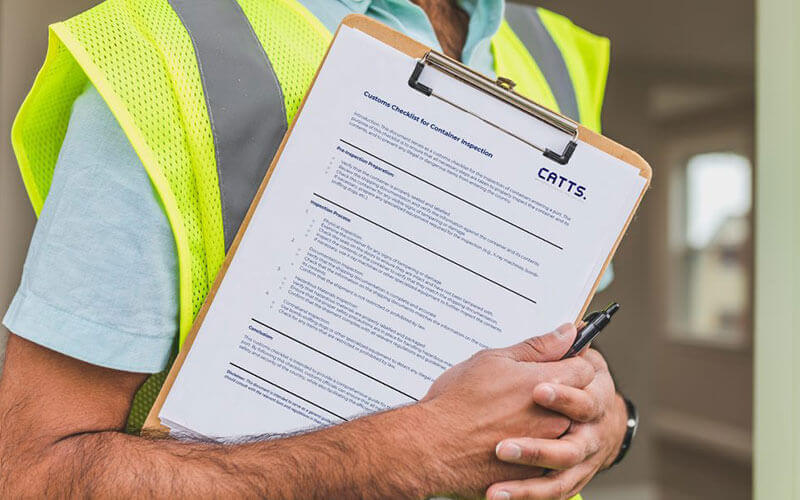
Proper documentation is crucial in acceptance inspections for elevators. Although it may seem like paperwork, accurate records ensure accountability and transparency throughout the process. Additionally, documentation serves as a reference for future maintenance and regulatory compliance. For example, detailed reports help identify trends or recurring issues that may require further attention. Ultimately, maintaining comprehensive documentation facilitates smooth communication between stakeholders and enhances the overall efficiency of acceptance inspections for elevators.
Ensuring Accountability and Transparency
Ensuring accountability and transparency is paramount in acceptance inspections for elevators. Although it may involve meticulous record-keeping, this practice fosters trust among stakeholders. By documenting every step of the inspection process, stakeholders can track progress and address any discrepancies promptly. Moreover, transparency in inspections promotes confidence in the safety and reliability of elevator systems. For example, transparent reporting allows building owners to understand the condition of their elevators and take appropriate action if needed. Ultimately, accountability and transparency uphold the integrity of acceptance inspections for elevators.
importance of Detailed Inspection Reports
Detailed inspection reports are vital in acceptance inspections for elevators. Although they require thorough documentation, these reports provide invaluable insights. By documenting all findings, including any defects or issues, inspectors ensure comprehensive evaluations. Additionally, detailed reports facilitate communication between stakeholders, allowing for informed decisions regarding maintenance or repairs. For example, if an elevator requires upgrades, a detailed inspection report can guide the process. Ultimately, detailed inspection reports enhance the effectiveness and reliability of acceptance inspections for elevators.
Mitigating Liability and Legal Risks
Mitigating liability and legal risks is a critical aspect of acceptance inspections for elevators. Although these inspections aim to ensure compliance and safety, unforeseen issues may arise. However, by conducting thorough inspections and documenting the findings, liability can be minimized. For example, identifying potential safety hazards during inspections can prevent accidents and legal complications. Ultimately, adherence to inspection protocols and guidelines reduces the risk of liability for all parties involved.