Efficient workplace movement plays a key role in improving productivity across multi level environments where material transfer is required throughout the day. Proper planning of vertical transport systems helps reduce delays, streamline workflow, and support better coordination between departments. A well structured system also minimizes manual effort, improving safety standards within operational areas. In modern facilities, a Mini Goods Elevator plays an important role in supporting quick movement of goods between floors without interrupting daily operations. It enhances time management, reduces workload pressure, and improves internal logistics performance. Businesses benefit from smoother distribution processes that keep work cycles consistent. Overall efficiency increases as internal handling becomes more organized and controlled.
Material Distribution Points in Pakistan Adapted for Small Goods Lift Operations
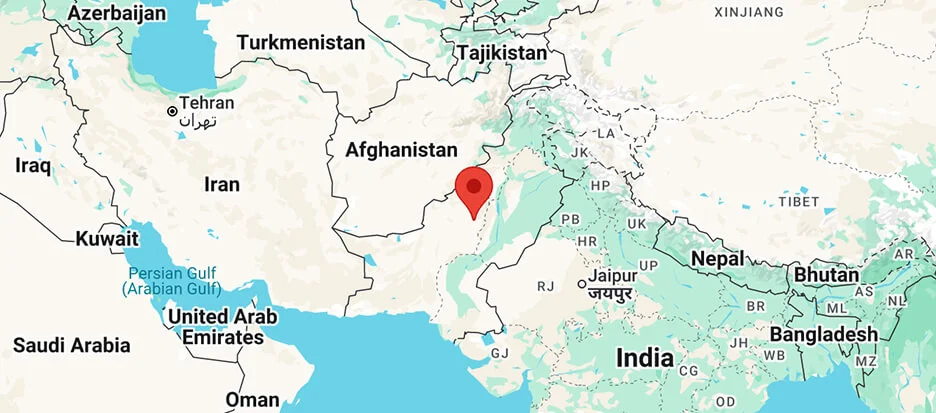
Material handling requirements in commercial and industrial buildings continue to grow, especially in multi floor environments where efficient distribution points are essential. Proper identification of key transfer locations ensures smoother workflow and reduces unnecessary delays in movement. Planning such areas helps improve internal coordination and operational speed across departments. Many modern facilities in Pakistan now integrate systems like Mini Goods Elevator to manage vertical distribution more effectively in confined spaces. This approach supports better resource flow between storage zones and working floors. It also improves safety by reducing manual lifting tasks. As a result, operational efficiency becomes more structured and reliable across different sectors.
Why a Mini Goods Elevator Supports Better Organization in Material Handling Processes
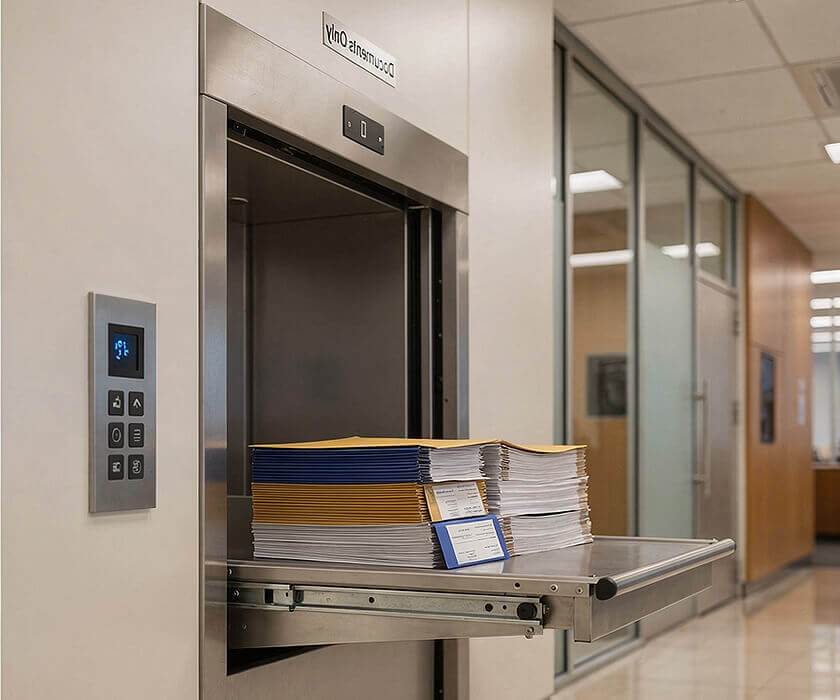
Organized material handling systems are essential for maintaining smooth workflow in workplaces where goods movement happens frequently across multiple levels. Proper coordination between storage areas and operational floors helps reduce confusion and improves task execution speed. Efficient planning also minimizes congestion in internal transport routes. A Mini Goods Elevator contributes significantly by enabling controlled movement of items between floors without disrupting workplace activity. It supports structured handling of supplies, improving order and reducing operational delays. Work environments become more systematic with improved load distribution. Overall organization improves as internal logistics become more predictable and efficient.
1- Faster Delivery of Workplace Supplies Through Modern Cargo Elevators
Fast supply movement is essential in busy work environments where timely delivery of materials directly impacts productivity levels. Delays in internal transportation can slow down entire operations and reduce workflow efficiency. Proper coordination of movement routes helps maintain consistent performance across departments. A Mini Goods Elevator supports quicker delivery cycles by reducing waiting time between floor transfers. It ensures smoother handling of workplace supplies without manual interruption. This improves operational speed and reduces workload pressure on staff. Overall delivery performance becomes more efficient and reliable.
2- Reduced Manual Carrying Requirements With Efficient Hydraulic Goods Lifts
Manual handling of materials often leads to delays, increased effort, and potential safety risks in multi floor workplaces. Reducing physical workload improves both efficiency and employee safety in daily operations. Proper lifting systems help maintain smooth flow of goods across different levels. A Mini Goods Elevator reduces dependency on manual carrying by automating vertical movement of materials. It improves workplace safety while supporting faster internal logistics. This also helps reduce fatigue among workers. As a result, operational processes become more controlled and efficient.
3- More Organized Floor Operations Using Reliable Dumbwaiter Lift Systems
Floor level coordination is important in environments where multiple departments operate simultaneously within the same building structure. Disorganized movement can create delays and disrupt workflow consistency. Efficient planning ensures smoother interaction between different operational zones. A Mini Goods Elevator improves floor organization by managing controlled movement of items between levels. It helps reduce congestion and improves task distribution across departments. Workflows become more structured and predictable. This leads to improved overall efficiency in daily operations.
Investment Overview for Goods Transport Systems in Workplace Productivity Zones
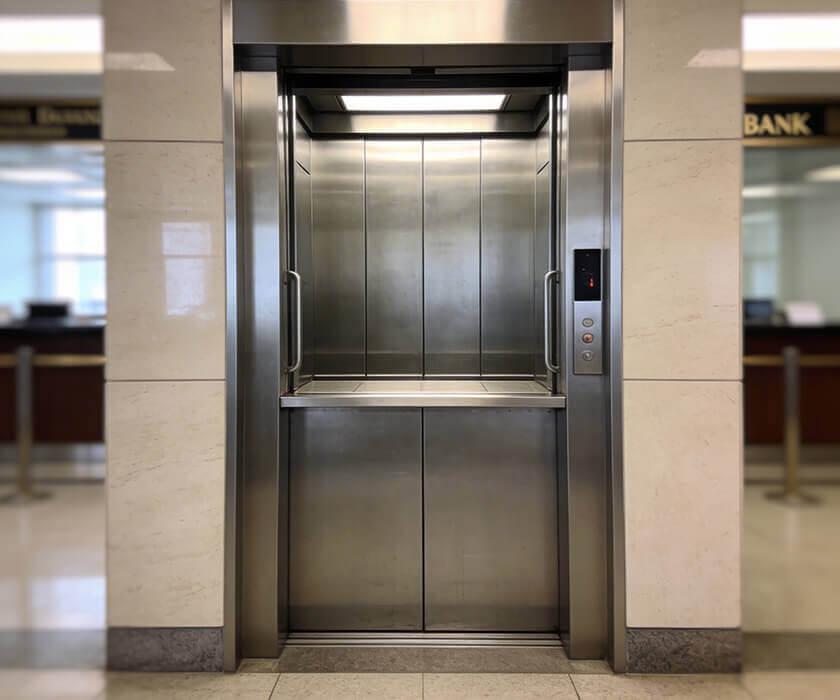
Investment planning for vertical transport systems requires careful evaluation of operational needs, building structure, and long term performance expectations. Proper budgeting ensures cost effective implementation while maintaining system reliability. Organizations must consider installation requirements and usage frequency before making decisions. A Mini Goods Elevator is often evaluated as part of such investment planning due to its efficiency in handling internal goods movement. It provides long term value by improving workflow and reducing manual transport costs. Financial planning becomes more structured when operational benefits are clearly understood. Overall investment decisions become more strategic and performance driven.
Price Structure for Mini Freight Lift in Inventory Transfer Sections
Cost planning for internal transport systems depends on several structural and operational factors within a facility. Accurate estimation helps organizations allocate resources effectively while ensuring smooth installation processes. Different configurations influence overall pricing and performance efficiency. A Mini Goods Elevator is commonly included in such evaluations due to its suitability for compact inventory transfer areas. It supports efficient movement of goods while maintaining cost control in operational planning. Budget decisions become more balanced with proper assessment. This ensures long term value in workplace logistics systems.
Rise Height: 18 m
Floor Levels: 6 Floors
Cost Estimate: PKR 1,850,000 – 2,600,000
Cost Analysis for Hydraulic Goods Elevator in Operational Movement Areas
Understanding cost variation in hydraulic systems requires detailed assessment of building design, load requirements, and usage frequency. Proper analysis ensures accurate budgeting and efficient system selection. It also helps avoid unnecessary expenses during installation and maintenance phases. A Mini Goods Elevator integrated with hydraulic systems provides reliable vertical movement for operational areas. It improves workflow efficiency while maintaining controlled expenditure levels. Financial planning becomes more predictable with structured evaluation. Overall cost management improves across project stages.
Travel Height: 22 m
Building Floors: 7 Floors
Budget Range: PKR 2,400,000 – 3,500,000
Budget Planning for Electric Cargo Lift in Internal Distribution Units
Budget planning for electric transport systems involves evaluating technical specifications, installation conditions, and operational demands. Careful assessment helps ensure cost efficiency and long term performance stability. It also supports better decision making for infrastructure development. A Mini Goods Elevator used in electric configurations enhances internal distribution efficiency across multiple floors. It reduces operational delays and supports smooth workflow execution. Financial allocation becomes more organized and effective. This improves overall project planning outcomes.
Lift Span: 25 m
Story Count: 8 Floors
Estimated Value: PKR 2,900,000 – 4,200,000
| Lift Category | Weight/Size | Category | Condition | Make | Basic Price (G+1) |
|---|---|---|---|---|---|
| Dumbwaiter Elevator Electric | 200–300 kg | Semi Imported | new | Turkey/China | 2,500,000 PKR |
Vertical Transport Synchronization Systems Enhancing Workplace Material Flow Precision
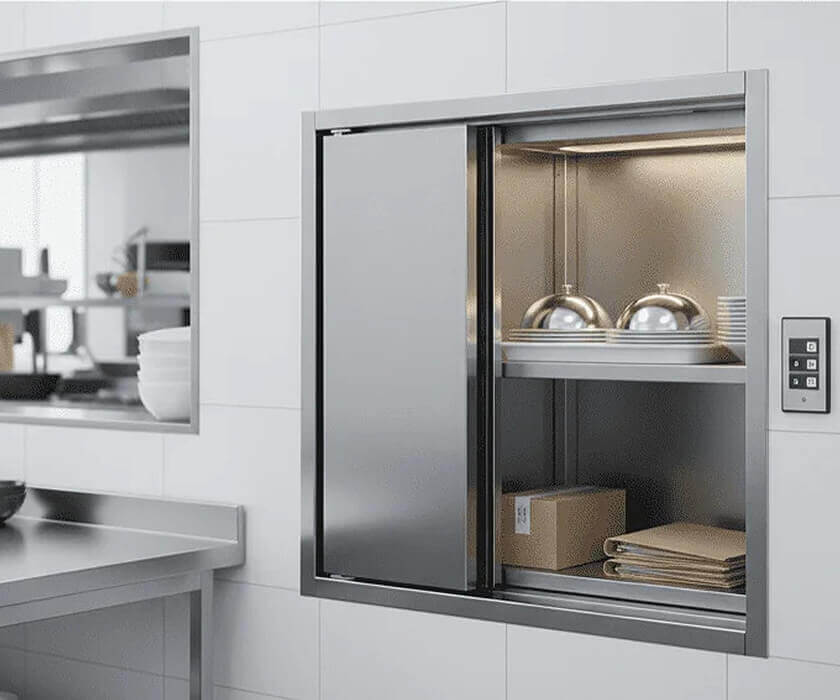
Synchronization of vertical transport systems is essential for maintaining consistent workflow in busy workplace environments. Proper coordination ensures smooth movement of materials across multiple levels without interruptions. It also improves timing accuracy and operational reliability. A Mini Goods Elevator contributes to synchronized material flow by ensuring controlled and steady movement between floors. This enhances workplace efficiency and reduces operational disruptions. Systems become more stable and predictable in performance. Overall material handling accuracy improves significantly.
1- Hall Call Buffer System in Mini Goods Elevator Improving Delivery Response Time
Efficient response mechanisms are essential in workplaces where quick material movement is required between floors. Delays in call processing can impact workflow speed and productivity. Proper system design helps improve operational responsiveness. A Mini Goods Elevator equipped with call buffering improves response time for internal transport requests. It ensures smoother handling of delivery sequences. This enhances overall workflow coordination. Workplace efficiency becomes more consistent and reliable.
2- Door Obstruction Rebound Sensor Enhancing Safety Feedback in Freight Lift Entry
Safety mechanisms play a critical role in preventing operational hazards during lift usage in busy environments. Proper detection systems help avoid accidents and ensure smooth entry and exit operations. This improves overall workplace safety standards. A Mini Goods Elevator with advanced obstruction sensors enhances safety feedback during operation. It ensures controlled door movement and reduces risk of incidents. Safety performance becomes more dependable. Operational confidence increases significantly.
3- Rope Equalization System Maintaining Smooth Travel in Industrial Lift Operation
Stable vertical movement is essential for maintaining efficiency and reducing operational disruptions in workplace transport systems. Proper balancing mechanisms ensure consistent performance during repeated usage cycles. This improves system reliability over time. A Mini Goods Elevator with rope equalization technology ensures smooth and balanced travel between floors. It reduces vibration and enhances operational stability. System durability improves significantly. Overall transport performance becomes more efficient.
Verifyne Lift Consultancy Planning Approach for Internal Goods Movement and Lift Systems
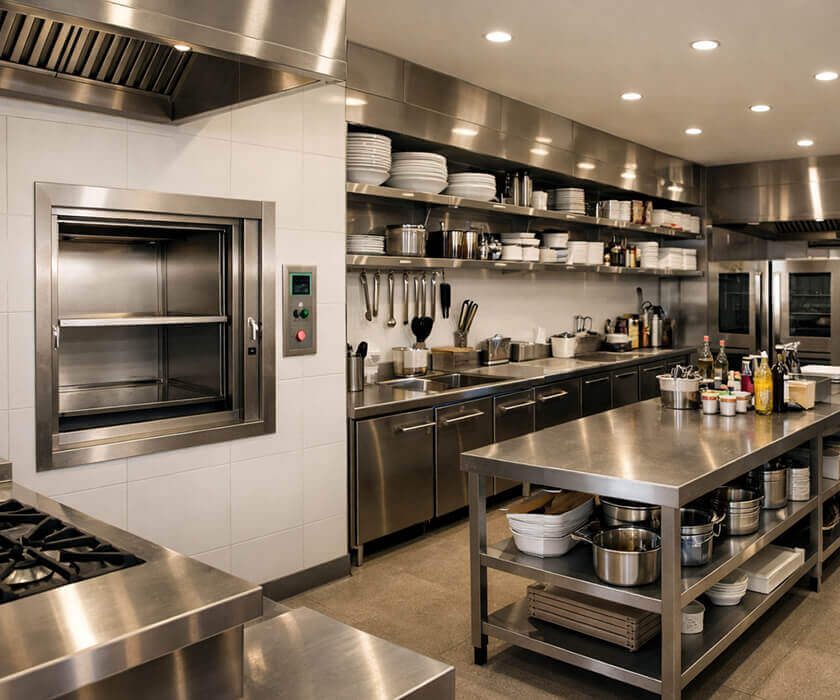
Strategic planning plays a vital role in ensuring successful implementation of vertical transport systems within workplace environments. Proper guidance helps align technical requirements with operational needs for better performance outcomes. It also improves long term system reliability. Verifyne Lift Consultancy supports structured planning for solutions like Mini Goods Elevator to enhance internal goods movement efficiency. This ensures better system selection and optimized installation planning. Project execution becomes more organized and effective. Overall operational performance improves through better planning support.
1- Layout Structuring Approach in Cargo Lift Enhancing Internal Movement Efficiency
Proper layout design is essential for ensuring smooth flow of materials within multi floor workplace environments. Well planned positioning reduces congestion and improves operational speed. It also enhances coordination between different functional areas. A Mini Goods Elevator benefits from optimized layout structuring by improving internal movement efficiency. This ensures smoother transport between designated zones. Workflow becomes more balanced and controlled. Overall system performance improves significantly.
2- Flow Regulation Mechanism in Mini Goods Elevator Supporting Task Coordination
Controlled material flow is important for maintaining consistency in workplace operations where multiple tasks occur simultaneously. Poor regulation can lead to delays and reduced productivity. Proper system control ensures better task coordination. A Mini Goods Elevator with flow regulation mechanisms improves synchronization of internal transport activities. It helps maintain steady workflow across departments. Operational efficiency becomes more stable. This improves overall productivity levels.
3- Stability Monitoring Framework in Elevator Maintaining Consistent Operation
System stability is a key factor in ensuring long term reliability of vertical transport solutions in workplaces. Continuous monitoring helps detect irregularities and maintain smooth performance. It also reduces downtime risks in daily operations. A Mini Goods Elevator supported by stability monitoring systems ensures consistent operational behavior. It enhances reliability during repeated usage cycles. System performance becomes more predictable. Overall workplace efficiency improves through stable operation.