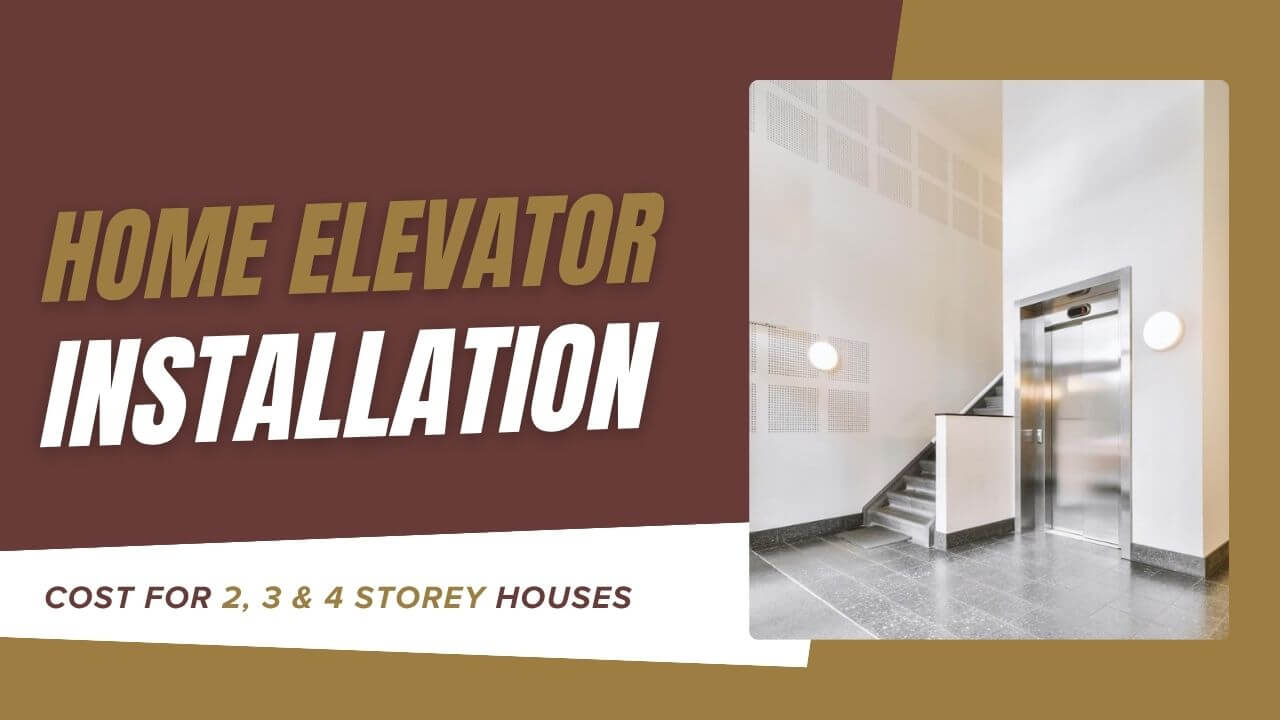
Home elevator installation planning for 2, 3 & 4 storey houses relies on structural and functional variables that shape final pricing outcomes. Building height, shaft availability, and cabin configuration strongly determine system selection in residential projects. Different lift technologies also shape overall budget formation across houses. During early design stages, engineers evaluate integration requirements to ensure smooth execution. In many cases, homeowners notice variation in Home Elevator Installation Cost when customization level increases or construction readiness changes. Load requirements along with travel distance directly influence total investment calculations. Proper technical assessment aligns expectations with realistic installation scope. This approach supports balanced decision-making for long-term residential mobility planning.
Private Housing Sections in Urban Areas Suitable for Multi Floor Lift Budget Planning

Urban residential zones in Pakistan include varied housing layouts that support different levels of lift installation feasibility. Duplex units, narrow plots, and vertical family homes receive evaluation for elevator integration by planners and designers. Structural teams allocate space carefully for shaft development and machine placement. Cost estimation depends on accessibility, building design, and available installation area. Clear mapping of housing sections strengthens financial planning before system selection begins. In such environments, architectural constraints and floor alignment shape Home Elevator Installation Cost significantly. Proper zoning analysis reduces redesign efforts during construction phases. This approach enables smoother budgeting for residential lift projects in dense living areas.
Why Home Elevator Installation Cost for Residential Buildings Depends on Several Factors
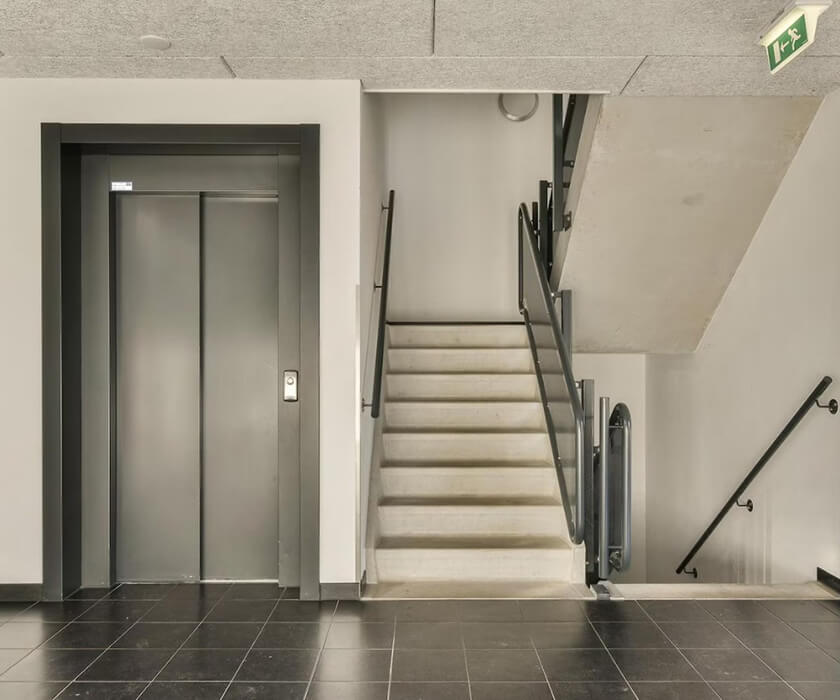
Residential elevator pricing depends on a combination of technical, structural, and usage-based conditions. Each building presents unique requirements that shape system selection and installation complexity. Travel height, cabin size, and drive mechanism directly influence overall cost structure. Material selection along with shaft preparation also adds variation to the final budget. Safety components and control systems further impact pricing differences across projects. In many cases, customization needs along with structural readiness influence Home Elevator Installation Cost. Installation environment along with design flexibility creates additional cost variation. This makes each residential project unique in terms of investment planning.
1- Better Reach to Upper Living Spaces via Hydraulic Passenger Elevators
Hydraulic passenger elevators enhance accessibility by improving vertical movement across multiple floors in residential buildings. These systems are widely used where smooth floor-to-floor transition is required within limited structural space. Their operation relies on hydraulic pressure systems that support steady cabin movement. This technology is suitable for homes requiring moderate travel height with reliable performance. It also supports comfortable movement for residents across upper living areas. Maintenance requirements remain relatively manageable in long-term usage scenarios. Installation feasibility depends on shaft availability and machine placement area. This makes hydraulic systems a practical choice for multi-storey living.
2- Reduced Physical Effort During Floor Travel Using Gearless Home Lifts
Gearless home lift systems are designed to reduce physical strain by offering smooth vertical transportation across residential floors. These systems use advanced motor technology that eliminates the need for traditional gearbox mechanisms. This results in quieter operation and improved energy efficiency during daily usage. They are suitable for homes requiring frequent movement between multiple levels. Cabin motion remains stable, improving user experience across different age groups. Structural requirements are typically more flexible compared to conventional systems. Maintenance intervals are also optimized due to reduced mechanical friction. This makes gearless systems a preferred option for modern residential buildings.
3- Greater Scope for Building Layouts With Machine Room Less Elevators
Machine room less elevators provide enhanced architectural flexibility by removing the need for separate machine spaces. This allows better utilization of available building area in compact residential designs. Installation can be adapted within existing shaft structures without extensive modifications. These systems support efficient space planning in modern multi-storey homes. They also reduce structural constraints during architectural design stages. Safety systems remain integrated within the shaft for efficient operation control. Energy consumption is optimized through compact system engineering. This makes MRL elevators suitable for space-conscious residential projects.
Cost Breakdown Analysis for Residential Home Elevator Setup in Multi Level Houses
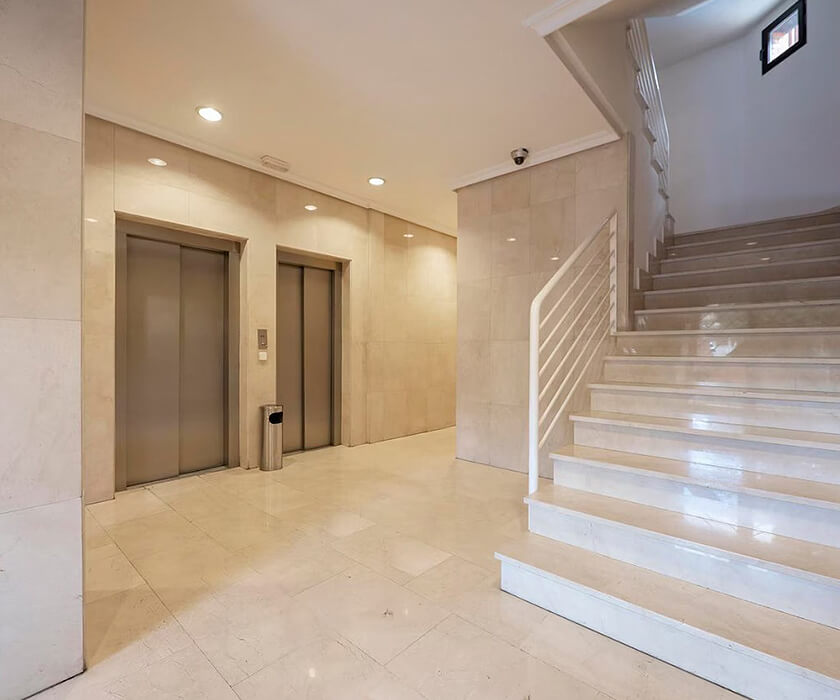
Residential elevator costs vary based on system type, structural preparation, and installation complexity. Each configuration requires engineering adjustments depending on building height and usage requirements. Material selection, cabin design, and drive system influence final pricing structure. Installation conditions also affect labor effort and execution timelines. Proper breakdown analysis helps identify cost distribution across components. In many residential cases, Home Elevator Installation Cost reflects combined technical and architectural factors. Early system specification improves budget accuracy. This supports stronger financial planning for multi-level housing projects.
Estimated Expense Range for Passenger Lift in Compact Housing Designs
Compact passenger lift systems are commonly used in smaller residential buildings where space optimization is essential. These systems are designed to support limited cabin dimensions with efficient vertical travel. Installation requirements are relatively simpler compared to high-capacity systems. Structural modifications depend on shaft availability and floor alignment. Cost variation depends on load capacity and finishing preferences. Electrical setup also plays a role in total expenditure estimation. These lifts are suitable for low to mid-rise residential units. Overall pricing remains within moderate investment range depending on specifications.
Cabin Capacity: 2–4 Persons
Travel Height: 8–12 m
Estimated Price: PKR 700,000
Budget Planning Outline for Hydraulic Elevator in Family House Projects
Hydraulic elevator systems in residential projects are planned based on structural feasibility and vertical travel needs. These systems are suitable for medium-rise houses requiring stable floor connectivity. Installation involves hydraulic machinery placement with controlled movement systems. Space allocation for equipment plays a role in cost planning. Maintenance considerations also influence long-term budgeting decisions. System configuration is adjusted according to building height and usage frequency. Energy consumption patterns remain moderate under standard residential use. These factors collectively shape financial planning structure.
Cabin Capacity: 3–5 Persons
Travel Height: 10–15 m
Estimated Price: PKR 1,350,000
Total Setup Cost for Gearless Lift System in High Rise Home Structures
Gearless lift systems are preferred in higher residential structures due to their efficiency and smooth operation characteristics. These systems eliminate traditional gear mechanisms for improved performance stability. Installation requires precise engineering alignment within building shafts. Space utilization remains optimized due to compact motor design. These systems support higher travel distances with consistent motion quality. Maintenance cycles are generally reduced due to advanced drive technology. Electrical efficiency contributes to long-term operational savings. Overall cost reflects advanced system configuration and structural integration needs.
Cabin Capacity: 4–6 Persons
Travel Height: 12–20 m
Estimated Price: PKR 2,500,000
| Product | Passengers / Weight / Size | Category | Condition | Make | Estimated Cost (PKR) |
|---|---|---|---|---|---|
| Imported FUJI lift 630kg | 6-8 persons | Fully Imported | New | China | 2,232,560 PKR |
| Panoramic passenger lift electric 630kg | 6-8 persons | Semi Imported | New | Turkey/China | 2,500,000 PKR |
| Home electric 200 kg (refurbished motor) | 2-3 persons | Semi Imported | Refurbished | Any | 1,150,000 PKR |
| Home electric 300 kg (new motor) | 4 persons | Semi Imported | New with Microprocessor VVVF | Turkey/China | 1,350,000 PKR |
| Home Hydraulic lift 250 kg | 2-4 persons | Semi Imported | New | Turkey/China | 700,000 PKR |
| Home Hydraulic lift 150 kg | 1 person | Semi Imported | New | Turkey/China | 650,000 PKR |
Domestic Lift Behavior Factors Affecting Integration Cost in Multi Storey Homes
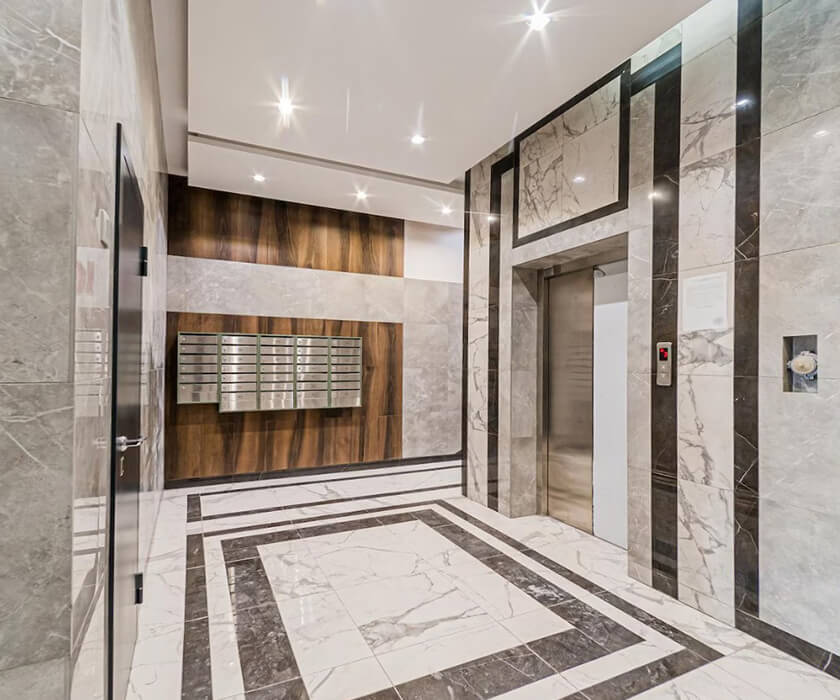
Domestic lift behavior systems play a key role in determining integration cost and operational performance in residential environments. Control logic, safety response, and load handling influence overall system efficiency. Each mechanism affects installation complexity and system configuration requirements. These behavioral factors also contribute to long-term maintenance planning. Proper system tuning ensures stable operation across multiple floors. In many installations, Home Elevator Installation Cost is influenced by these functional behaviors. Engineering calibration further impacts pricing structure. This makes system behavior a key component of residential lift planning.
1- Floor Skipping Behavior When Multiple Calls Are Registered in Passenger Lift Usage
Floor skipping behavior occurs when multiple commands are processed within passenger lift operations in residential buildings. The system prioritizes movement efficiency based on call registration sequence. This reduces unnecessary stops during vertical travel cycles. Control programming plays a key role in managing response timing. Proper configuration improves overall travel efficiency in multi-floor usage. It also impacts energy usage and operational flow consistency. This behavior contributes to optimized lift performance in residential environments. System design determines how effectively call logic is executed.
2- Door Re-open Reaction When Object Detection Activates in Residential Elevator System
Door re-open response is activated when sensors detect obstruction during elevator door closure. This safety function prevents accidental contact during entry or exit. Sensor accuracy plays a major role in system reliability. It ensures safe passenger movement within residential lift environments. Reaction timing is calibrated for smooth operational balance. This feature reduces risk during high-frequency usage scenarios. It also enhances user confidence in system safety. Proper sensor integration improves overall lift functionality.
3- Load Sensing Accuracy Affecting Home Elevator Installation Cost in High Rise Houses
Load sensing accuracy determines how effectively elevator systems manage passenger weight distribution. High precision sensors ensure balanced operation across different load conditions. This directly impacts system durability and performance stability. Inaccurate sensing can lead to operational inefficiencies or maintenance issues. Proper calibration improves safety and system longevity. It also contributes to smoother travel experience in residential use. Engineering quality of sensors influences overall system reliability. This factor also affects long-term installation investment decisions.
Verifyne Lift Consultancy Execution Strategy for Home Based Vertical Transport Systems
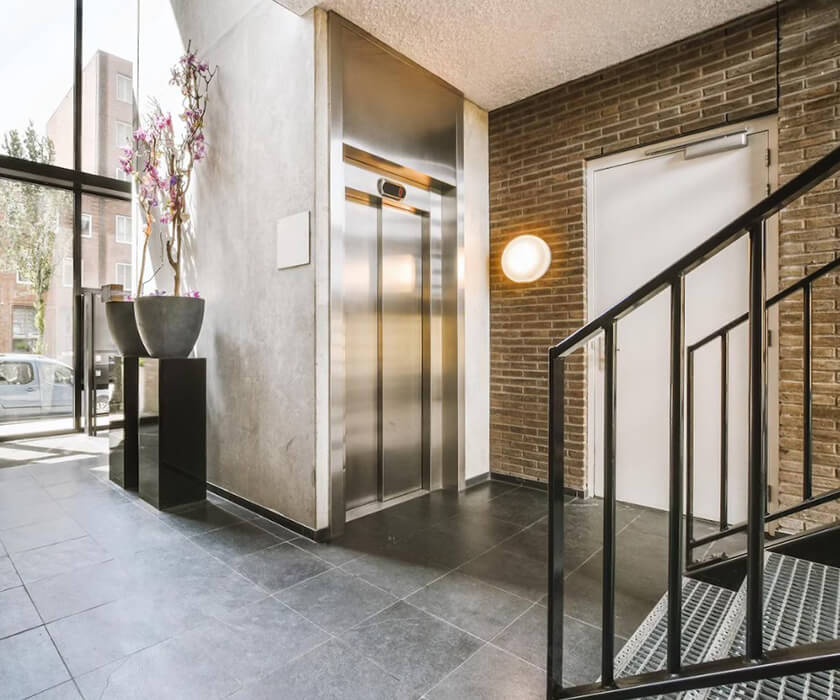
Residential vertical transport planning requires structured execution strategies that align design, installation, and operational requirements. Consultancy-driven approaches help streamline technical coordination during project development. These strategies ensure proper system selection based on building structure and usage patterns. Planning accuracy improves installation efficiency and reduces execution risks. Coordination between design and engineering teams plays a key role in project success. In many cases, Home Elevator Installation Cost is optimized through structured consultancy planning by Verifyne Lift Consultancy. This ensures better alignment between budget and system requirements. It also improves long-term operational performance.
1- Structural Fit Assessment for Elevator Placement in Home Layout Designs
Structural fit assessment evaluates how effectively elevator systems integrate within residential architectural layouts. This includes shaft positioning, load-bearing analysis, and spatial alignment. Proper assessment reduces redesign requirements during construction phases. It also ensures smoother installation workflows. Engineering feasibility is checked before system selection. This step helps avoid structural conflicts in later stages. It improves overall project planning accuracy. Layout compatibility remains a key focus during evaluation.
2- Movement Continuity Planning for Lift Operation in Residential Living Spaces
Movement continuity planning ensures consistent elevator operation across multiple floors in residential environments. It focuses on optimizing travel flow and reducing operational interruptions. System response timing is adjusted for smoother usage patterns. Proper planning improves user experience during daily operation. It also enhances system reliability under repeated usage conditions. Coordination between control systems and mechanical components is essential. This ensures stable vertical transport performance. Planning accuracy directly influences operational efficiency.
3- Investment Review for Home Elevator Installation Cost in 2 to 4 Storey Houses
Investment review focuses on evaluating total financial requirements for residential elevator installation projects. It includes system selection, structural preparation, and operational cost considerations. Accurate review helps in aligning budget expectations with technical requirements. Different system types contribute to varying investment levels. This evaluation supports better decision-making for homeowners. Risk factors are also considered during financial planning stages. It ensures transparency in cost estimation process. Overall assessment improves project feasibility and budgeting accuracy.