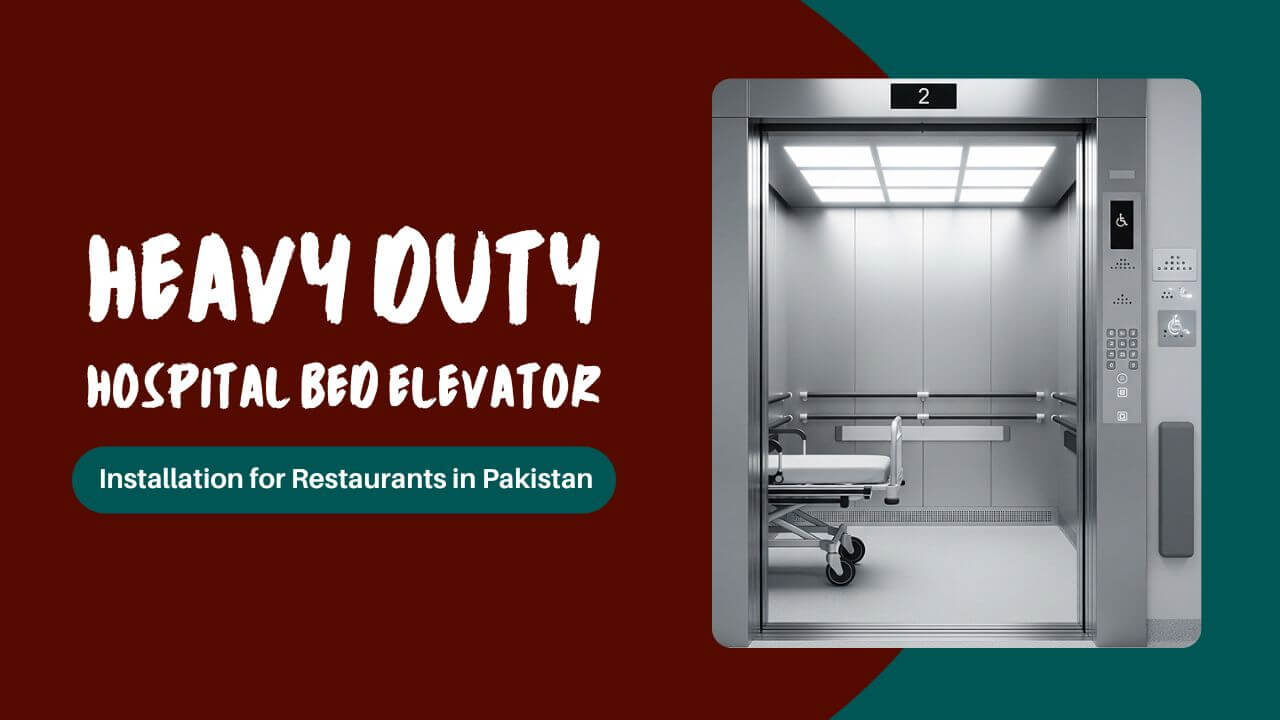
Heavy Duty Hospital Bed Elevator Installation Services in Lahore support hospitals, medical centers, and healthcare institutions requiring dependable vertical transportation for patients, medical staff, and specialized equipment. Every installation is planned according to building structure, travel requirements, and healthcare regulations to ensure reliable operation. Hospital Bed Elevator Installation is carefully integrated into the project to improve patient mobility, reduce transfer delays, and enhance operational efficiency. Professional engineering, quality components, and accurate installation practices contribute to long-term performance while supporting continuous healthcare services across multi-level medical facilities.
Patient Care Buildings in Lahore Requiring Heavy Duty Lift Systems

Patient care buildings in Lahore rely on dependable lift systems to support uninterrupted patient movement between departments and treatment areas. Hospitals, rehabilitation centers, diagnostic facilities, and specialized healthcare institutions require equipment designed for frequent daily operation. Hospital Bed Elevator Installation helps improve accessibility, supports efficient transportation of beds and stretchers, and minimizes operational delays. Proper planning ensures smooth integration with hospital infrastructure while maintaining consistent performance, safety, and long-term reliability for healthcare environments.
Why High-Capacity Healthcare Facilities Prefer Hospital Bed Elevator Installation
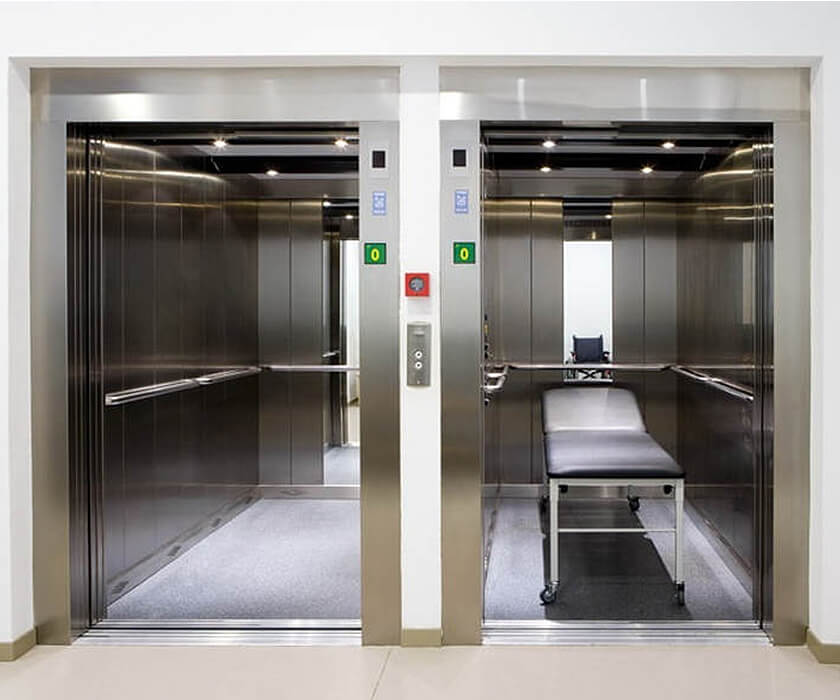
High-capacity healthcare facilities require dependable transportation systems capable of handling continuous patient movement throughout the day. Efficient elevator planning improves workflow, reduces waiting time, and supports medical staff during routine and emergency operations. Hospital Bed Elevator Installation provides reliable mobility for patient beds, stretchers, and essential medical equipment while maintaining smooth vertical transportation. Modern elevator systems also contribute to operational efficiency, patient comfort, and long-term infrastructure performance across busy healthcare environments.
1- Improved Emergency Response with Hydraulic Hospital Lift Systems
Hydraulic hospital lift systems provide dependable operation during emergency situations where patient movement must remain fast and controlled. Their stable lifting performance supports the transportation of hospital beds, stretchers, and medical equipment between critical departments. Hospital Bed Elevator Installation combined with hydraulic technology enhances response time while reducing unnecessary delays during urgent medical care. These systems also deliver reliable operation, smooth travel, and consistent performance for healthcare facilities managing high patient volumes.
2- Better Department Connectivity through Gearless Traction Elevators
Gearless traction elevators improve connectivity between hospital departments by providing fast and efficient vertical transportation throughout medical facilities. Their advanced drive systems reduce waiting time while supporting continuous patient and equipment movement during daily operations. Hospital Bed Elevator Installation integrated with gearless technology enhances workflow efficiency, improves accessibility, and supports uninterrupted transportation between emergency units, operating rooms, and inpatient wards. Reliable performance also contributes to long-term operational productivity.
3- Optimized Hospital Floor Planning Using Machine Room Less Lifts
Machine Room Less lifts support efficient hospital floor planning by eliminating the need for a separate machine room, allowing better use of available building space. Their compact design helps healthcare facilities maximize functional areas without compromising transportation performance. Hospital Bed Elevator Installation using MRL technology provides dependable patient mobility while supporting flexible architectural planning and future facility expansion. These systems also improve energy efficiency and simplify long-term maintenance requirements.
Financial Comparison of Heavy Duty Stretcher Elevator Across Medical Centers
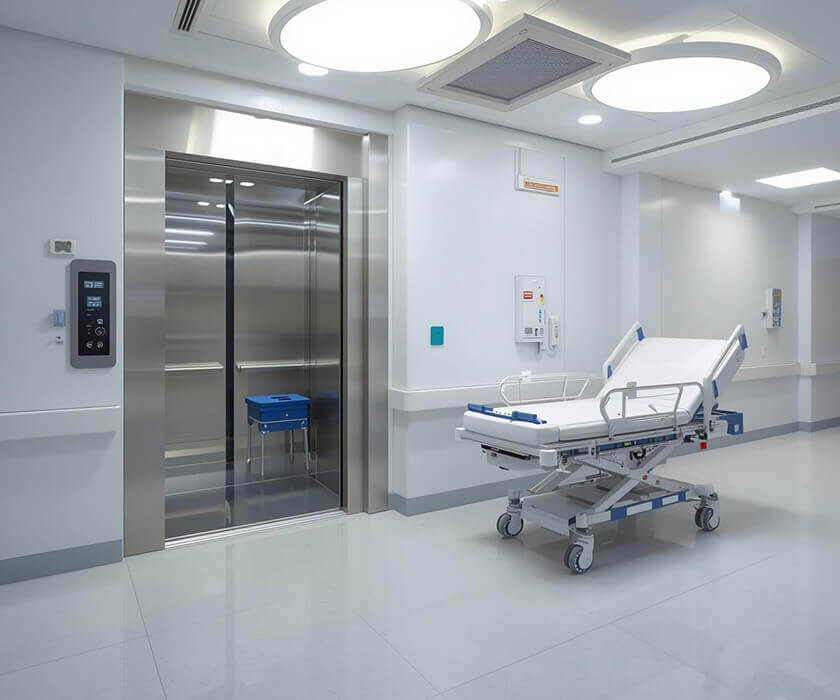
Medical centers require different stretcher elevator configurations depending on building height, passenger capacity, and daily transportation demands. Project costs vary according to technical specifications, travel distance, safety systems, and installation complexity. Hospital Bed Elevator Installation should always be evaluated through a comprehensive budget assessment to ensure suitable equipment selection and long-term operational value. Proper financial planning also supports efficient investment decisions for healthcare infrastructure development.
Cost Projection for Hydraulic Hospital Elevators in Critical Care Buildings
Hydraulic hospital elevators remain a practical choice for low-rise critical care buildings where stable performance and smooth patient transportation are essential. Installation costs depend on travel height, cabin dimensions, equipment quality, and project requirements. Careful budgeting supports efficient resource allocation while ensuring dependable healthcare operations and long-term system reliability.
Travel Height: 9–15 m
Cabin Size: 1600 × 2400 mm
Estimated Price: PKR 1,800,000–3,800,000
Price Assessment for Gearless Traction Elevators in Patient Transport Areas
Gearless traction elevators are commonly selected for multi-story patient transport areas because they provide faster travel speeds and energy-efficient operation. Pricing depends on lifting capacity, travel distance, control systems, and overall building specifications. Professional planning ensures accurate budgeting while supporting reliable transportation performance across busy healthcare environments.
Travel Height: 18–45 m
Cabin Size: 1600 × 2400 mm
Estimated Price: PKR 2,500,000–3,500,000
Installation Budget for Machine Room Less Elevators in Medical Complexes
Machine Room Less elevators offer space-saving advantages while delivering dependable transportation throughout modern medical complexes. Installation budgets vary according to travel height, structural requirements, cabin configuration, and safety equipment. Proper financial planning helps healthcare organizations achieve efficient project implementation while maintaining long-term operational performance.
Travel Height: 15–36 m
Cabin Size: 1600 × 2400 mm
Estimated Price: PKR 4,500,000–6,000,000
| Elevator Category | Estimated Cost (PKR) |
|---|---|
| Hospital stretcher Lift 1000kg | 2,800,000 PKR |
Advanced Safety Technologies Supporting Reliable Patient Transport Elevator Operations
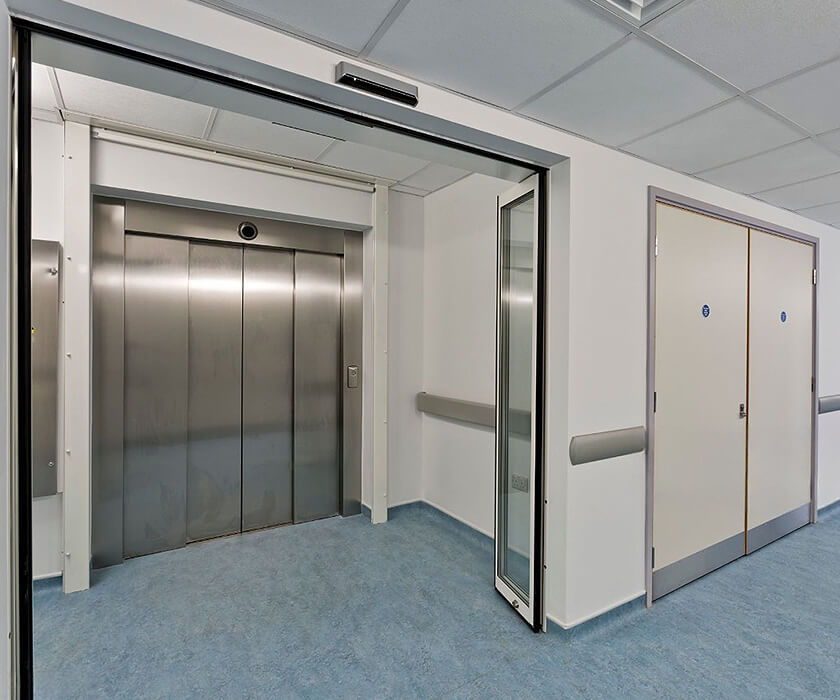
Modern patient transport elevators incorporate advanced safety technologies that improve operational reliability throughout healthcare facilities. Intelligent monitoring systems, emergency controls, and protective mechanisms help maintain uninterrupted transportation during routine and emergency conditions. Hospital Bed Elevator Installation supported by modern safety technologies enhances patient protection, minimizes operational risks, and ensures dependable performance across high-demand medical environments. These innovations also contribute to long-term system reliability and regulatory compliance.
1- Emergency Communication Module Strengthening Lift Safety During Patient Transfers
Emergency communication modules enable immediate contact with maintenance teams or hospital personnel whenever assistance is required during elevator operation. These systems improve passenger confidence while supporting rapid response in unexpected situations. Hospital Bed Elevator Installation combined with reliable communication technology enhances patient safety, operational continuity, and efficient coordination throughout busy healthcare facilities. Continuous monitoring also strengthens overall system reliability.
2- Hospital Bed Elevator Installation with Automatic Rescue Operation Technology
Automatic rescue operation technology safely moves the elevator to the nearest landing during electrical interruptions, allowing passengers to exit without unnecessary delays. This intelligent safety function minimizes operational disruption while improving emergency preparedness within healthcare facilities. Hospital Bed Elevator Installation equipped with automatic rescue operation technology enhances reliability, supports uninterrupted patient transportation, and strengthens overall elevator safety under critical operating conditions.
3- Fire Protection Controls Improving Elevator Reliability in Emergency Situations
Fire protection controls enable elevators to respond appropriately during emergency conditions by following predefined safety procedures and operational protocols. These intelligent systems reduce potential risks while supporting coordinated evacuation procedures where applicable. Hospital Bed Elevator Installation integrated with advanced fire protection controls improves operational reliability, strengthens passenger safety, and contributes to dependable healthcare infrastructure performance during emergency events.
Verifyne Lift Consultancy Planning Process for Modern Medical Elevator Projects
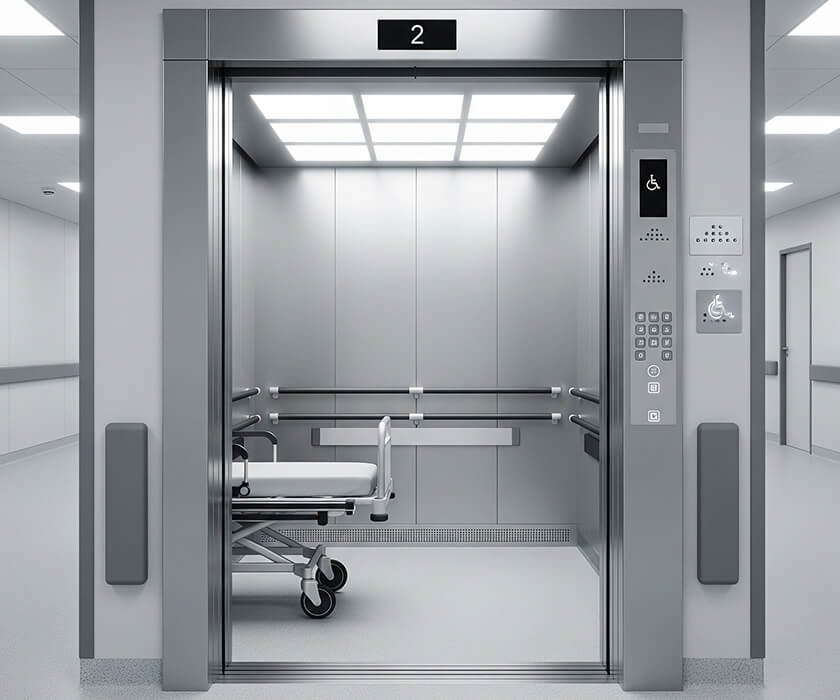
Modern medical elevator projects require structured planning through detailed engineering assessments, technical coordination, and installation supervision to achieve reliable performance. Every project is evaluated according to healthcare building requirements, transportation demands, and long-term operational objectives. Hospital Bed Elevator Installation is carefully planned with support from Verifyne Lift Consultancy to improve patient movement, system reliability, and future maintenance efficiency. Professional consultancy helps healthcare organizations achieve safe, practical, and cost-effective elevator implementation across modern medical facilities.
1- Technical Site Evaluation Before Hospital Bed Elevator Installation
Technical site evaluation identifies structural conditions, available installation space, electrical requirements, and transportation needs before project execution begins. This assessment supports accurate equipment selection while minimizing installation challenges throughout the construction process. Hospital Bed Elevator Installation becomes more efficient when supported by detailed engineering analysis, ensuring dependable operation, regulatory compliance, and long-term performance within healthcare facilities.
2- Deployment Workflow Planning Supporting Lift Project Completion
A structured installation workflow improves coordination between engineering teams, contractors, and healthcare management throughout every project stage. Careful scheduling reduces delays while ensuring equipment is installed according to technical specifications and quality standards. Hospital Bed Elevator Installation benefits from organized planning that supports timely project completion, efficient resource management, and reliable operational performance across medical facilities.
3- Proactive Long-Term Service Guidance for Reliable Elevator Performance
Long-term service guidance helps healthcare organizations maintain consistent elevator performance through preventive maintenance planning, technical inspections, and operational monitoring. Regular servicing reduces unexpected downtime while extending equipment lifespan and improving reliability. Hospital Bed Elevator Installation supported by proactive maintenance strategies ensures dependable patient transportation, lower operating costs, and continuous performance throughout the lifecycle of the elevator system.