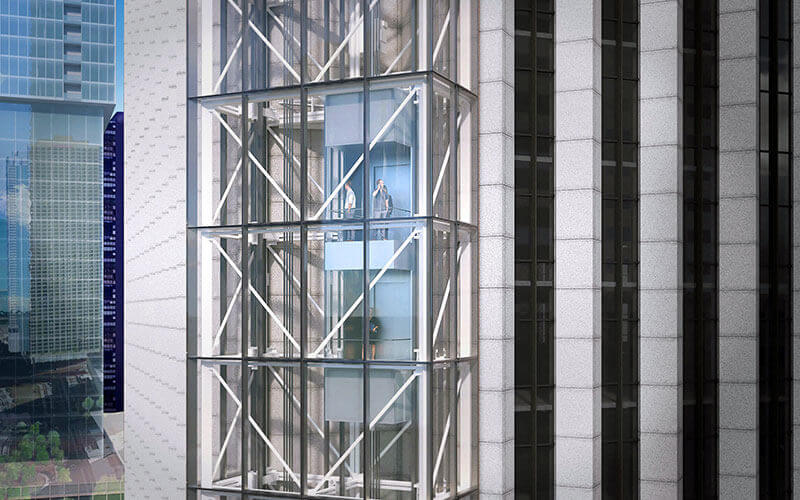
Elevate the architectural appeal and functionality of your buildings with elevator design and development services tailored for iconic structures. Elevators are not just functional necessities but also key architectural elements. They can enhance the aesthetics and overall experience of a building. These services focus on creating innovative and customized solutions tailored to the specific needs of iconic structures.
However, designing elevators for iconic structures comes with unique challenges. These buildings often have complex architectural designs and strict safety requirements. Elevator design and development services address these challenges by combining creativity with technical expertise. They ensure that the elevators not only complement the building’s design but also meet safety standards and regulatory requirements.
Ultimately, investing in elevator design development services is essential for creating iconic structures that stand out. These services not only enhance the visual appeal of buildings but also improve their functionality and efficiency. Elevators become more than just means of transportation—they become integral parts of the architectural masterpiece, reflecting the vision and innovation behind the design.
Elevator Design Trends: A Modern Approach
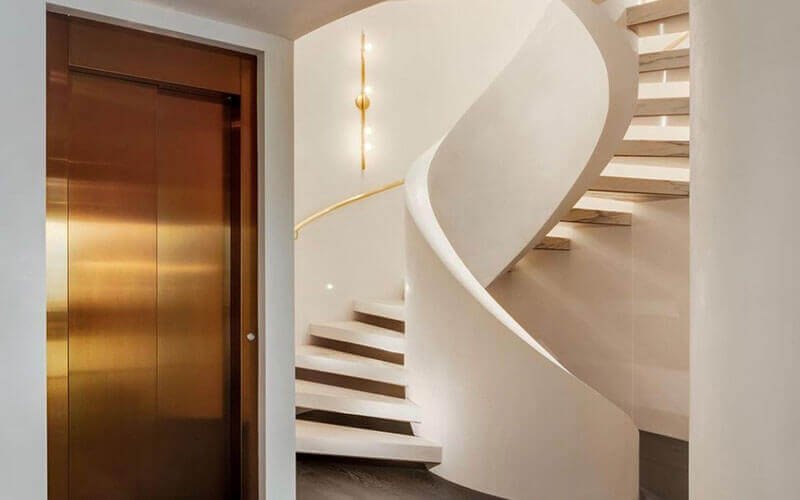
Elevator design trends have evolved, emphasizing sleek aesthetics and advanced technology. Lift Consultants play a crucial role in translating these trends into reality. Innovations like transparent cabins and touchless controls are becoming increasingly popular. However, integrating these features requires expertise and precision. Elevator design and development services ensure seamless implementation, blending modern trends with structural requirements. Ultimately, these services contribute to elevating the overall experience and functionality of modern buildings.
Smart Technology Integration
Smart technologies are revolutionizing elevator design, offering enhanced efficiency and user experience. Elevator Design Development Services are instrumental in integrating these innovations seamlessly into buildings. By incorporating features like IoT sensors and predictive maintenance systems, elevators can operate more intelligently. However, implementing smart technologies requires specialized expertise and meticulous planning. Elevator design and development services ensure that these technologies are integrated effectively, ultimately enhancing building functionality and sustainability.
Biophilic Design Elements
Biophilic design elements, such as natural light and greenery, are gaining popularity in elevator design. Elevator design incorporates these elements to create more inviting and nature-inspired spaces. However, integrating biophilic features requires careful consideration of structural and aesthetic factors. Elevator design development services ensure that these elements are seamlessly incorporated into the overall design. Ultimately, biophilic design enhances the passenger experience and promotes well-being in built environments.
Accessibility and Inclusive Design Features
Accessibility and inclusive design features are integral components of an elevator. These services aim to create elevators that cater to diverse user needs. However, implementing such features may require additional planning and resources. Elevator design and development services ensure that accessibility standards are met without compromising on aesthetics. Ultimately, incorporating inclusive design features enhances usability and ensures equal access for all passengers.
Elevator Design for Landmarks: Architectural Brilliance
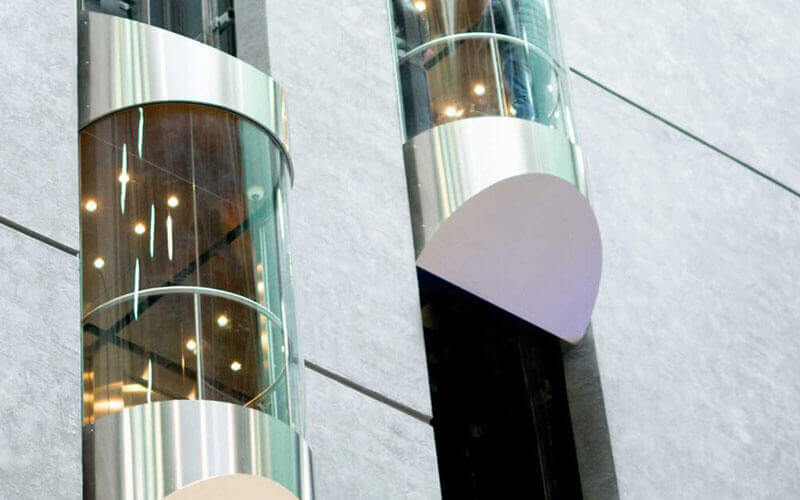
Elevator design plays a pivotal role in crafting architectural marvels for iconic landmarks worldwide. Elevators, although often overlooked, are vital components of these structures. Elevator design services ensure that these vertical transportation systems seamlessly blend with the architectural brilliance of landmarks. By leveraging innovative technologies and design concepts, these services enhance the overall visitor experience. Elevator design for landmarks requires meticulous attention to detail, and Elevator Design Development Services excels at delivering solutions that align with architectural visions.
They work closely with architects and engineers to integrate elevators seamlessly into the building’s design, ensuring both functionality and aesthetic appeal. Moreover, Elevator Design Development Services prioritize safety, accessibility, and sustainability in their designs. By incorporating advanced features and sustainable materials, they contribute to the long-term viability of landmark structures. Ultimately, these services are instrumental in shaping the skyline and enhancing the prestige of iconic landmarks worldwide.
Crafting Iconic Experiences for Vertical Transportation
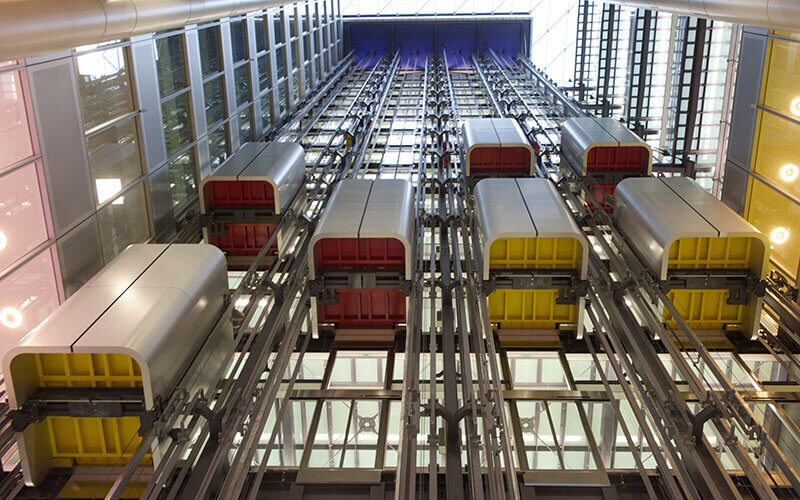
Crafting iconic experiences for vertical transportation involves more than just functional design—it’s about creating memorable journeys. Elevator design and development services play a crucial role in this process. By leveraging innovative technologies and architectural expertise, these services ensure that elevators not only move people efficiently but also elevate their overall experience. For example, integrating smart technologies can enhance convenience and safety, while biophilic design elements can bring nature into urban spaces, fostering a sense of tranquility and connection.
Additionally, attention to accessibility and inclusive design features ensures that everyone, regardless of ability, can access and navigate elevators comfortably. Elevator design for landmarks requires a blend of architectural brilliance and engineering precision to complement iconic structures seamlessly. Ultimately, elevator design development services contribute to crafting iconic experiences that leave a lasting impression on users, enhancing the overall appeal and functionality of vertical transportation systems.
Engineering Strategies on Elevator Designs
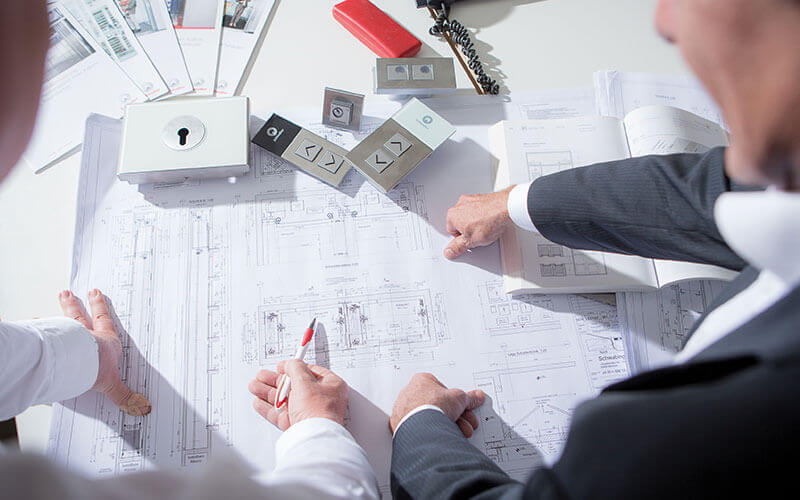
Engineering strategies play a pivotal role in elevator designs, ensuring optimal performance and safety. Elevator consultants employ cutting-edge technologies and innovative approaches to enhance efficiency. However, achieving the desired outcomes requires meticulous planning and collaboration between architects and engineers. Engineering strategies focus on maximizing space utilization while adhering to stringent safety standards. Elevator design and development services integrate advanced materials and technologies to create elevators that are not only functional but also aesthetically pleasing. Ultimately, these strategies contribute to elevating the overall user experience in vertical transportation systems.
Structural Integrity and Load Capacity
Structural integrity and load capacity are paramount considerations in elevator design and development services. Elevators must be able to withstand varying loads and maintain stability. However, achieving this requires rigorous testing and adherence to industry standards. Structural engineers utilize advanced simulation techniques to assess load-bearing capabilities and ensure safety. Ultimately, elevators must meet stringent structural requirements to guarantee the safety of passengers and comply with regulations. Similarly, load capacity calculations inform the design process, ensuring elevators can accommodate diverse passenger loads without compromising performance.
Safety Protocols and Emergency Features
Safety protocols and emergency features are integral components of elevator design and development services. However, ensuring passenger safety requires meticulous planning and implementation. Elevator designers incorporate safety mechanisms such as emergency brakes and fire-resistant materials. Similarly, advanced technology enables real-time monitoring for potential hazards and immediate response to emergencies. Ultimately, these safety measures mitigate risks and instill confidence in passengers. Additionally, regular maintenance and inspections are crucial to upholding safety standards and addressing any issues promptly.
Integration with Building Systems
Integration with building systems and automation technologies is a pivotal aspect of elevator design and development services. However, modern elevators are not standalone entities; they seamlessly interact with various building systems. Elevator designers leverage automation technologies to enhance efficiency and the user experience. For example, integrating elevators with smart building systems enables predictive maintenance and energy optimization. Ultimately, this integration streamlines operations and improves overall building performance, ensuring a harmonious synergy between elevators and their surrounding infrastructure.