Exploring elevator designs can provide valuable insights into the aesthetics and functionality of future installations. Although elevator concept designs primarily focus on visual representations, they also encompass crucial aspects such as space utilization and user experience. Therefore, reviewing various concept designs allows stakeholders to envision the final product and make informed decisions throughout the design process.
Additionally, elevator concept designs serve as a communication tool between designers, architects, and clients, facilitating discussions and clarifying expectations. For example, detailed concept designs can help identify potential challenges or areas for improvement early in the design phase. Therefore, investing time and resources in developing comprehensive elevator designs can ultimately streamline the project timeline and minimize costly revisions later on.
In summary, elevator designs play a pivotal role in the planning and execution of elevator projects. By providing a visual representation of the proposed design, they enable stakeholders to assess the feasibility and desirability of different options. Ultimately, leveraging elevator concept designs ensures that the final product aligns with both aesthetic preferences and functional requirements.
Exploring Innovative Elevator Concept Designs

Exploring innovative elevator concept designs opens up new possibilities for architects, designers, and building owners alike. Although these designs primarily focus on visual representations, they also encompass crucial aspects such as space utilization and user experience. Therefore, reviewing various concept designs allows Lift Consultants to envision the final product and make informed decisions throughout the design process. By embracing innovative approaches and incorporating cutting-edge technology, elevator designs can revolutionize the way we perceive and interact with vertical transportation systems in modern buildings.
Futuristic Concepts
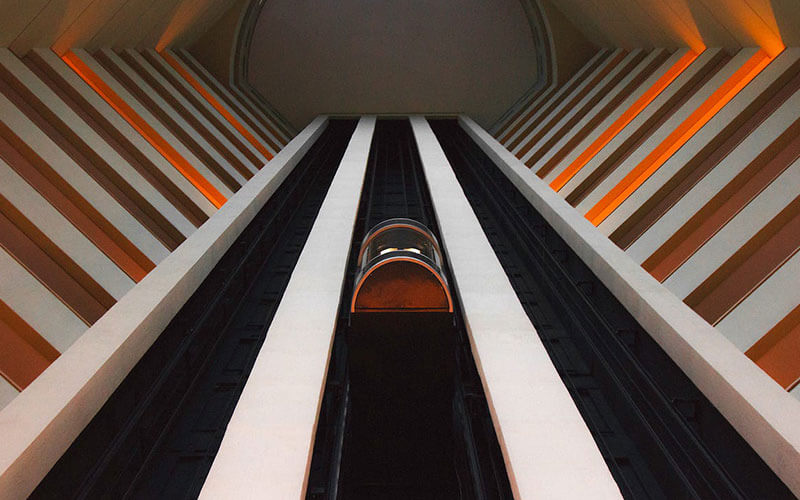
Exploring futuristic concepts in elevator design showcases the potential for groundbreaking advancements in vertical transportation. Although elevator concept designs may seem far-fetched at first glance, they serve as blueprints for the future of urban mobility. By pushing boundaries and embracing cutting-edge technologies, designers can create elevators that are not only efficient but also aesthetically captivating. Therefore, incorporating futuristic elements into these designs enables us to envision innovative solutions that enhance the overall functionality and appeal of buildings.
Creative Interior Designs
Creative interior designs play a crucial role in elevating the overall ambiance and user experience within a building. Elevator concept designs often incorporate innovative interior elements such as lighting, materials, and finishes to create visually stunning spaces. Although the primary function of elevators is vertical transportation, they also serve as opportunities for creative expression and design innovation. By infusing creativity into elevator interiors, designers can transform them into captivating and memorable spaces. Therefore, prioritizing creative interior designs in elevators enhances both functionality and aesthetics, elevating the overall quality of building environments.
Space-saving Solutions
Space-saving solutions are integral aspects of elevator concept designs, particularly in urban environments where real estate is limited. Elevator designs often incorporate innovative techniques to maximize usable space while minimizing footprint. For example, double-decker elevators and compact lift systems efficiently utilize vertical space, offering increased capacity without sacrificing floor area. By integrating space-saving solutions into elevator concept designs, architects and designers can optimize building layouts and enhance overall efficiency.
Implementing Elevator Designs in Commercial Properties
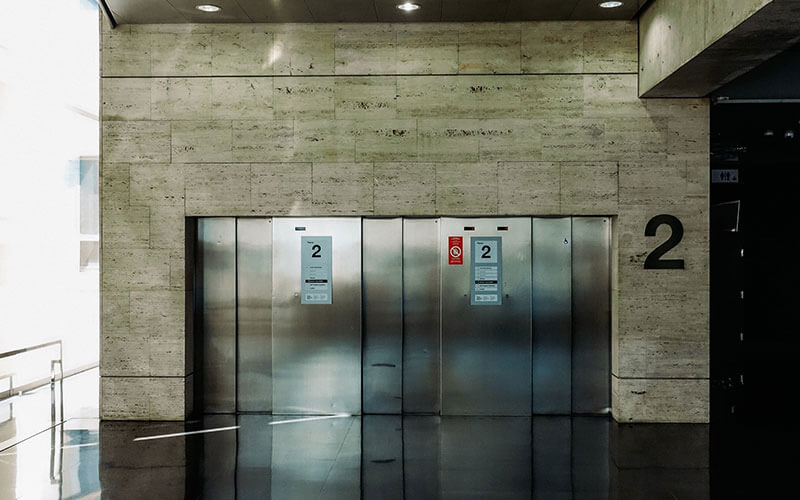
Implementing elevator designs in commercial properties requires careful consideration of various factors beyond just aesthetics. Elevator concept designs play a crucial role in enhancing the functionality and efficiency of a building’s vertical transportation system. For example, incorporating state-of-the-art technology and ergonomic features can improve passenger experience and optimize traffic flow. Therefore, it is essential to collaborate with experienced architects and designers to develop elevator concept designs that align with the specific needs and requirements of commercial properties.
Furthermore, the implementation of elevator concept designs can also contribute to the overall safety and security of commercial properties. Modern designs often integrate advanced safety features such as emergency communication systems, automatic door sensors, and backup power supply to ensure uninterrupted operation during emergencies. Additionally, strategic placement of surveillance cameras and access control systems can enhance security measures within elevator cabins and surrounding areas.
Elevator Design Trends and Inspirations
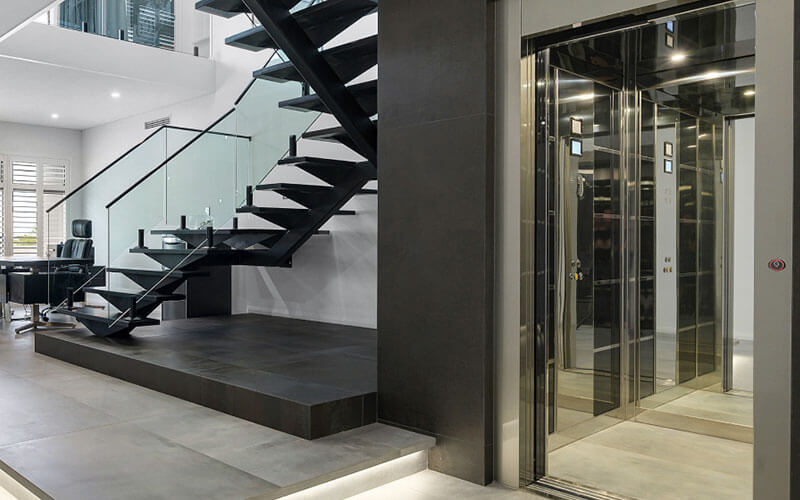
Architects and designers draw inspiration from various sources, including art, nature, and technology, to create innovative and aesthetically pleasing elevator concept designs. These trends encompass elements such as minimalist designs, eco-friendly features, and smart technology integration to enhance user experience and efficiency. For instance, elevators with transparent walls or scenic views provide a sense of openness and connection to the surrounding environment, while energy-efficient systems reduce environmental impact and operating costs. Keeping abreast of these trends can inspire property owners to incorporate cutting-edge elevator concept designs into their projects.
Additionally, lighting plays a crucial role in enhancing the ambiance and functionality of elevators. LED lighting, for example, not only consumes less energy but also allows for customizable color schemes and dynamic lighting effects. By staying informed about the latest elevator concept design trends and inspirations, property owners can create spaces that are both functional and visually striking, elevating the overall experience for occupants and visitors alike.
Elevator Design Guidelines for Modern Buildings
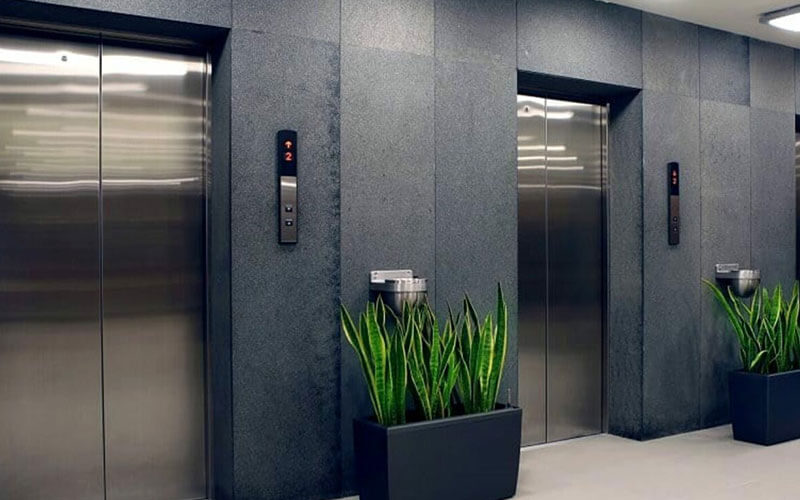
When planning elevator designs for modern buildings, it’s essential to consider various factors such as space utilization and aesthetics. Elevator designs encompass not only the physical dimensions and layout but also the interior decor and functionality. By incorporating sleek and efficient elevator systems, elevator consultants can optimize space while ensuring smooth vertical transportation. Elevator concept designs should prioritize user experience, ensuring comfort, accessibility, and safety for passengers. Additionally, integrating advanced technology and eco-friendly features can enhance the overall efficiency and sustainability of the elevator systems.
Aesthetics & Architectural Integration
When considering aesthetics and architectural integration in building design, Elevator Concept Designs play a crucial role. Elevator designs should harmonize with the overall architectural style and interior decor of the building. Aesthetically pleasing elevator interiors and exteriors contribute to the overall ambiance and enhance the visual appeal of the space. Elevator Concept Designs encompass elements such as lighting, materials, colors, and finishes, ensuring seamless integration into the building’s design scheme.
Technology Integration
Incorporating cutting-edge technology into elevator concept design enhances functionality, efficiency, and user experience. Elevators equipped with advanced features such as destination dispatch systems, touchless controls, and smart sensors optimize vertical transportation within buildings. Technology integration also enables real-time monitoring, predictive maintenance, and energy efficiency, ensuring smooth operation and cost savings.
Accessibility & Inclusivity
Creating elevator concept designs that prioritize accessibility and inclusivity is crucial for modern buildings. Elevators should be designed to accommodate individuals with disabilities, ensuring everyone can access different floors easily. Incorporating features such as spacious cabins, tactile buttons, audible announcements, and Braille signage enhances accessibility. Elevator concept designs should also consider the needs of diverse user groups, including elderly individuals and those with mobility challenges.