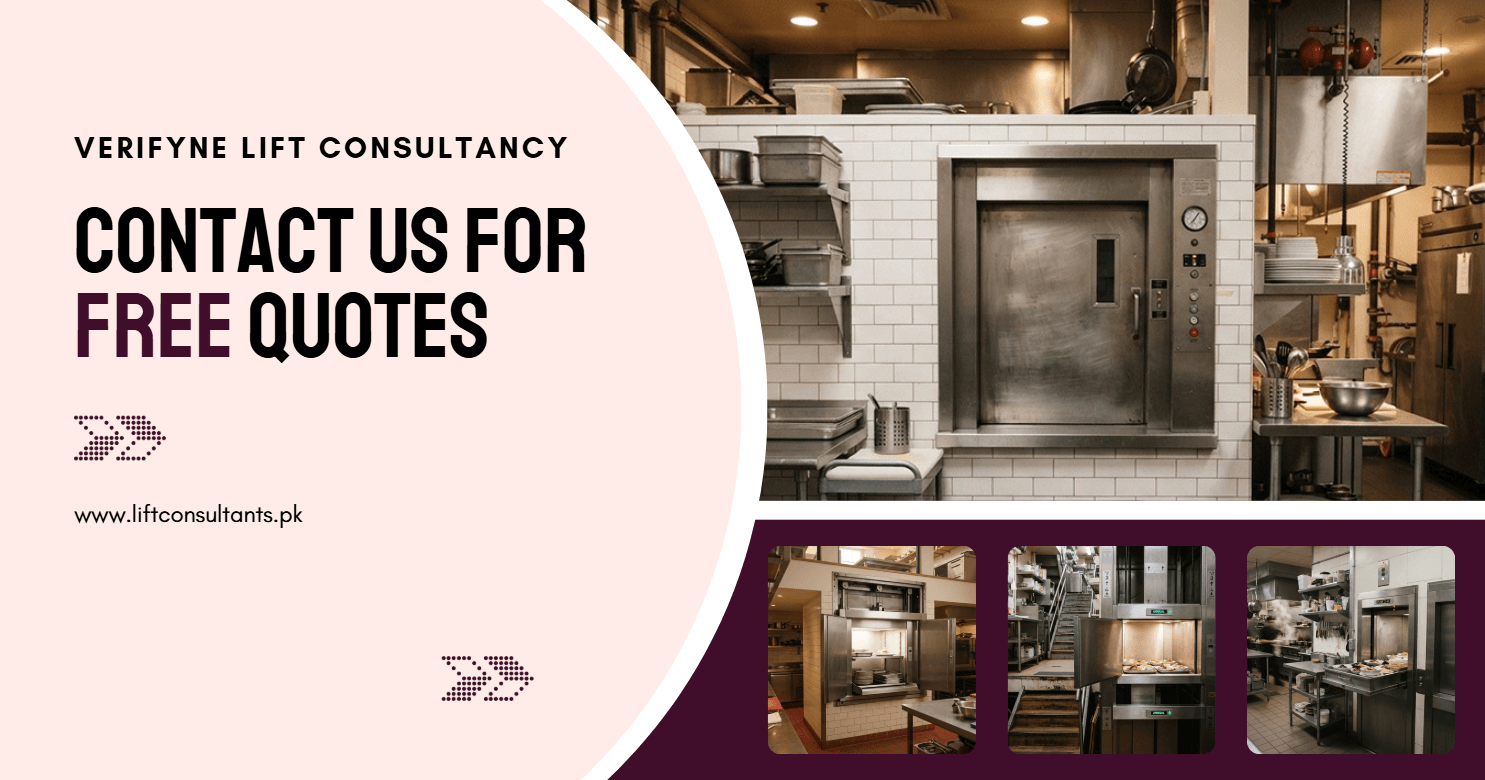
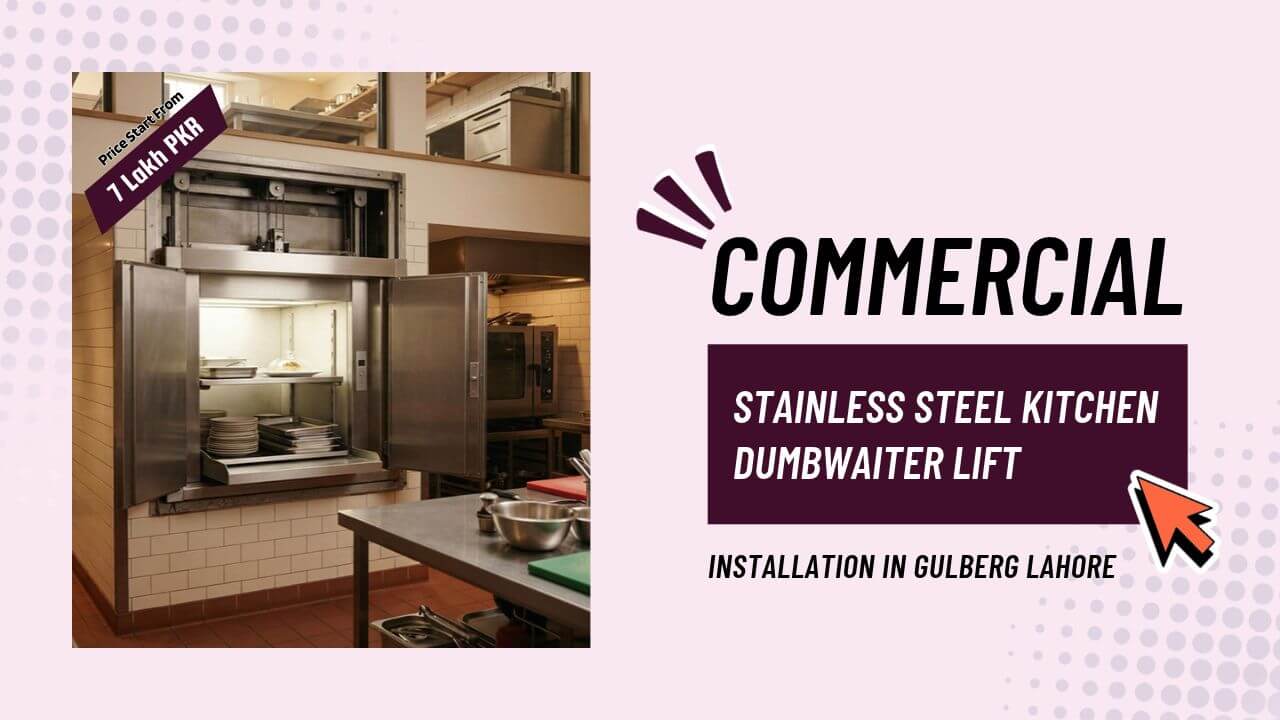
Busy food-service properties often need dependable vertical movement for meals, dishes, ingredients, and kitchen supplies. A dedicated food lift can reduce unnecessary staff movement between preparation and serving levels. Stainless steel construction also supports easier cleaning in areas where hygiene remains important. For multi-level premises, Kitchen Dumbwaiter Lift Installation can create a more organized connection between different service points. The system can be selected according to available shaft space, required travel height, and expected workload. Proper planning also helps coordinate structural openings, electrical requirements, door positions, and loading areas. As a result, a suitable setup can support smoother daily service while reducing manual carrying demands.
Restaurant Kitchen Areas in Gulberg Lahore for Commercial Food Service Elevator Setup
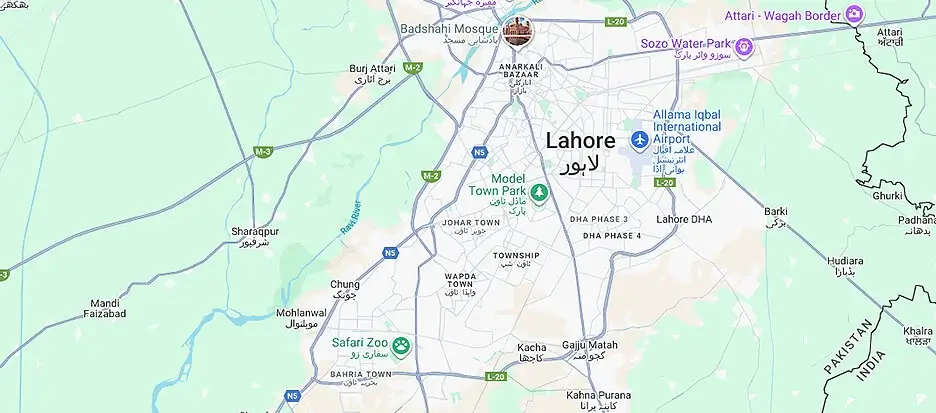
Different food-service properties may require vertical transport in several operational sections. Main kitchens, preparation rooms, serving counters, storage areas, and upper dining levels can all benefit from dedicated food movement access. A compact elevator arrangement can help staff transfer prepared dishes without relying heavily on stairways. Kitchen Dumbwaiter Lift Installation is particularly useful in Gulberg Lahore where multiple floors handle connected stages of food preparation or delivery. The available shaft position should allow convenient loading without obstructing normal kitchen activity. Door placement, travel distance, and carrying requirements should also match the building layout. Therefore, careful area selection can improve workflow while making vertical food handling more practical.
Why Kitchen Dumbwaiter Lift Installation Is Useful for High-Demand Restaurant Environments
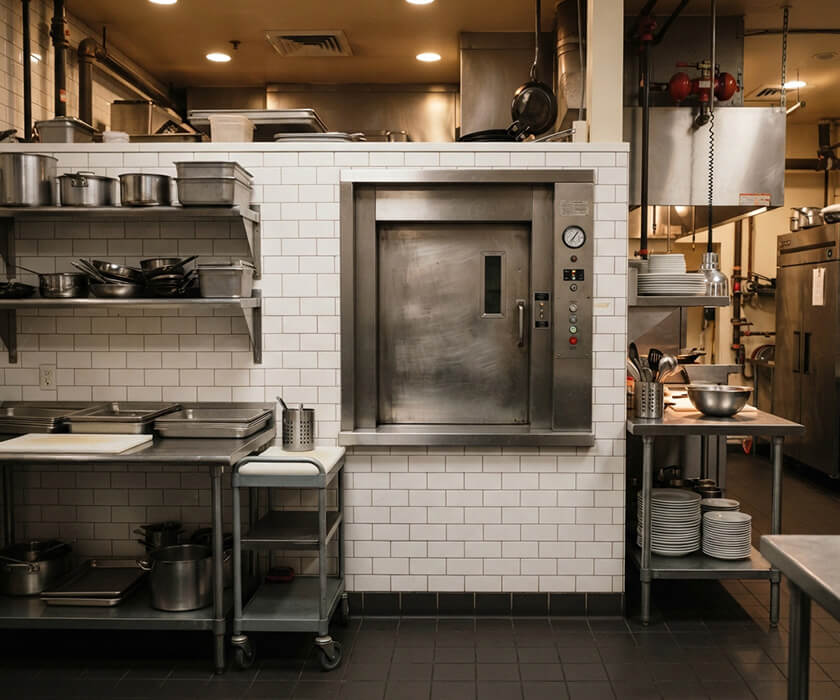
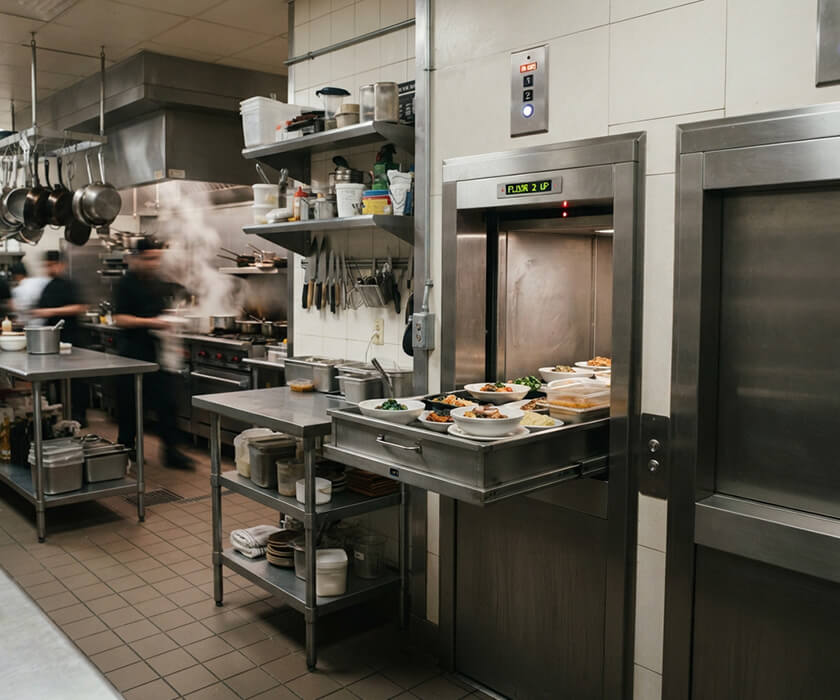
High-demand dining operations often require quick movement between preparation, serving, storage, and seating areas. Repeated stairway trips can consume staff time during busy service periods. A dedicated vertical transport system can help shorten these movements while keeping food handling more organized. Kitchen Dumbwaiter Lift Installation provides a practical way to move dishes, ingredients, trays, and selected supplies between designated levels. It can also support smoother coordination when several service areas operate simultaneously. Capacity, travel height, door arrangement, and control functions should match the expected workload. With suitable planning, the equipment can contribute to a more consistent food-service routine.
1- Faster Meal Transfer Across Floors with Stainless Steel Dumbwaiter Lifts
Multi-level food facilities often need a dependable way to move prepared meals between separate service areas. Stainless steel surfaces can provide a durable option for frequent handling while supporting straightforward cleaning routines. A dedicated dumbwaiter can reduce the number of trips staff make through stairways during active service periods. This arrangement can help dishes reach upper or lower areas with less interruption to kitchen duties. The system can also support organized movement between preparation counters, dining levels, and serving points. Proper load selection ensures the equipment handles typical trays or meal batches without unnecessary strain. Consequently, faster vertical delivery can help maintain a smoother pace during demanding operating hours.
2- Less Stairway Carrying During Busy Hours Using Electric Food Elevators
Frequent movement between floors can place additional demands on kitchen staff, particularly during peak serving periods. Electric food elevators can provide powered vertical travel for routine movement of meals, ingredients, and service items. Their controlled operation can reduce repeated manual carrying through stairways or corridors. This arrangement also allows staff to spend more time on preparation, plating, and customer service duties. Suitable capacity and travel specifications help the system handle expected loads without disrupting the workflow. Safety controls, door mechanisms, and level stopping accuracy should also receive attention during planning. Therefore, powered vertical transport can make busy food-service routines more manageable.
3- Consistent Table Supply with Manual Service Lifts for Multi-Level Kitchens
Some food-service properties require a straightforward lifting arrangement for regular movement between nearby levels. Manual service lifts can suit applications where usage patterns remain moderate or where simple operation is preferred. They can assist with moving dishes, trays, ingredients, and selected supplies without requiring repeated stairway handling. The equipment should match the available shaft dimensions, travel distance, and expected load requirements. Proper loading practices can also help maintain safe and orderly movement during daily service. Where multiple kitchen areas connect with different dining levels, a dedicated route can simplify internal distribution. In turn, this approach can support more consistent table replenishment across a multi-level layout.
Detailed Pricing Analysis for Restaurant Food Transfer Lift Systems Across Multiple Levels
Food transfer lift costs can vary according to capacity, travel height, construction specifications, controls, and installation conditions. A larger load requirement usually calls for stronger equipment and may affect the overall project budget. Travel distance can also influence shaft preparation, guide arrangements, and installation requirements. Kitchen Dumbwaiter Lift Installation pricing should therefore be assessed according to the actual building configuration rather than a single standard figure. Door style, control arrangement, safety equipment, and finishing choices can further change the final amount. Site preparation may also add costs where structural openings or electrical work are required. The figures below provide estimated planning ranges rather than fixed quotations.
Cost Estimate for Stainless Steel Dumbwaiter Lifts in Busy Kitchen Sections
Stainless steel dumbwaiter systems are commonly selected where regular food handling requires a durable, cleanable internal environment. Their pricing depends partly on the weight they need to carry between designated service levels. A compact arrangement may suit prepared dishes, trays, ingredients, and lightweight kitchen supplies. For planning purposes, a medium-duty configuration can provide useful capacity without requiring an oversized installation. Travel height also affects the equipment specification and supporting site work. Kitchen Dumbwaiter Lift Installation costs may increase when additional floors, customized dimensions, or specialized controls are required. The following figures can help establish an initial budget before receiving a site-specific quotation.
Load Capacity: 100 kg
Serving Height: 9 m
Estimated Price: PKR 1,850,000–2,450,000
Pricing Considerations for Electric Meal Elevators Connecting Service Areas
Electric meal elevators can provide powered movement between kitchen sections, serving counters, and other connected levels. Their overall cost depends on capacity, travel distance, drive arrangement, controls, door configuration, and site conditions. A medium-capacity unit can support routine movement of dishes, trays, ingredients, and prepared food items. Additional floors may require longer travel arrangements, which can influence equipment and installation expenses. Electrical preparation, shaft readiness, and landing requirements should also be considered when calculating the project budget. Selecting appropriate specifications can prevent unnecessary spending on equipment that exceeds actual operational needs. The following figures represent a practical estimated range for initial planning.
Load Capacity: 150 kg
Serving Height: 12 m
Estimated Price: PKR 2,300,000–3,100,000
Restaurant Rate Guide for Manual Food Service Lifts Across Multiple Levels
Manual food service lifts can provide a simpler option for properties with moderate vertical transfer requirements. Their cost may remain lower when the system uses straightforward controls, compact dimensions, and limited travel requirements. Such equipment can handle selected dishes, trays, ingredients, and service supplies between connected kitchen levels. The final budget still depends on structural conditions, shaft preparation, door arrangement, materials, and required safety components. Longer travel distances can increase installation complexity even when the lifting capacity remains modest. A site assessment can therefore provide a more accurate figure before procurement begins. The following range offers a general starting point for project budgeting.
Load Capacity: 75 kg
Serving Height: 7 m
Estimated Price: PKR 1,250,000–1,750,000
| Lift Category | Weight/Size | Category | Condition | Make | Basic Price (G+1) |
|---|---|---|---|---|---|
| Dumbwaiter Elevator Electric | 200–300 kg | Semi Imported | new | Turkey/China | 2,500,000 PKR |
High-Capacity Meal Transfer Equipment Designed for Busy Food Preparation Facilities
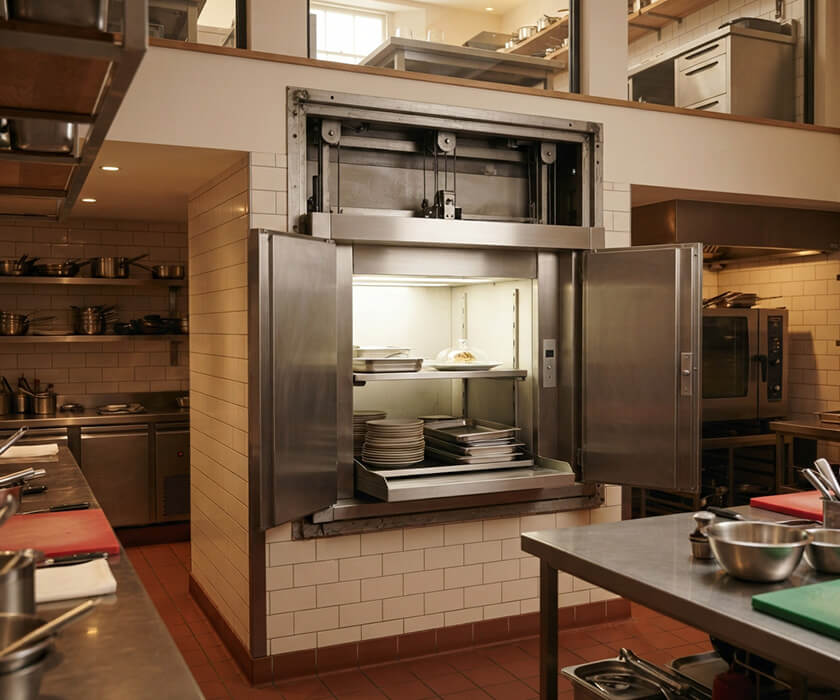
High-volume food preparation areas need equipment capable of handling repeated vertical transfers throughout the working day. A properly specified system can move prepared meals, trays, ingredients, and selected supplies between connected service levels. Construction quality plays an important role because frequent loading can place greater demands on internal surfaces and supporting components. Kitchen Dumbwaiter Lift Installation can also be planned around the available shaft dimensions, travel height, and expected operating frequency. Door arrangements should allow practical loading while maintaining controlled access at each landing. Safety mechanisms can further protect users by preventing inappropriate movement when access points remain unsecured. Overall, suitable equipment selection can support dependable internal food distribution during demanding service periods.
1- Stainless Enclosure Panels with Kitchen Dumbwaiter Lift Installation
Food-handling environments benefit from interior surfaces that remain practical to clean after repeated daily use. Stainless enclosure panels can provide a durable finish that suits areas exposed to regular contact with dishes, trays, and kitchen supplies. Their smooth surface can also make routine wiping and sanitation easier. Kitchen Dumbwaiter Lift Installation may incorporate different panel grades or thicknesses depending on the expected workload and environmental conditions. Proper enclosure design can protect internal components while giving the lifting compartment a clean appearance. The selected material should also suit the anticipated moisture, cleaning routine, and frequency of use. As a result, suitable internal construction can support durability while maintaining practical hygiene standards.
2- Bi-Parting Access Doors on Service Elevators for Flexible Loading
Bi-parting access doors can provide a practical opening arrangement where available landing space needs careful management. The panels move apart to create a clear entry area for trays, containers, and other kitchen items. This arrangement can make loading more convenient when the surrounding workspace has limited clearance. Service elevators with suitable door dimensions can also accommodate the expected cargo without requiring awkward handling. Door movement should remain smooth while maintaining proper alignment throughout regular use. The configuration can be selected according to shaft dimensions, landing layout, and the size of typical loads. Therefore, an appropriate access arrangement can contribute to easier loading during fast-paced kitchen operations.
3- Protective Locking Mechanisms with Utility Lifts for Safer Use
Controlled access is important whenever lifting equipment operates between multiple service levels. Protective locking mechanisms can help prevent a landing door from opening when the lifting compartment is not correctly positioned. This arrangement reduces the chance of unintended access during vertical movement. Utility lifts can incorporate interlocking controls that coordinate door status with equipment operation. Proper adjustment and routine inspection help maintain the intended safety function over time. Staff should also receive clear operating guidance so that loading and unloading procedures remain consistent. Consequently, reliable access control can provide an important layer of protection for daily food-service activities.
Verifyne Lift Consultancy Professional Guidance for Culinary Transport Project Development
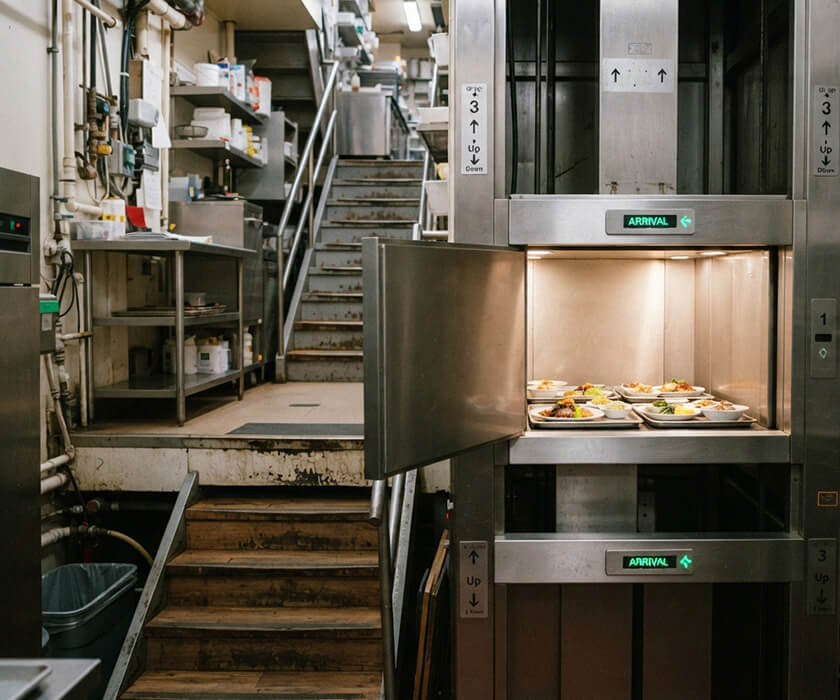
Planning a food transport system requires more than selecting equipment from a standard specification. Building dimensions, shaft availability, floor heights, access points, electrical provisions, structural conditions, and usage patterns can all influence the project. Verifyne Lift Consultancy can provide structured guidance during the assessment and planning stages. Kitchen Dumbwaiter Lift Installation requirements can then be reviewed against the actual layout instead of relying only on generic assumptions. The advisory process can also help coordinate architectural, electrical, and structural considerations before implementation. Installation scheduling, supervision requirements, and future maintenance planning may be considered as part of the broader project framework. This approach can help stakeholders make informed technical decisions for a suitable vertical food-transfer arrangement.
1- Kitchen Dumbwaiter Lift Installation Consultation for Layout Compatibility
Every building has different space limitations, access routes, floor heights, and structural conditions that can affect equipment placement. A professional consultation can review these factors before the project moves toward implementation. Kitchen Dumbwaiter Lift Installation planning should consider shaft dimensions, landing positions, loading areas, electrical provisions, and available working space. Early assessment can identify potential conflicts with existing walls, services, counters, or circulation routes. The proposed arrangement can then be adjusted to suit the building rather than forcing an unsuitable configuration into the available area. Clear planning can also simplify coordination between architectural, structural, and electrical teams. Therefore, layout-focused consultation can help establish a practical foundation for the project.
2- Access Planning Review Using Elevator Coordination for Service Areas
Service access should remain convenient for staff who regularly load or unload food items at different levels. A planning review can examine landing positions, approach routes, door clearances, and nearby working areas. Elevator coordination also helps determine how the equipment connects with existing kitchen and serving workflows. Suitable access points can reduce unnecessary movement while keeping the surrounding workspaces functional. The review may also consider floor heights, traffic patterns, and the location of preparation or storage areas. Early coordination can reduce the likelihood of costly changes after construction work has progressed. In this way, access planning can support smoother integration within the overall building arrangement.
3- Ongoing Performance Advice with Lift Maintenance for Reliable Operation
Regular maintenance plays an important role in keeping vertical food-transfer equipment dependable over an extended service period. Routine inspections can identify wear, alignment concerns, door issues, control faults, or other developing problems before they affect daily operations. Lift maintenance schedules should reflect operating frequency, load patterns, environmental conditions, and manufacturer recommendations. A structured care plan can also include inspection records, cleaning requirements, safety checks, and timely component servicing. Staff can benefit from clear guidance regarding appropriate loading practices and basic operational checks. Planned maintenance may reduce unexpected interruptions while helping preserve equipment performance. As a result, long-term service planning can support safer, more consistent operation.
Frequently Asked Questions:
What Load Capacity Is Suitable for a Kitchen Dumbwaiter Lift?
The required rating depends on food trays, dishes, supplies, and daily workload; a site assessment helps determine the appropriate capacity.
What Safety Checks Are Needed for a Commercial Dumbwaiter?
Door interlocks, safety switches, overload protection, and scheduled servicing help maintain dependable operation in busy food-service areas.
How Much Does a Stainless Steel Food Lift Cost in Lahore?
Pricing varies by load rating, travel height, cabin dimensions, stops, and specifications. Contact 0321 586 3975 for a project-based quotation.