Frequently Asked Questions:
What is the ideal capacity for a kitchen dumbwaiter?
Most restaurants use 50 kg to 200 kg capacities, depending on the weight of meals, dishes, trays, and supplies moved between floors.
Can a dumbwaiter be installed in an existing restaurant?
Yes, a suitable system can be planned for existing properties after checking shaft space, floor openings, electrical supply, access points, and structural conditions.
How much does a kitchen dumbwaiter lift cost in Karachi?
Pricing varies by load rating, floors, materials, controls, and site conditions. For an accurate estimate, contact 0321 586 3975.
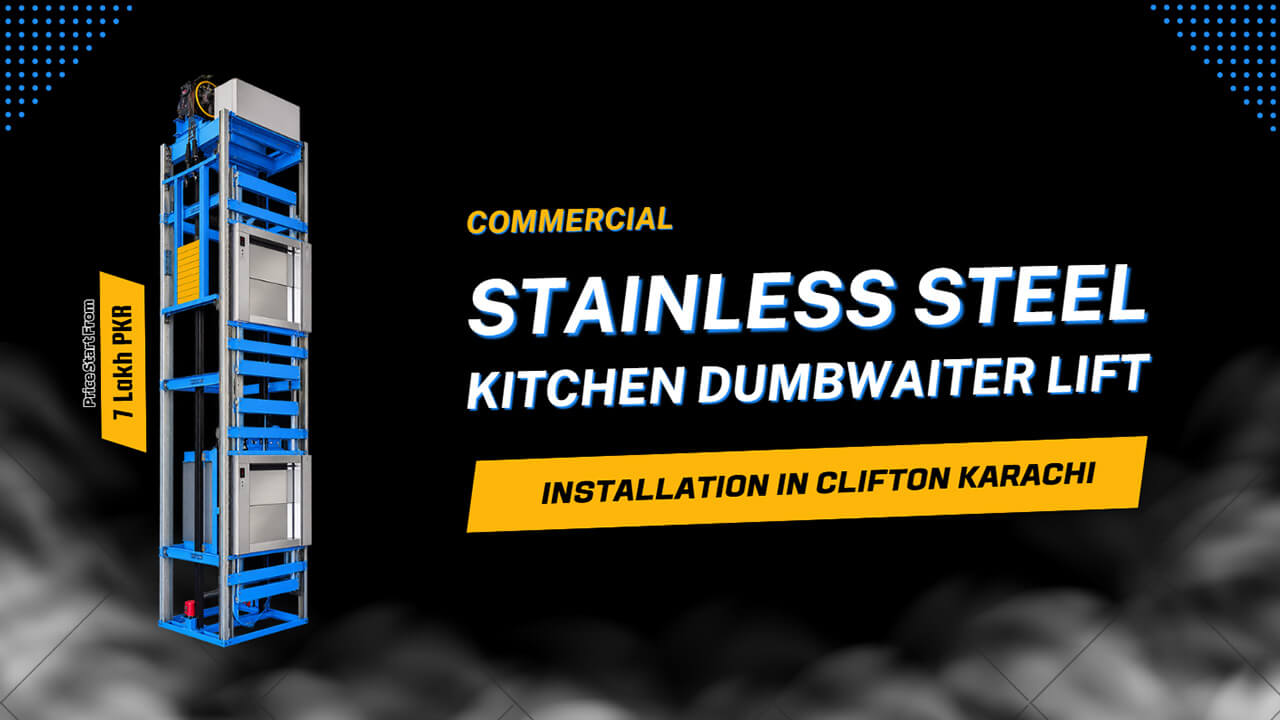
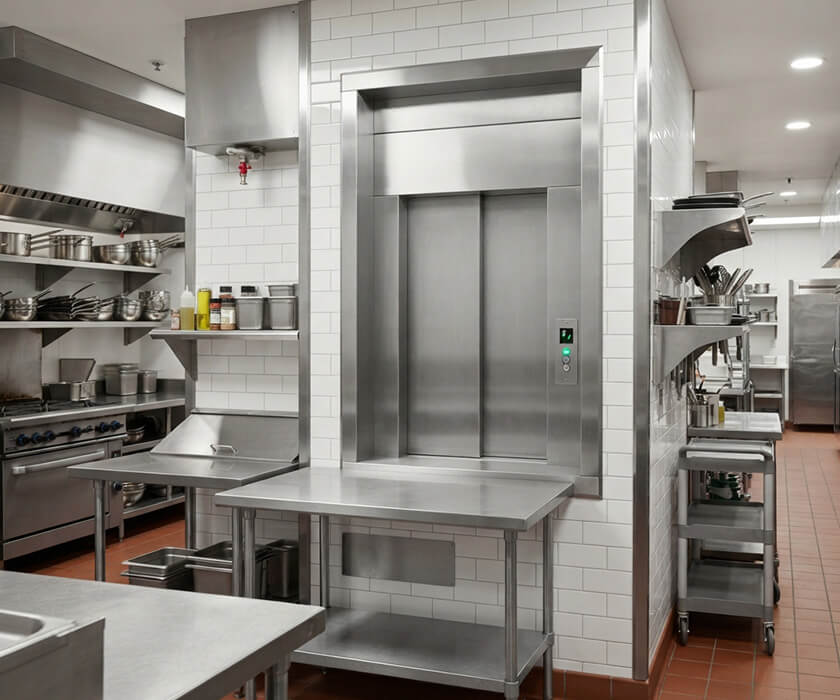
Commercial kitchens often require dependable vertical transportation for meals, dishes, ingredients, and serving supplies. A dedicated food lift can connect preparation areas with dining or service floors efficiently. Stainless steel construction supports frequent cleaning while maintaining a professional appearance. Kitchen Dumbwaiter Lift Installation can help organize movement between different working levels during busy service periods. Proper planning also considers shaft dimensions, loading requirements, door positions, and available space. Suitable equipment can reduce unnecessary staff movement while improving kitchen workflow. Professional installation ensures the system is aligned with operational needs, safety requirements, and long term service expectations.
Restaurant Kitchens Across Clifton Karachi Designed for Compact Dumbwaiter Systems
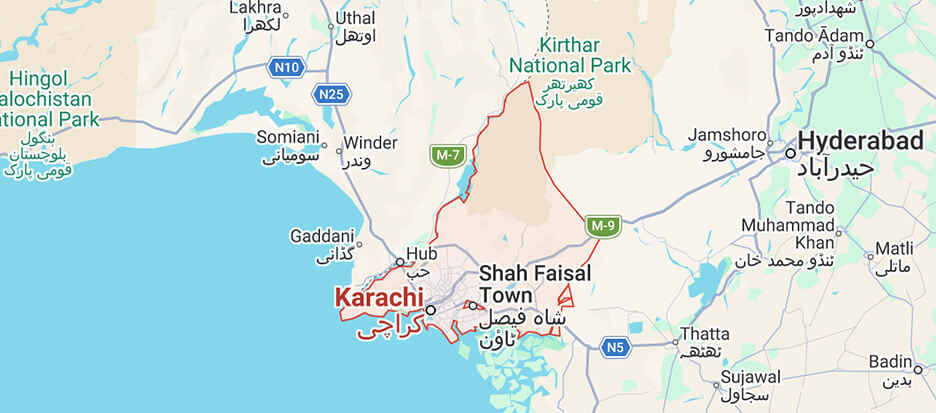
Restaurants with multiple service levels can benefit from compact vertical transportation designed around their available working space. Dumbwaiter systems allow food, dishes, beverages, and kitchen supplies to move between selected floors without interrupting staff activity. Their compact structure makes them suitable for properties where larger transportation equipment would occupy valuable space. In Clifton Karachi, Kitchen Dumbwaiter Lift Installation can be planned according to serving routes, floor access, shaft dimensions, and expected daily usage. Stainless steel interiors also provide a practical surface for food service environments that require regular cleaning. Careful positioning helps create shorter transfer routes between preparation and serving areas. A properly selected system can support smoother restaurant operations while maintaining convenient access between floors.
Why Kitchen Dumbwaiter Lift Installation Supports Orderly Food Dispatch Where Services Occupy Different Floors
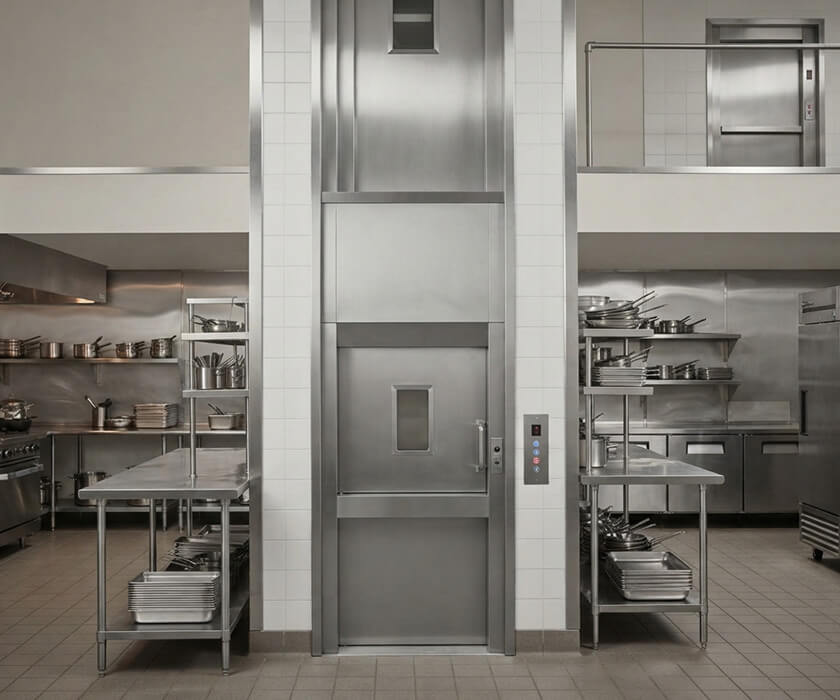
Restaurants operating across several levels need an organized method for transferring prepared meals and service items between departments. Vertical food transportation can reduce repeated stair movement while helping staff maintain a more consistent serving routine. Kitchen Dumbwaiter Lift Installation provides a dedicated route for moving dishes, ingredients, trays, and other lightweight supplies between designated floors. Properly planned access points can improve coordination between preparation areas, storage sections, and dining spaces. Suitable controls allow authorized staff to operate the system according to daily service requirements. Interior arrangements can also support cleaner handling while reducing unnecessary movement through customer areas. With suitable capacity and layout planning, the system can contribute to a more structured food dispatch process.
1- Direct Meal Distribution With Stainless Steel Commercial Kitchen Lift
Prepared meals often need to reach dining areas quickly without creating additional movement for kitchen staff. A stainless steel food transportation system can provide a dedicated route between preparation sections and serving points. Its washable interior supports routine cleaning within demanding hospitality environments. Kitchen Dumbwaiter Lift Installation can also be planned around serving distances, floor locations, and expected meal volumes. Proper door positioning allows staff to load and unload items conveniently at designated levels. A suitable load rating helps maintain reliable movement during regular restaurant operations. This arrangement can make meal dispatch more organized while keeping food service pathways clear.
2- Controlled Dish Handling Through Electric Dumbwaiter Service Elevator
Electric vertical transportation can provide controlled movement for dishes, trays, beverages, and lightweight kitchen supplies across different levels. Automated travel controls help staff select the required floor with minimal manual effort during busy service hours. Kitchen Dumbwaiter Lift Installation can incorporate suitable landing controls, door interlocks, and operating arrangements for safer daily use. Proper capacity selection also helps prevent overloading during repeated service cycles. A dedicated transfer route reduces the need to carry fragile items through stairways or public areas. Regular inspection supports dependable operation and helps identify wear before it affects normal service. The result is a more consistent method for handling kitchen items across multi level properties.
3- Smoother Vertical Serving Using Hydraulic Food Transport Lift Systems
Hydraulic lifting equipment can provide steady vertical movement for food items, dishes, and service materials where site conditions support this arrangement. Its operating configuration can be selected according to travel height, available shaft space, and expected loading requirements. Kitchen Dumbwaiter Lift Installation should account for structural conditions, landing positions, and suitable operating controls before equipment selection. A properly designed system can help staff transfer supplies without repeated stair use. Interior surfaces can also be selected for practical cleaning and regular hospitality use. Appropriate safety mechanisms help control access during loading, travel, and unloading. Careful planning allows the equipment to complement established kitchen workflows across different floors.
Price Assessment Guide for Vertical Food Transportation Equipment in Commercial Hospitality Settings
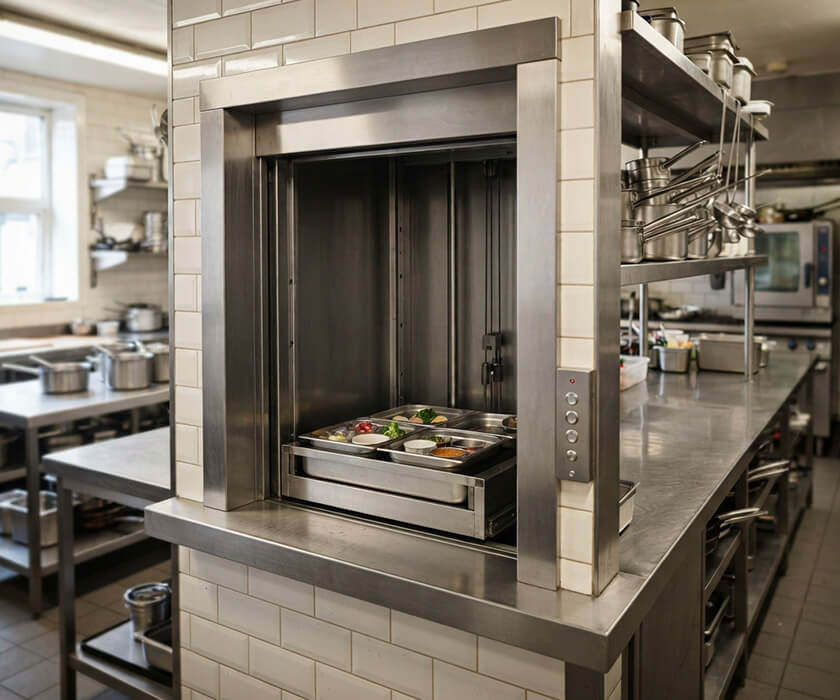
The cost of vertical food transportation equipment depends on several factors including lifting capacity, travel height, number of stops, construction materials, control systems, and installation requirements. Stainless steel finishes may affect the overall budget when hygiene and frequent cleaning are important considerations. Kitchen Dumbwaiter Lift Installation pricing can also vary according to shaft preparation, landing doors, electrical work, and site accessibility. Commercial properties may require stronger components because the equipment operates repeatedly throughout the day. Hydraulic or electric configurations can carry different equipment and installation costs based on project specifications. Final pricing should therefore be confirmed after reviewing the building layout and technical requirements. The following estimates provide a general starting point for commercial hospitality planning.
Cost Projection for Stainless Steel Food Lift Within Dining Establishments
Stainless steel food lifts are commonly considered for restaurants that require hygienic surfaces with frequent daily use. Their pricing depends on rated capacity, travel distance, number of stops, door configuration, and interior specifications. Kitchen Dumbwaiter Lift Installation may involve additional expenses when shaft preparation or electrical modifications are required at the selected location. A suitable capacity should match the typical weight of trays, dishes, meals, or kitchen supplies transferred during service. Proper floor access also helps determine the required number of landing stations. These systems can support smoother movement between preparation and dining sections while reducing manual carrying. The estimated figures below provide a practical budget range for initial project evaluation.
Lift Capacity: 100 kg
Number of Floors: 3
Estimated Price: PKR 1,850,000
Financial Range for Electric Dumbwaiter Elevator Serving Catering Sections
Electric dumbwaiter elevators can provide controlled movement for food service items across multiple catering or hospitality levels. Their overall cost may vary according to lifting capacity, travel height, control arrangement, landing doors, and interior finishing. Kitchen Dumbwaiter Lift Installation may require additional site work when new access points, wiring, or shaft modifications are needed. Electric operation can be suitable for properties seeking straightforward floor selection during repeated service cycles. Selecting the correct load rating helps maintain dependable performance without placing unnecessary stress on the equipment. Installation costs may also change according to building structure and accessibility. The following estimate offers a useful starting point for commercial budgeting before detailed technical assessment.
Lift Capacity: 150 kg
Number of Floors: 4
Estimated Price: PKR 2,250,000
Setup Charges for Hydraulic Service Elevator Across Hospitality Properties
Hydraulic service elevators can be considered for hospitality properties where the building structure and travel requirements support this configuration. Project costs depend on rated load, vertical travel, number of stops, hydraulic equipment, control panels, doors, and installation work. Kitchen Dumbwaiter Lift Installation involving hydraulic equipment may also require suitable space for associated machinery and structural preparation. A detailed site assessment helps determine whether the available area can accommodate the required components. The equipment can support movement of food supplies, dishes, trays, and other service materials between selected levels. Proper installation also helps maintain stable operation during repeated daily use. The estimate below provides an initial cost reference before final engineering specifications are confirmed.
Lift Capacity: 200 kg
Number of Floors: 4
Estimated Price: PKR 2,650,000
| Lift Category | Weight/Size | Category | Condition | Make | Basic Price (G+1) |
|---|---|---|---|---|---|
| Dumbwaiter Elevator Electric | 200–300 kg | Semi Imported | new | Turkey/China | 2,500,000 PKR |
Functional Interior Arrangements for Reliable Meal Transfer Within Professional Food Service Areas
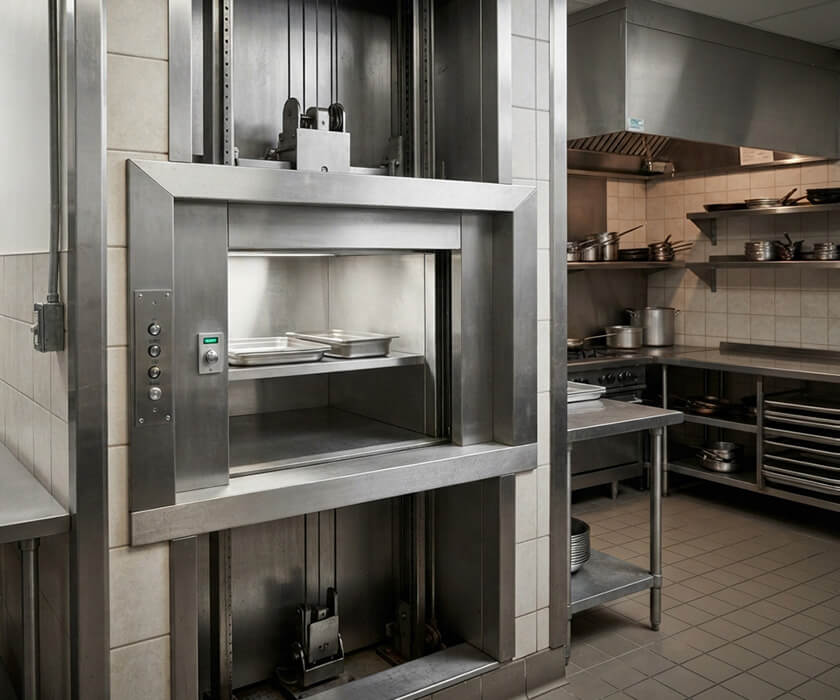
Interior planning plays an important role in maintaining clean, organized, and dependable food transportation within professional kitchens. Durable surfaces can withstand frequent cleaning while supporting repeated loading and unloading cycles. Internal storage arrangements may help keep trays, dishes, containers, and other items positioned securely during movement. Kitchen Dumbwaiter Lift Installation can be adapted to operational requirements by considering cabin dimensions, access points, load limits, and control arrangements. Responsive operating controls can help staff select floors efficiently during busy service periods. Suitable interior planning also reduces unnecessary handling of food service items during transportation. Together, these arrangements can support a cleaner workflow with reliable movement between different service levels.
1- Durable Cabin Surfaces Supporting Kitchen Dumbwaiter Lift Installation Needs
Durable cabin surfaces are important for food transportation equipment used frequently within restaurant and catering environments. Stainless steel interiors can provide a practical surface that supports routine cleaning and regular handling of kitchen items. Kitchen Dumbwaiter Lift Installation should consider interior dimensions, surface durability, loading patterns, and cleaning requirements during the planning stage. Smooth finishes can make routine wiping and sanitation easier after repeated service cycles. Strong interior construction also helps withstand regular contact with trays, dishes, containers, and supplies. Appropriate cabin design can support both hygiene expectations and long term usability. Selecting suitable materials during planning can therefore contribute to dependable daily food service operations.
2- Neater Dish Organization Through Integrated Elevator Storage Compartments
Organized internal storage can help prevent dishes, trays, and containers from shifting unnecessarily while the elevator travels between floors. Properly positioned compartments create defined spaces for different items during loading and unloading. Kitchen Dumbwaiter Lift Installation can incorporate internal arrangements based on the dimensions and types of goods commonly transferred within the property. Secure positioning helps reduce accidental movement when staff load multiple items for a single service trip. Adjustable arrangements may also provide greater flexibility when different serving containers are used throughout the day. A well planned interior can make loading more convenient while supporting cleaner handling. This can contribute to smoother transfers between preparation areas, storage sections, and dining floors.
3- Stable Travel Regulation Using Microprocessor Lift Control Technology
Modern control systems can regulate vertical travel with greater precision during repeated food transportation cycles. Microprocessor based controls can coordinate floor selection, stopping positions, door operation, and other essential functions within the system. Kitchen Dumbwaiter Lift Installation may incorporate suitable control arrangements according to building layout, operating frequency, and user requirements. Accurate stopping helps staff load and unload items at convenient landing positions. Controlled operation can also support consistent movement between selected service levels throughout the working day. Safety interlocks and monitoring functions may further assist with dependable daily operation. Proper control configuration can therefore improve usability while supporting stable performance within demanding hospitality environments.
Verifyne Lift Consultancy Advisory Framework for Multi Level Kitchen Service Requirements
Planning a vertical food transportation system requires careful attention to building structure, workflow, access points, travel distance, and expected usage. Verifyne Lift Consultancy can provide advisory guidance for reviewing these requirements before equipment selection or installation begins. Kitchen Dumbwaiter Lift Installation planning may involve coordination between architectural layouts, electrical provisions, shaft dimensions, and landing positions. A structured assessment can help identify practical locations that support efficient movement between kitchen and service areas. Project scheduling can also account for preparation work, equipment installation, testing, and commissioning activities. Maintenance planning helps establish suitable inspection routines after the system becomes operational. This advisory approach supports better coordination between technical requirements and the property’s everyday food service workflow.
1- Structural Review Criteria for Practical Lift Placement Within Service Areas
Selecting an appropriate location requires a detailed review of the available shaft area, floor construction, access points, and surrounding building conditions. Structural considerations can determine whether the proposed equipment can be accommodated without disrupting important service zones. Kitchen Dumbwaiter Lift Installation should be assessed against available dimensions, landing requirements, travel height, and expected loading conditions. Electrical provisions may also need review before final equipment selection. A suitable position can shorten transfer routes while keeping loading points convenient for kitchen staff. Early assessment helps identify construction adjustments that may be required before installation begins. Careful site evaluation therefore provides a stronger foundation for efficient vertical food transportation planning.
2- Workflow Coordination Supporting Kitchen Dumbwaiter Lift Installation Planning
A successful food transportation system should fit naturally into the daily movement of kitchen staff, meals, dishes, and supplies. Workflow planning examines where items are prepared, loaded, transported, received, and distributed across different levels. Kitchen Dumbwaiter Lift Installation can then be coordinated around these routes to reduce unnecessary handling and improve service organization. Landing positions should provide convenient access without interfering with preparation or dining activities. Expected service frequency also helps determine appropriate capacity and operating arrangements. Coordination with electrical and structural requirements can further reduce complications during project execution. A workflow based approach helps align the vertical transportation system with practical hospitality operations.
3- Preventive Inspection Scheduling for Consistent Elevator Operation Over Time
Regular inspection planning helps maintain dependable performance after a vertical transportation system becomes operational. Routine checks can cover doors, controls, safety mechanisms, electrical components, travel performance, and other important operating parts. Kitchen Dumbwaiter Lift Installation projects should include maintenance considerations from the planning stage rather than treating them as a later requirement. Scheduled servicing can help identify wear before minor issues affect regular food service activities. Maintenance intervals may vary according to usage frequency, equipment configuration, and manufacturer requirements. Proper records can also help track inspections, repairs, and replacement needs over the equipment lifecycle. A structured service plan supports reliable operation while helping hospitality facilities manage long term equipment performance.