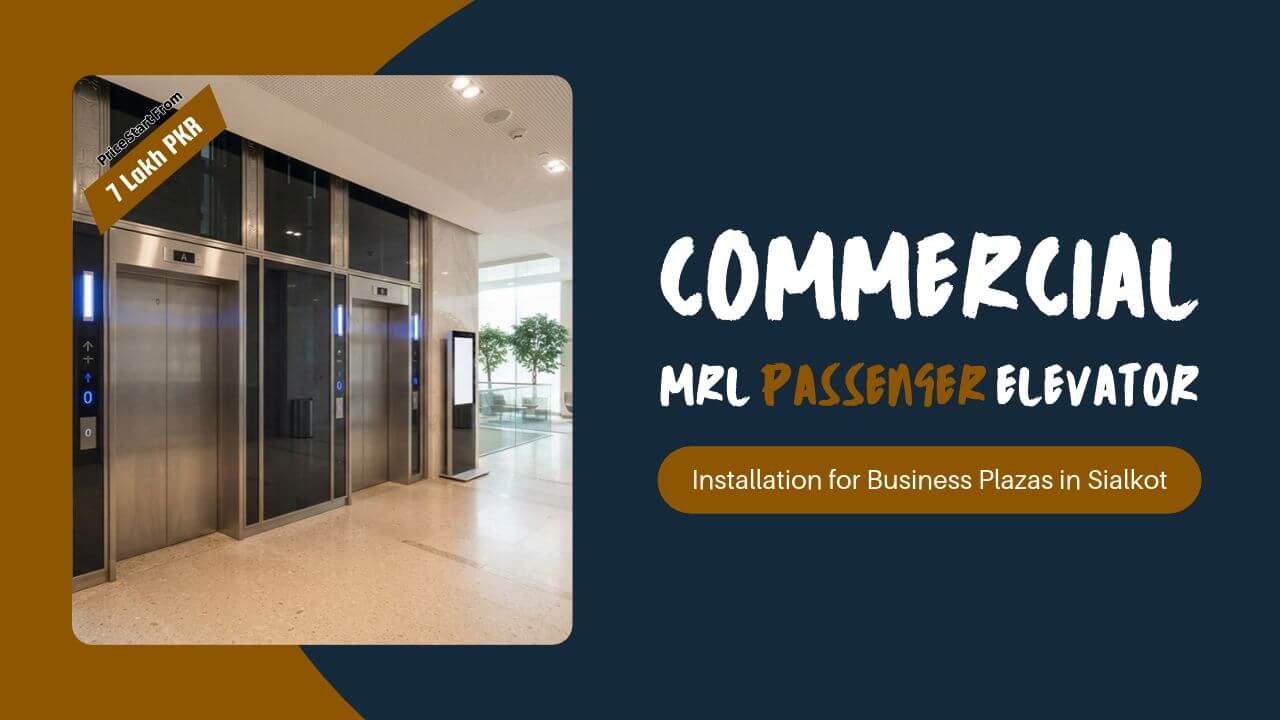
Business plazas with multiple occupied levels need dependable vertical access for customers, staff, and visitors. A well-planned elevator system can make daily movement between floors more convenient. It also helps businesses manage regular foot traffic without unnecessary delays. Commercial MRL Passenger Elevator systems can provide practical transportation while using building space efficiently. Their machine-roomless arrangement can support projects where layout planning is important. Proper selection should consider travel height, passenger capacity, shaft dimensions, and expected usage. Careful planning helps create reliable floor connectivity for busy commercial properties in Sialkot.
Multi Level Plaza Developments in Sialkot Suitable for MRL Passenger Lift Installation

Multi level plaza developments often require dependable access between retail, office, and service areas. Different floor layouts may influence the most suitable lift position and configuration. Building owners can assess traffic levels, shaft availability, travel distance, and passenger requirements before planning installation. MRL passenger lifts can suit properties where efficient use of available space remains important in Sialkot. In addition, their arrangement can support practical architectural planning without requiring a traditional machine room. Proper assessment also helps accommodate customers and employees during busy operating periods. These considerations make selected commercial developments suitable for passenger lift installation.
Why Commercial MRL Passenger Elevator Works Well Where Business Traffic Stays Consistently High
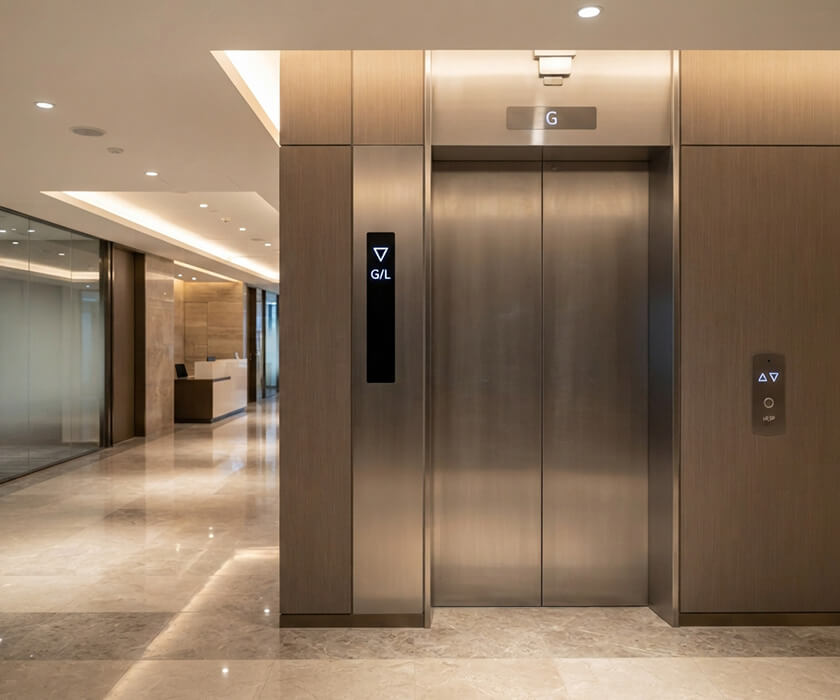
Busy business plazas experience frequent movement throughout working hours, particularly when several companies share the same property. Customers may need quick access to retail outlets, offices, clinics, or other occupied floors. A suitable elevator can therefore reduce unnecessary walking while improving general building circulation. Commercial MRL Passenger Elevator systems are designed to support regular passenger movement with efficient vertical travel. Their compact arrangement can also help preserve valuable building space for other purposes. Furthermore, suitable capacity and speed selection can improve performance during periods of higher demand. For this reason, MRL passenger systems can be a practical choice for active commercial properties.
1- Managing Heavy Passenger Flow with Gearless MRL Passenger Lifts
Commercial buildings with frequent visitor movement need lift performance that can handle repeated daily trips. Higher passenger demand may otherwise create longer queues during opening hours or busy periods. Gearless MRL passenger lifts can support smooth travel across several occupied levels. Their drive arrangement can provide controlled acceleration while maintaining comfortable movement for users. Proper capacity selection also helps accommodate different passenger loads without unnecessary operating delays. Moreover, suitable scheduling can help distribute traffic more effectively throughout the building. This makes the arrangement useful for plazas where customer and staff movement remains consistently active.
2- Making Better Use of Shaft Space Through Machine Roomless Elevators
Available shaft space can become an important consideration when planning elevators inside commercial properties. Conventional equipment arrangements may require additional areas that affect architectural planning. Machine roomless elevators can reduce the need for a separate machine room, allowing designers to use available space more efficiently. Commercial MRL Passenger Elevator planning can therefore support compact building layouts where every section requires careful consideration. Shaft dimensions, overhead clearance, pit depth, and access requirements should still be reviewed before installation. A detailed site assessment can prevent conflicts with surrounding structural elements. Consequently, space-conscious elevator planning can contribute to a more practical commercial floor arrangement.
3- Providing Reliable Movement Between Levels with Traction MRL Lifts
Frequent movement between occupied floors requires dependable performance throughout normal business hours. Traction MRL lifts can provide controlled vertical travel for customers, employees, and visitors using multi level properties. Their operation can support regular journeys without relying on excessive building space for separate machinery areas. Capacity, travel height, stopping requirements, and expected traffic should be assessed during project planning. Commercial MRL Passenger Elevator selection can also take account of the number of daily trips expected from the property. Proper maintenance further helps preserve smooth operation over extended usage periods. As a result, suitable traction systems can contribute to reliable floor-to-floor accessibility.
Frequently Asked Questions:
Is an MRL Elevator Suitable for High Traffic Business Buildings?
Yes, properly specified MRL traction systems can handle regular passenger demand while providing efficient, quiet, and reliable vertical access.
What Is the Main Benefit of an MRL Elevator for Commercial Plazas?
MRL systems save valuable building space by eliminating the need for a separate machine room while supporting smooth passenger movement.
How Much Does a Commercial MRL Passenger Elevator Cost?
Pricing depends on floors, capacity, cabin dimensions, shaft conditions, and selected specifications. Call 0321 586 3975 for a project-based estimate.
Detailed Pricing Guide for MRL Passenger Lift Systems Across Multi Storey Plaza Developments
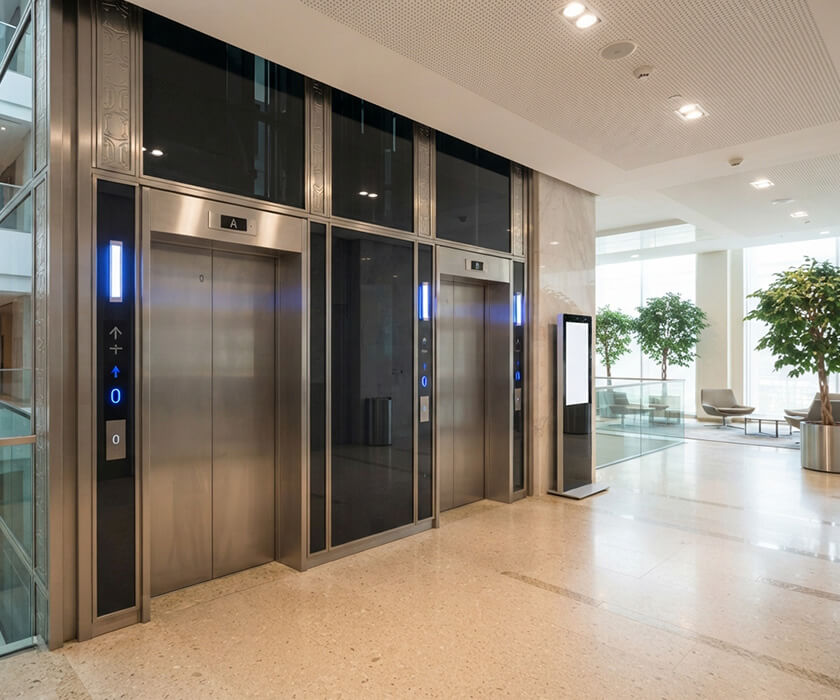
Elevator pricing for multi storey plazas depends on several project-specific factors rather than one fixed figure. Floor count, cabin dimensions, passenger capacity, travel height, and equipment specifications can influence the overall budget. Building conditions may also affect preparation work required before installation begins. Commercial MRL Passenger Elevator costs should therefore be assessed according to the actual requirements of each property. Higher capacity systems may require different equipment compared with smaller passenger arrangements. Likewise, additional safety controls, finishes, and site modifications can change the final investment. The following examples provide practical estimated figures for initial commercial planning.
Budget Projection for Gearless MRL Elevators in High Occupancy Business Properties
High occupancy business properties require passenger equipment capable of supporting frequent daily travel. A gearless MRL arrangement can provide efficient movement while keeping the machinery within a compact building configuration. The expected passenger load should be reviewed before selecting the appropriate system capacity. Commercial MRL Passenger Elevator pricing can vary according to cabin dimensions, travel requirements, controls, and installation conditions. Higher floor counts may also increase equipment and installation costs. These figures should therefore be treated as planning estimates rather than fixed quotations. A detailed site survey can provide a more accurate project-specific assessment.
Floor Capacity: 8–10 Persons
Cabin Size: 4.5 × 4.5 ft
Estimated Price: PKR 3,800,000–5,200,000
Cost Planning for Machine Roomless Passenger Lifts in Compact Commercial Buildings
Compact commercial buildings often require careful budgeting because available space can influence equipment selection. Machine roomless passenger lifts can provide practical vertical access while avoiding the need for a separate machine room. The final cost can depend on floor travel, cabin dimensions, passenger capacity, and shaft preparation. Commercial MRL Passenger Elevator systems may also include different control packages based on the expected level of daily traffic. Finishes, door arrangements, safety equipment, and installation conditions can further affect expenditure. Therefore, an early cost review helps property owners prepare a realistic project allowance. Actual pricing should be confirmed after technical measurements and site evaluation.
Floor Capacity: 6–8 Persons
Cabin Size: 4 × 4 ft
Estimated Price: PKR 3,200,000–4,500,000
Installation Investment for Traction MRL Elevators Serving Multiple Occupied Floors
Traction MRL elevators can be considered for properties where several occupied floors require regular passenger access. Installation investment depends on the number of stops, required travel distance, cabin size, and selected operating specifications. Existing shaft conditions may also influence preparation work before equipment placement. Commercial MRL Passenger Elevator projects can include different safety controls, door systems, cabin finishes, and operating capacities. Larger buildings may require higher capacity equipment to accommodate greater visitor movement. A proper technical review can help identify structural or electrical requirements before work begins. Consequently, the estimated range should be refined through a detailed project assessment.
Floor Capacity: 10–12 Persons
Cabin Size: 5 × 5 ft
Estimated Price: PKR 4,500,000–6,200,000
| Product | Passengers / Weight / Size | Category | Condition | Make | Estimated Cost (PKR) |
|---|---|---|---|---|---|
| Commercial passenger lift electric 630kg | 6-8 persons | Semi Imported | New | Turkey/China | 2,150,000 PKR |
| Imported FUJI lift 630kg | 6-8 persons | Fully Imported | New | China | 2,232,560 PKR |
| Panoramic passenger lift electric 630kg | 6-8 persons | Semi Imported | New | Turkey/China | 2,500,000 PKR |
Modern Engineering Advantages for High Traffic Passenger Transportation in Commercial Buildings
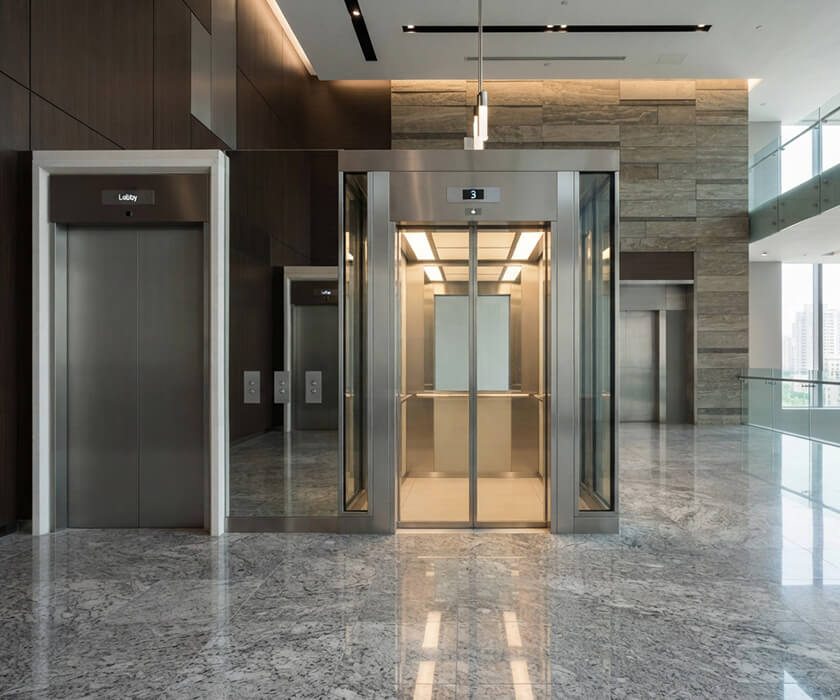
Modern passenger elevator systems can provide several practical benefits for commercial properties with regular visitor activity. Efficient equipment planning can help businesses maintain convenient access across multiple occupied levels. Space utilization is particularly important where shafts, corridors, and service areas have limited room. Commercial MRL Passenger Elevator systems can combine compact equipment arrangements with controlled passenger movement. Smart controls can also provide useful operating information for property management teams. Furthermore, appropriate capacity selection helps match elevator performance with expected building traffic. These engineering considerations can support dependable vertical access throughout busy commercial environments.
1- Better Shaft Utilization Using Commercial MRL Passenger Elevator Designs
Shaft planning plays an important role when commercial properties have limited structural space available for vertical transport. Compact elevator arrangements can help reduce the need for additional machinery areas within the building. Commercial MRL Passenger Elevator designs can therefore support more efficient use of the available shaft and surrounding layout. Proper dimensions should still be checked against cabin requirements, door openings, overhead clearance, and pit depth. This approach can help preserve useful floor space for offices, retail areas, or other business activities. In addition, careful planning can reduce conflicts between elevator equipment and existing structural elements. A detailed assessment before installation helps achieve a practical balance between access requirements and available space.
2- Suitable Traffic Handling Through Adjustable Lift Performance Controls
Commercial buildings may experience different passenger volumes throughout the working day. Adjustable lift performance controls can help match elevator operation with changing traffic conditions. Suitable speed, acceleration, stopping accuracy, and door timing can contribute to a more comfortable travel experience. Commercial MRL Passenger Elevator systems can be configured according to the expected usage pattern of a particular property. Capacity selection should also reflect the number of occupants and visitors using the building. Better operational settings can help reduce unnecessary waiting during periods of increased demand. As a result, appropriate controls can support smoother passenger circulation across busy commercial floors.
3- Remote Status Tracking Through Intelligent Elevator Monitoring Systems
Digital monitoring can help property managers stay informed about elevator operating conditions without relying solely on manual checks. Intelligent monitoring systems can provide useful information about service status, operating events, and potential maintenance requirements. This can help maintenance teams identify issues before they create prolonged service interruptions. Commercial MRL Passenger Elevator systems can benefit from connected monitoring where building management requires greater operational visibility. Remote status information can also support quicker coordination when technical attention becomes necessary. Regular data review may help identify recurring operating patterns that require adjustment. Therefore, connected monitoring can contribute to more organized elevator management within active business properties.
Verifyne Lift Consultancy Project Assessment for Vertical Access Requirements in Business Complexes
Commercial elevator planning requires more than selecting equipment from a standard specification sheet. Building structure, shaft dimensions, passenger demand, travel height, access points, and operating conditions should all be reviewed before project decisions are made. Verifyne Lift Consultancy can provide structured guidance during these assessment stages. Its consultancy approach can help property stakeholders compare project requirements with suitable elevator arrangements. The review may also consider coordination between architectural, structural, electrical, and installation requirements. In addition, maintenance planning can be considered before the system enters regular service. This organized approach can help businesses make informed decisions for dependable vertical access.
1- Commercial MRL Passenger Elevator Review Based on Property Usage
Every business complex can have different passenger demand based on its floor occupancy, operating hours, and visitor patterns. A detailed review helps determine whether the proposed elevator arrangement matches the actual building requirements. Commercial MRL Passenger Elevator assessment can consider passenger capacity, travel height, shaft dimensions, door configuration, and expected usage. Building managers can then understand how the selected system may perform during normal or peak periods. The review can also identify practical requirements for equipment placement before installation begins. This helps reduce the risk of selecting a configuration that does not suit the property. Proper assessment ultimately supports a more informed elevator planning process.
2- Building Condition Review Supporting Practical Lift Positioning
The existing condition of a commercial property can influence where an elevator should be positioned. Shaft dimensions, structural openings, pit conditions, overhead clearance, and nearby services should be checked before final placement decisions. A building condition review can identify potential restrictions that may affect installation work. Commercial MRL Passenger Elevator planning can then be aligned with the available structural arrangement and intended passenger routes. This approach can help maintain convenient access without unnecessarily disturbing surrounding business areas. Early evaluation may also highlight modifications required before equipment delivery or installation. Careful positioning therefore supports safer project coordination with fewer unexpected site complications.
3- Service Scheduling Advice for Consistent Elevator Availability
Regular maintenance planning is important for commercial elevators because frequent usage can place continuous demands on operating components. A structured service schedule can help property managers organize inspections, routine checks, and necessary technical attention. Commercial MRL Passenger Elevator systems should be monitored according to their usage level and manufacturer requirements. Timely servicing can help identify worn components or operating issues before they cause extended downtime. Maintenance planning can also support safer passenger operation throughout the building’s working schedule. Property teams can coordinate service periods to reduce disruption to customers, employees, and tenants. This approach helps maintain dependable elevator availability over the long term.