Frequently Asked Questions:
What Speed Is Suitable for a Commercial Passenger Elevator?
The required speed depends on building height, traffic volume, travel distance, and the number of floors served.
Is a High-Speed Elevator Suitable for Busy Office Buildings?
Yes, it can support frequent passenger movement in multi-storey workplaces when capacity and traffic requirements are properly assessed.
How Much Does a High Speed Passenger Elevator Cost in Islamabad?
Pricing varies by capacity, stops, speed, cabin specifications, and site conditions. Contact 0321 586 3975 for a project-based estimate.
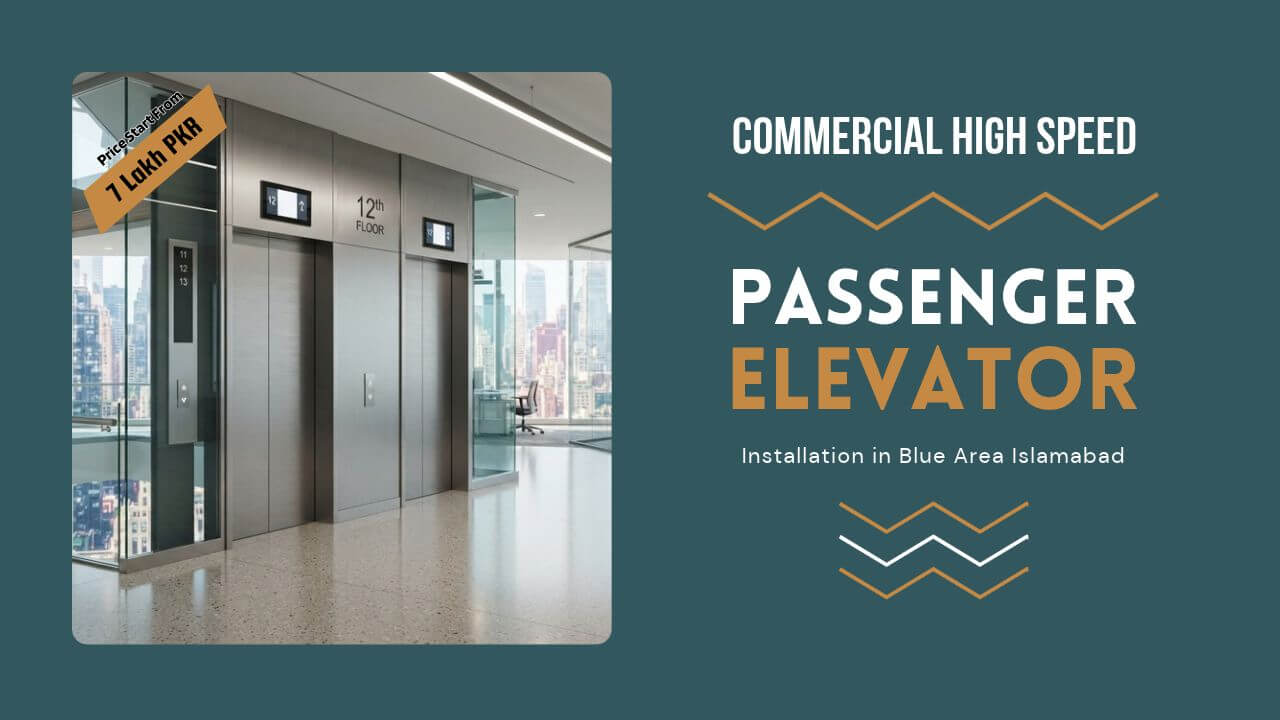
Commercial buildings require dependable vertical transportation to move employees, visitors, and clients between multiple floors. Busy business areas often experience concentrated traffic during opening, closing, and lunch hours. A properly planned elevator system can improve movement while reducing unnecessary waiting periods. The High Speed Passenger Elevator provides faster floor-to-floor travel for multi-storey workplaces. Selection depends on building height, expected traffic, cabin capacity, and available shaft space. Proper installation also considers electrical supply, safety systems, access points, and operational requirements. Careful planning helps create smooth vertical mobility for demanding commercial environments.
Office Towers Across Blue Area Islamabad Suitable for High-Speed Elevator Installation
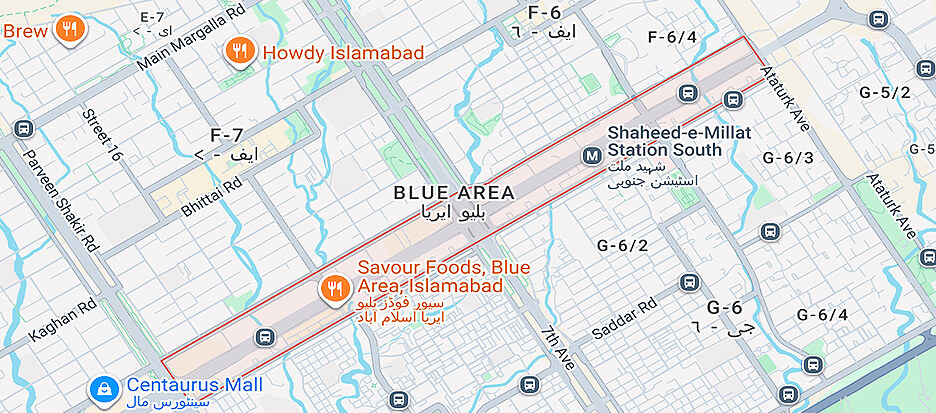
Office towers require vertical transportation that can handle regular employee movement throughout the working day. Buildings with several occupied levels may experience heavier traffic during morning arrivals and afternoon departures. Suitable elevator planning considers floor count, passenger volume, travel distance, and available structural space. A well-selected system in Blue Area Islamabad can provide quicker movement while maintaining comfortable cabin operation. The High Speed Passenger Elevator can support frequent journeys across taller office structures. Building layout, power requirements, door configuration, and safety provisions should also be reviewed before installation. These factors help determine an appropriate elevator arrangement for busy workplace environments.
Why High Speed Passenger Elevator Supports Reliable Access Across High-Rise Business Floors
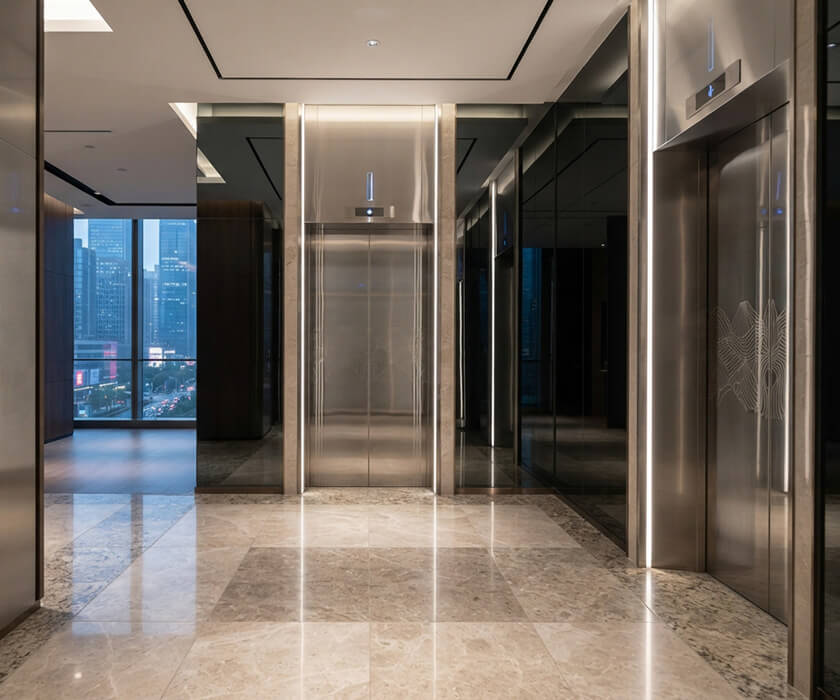
High-rise workplaces need dependable vertical transportation to maintain convenient access between widely separated floors. Longer travel distances can increase waiting periods when conventional systems are not matched to building requirements. A suitable elevator arrangement helps employees and visitors move efficiently during regular business hours. The High Speed Passenger Elevator supports quicker journeys across multiple levels while accommodating frequent passenger demand. Performance also depends on suitable capacity, traffic planning, control systems, and building configuration. Proper equipment selection can help maintain consistent service during busy periods. This makes high-speed vertical transportation relevant for demanding multi-level business environments.
1- Faster Office Floor Connections With Gearless Traction Lift Systems
Gearless traction systems are commonly considered for buildings requiring efficient vertical travel across several floors. Their design can support smooth cabin movement while handling regular passenger demand. Proper equipment sizing depends on building height, expected usage, cabin capacity, and required travel speed. These systems can provide a practical arrangement for workplaces where quick floor connections are important. The High Speed Passenger Elevator may incorporate advanced traction equipment to support faster journeys between occupied levels. Planning should also consider shaft dimensions, electrical requirements, braking arrangements, and passenger flow. A balanced design can contribute to dependable movement throughout the working day.
2- Better Vertical Space Management Through Machine Roomless Elevators
Machine roomless elevator systems can help organize vertical transportation where dedicated machinery space is limited. Their equipment arrangement places major components within the shaft area, reducing the need for a separate machine room. This can provide greater flexibility during architectural planning and structural coordination. Building dimensions, overhead clearance, pit depth, and passenger requirements still need careful assessment. A High Speed Passenger Elevator can be planned with suitable machine roomless equipment for certain commercial layouts. Proper coordination helps maintain usable building space while supporting efficient passenger movement. The final configuration should match the structure, traffic pattern, and operational requirements.
3- Convenient Peak-Time Commuting With High-Capacity Passenger Lifts
Busy office buildings can experience substantial passenger demand during morning arrivals, lunch periods, and closing hours. Higher-capacity elevator cabins can help accommodate more users during concentrated travel periods. Suitable planning considers passenger volume, floor distribution, journey frequency, and expected waiting times. Door dimensions and control arrangements can also influence overall traffic handling. A High Speed Passenger Elevator with suitable capacity can support faster movement across heavily occupied business floors. Equipment selection should balance speed with comfortable loading, unloading, and reliable operation. Proper traffic analysis helps create a practical system for demanding workplace conditions.
Complete Passenger Elevator Installation Pricing Overview for Multi-Storey Commercial Buildings
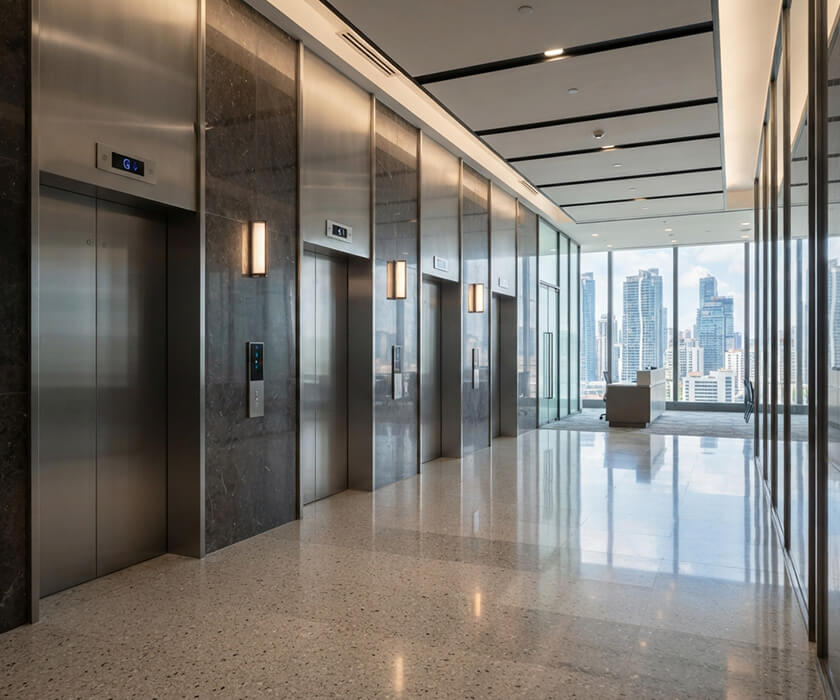
Elevator installation costs can vary according to speed, capacity, travel height, number of stops, equipment type, and site conditions. Commercial buildings may require stronger specifications because of frequent passenger movement throughout the day. Gearless traction, machine roomless, and high-capacity systems can each have different investment requirements. Structural preparation, shaft dimensions, electrical work, doors, controls, and safety equipment can also influence the final amount. The High Speed Passenger Elevator cost generally depends on the selected configuration and building requirements. A detailed assessment provides a more practical estimate than using a fixed market figure. Final pricing should therefore be confirmed after reviewing the project site and technical specifications.
Price Estimate for Gearless Traction Elevators in High-Rise Corporate Offices
Gearless traction elevators are suitable for taller buildings where regular passenger movement requires dependable vertical transportation. Their pricing can vary based on rated speed, cabin capacity, travel height, number of stops, and selected control equipment. Commercial projects may also require additional safety systems and durable interior specifications. The High Speed Passenger Elevator configuration can increase the overall investment when faster travel and advanced controls are required. Structural preparation, installation conditions, electrical requirements, and shaft readiness can further affect project costs. The figures below provide a general planning range rather than a fixed quotation. A final estimate should be prepared according to the actual building layout and technical requirements.
Speed Range: 1.5–2.5 m/s
Number of Stops: 6–12
Estimated Price: PKR 4,500,000–5,500,000
Cost Assessment for Machine Roomless Lifts in Multi-Level Business Premises
Machine roomless systems can provide an alternative arrangement for commercial properties where dedicated machinery space is restricted. Their overall cost depends on speed, passenger capacity, shaft dimensions, number of landings, and selected equipment specifications. Building preparation and electrical requirements may also contribute to the project budget. For busy workplaces, the High Speed Passenger Elevator specification can require more advanced controls and suitable traction equipment. Installation conditions can influence labor, structural adjustments, and commissioning requirements. The following figures offer a practical preliminary range for budgeting purposes. Exact pricing should be established after reviewing the site and confirming the required configuration.
Speed Range: 1.0–2.0 m/s
Number of Stops: 4–10
Estimated Price: PKR 3,800,000–4,500,000
Installation Price Range for High-Capacity Elevators in High-Traffic Workplaces
High-capacity elevators are designed to accommodate greater passenger loads in buildings with frequent daily movement. Their pricing depends on rated load, cabin dimensions, travel speed, number of stops, and control system specifications. Commercial environments may also require durable finishes, automatic doors, emergency functions, and enhanced traffic management. A High Speed Passenger Elevator with increased capacity can involve additional equipment and stronger performance requirements. Installation costs may further change according to shaft preparation, electrical work, and site accessibility. The figures below can be used as an initial budget reference for planning purposes. A site-specific quotation remains necessary before confirming the complete project investment.
Speed Range: 1.0–2.0 m/s
Number of Stops: 5–10
Estimated Price: PKR 4,000,000–6,000,000
| Product | Passengers / Weight / Size | Category | Condition | Make | Estimated Cost (PKR) |
|---|---|---|---|---|---|
| Commercial passenger lift electric 630kg | 6-8 persons | Semi Imported | New | Turkey/China | 2,150,000 PKR |
| Imported FUJI lift 630kg | 6-8 persons | Fully Imported | New | China | 2,232,560 PKR |
| Panoramic passenger lift electric 630kg | 6-8 persons | Semi Imported | New | Turkey/China | 2,500,000 PKR |
Modern Passenger Transport Systems Supporting Quicker Interfloor Access in Tall Structures
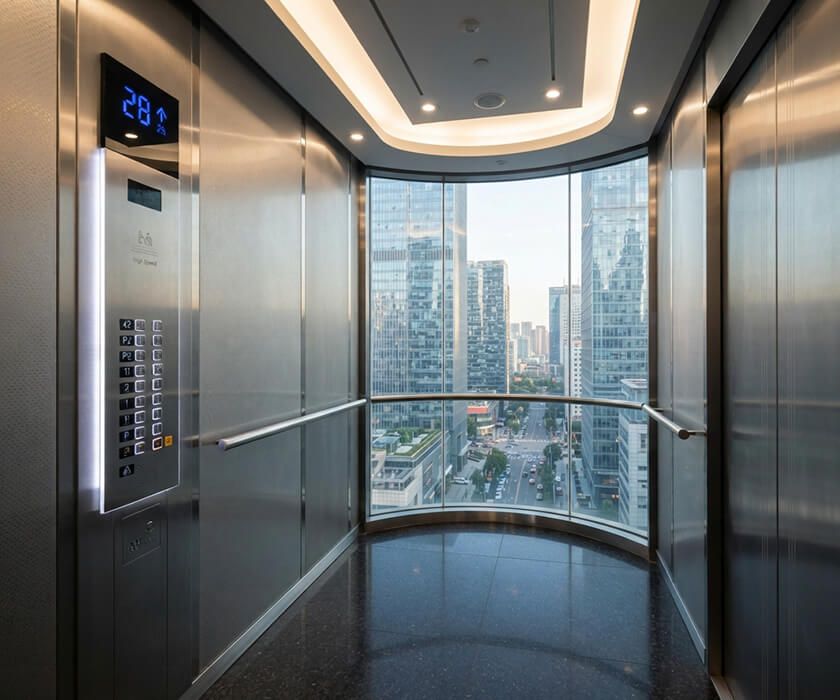
Tall structures require coordinated vertical transportation to maintain convenient movement between multiple occupied levels. Faster travel can reduce journey times when buildings have considerable floor-to-floor distances. Modern control arrangements can also help manage passenger demand during periods of concentrated traffic. A High Speed Passenger Elevator can combine suitable traction equipment, responsive controls, and monitoring functions for demanding environments. Safety systems remain important for maintaining controlled operation during abnormal conditions or building emergencies. Digital supervision can provide useful information about equipment status and operational performance. Together, these systems support dependable vertical mobility across multi-storey structures.
1- Rapid Cabin Travel Using High Speed Passenger Elevator Control Systems
Advanced control systems help coordinate cabin movement, door operation, acceleration, deceleration, and stopping accuracy. These functions are important when elevators are expected to travel quickly while maintaining passenger comfort. Proper programming can also support smoother journeys between floors with frequent demand. The High Speed Passenger Elevator uses responsive control arrangements to coordinate movement according to building requirements. Drive technology, load conditions, travel distance, and traffic patterns can influence operating performance. Careful commissioning ensures that speed settings remain compatible with safety and structural requirements. This creates a balanced approach to quicker passenger transportation in taller buildings.
2- Safer Building Response During Emergencies With Responsive Lift Controls
Emergency conditions require elevator systems to respond according to established safety procedures and building requirements. Responsive controls can help manage cabin movement when fire alarms, power interruptions, or other abnormal conditions occur. Appropriate recall functions can direct elevator operation toward designated floors when required. The High Speed Passenger Elevator should be configured with safety controls that correspond to the building’s intended use and applicable standards. Backup arrangements may also be considered where the project requires continued communication or controlled emergency functions. Testing is important to confirm that these responses operate correctly after installation. Proper integration helps support safer elevator management during unexpected events.
3- Continuous Equipment Status Tracking Through Digital Elevator Monitoring
Digital monitoring can provide useful information about elevator operating conditions and equipment status. Building operators may use monitoring systems to identify operational issues before they cause extended service interruptions. Information such as system status, fault conditions, and selected performance data can support maintenance planning. A High Speed Passenger Elevator can benefit from monitoring arrangements that provide clearer visibility into daily operation. Remote diagnostics may also assist technical teams when troubleshooting selected equipment conditions. Regular review of monitoring information can help identify recurring issues and maintenance requirements. This approach supports more organized management of elevator performance in busy commercial buildings.
Verifyne Lift Consultancy Engineering Advisory for Advanced Vertical Mobility Projects
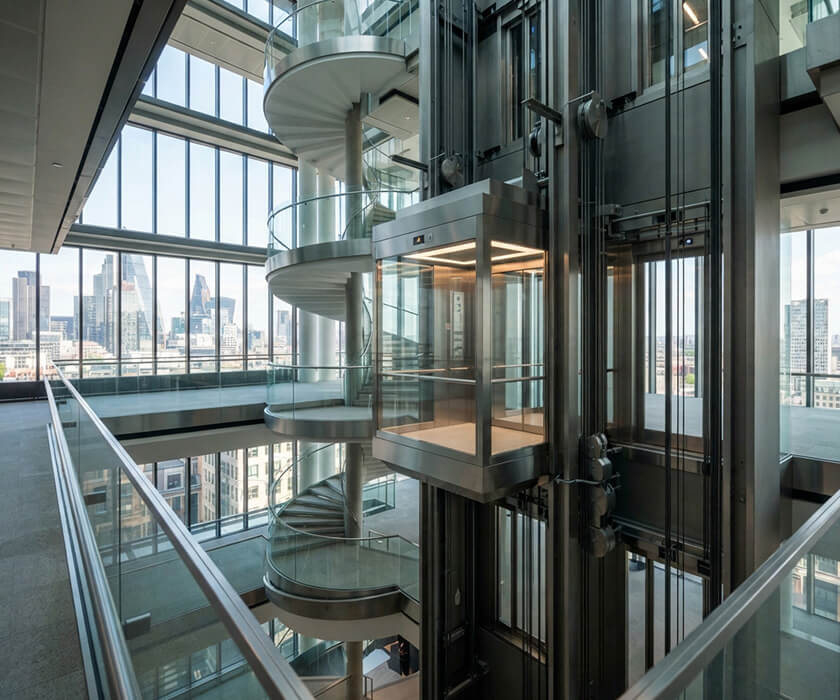
Vertical transportation projects require coordination between architectural, structural, electrical, and operational requirements. Engineering guidance can help evaluate building conditions before equipment specifications are finalized. Shaft dimensions, floor heights, traffic demand, travel distance, and access points all influence the planning process. Verifyne Lift Consultancy can provide structured guidance for equipment selection, layout coordination, scheduling, and installation supervision. The High Speed Passenger Elevator should be assessed according to the building’s actual usage and technical limitations. Testing and commissioning requirements should also be considered before the project reaches its final stage. A structured advisory approach helps align elevator planning with the broader requirements of the building.
1- Architectural Review for Effective Elevator Shaft Placement
Elevator shaft placement can influence circulation, usable floor area, accessibility, and the overall building layout. Architectural review helps determine whether the proposed position supports convenient passenger movement between occupied levels. Structural conditions, shaft dimensions, pit depth, overhead clearance, and landing access should be assessed during planning. The High Speed Passenger Elevator also requires sufficient space for its selected equipment and operating configuration. Coordination with architectural drawings can reduce conflicts during later construction stages. Electrical and structural requirements should be reviewed alongside the proposed shaft location. Early assessment helps create a more practical arrangement for vertical transportation.
2- High Speed Passenger Elevator Capacity Assessment for Peak Usage
Passenger capacity should be selected according to expected building occupancy, traffic patterns, floor count, and daily usage. A detailed assessment helps determine whether the proposed cabin size and rated load can handle concentrated passenger demand. Peak periods may require different planning considerations than normal operating hours. The High Speed Passenger Elevator should therefore be matched with suitable capacity, speed, and traffic requirements. Building usage, waiting times, travel distance, and stop frequency can influence the recommended configuration. Technical evaluation also helps coordinate cabin dimensions with available shaft space. Proper capacity planning supports consistent passenger movement throughout busy operating periods.
3- Testing Coordination for Dependable Lift Operation After Completion
Testing and commissioning are important stages before an elevator enters regular service. Technical checks can cover cabin movement, door operation, leveling accuracy, safety controls, emergency functions, and communication systems. The High Speed Passenger Elevator should be evaluated under operating conditions that reflect its intended building use. Coordination between engineering teams, installers, electrical contractors, and building representatives can help identify outstanding issues. Any required adjustments should be completed before final handover. Documentation of testing results can also support future maintenance and operational planning. Careful commissioning helps establish dependable elevator performance after project completion.