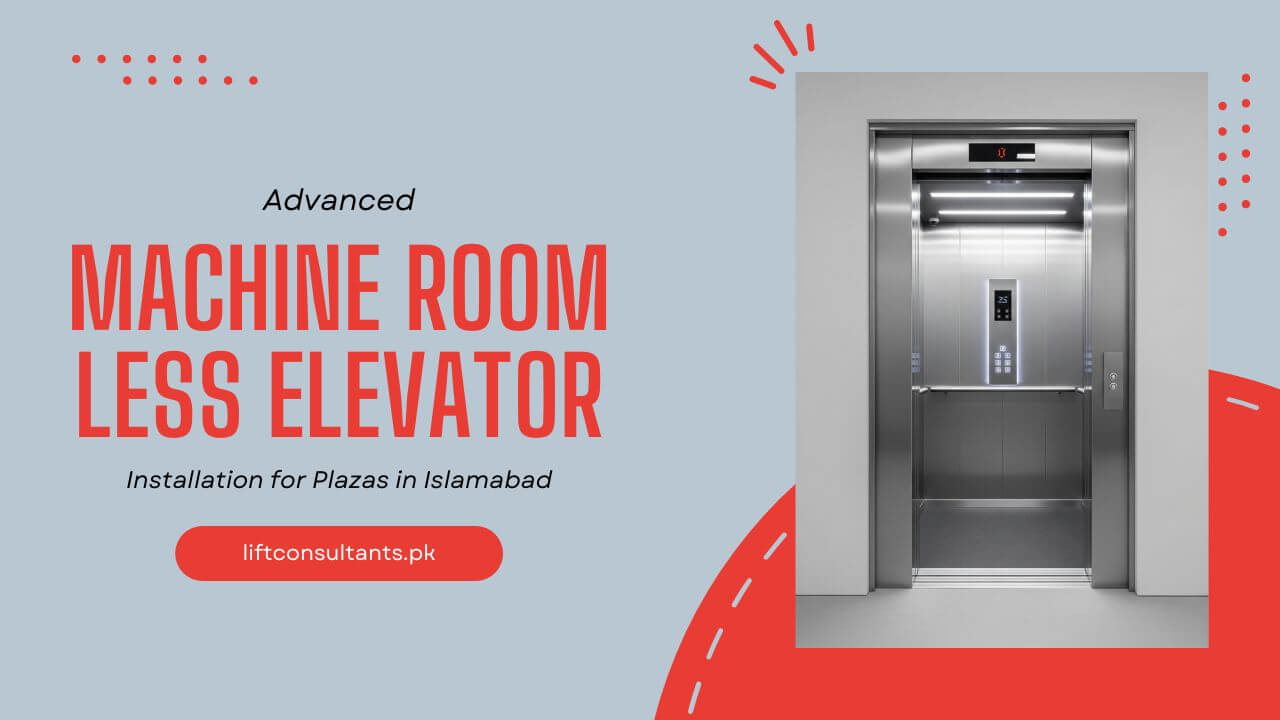
Modern commercial plazas in Islamabad are increasingly adopting advanced vertical mobility solutions to support high visitor traffic and efficient floor access. As urban development expands rapidly, demand for space-saving and high-performance elevator systems continues to grow in multi-storey buildings. Therefore, proper planning and integration of modern lift systems significantly improve accessibility, building flow, and overall user experience. In this context, Machine Room Less Elevator Installation plays a key role because it offers compact engineering, reduced space requirement, and compatibility with modern architectural designs. Moreover, it allows developers to maximize usable building area while ensuring smooth passenger movement. Additionally, this installation approach suits modern commercial developments due to its efficiency and long-term operational reliability. As a result, it strongly supports infrastructure growth in major business locations across Islamabad.
Business Districts Across Islamabad for Machine Room Less Lift Deployment
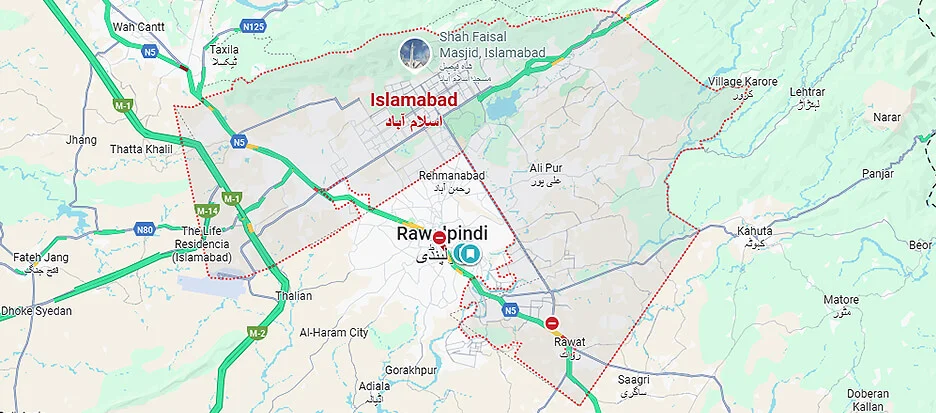
Commercial expansion in Islamabad has increased the need for efficient vertical transport systems across business districts, retail zones, and mixed-use developments. Because high foot traffic continues to rise in these areas, buildings require reliable and fast elevator solutions to ensure smooth movement between floors. Therefore, strategic lift deployment improves building accessibility while enhancing operational performance in busy commercial environments. Machine Room Less Elevator Installation is commonly implemented in these locations since it delivers a space-efficient design and meets modern construction standards. Furthermore, it helps optimize available floor area while maintaining smooth passenger flow in high-density buildings. As a result, it becomes a practical choice for commercial properties located in prime business zones across Islamabad.
Why Machine Room Less Elevator Installation is the Preferred Choice for Commercial Buildings
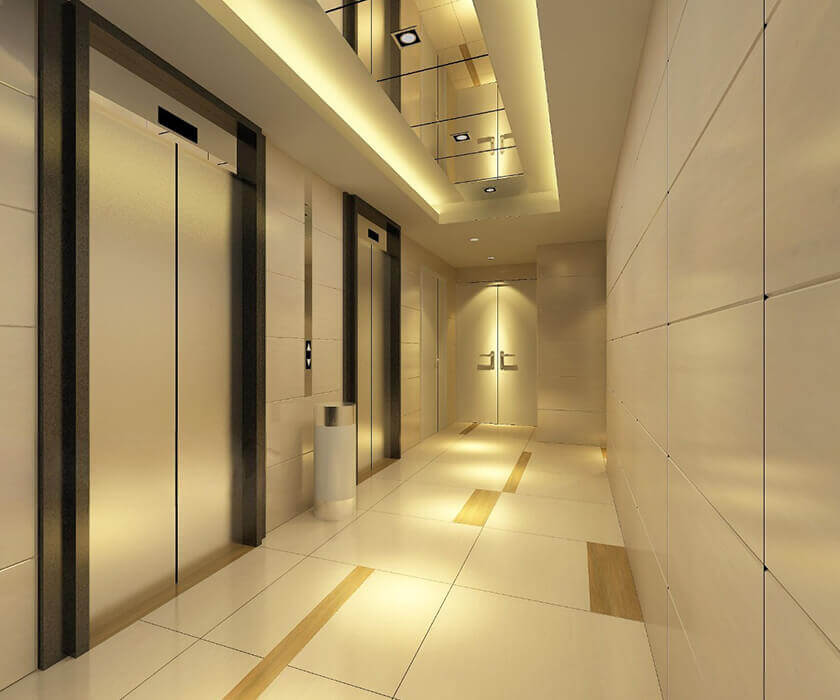
Modern commercial buildings require efficient, space-saving, and reliable vertical transportation systems to handle continuous passenger movement. Because building owners prioritize performance and convenience, they increasingly choose solutions that reduce structural complexity. At the same time, they demand energy efficiency, operational stability, and architectural flexibility. Machine Room Less Elevator Installation fulfills these requirements effectively because it delivers a compact engineering design that eliminates the need for a separate machine room. Moreover, it improves building utilization while ensuring smooth and consistent passenger movement across multiple floors. Therefore, it becomes a preferred solution for commercial developments that focus on long-term efficiency and modern infrastructure standards.
1- More Usable Floor Space With Machine Room Less Lift for Commercial Complexes
Maximizing usable floor space remains a major priority in commercial construction because every square foot contributes to revenue generation. Traditionally, elevator systems require additional machine room space, which reduces rentable or usable area. However, modern compact systems now allow architects to design more flexible layouts without structural limitations. Machine Room Less Elevator Installation helps eliminate the need for separate machine rooms since it integrates equipment within the shaft structure. Consequently, this results in better space utilization and improved building efficiency. Therefore, developers widely adopt this approach in commercial complexes where space optimization directly impacts property value and design flexibility.
2- Lower Electricity Costs Through Gearless Traction Elevator for Daily Operations
Energy efficiency plays a critical role in reducing operational costs in commercial buildings with frequent elevator usage. Because high-performance drive systems reduce unnecessary energy consumption, they improve long-term cost efficiency. In addition, efficient motion control minimizes power wastage during start-stop cycles and continuous operation throughout the day. Machine Room Less Elevator Installation supports energy-efficient performance through modern engineering design and optimized mechanical movement. As a result, it reduces electricity expenses while improving sustainability in long-term commercial operations. Therefore, building owners increasingly prefer it for cost-effective and environmentally responsible infrastructure.
3- Faster Passenger Flow Using High-speed Passenger Elevator in Shopping Centers
Shopping centers experience heavy visitor traffic, especially during peak business hours, so they require fast and efficient vertical movement systems. Because smooth passenger flow directly impacts customer satisfaction, buildings must reduce congestion across multiple floors. Therefore, reliable elevator performance improves accessibility and enhances the overall retail experience. Machine Room Less Elevator Installation enhances operational efficiency because it supports optimized travel speed and smooth ride performance in high-traffic environments. Moreover, it ensures consistent movement without delays across floors. As a result, it becomes highly suitable for modern shopping centers that prioritize convenience and operational efficiency.
Cost Assessment of Machine Room Less Lift Systems Across Commercial Projects
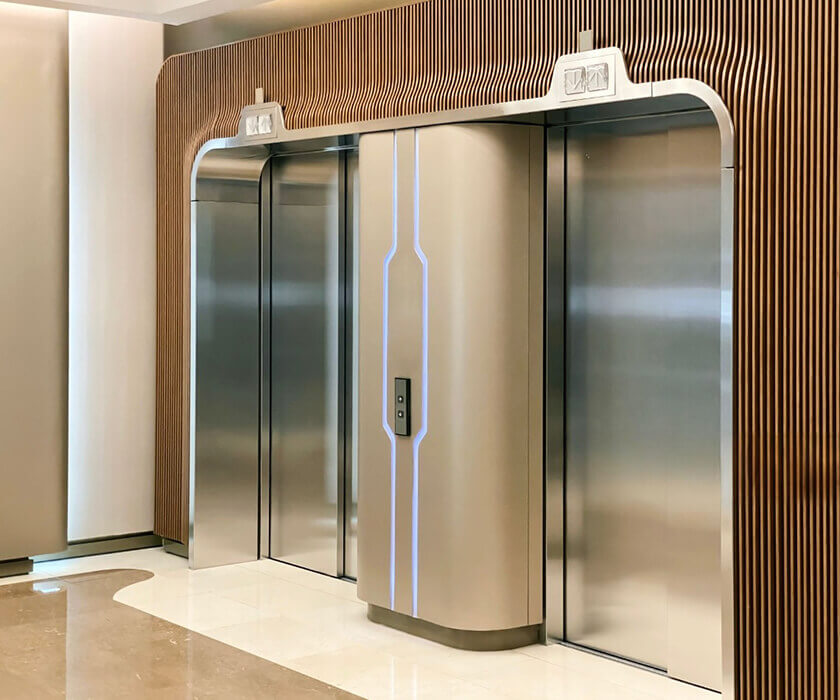
Cost evaluation plays a crucial role in selecting elevator systems for commercial developments because pricing depends on building height, design complexity, and operational requirements. Therefore, developers carefully assess installation expenses, maintenance costs, and long-term value before making final decisions. In addition, proper cost planning ensures balanced investment and efficient infrastructure development. Machine Room Less Elevator Installation offers a cost-effective approach since it reduces structural requirements and simplifies installation processes. As a result, it delivers long-term value through efficient space utilization and reduced construction complexity. The following breakdown explains pricing variations across different commercial project types.
Installation Budget for Compact Passenger Lift in Business Centers
Small and mid-rise business centers require compact and efficient elevator systems to manage daily passenger movement. Therefore, budget planning includes structural preparation, equipment selection, and installation execution based on building design. In addition, travel height and number of landings strongly influence overall cost estimation. Machine Room Less Elevator Installation is commonly selected for such buildings because it offers a compact design and reduces construction requirements. As a result, it provides a cost-efficient solution while maintaining reliable performance for daily commercial operations. Therefore, it suits business centers that focus on balanced investment and operational efficiency.
Travel Height: 18–45 meters
Number of Landings: 6–12
Estimated Cost: PKR 1,500,000 – 1,800,000
Pricing Estimate for Machine Room Less Lift in Retail Complexes
Retail complexes require elevator systems that can handle moderate to high passenger traffic throughout operational hours. Because pricing depends on speed requirements, structural design, and system specifications, it varies across projects. Therefore, efficient elevator planning ensures smooth vertical movement across multiple retail floors. Machine Room Less Elevator Installation is widely used in retail environments because it delivers a space-saving structure and efficient performance. Moreover, it helps optimize commercial space while ensuring reliable passenger movement. As a result, this balance between cost and functionality makes it a preferred choice for retail infrastructure development.
Travel Height: 25–60 meters
Number of Landings: 8–15
Estimated Cost: PKR 2,000,000 – 2,300,000
Project Cost for High-speed Passenger Lift in Commercial Towers
High-rise commercial towers require advanced elevator systems designed for speed, performance, and structural efficiency. Therefore, cost estimation includes technical complexity, travel height, and system capacity requirements. In addition, these installations are engineered for heavy usage and long-term commercial performance. Machine Room Less Elevator Installation is often integrated in such projects because it reduces space requirements while maintaining high operational efficiency. Moreover, it supports smooth movement across multiple floors in tall buildings. As a result, investment costs increase due to advanced engineering and performance demands of high-rise structures.
Travel Height: 50–150 meters
Number of Landings: 15–40
Estimated Cost: PKR 2,300,000 – 2,550,000
| Elevator Category | Estimated Cost (PKR) |
|---|---|
| Commercial passenger lift electric 630kg | 2,150,000 PKR |
| Panoramic passenger lift electric 630kg | 2,500,000 PKR |
Digital Technologies Enhancing Modern Vertical Transportation System Performance
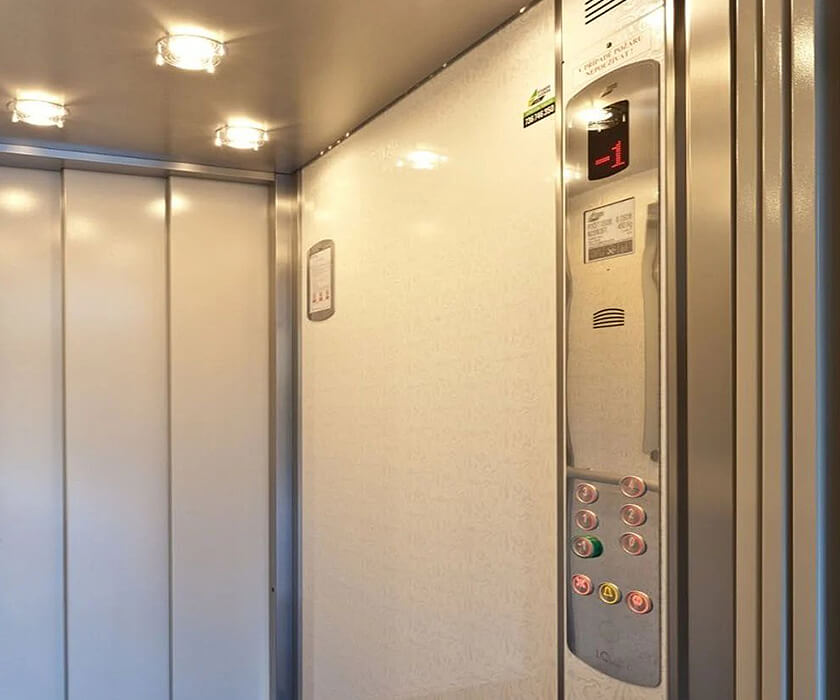
Modern elevator systems increasingly rely on digital technologies to improve safety, efficiency, and monitoring capabilities. Because smart control systems enable real-time tracking, they enhance performance optimization and predictive maintenance in commercial buildings. Therefore, these technologies significantly improve operational reliability and reduce downtime in high-usage environments. Machine Room Less Elevator Installation integrates effectively with digital systems since it supports smooth communication between mechanical and control components. As a result, system efficiency and user experience improve in modern commercial infrastructure. Furthermore, digital integration has become essential for advanced elevator performance management.
1- Lift Status Display With Real-time Operational Information Interface
Real-time display systems provide passengers with updated information about elevator movement, floor position, and operational status. Therefore, they improve user experience by offering clear visibility of system activity. In addition, they are widely used in commercial buildings to enhance communication between users and elevator systems. Machine Room Less Elevator Installation supports such interfaces because it integrates smoothly with digital control systems. As a result, transparency, convenience, and operational efficiency improve significantly. Therefore, it remains common in modern commercial infrastructure for better passenger interaction.
2- Machine Room Less Elevator Installation With Remote Monitoring Platform
Remote monitoring technology enables real-time tracking of elevator performance, system status, and maintenance requirements. Because it allows operators to detect issues quickly, it improves system reliability in commercial buildings. Therefore, data-driven monitoring reduces unexpected service interruptions and improves operational efficiency. Machine Room Less Elevator Installation benefits from this technology since it enables efficient system connectivity and centralized control. Moreover, it ensures better operational management and improved maintenance planning. As a result, it is widely adopted in modern commercial properties requiring high system uptime.
3- Elevator Fault Detection With Intelligent Performance Analysis Technology
Advanced fault detection systems identify operational issues before they affect elevator performance. Therefore, they significantly improve safety, reliability, and maintenance efficiency in commercial environments. In addition, predictive analysis reduces downtime and ensures consistent operation across high-traffic buildings. Machine Room Less Elevator Installation integrates with these technologies because it supports proactive maintenance and performance optimization. As a result, it ensures smooth operation while reducing unexpected breakdowns. Therefore, it becomes essential for maintaining reliability in modern commercial infrastructure.
Verifyne Lift Consultancy Deployment Architecture for Lift Technologies in Commercial Projects
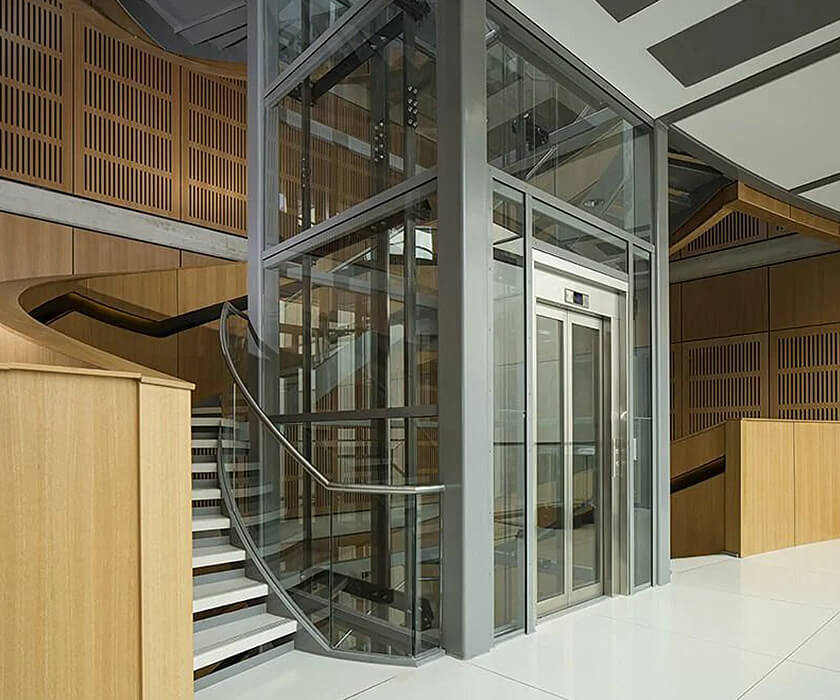
Professional consultancy plays a vital role in planning, designing, and executing elevator systems in commercial projects. Because proper deployment architecture ensures smooth integration, it improves efficiency and reduces delays. Therefore, strategic planning enhances long-term performance outcomes in building development. Machine Room Less Elevator Installation forms a key part of modern consultancy frameworks since it offers flexibility and space-efficient design. Moreover, Verifyne Lift Consultancy supports structured execution from design stage to final implementation. As a result, this approach ensures reliable and efficient elevator deployment in commercial developments.
1- Lift Design Coordination Supporting Structural Development Planning
Effective elevator design coordination ensures proper alignment between architectural plans and structural requirements. Therefore, early planning optimizes shaft positioning, space utilization, and construction efficiency. In addition, coordination improves overall building functionality and design integration. Machine Room Less Elevator Installation supports flexible design implementation within modern commercial structures. As a result, it allows better architectural planning without space constraints. Therefore, it enhances efficiency in both design and construction phases.
2- Machine Room Less Elevator Installation With Integrated Execution Roadmap
Structured execution planning ensures smooth installation and commissioning of elevator systems in commercial projects. Therefore, proper scheduling and coordination reduce delays and improve construction efficiency. In addition, systematic execution ensures each stage completes in an organized manner. Machine Room Less Elevator Installation benefits from this roadmap because it streamlines technical execution and workflow. As a result, it ensures consistent project progress and reliable system deployment. Therefore, this method is widely used in professional commercial development projects.
3- Elevator Service Strategy Supporting Consistent Commercial Operations
Long-term service planning ensures continuous and reliable elevator performance in commercial buildings. Therefore, regular maintenance scheduling reduces downtime and improves system lifespan. In addition, proper service strategies enhance safety and operational efficiency in high-traffic environments. Machine Room Less Elevator Installation is supported through structured maintenance planning that ensures consistent performance over time. As a result, it improves reliability and user satisfaction in commercial operations. Therefore, it becomes essential for sustainable building management.